
Can you give a dog medicine with a syringe? Yes, you can give your dog medicine using a syringe, especially liquid medications. This method is often the best way to ensure your pet gets the full dose, especially if your dog won’t take medicine by mouth mixed with food.
Giving medicine to a dog can feel tricky. Dogs often know when something is “off.” But with the right tools and a calm approach, you can master administering liquid medication to dogs smoothly. This guide will help you learn the simple steps for using a syringe safely and effectively. We will cover everything from getting the right dose to making the experience less stressful for your furry friend.
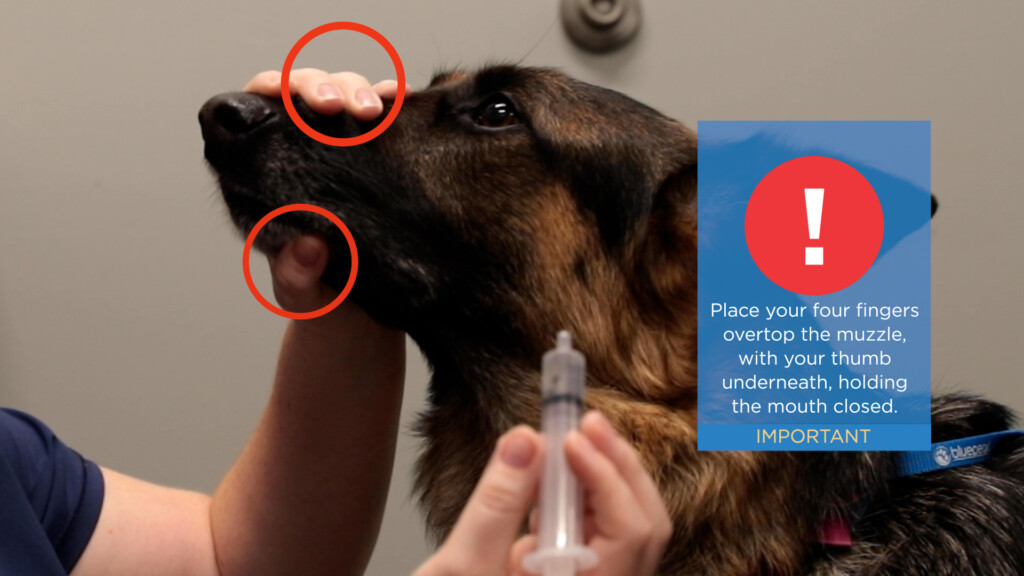
Image Source: bluepearlvet.com
Why Use a Syringe for Dog Medication?
Many dog owners face a tough choice: hide the pill or use a syringe. Some medications come only as liquids. Other times, even crushing a pill and mixing it in food doesn’t work. If you are struggling with pilling a reluctant dog, a syringe offers a direct route.
Syringes allow for precision. You can accurately measure dog medicine with syringe tools provided by your vet or pharmacist. This is crucial, especially when calculating the correct oral syringe dog dosage for smaller pets or potent drugs.
When Is a Syringe the Right Choice?
- Liquid Medications: When the medicine is already in liquid form.
- Taste Aversion: If your dog spits out food mixed with crushed medicine.
- Exact Dosing: When tiny adjustments in dose are necessary.
- When Oral Dosing Fails: If your dog always manages to avoid swallowing a pill.
If you ever need to use a feeding tube, such as for medical reasons, knowing how to use a syringe is helpful for using a feeding tube for dogs under veterinary guidance. However, this guide focuses on standard oral dosing.
Step 1: Prepare the Medicine and Tools
Good preparation makes the job fast. A slow process gives your dog time to fight back. Gather everything you need before you approach your dog.
Essential Supplies Checklist
- The prescribed liquid medicine.
- The correct oral syringe (usually without a needle).
- A few tasty treats for later reward.
- Patience and a calm attitude.
Measuring Dog Medicine with Syringe Correctly
Accuracy matters most. Follow these steps to ensure the right amount is loaded:
- Read the Prescription: Double-check the dose in milliliters (mL) or cubic centimeters (cc). These are the same measurement on most syringes.
- Draw the Liquid: Put the syringe tip into the liquid medicine. Pull the plunger back slowly until the mark matches the required dose. Do this slowly to avoid air bubbles.
- Remove Air Bubbles: Tap the side of the syringe gently. Push the plunger up slightly until a small drop of liquid appears at the tip. This removes any trapped air. Air in the dose means less medicine goes in your dog.
This careful process ensures you have the correct oral syringe dog dosage ready to go.
Step 2: Choosing the Right Spot for Delivery
Where you put the syringe tip is key to success. You want the medicine to go down the throat, not bubble out the sides of the mouth. The goal is to aim toward the back of the mouth.
Injecting Medication Into Dog’s Cheek Pouch
The safest and easiest place to deposit the liquid is into the space between the cheek and the teeth, often called the buccal pouch.
- Positioning: Have your dog sit or stand in front of you. If they are large, kneeling beside them often works best.
- Lifting the Lip: Gently lift the upper lip on one side of their mouth. Look for a small gap there.
- Insertion: Slide the tip of the syringe gently into this gap. Do not push hard. If you feel resistance, you might be touching the teeth or gums. Move it slightly back.
- Aiming: Aim the tip toward the back of the mouth, past the tongue.
This technique is much better than trying to force the tip down the middle of the mouth, which can cause gagging or resistance. This is a major trick to give dog liquid medicine.
Step 3: The Technique for Smooth Delivery
Once you are positioned correctly, the delivery must be quick yet gentle. Remember, a calm delivery prevents your dog from learning that medicine time is a fight.
Slow and Steady Administration
If your dog won’t take medicine by mouth readily, speed alone isn’t the answer; control is.
- Get Ready: Hold the syringe firmly but gently. Keep one hand ready to support their muzzle if needed, but try not to restrain them too tightly.
- Slow Push: Begin pushing the plunger very slowly. This lets your dog have time to swallow. If you push too fast, the liquid might shoot out the sides or choke them slightly.
- Pause and Swallow: Push a small amount, then pause for a second or two. Wait for your dog to swallow before pushing more. You should see their throat move.
- Complete Delivery: Continue this slow push-pause rhythm until the entire dose is given.
If the medicine tastes bad, even slow delivery can be tough. We will cover ways to mask the taste next.
What If My Dog Closes Their Mouth?
If your dog clamps their mouth shut during the process, stop pushing immediately. Do not force the plunger. Wait a moment for them to relax slightly. Sometimes, firmly but gently holding the top and bottom jaw together, then tilting the head slightly up, encourages them to open slightly.
If they still resist, withdraw the syringe, take a short break, and try again. Forcing the issue often makes the next dose harder.
Step 4: Encouragement and Reward
The final step is just as important as the first three. You must associate the syringe experience with something positive. This builds compliance for future doses.
Making It a Positive Experience
The reward needs to happen immediately after the medicine is swallowed.
- Immediate Praise: As soon as the dose is finished, offer enthusiastic praise (“Good boy!” or “Yes!”).
- High-Value Treat: Follow up right away with a favorite treat—cheese, peanut butter (xylitol-free!), or a special dog biscuit.
- Affection: Offer gentle petting or cuddles, depending on what your dog prefers.
If you are syringe feeding a dog a nutrient supplement or bland liquid, the reward afterwards is still crucial to maintain cooperation. This positive reinforcement helps tremendously if you are struggling with a pet who absolutely detests the process.
Dealing with Difficult Dogs: Advanced Tips
Some dogs are masters of evasion. If the basic technique isn’t working, here are extra strategies to help you successfully administer medication. These tips are especially useful when dealing with a dog who is suspicious of everything you do.
Making Liquids Taste Better
Sometimes, the medicine itself is the problem. A few flavor hacks can make the process much easier. Always check with your veterinarian before mixing medications with other substances.
| Method | How to Use It | Best For | Caveats |
|---|---|---|---|
| Water Mixture | Mix with a very small amount of low-sodium chicken broth or plain water. | Dogs sensitive to strong flavors. | Use only enough liquid to coat the syringe. |
| Sweet Coating | If safe for the drug, dip the tip of the syringe in honey or meat paste. | Dogs motivated by sweetness or strong smells. | Ensure the paste doesn’t block the tip opening. |
| A Small Treat Chaser | Give a tiny bite of canned food or peanut butter immediately after swallowing the medicine. | Most dogs. | This is crucial for masking the aftertaste. |
The Two-Person Approach
If you have a large or very strong dog, having two people can make things safer and easier.
- Person One (The Handler): Focuses on gently securing the dog. They should cradle the dog’s body steady, keeping the head still but not tight.
- Person Two (The Administrator): Focuses solely on the syringe delivery, ensuring accuracy and speed.
This separation of tasks allows one person to be gentle and calm while the other is efficient.
The “Head Tilt” Trick
This is a refined version of the positioning described earlier and is a fantastic trick to give dog liquid medicine.
- Hold the dog’s muzzle gently with one hand, thumb on one side, fingers on the other.
- Slightly tilt the dog’s head upward, towards the ceiling. This causes the jaw to relax slightly and often opens the mouth just enough.
- Insert the syringe tip into the side pocket as described before.
- Administer slowly.
This technique encourages the swallowing reflex, making it very helpful when you are administering liquid medication to dogs who tend to hold the liquid in their mouths.
Safety First: Avoiding Common Mistakes
Giving medicine involves minor risks if done incorrectly. Safety is paramount.
Never Force Air
Never inject air into your dog’s mouth. This can cause them to choke or become terrified of the process. Always remove air bubbles before dosing.
Avoid the Esophagus Center
Do not aim the syringe directly down the center of the throat. This increases the chance of aspiration (liquid going into the lungs) or causing gagging. The side pocket delivery is much safer.
Watch for Side Effects
When you are administering liquid medication to dogs, especially for the first time, watch how they react. Some medications can cause nausea. If your dog vomits immediately after receiving the dose, contact your vet. They may advise changing the timing (e.g., giving it with food) or trying an alternate delivery method.
Proper Syringe Disposal
Oral syringes are usually plastic and should be disposed of safely. Do not put them in recycling bins if they have visible residue. Check local guidelines for safe medical waste disposal, though most standard oral syringes can be placed in regular trash after rinsing.
When the Syringe Still Doesn’t Work
Sometimes, despite your best efforts, your dog remains defiant. If your dog just will not accept oral medicine, you must consult your veterinarian. There are alternatives to consider:
- Compounding Pharmacies: These pharmacies can often reformulate medication into different forms, such as transdermal gels that can be rubbed into the skin (like the inside of the ear flap) or flavored chews.
- Injectable Options: For certain drugs, your vet might be able to switch to an injectable form that they administer, or teach you how to give a safe subcutaneous injection at home.
If you are struggling immensely, do not let the dog go without medication. For example, if you need the best way to give antibiotics to dog and the syringe fails daily, a different format is necessary to ensure the infection clears up.
Long-Term Management with Syringe Dosing
If your dog requires daily medication, consistency in your technique is vital.
Creating a Routine
Dogs thrive on routine. Try to administer the medicine at the same time each day. This prepares them mentally for the event. If you are always rushed or stressed, they will pick up on that energy.
Keeping the Tools Ready
Keep the syringe clean and ready to go. A clean syringe prevents old tastes or residues from tainting the new dose. When syringe feeding a dog, hygiene matters for their health and their willingness to cooperate next time.
Practice makes smoother movements. The faster and more confidently you can perform the delivery (without rushing the swallow!), the less stressful it will be for both of you.
Final Thoughts on Syringe Use
Giving medicine via syringe removes many variables associated with hiding pills. It gives you direct control over the dose. By being prepared, using the side-pocket technique for injecting medication into dog’s cheek, and always following up with a positive reward, you can make this necessary chore much easier. Remember, your calm demeanor is half the battle won when administering liquid medication to dog companions.
Frequently Asked Questions (FAQ)
Q1: How much liquid can I safely put into a dog’s mouth at once?
A: You should give liquid medicine slowly, allowing time for swallowing between small pushes. For small dogs (under 20 lbs), never try to give more than 1-2 mL at a time without pausing. For larger dogs, you can administer slightly more, but always push slowly. If the dose is large, break it into several smaller administrations separated by a short break and a sip of water or a small lick of something tasty.
Q2: Is it safe to mix dog medicine with peanut butter?
A: This depends entirely on the medication. Always check with your pharmacist or vet first. If safe, mixing a small amount of liquid medicine into a tiny blob of xylitol-free peanut butter can sometimes be used as a chaser after the dose is swallowed, not necessarily mixed into the syringe itself, unless the vet directs otherwise.
Q3: What if my dog chokes or coughs after I give the medicine?
A: Coughing or choking usually means the liquid went down too fast or hit the back of the throat abruptly. Immediately stop pushing. Offer a small amount of plain water if your vet approves, and praise them calmly. If the dog seems distressed or has difficulty breathing, contact your vet immediately. This is why slow delivery is critical when administering liquid medication to dogs.
Q4: Should I use a needle-less syringe or a regular syringe?
A: Always use a needle-less oral syringe for this purpose. Standard syringes usually have a Luer-lock tip designed for needles, which can be sharp. Oral syringes are designed with a blunt tip safe for mucous membranes. If you only have a standard syringe, ensure the needle is completely removed and the plastic tip is smooth.
Q5: How do I clean the syringe after use?
A: Immediately after use, flush the syringe thoroughly with warm water several times until the water runs clear. If the medication is oily or sticky, you can use a tiny drop of mild dish soap, then rinse extensively with clean water. Let it air dry completely before storing it. Proper cleaning ensures the next dose isn’t contaminated.