
If your dog eats everything in sight, it means you need to take steps right away to keep them safe. Why is my dog eating everything? This behavior can stem from boredom, anxiety, a medical issue, or simply natural canine curiosity.
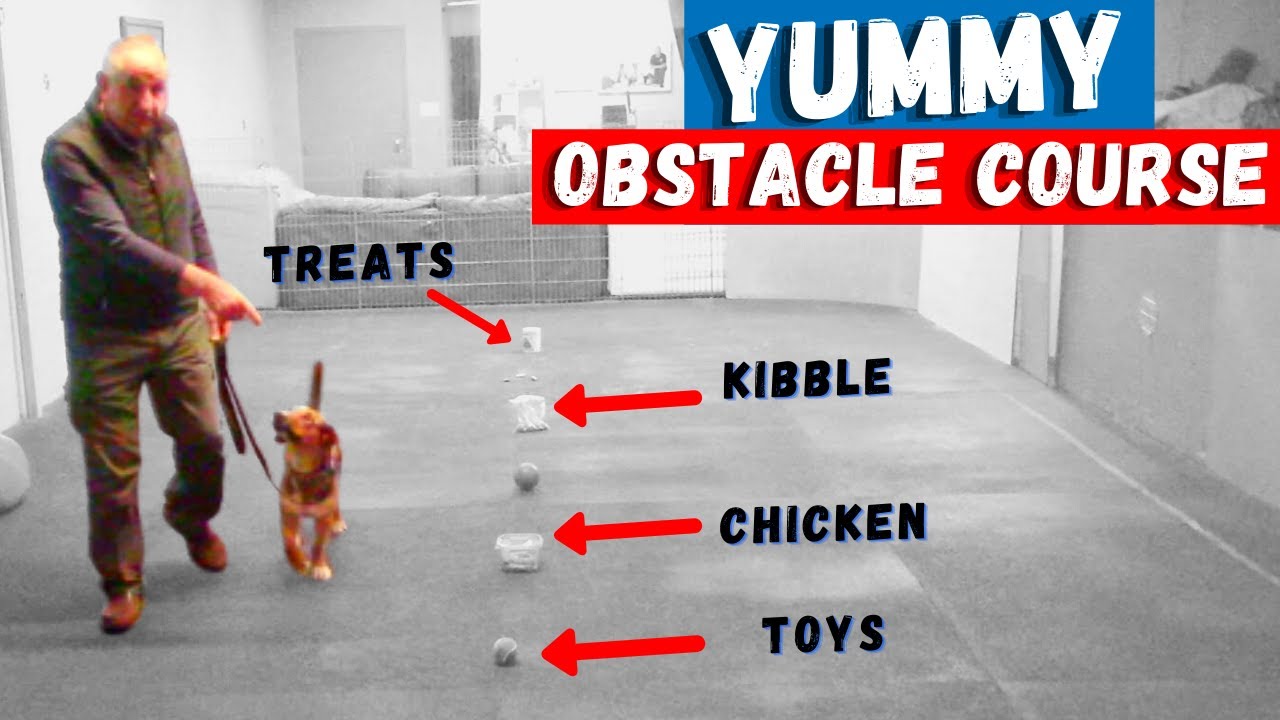
Image Source: i.ytimg.com
Deciphering the Reasons Behind Excessive Eating
Dogs explore the world with their mouths. This is normal puppy behavior. But when this turns into eating non-food items, it becomes dangerous. We must look closely at why this happens to fix it.
Medical Causes and Pica in Dogs
Sometimes, the urge to eat things that aren’t food signals a health problem. This behavior is called Pica in dogs. Pica means eating non-food items regularly.
Common medical reasons include:
- Nutrient Deficiencies: If your dog is missing key vitamins or minerals, they might try to find them elsewhere.
- Gastrointestinal Issues: Problems in the stomach or gut can sometimes trigger this behavior.
- Hormonal Changes: Thyroid issues or other hormonal imbalances can change appetite.
- Parasites: Worms or other internal parasites can make a dog feel constantly hungry.
If the behavior starts suddenly, or if your dog is eating things like rocks or plastic, talk to your vet first. Rule out health issues before moving to training.
Behavioral Triggers for Eating Everything
Most of the time, the root cause is behavioral. A bored dog is an inventive dog.
Boredom and Lack of Stimulation
A dog with nothing to do will find something to do. Chewing and licking are natural outlets. If they don’t have proper toys, they will chew your shoes, remote controls, or anything left on the floor.
Anxiety and Stress
Some dogs eat things when they feel worried or stressed. This might happen when left alone (separation anxiety) or during loud storms. Eating provides temporary comfort.
Learned Behavior
If a dog eats something and gets a big reaction from you—even yelling—they learn that eating that item gets attention. This reinforces the habit. Stop dog scavenging behaviors often start this way.
Puppy Exploration
Puppies explore with their mouths much like human babies. For them, it is normal. However, puppy owners must manage this phase carefully. Puppy proofing for chewing is vital for safety during this time.
Immediate Safety: Preventing Serious Harm
When a dog eats something they shouldn’t, the clock starts ticking. Your first goal is emergency prevention. We must stop the dog swallowing objects right now.
Securing the Environment
This is the fastest way to stop the problem today. Think like a toddler, but with more teeth.
- Remove Temptations: Put away all small objects. This means socks, remote controls, keys, coins, and small toys.
- Secure Trash Cans: Use heavy cans with tight-fitting, locking lids. Deterring dog from eating trash is essential, as spoiled food or sharp containers are very dangerous.
- Put Away Cleaning Supplies: Keep all chemicals, soaps, and detergents locked up high or behind childproof latches.
- Manage Valuables: Never leave jewelry, medications, or batteries within reach. These cause severe internal damage if eaten.
Recognizing and Responding to Ingestion
If you see your dog eat something dangerous (like a battery or a large piece of plastic):
- Stay Calm: Panicking makes your dog anxious, which can cause them to swallow faster or hide the item.
- Trade, Don’t Chase: Try to trade the item for a high-value treat. Never try to pry it out of their mouth forcefully.
- Call Your Vet or Emergency Clinic: Ask for advice immediately. They will tell you if you should induce vomiting (which should only be done under professional guidance) or if you need to come in.
Table 1: Common Household Hazards for Dogs
| Item Category | Examples | Risk Level | Action Needed |
|---|---|---|---|
| Small Objects | Coins, Batteries, Marbles | High (Obstruction/Toxicity) | Immediate Vet Consultation |
| Edible Hazards | Chocolate, Grapes, Xylitol Gum | High (Poisoning) | Immediate Vet Consultation |
| Household Goods | Plastic Bags, Socks, Sponges | Medium to High (Blockage) | Monitor closely; call vet if vomiting or lethargy occurs. |
| Yard Debris | Certain Plants, Fertilizer | Variable | Identify plant; call vet if toxic. |
Training Solutions: Teaching Control
Once the house is safe, we move to teaching your dog better choices. This involves strong impulse control commands. Managing excessive dog eating relies heavily on consistency here.
Mastering the “Leave It” Command
“Leave it” is your most powerful tool against scavenging. It means, “Ignore that item and look at me instead.”
Steps to Teaching “Leave It”:
- Start Easy: Hold a low-value treat (like a piece of kibble) in a closed fist. Present your fist to your dog.
- Wait for Disinterest: Your dog will sniff, lick, and paw your hand. Wait until they pull back, even for a split second.
- Reward the Pull-Back: The instant they stop trying to get the food, say “Yes!” or click, and give them a better treat from your other hand (not the one they left alone).
- Increase Difficulty: Move the low-value treat to your open palm. Cover it lightly with your other hand. Reward when they move away from the covered treat.
- Place on the Floor: Put the low-value treat on the floor and cover it with your foot. If they go for it, cover it more firmly. When they stop, reward from your other hand.
- Full Distance: Place the treat on the floor and step back. Use the verbal cue “Leave It.” Only reward when they look at you instead of the item.
Practice this inside with boring items first. Once mastered, slowly introduce higher-value items or things they usually try to eat (like a toy or a piece of paper). This forms the foundation for teaching dog leave it reliably.
Implementing the “Drop It” Command
“Drop it” is crucial when they already have something in their mouth.
- The Trade: Get a very high-value reward ready (cheese, hot dog slivers).
- Offer the Trade: Hold the high-value treat right by their nose. As they open their mouth to investigate the better treat, say “Drop It.”
- Instant Reward: As soon as the item falls out, praise them highly and give them the high-value treat.
- Retrieve the Item: After they eat the treat, calmly pick up the item they dropped. Never chase them for it, as this turns it into a fun game of keep-away.
Addressing Boredom and Hunger: Meeting Needs
Often, eating everything comes from unmet physical or mental needs. You need to address managing excessive dog eating by managing their life.
Enriching Their Environment
A tired dog is a good dog. Mental exercise tires them out faster than physical running alone.
- Puzzle Toys: Use puzzle feeders or Kongs stuffed with peanut butter (xylitol-free!) or plain yogurt and frozen. This forces them to work for their food, satisfying the urge to forage and work their brain.
- Snuffle Mats: These fabric mats hide dry food, encouraging sniffing and searching behaviors in a positive way.
- Structured Play: Schedule short, focused play sessions daily. Tug-of-war and fetch use energy and build bonding.
Reviewing Feeding Practices
If your dog is constantly hungry, you might need to look at controlling dog’s appetite through better feeding structure.
- Scheduled Meals: Feed two set meals per day rather than leaving food down all day (free-feeding). Scheduled times help regulate their system.
- Measure Food: Ensure you are feeding the correct amount based on your dog’s weight and activity level, as suggested by your vet or the bag guidelines. Overfeeding can lead to weight gain, but sometimes dogs eat non-food items due to poor nutrient absorption, even if they are eating enough calories.
- Switching Food Types: If your current food is low quality or low in fiber, your dog might feel unsatisfied quickly. Talk to your vet about switching to a highly digestible, quality diet that keeps them feeling full longer.
Strategies for Outdoor Scavenging
The yard and neighborhood walks present unique challenges. Stop dog scavenging on walks requires leash control and proactive management.
Leash Management for Walks
Your dog’s focus on the ground during walks needs immediate correction.
- High-Value Rewards on Walks: Bring the best treats you have (chicken, liver jerky). These need to be better than the random piece of grass or sidewalk gum they find.
- Pre-empt the Lunge: As you walk, watch your dog’s head position. If you see them start to sniff intensely or lower their head toward something interesting, quickly say their name and immediately reward them for looking up at you, before they get the chance to grab the item.
- Use a Shorter Leash: Keep the leash short enough so they cannot reach the ground too far ahead of you. A short lead gives you better control for quick corrections.
- Avoid Known Hotspots: If you know the corner near the park always has dropped food, cross the street well in advance.
Yard Supervision
If your dog eats things in the yard (like mulch, sticks, or animal droppings), the yard needs to become less appealing for eating.
- Supervision is Key: Do not leave your dog unattended outside if they are a persistent scavenger. Stay out with them.
- Remove Hazards: Pick up fallen branches, rotting fruit, or any debris immediately.
- Cover Mulch: If your dog eats wood mulch, consider replacing it with larger, river rock pebbles, or a dog-safe ground cover if ingestion is a major issue.
Addressing Separation Anxiety and Compulsive Eating
If the scavenging only happens when you are gone, the root is likely anxiety, not just hunger. Dog eating non-food items indoors when alone is a classic sign of distress.
Building Independence
If separation anxiety fuels the behavior, you must work on making being alone less scary.
- Practice Short Absences: Start by leaving for one minute, then return calmly before they get anxious. Slowly increase the time.
- Ignore Excited Greetings: When you return home, ignore your dog for the first few minutes until they calm down. This teaches them that your arrival is a calm event, not a high-arousal party.
- Provide Enrichment for Alone Time: Before you leave, give them a frozen, stuffed Kong or a long-lasting chew appropriate for their chewing style. This redirects their energy to an approved activity.
Calming Aids
For severe anxiety driving the behavior, consult your vet about temporary or long-term calming support. This might involve:
- Pheromone diffusers (Adaptil).
- Thundershirts or weighted blankets.
- Prescription anti-anxiety medication used alongside behavior modification.
Tools and Equipment That Help
Certain tools can assist you while you train your dog to stop eating everything.
Muzzles: A Temporary Safety Tool
A basket muzzle is not a punishment; it is a safety device, much like a seatbelt. If your dog has a history of eating dangerous items (like rocks or medication) and you cannot supervise them 100%, a muzzle is essential.
Choosing the Right Muzzle:
- Basket Style: Allows the dog to pant, drink water, and take small treats, but prevents them from scooping up large items off the ground.
- Proper Fit: It must be correctly sized. The dog should be able to open their mouth slightly to pant, but not wide enough to get their jaws around a sock or stick.
- Acclimation: Never force the muzzle on. Introduce it slowly with positive reinforcement, pairing it with high-value food.
Chew Toys vs. Real Items
Dogs need to chew. If you don’t provide appropriate outlets, they will choose inappropriate ones.
Appropriate Chew Options:
- Durable Rubber Toys: Brands like Kong or GoughNuts make very tough toys designed for power chewers.
- Dental Chews: These satisfy the urge to gnaw while providing dental benefits.
- Durable Nylon Bones: These last a long time but need supervision, as fragments can sometimes be ingested if the toy wears down too much.
Warning on Edible Chews: While great for satisfaction, if your dog gulps down whole pieces of rawhide or bully sticks, monitor them closely. Some dogs will swallow large chunks, leading to blockage risks.
Consistency and Patience
Stopping this behavior is rarely fast. It requires constant vigilance until the new habit takes over.
Table 2: Troubleshooting Common Setbacks
| Problem Faced | Why It Happens | Solution |
|---|---|---|
| Dog ignores “Leave It” outside. | Outside distractions are too high value. | Increase the value of your reward. Practice in lower distraction zones first. |
| Dog hides food/items to eat later. | They think you will take the item away (resource guarding). | Use the “Trade” method exclusively for “Drop It.” Never try to snatch items. |
| Behavior gets worse when alone. | Anxiety is the primary trigger. | Focus intensely on separation anxiety training protocols. Consult a trainer or behaviorist. |
| Puppy continues mouthing everything. | They are still in the exploration phase. | Increase supervision and puppy proofing for chewing efforts daily. |
Remember, if you are dealing with a medical reason like Pica in dogs, no amount of training will fix the underlying urge without veterinary treatment. If you suspect this, see your veterinarian immediately.
By securing your environment, teaching rock-solid commands like “Leave It,” and ensuring your dog’s physical and mental needs are met, you can significantly reduce or eliminate the habit of eating everything. This takes time, but the safety of your dog is worth the consistent effort.
Frequently Asked Questions (FAQ)
My puppy is constantly chewing and eating fabric. Is this normal?
Yes, puppy proofing for chewing is essential. Puppies explore the world with their mouths, and they often go through a teething phase where they want to chew everything, including fabric and clothing. Supervise them closely and redirect them immediately to appropriate, durable chew toys. If the behavior continues strongly past six months, address potential boredom or anxiety.
How can I stop my dog from eating grass?
Eating grass is usually harmless, but excessive consumption can sometimes point to dietary needs or nausea. If your dog is trying to graze constantly, ensure their diet is high quality and discuss fiber intake with your vet. If you suspect your dog is trying to induce vomiting, treat the underlying stomach issue. Ensure your lawn chemicals are pet-safe.
What is the fastest way to stop a dog from eating trash?
The fastest way is environmental management: secure all trash cans with heavy, locking lids so they are inaccessible. Secondly, implement the “Leave It” command reliably inside the house, and then practice it near the trash can (with the lid secured) to build impulse control.
Can anxiety cause my dog to eat non-food items?
Yes, absolutely. Anxiety, especially separation anxiety, often manifests as destructive chewing and eating non-food items when the owner is absent. This is a coping mechanism. Addressing the anxiety through training and potentially medication is necessary to stop dog scavenging caused by stress.
How long does it take to train a dog to stop eating everything?
Results vary based on the dog’s age, history, and the severity of the problem. For simple environmental scavenging, results can be seen within a few weeks of rigorous management. For deeply ingrained behaviors stemming from severe anxiety or Pica, it can take several months of consistent training and management. Consistency is the single most important factor.