
Can you get rid of wet dog smell in carpet? Yes, you absolutely can eliminate that musty, damp scent from your carpet using simple steps and common household items. Dealing with the aftermath of a rainy walk or a playful splash in a puddle requires quick action and the right cleaning methods to stop the odor from setting in deeply. This guide offers clear, easy steps to refresh your carpets and restore that fresh home smell.
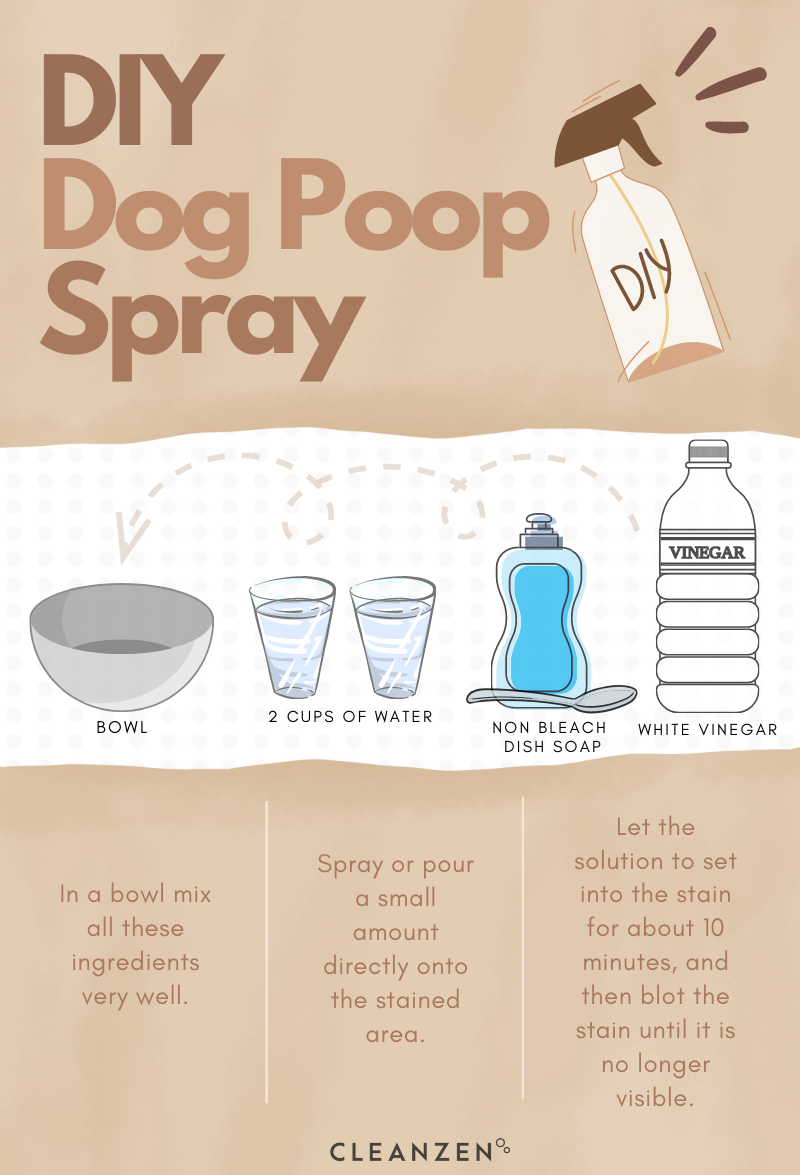
Image Source: cleanzen.com
The Science Behind Wet Dog Smell
Why does a wet dog smell so bad, especially when it hits the carpet? The odor comes from bacteria and yeast that naturally live on your dog’s skin and coat. When the fur gets wet, the water makes these microbes more active. They start to multiply quickly. As they grow, they release smelly waste products into the air. When your wet dog shakes, these odor-causing particles spray onto the carpet fibers. The carpet acts like a big sponge, soaking up both the moisture and the smells. This is why you need strong dog odor removal carpet methods right away.
Immediate Steps: Stop the Spread First
Time is key when dealing with a wet dog and your carpet. The faster you act, the easier it will be to eliminate wet dog smell.
Drying the Source: The Dog
Before you even look at the carpet, you must dry your dog thoroughly. A drier dog means less odor transfer.
- Towel Dry Vigorously: Use old, absorbent towels. Pat and rub every part of your dog. Focus on the thickest areas like the back and chest.
- Use a Dryer (If Tolerated): If your dog is okay with it, use a low-heat setting on a hairdryer, keeping it far from their skin. Keep the airflow moving constantly.
- Keep Them Off the Carpet: Until the dog is completely dry, keep them on hard floors or in a designated, easy-to-clean area.
Addressing the Carpet Area
Once the dog is mostly dry, turn your attention to the damp carpet spots.
- Blot Excess Moisture: Use thick, clean towels or stacks of paper towels. Press down hard on the wet area. Do not rub, as rubbing pushes the moisture deeper. Stand on the towels to use your body weight for maximum absorption.
- Increase Airflow: Open windows. Use fans to blow air directly onto the damp spot. Good air circulation helps dry the carpet faster, slowing down bacterial growth.
Top Methods for Dog Odor Removal Carpet
Once the initial dampness is managed, it’s time to treat the smell itself. You have many options, ranging from simple household staples to specialized products.
Method 1: The Power of Baking Soda
Baking soda (sodium bicarbonate) is a fantastic natural carpet deodorizer for dogs. It absorbs odors rather than just masking them.
Steps for Using Baking Soda:
- Ensure Dryness: Make sure the carpet area is as dry as possible first.
- Sprinkle Liberally: Cover the entire affected area with a thick layer of dry baking soda.
- Work It In: Use a soft brush or a clean, dry cloth to gently work the baking soda down into the carpet fibers.
- Wait Patiently: Allow the baking soda to sit for several hours, or even overnight. The longer it sits, the more odor it pulls out.
- Vacuum Thoroughly: Use a strong vacuum cleaner to remove all the powder. Go over the area several times to ensure full removal.
This simple step is often enough to handle light, fresh wet dog smells.
Method 2: Vinegar Solution for Deep Odors
White distilled vinegar is acidic. This acidity helps neutralize the alkaline compounds that cause many pet odors, making it great for cleaning urine odor from carpet as well as general wet smells.
The Vinegar Spray Mix:
- Mix equal parts white vinegar and cool water in a spray bottle. (A 50/50 ratio works best.)
Application Steps:
- Test First: Always test the solution on a small, hidden spot of carpet to ensure it doesn’t cause discoloration.
- Saturate Lightly: Lightly mist the affected area with the vinegar solution. Do not soak the padding underneath.
- Let It Sit: Allow the solution to sit for about 15 to 20 minutes.
- Blot Clean: Blot the area thoroughly with clean, dry towels until no more moisture transfers.
- Air Dry: Allow the area to air dry completely. The vinegar smell will disappear as it dries, taking the dog smell with it.
Method 3: The Enzyme Cleaner Necessity
For persistent or older smells, you need specialized carpet cleaning solutions for pet accidents. The most effective choice is an enzyme cleaner.
Why Enzymes Work:
Enzyme cleaners contain specialized, non-harmful bacteria that produce enzymes. These enzymes break down the actual odor-causing proteins (like those found in urine, saliva, or general damp organic matter) into water and carbon dioxide. This destroys the source of the smell.
Using an Enzyme Cleaner:
- Choose the Right Product: Select a product specifically labeled for pet odors. Look for a high-quality enzyme cleaner pet odor carpet formula.
- Read Instructions: Enzyme cleaners require proper saturation and time. Follow the manufacturer’s directions exactly.
- Saturate the Spot: You often need to soak the spot more thoroughly than you think, ensuring the cleaner reaches as deep as the odor did.
- Keep it Moist: Enzymes work best when wet. Cover the treated area with a damp towel or plastic wrap for several hours (sometimes up to 24 hours) to prevent the cleaner from drying out too fast.
- Rinse and Blot: After the required time, blot the area dry. You might need a light rinse with plain water followed by more blotting.
Choosing the Right Equipment and Products
Sometimes household remedies aren’t strong enough. Knowing how to remove lingering dog smell might require a specific tool or product.
Vacuum Power
A powerful vacuum is essential for freshening carpets after wet dog incidents.
- HEPA Filter: A vacuum with a HEPA filter is best. It traps tiny odor particles and allergens, preventing them from being blown back into the air.
- Deep Cleaning Attachment: If your vacuum has an attachment for upholstery or spot cleaning, use it to agitate the baking soda or reach deep into the pile.
Steam Cleaners and Carpet Shampooers
When the smell has permeated deeper, machine cleaning is necessary.
- Choosing the Best Shampoo: If you are renting or buying a machine, look for the best carpet shampoo for dog smell. Avoid shampoos that only use strong perfumes. Look for formulas containing oxygen boosters or mild enzymatic boosters.
- Pre-Treatment is Key: Before running the machine over the whole area, pre-treat bad spots using the vinegar or enzyme solution mentioned above. This breaks down the odor first, making the machine cleaning much more effective.
| Cleaning Tool | Best For | Benefit | Caution |
|---|---|---|---|
| Baking Soda | Surface Odor Absorption | Natural, very safe, cheap | Requires thorough vacuuming |
| Vinegar Spray | Mild Odors, Neutralizing | Acidic breakdown of scent | Must be diluted; test colorfastness |
| Enzyme Cleaner | Deep, Set-In Odors (Urine) | Destroys odor molecules | Requires long dwell time; can be costly |
| Carpet Extractor | Large Areas, Deep Cleaning | Powerful extraction of residue | Over-wetting can damage padding |
Dealing with Severe or Old Odor Issues
If you’ve tried the above steps and the smell persists, you are facing a more established odor problem. This means the moisture and bacteria have reached the carpet backing or the subfloor.
Fathoming the Subfloor Problem
When heavy soaking occurs (like major accidents or letting a soaking wet dog lie down for a long time), the moisture wicks past the carpet fibers and into the padding and sometimes the wood or concrete subfloor below. This trapped moisture breeds intense, hard-to-remove mold and bacteria.
If you suspect the smell is coming from below the carpet:
- Isolate the Area: Use fans and dehumidifiers constantly in the room to pull moisture out of the structure.
- Lift the Carpet: For severe cases, you might need to temporarily pull back a section of the carpet and padding in the affected area.
- Treat the Subfloor: If the subfloor (especially plywood) smells, it must be cleaned. Use a strong bleach solution (for concrete only, never on wood) or a specialized odor-blocking primer after scrubbing. Wood subfloors often require sanding down the top layer or using a sealing product.
When to Call the Experts
Sometimes, the job is too big for DIY. You might need professional carpet cleaning pet odor specialists.
Professionals have access to:
- Industrial-strength extraction equipment that pulls far more water out than home units.
- Commercial-grade odor counteractants that bond with and neutralize tough molecules.
- Tools that can measure moisture levels beneath the carpet to confirm if subfloor treatment is necessary.
Prevention: Keeping the Smell Away Next Time
The best way to get rid of wet dog smell is to prevent it from getting into your carpet in the first place.
Establishing Wet Dog Protocols
Create a routine for when your dog comes in wet.
- Mudroom/Laundry Zone: Designate a small, easy-to-clean area (like a laundry room or tile entryway) as the dog’s landing zone after being outside in the rain.
- Forced Drying: Never let a soaking wet dog onto carpeted areas. Have towels and perhaps a pet-safe grooming dryer ready before you open the door.
Regular Carpet Maintenance
Regular deep cleaning helps stop smells from taking hold.
- Routine Deodorizing: Use the baking soda method monthly, even if you don’t smell anything obvious. This keeps the microbial load low.
- Address Spills Immediately: Treat any damp spot, even if it’s just rainwater tracked in, before it dries and the smell settles.
Frequently Asked Questions (FAQ)
Q: How long does the wet dog smell usually last if not treated?
A: If left untreated, the odor can linger for days or even weeks, especially in humid environments. Bacteria continue to multiply until the source moisture evaporates or the bacteria are killed.
Q: Can I use fabric softener or air fresheners to mask the smell?
A: Masking agents only hide the smell temporarily. As soon as the perfume fades, the underlying wet dog odor returns, often mixed with the scent of the freshener, making things smell worse. Focus on removal, not covering up.
Q: Is it safe to use hydrogen peroxide on carpets?
A: Hydrogen peroxide (3% solution) is effective against stains and odors, especially those from urine. However, it is a bleaching agent. Always test it on a hidden spot first to ensure it doesn’t lighten your carpet color.
Q: What is the best way to prevent my dog from smelling after a bath?
A: Ensure you rinse all shampoo and conditioner out completely. Residual soap residue can harbor moisture and attract dirt, leading to a musty smell quickly. Dry your dog thoroughly, paying extra attention to the undercoat.
Q: How often should I use an enzyme cleaner on my carpets?
A: For general freshening carpets after wet dog incidents, use enzyme cleaner only when you notice a persistent smell. If you are actively cleaning urine odor from carpet, you may need to apply and repeat the process over several days until the enzymes fully digest the organic material.