
Yes, you can often get rid of dandruff on your dog with simple home care like bathing with the right shampoo and improving their diet, but sometimes you need veterinary advice for dog scaling if the issue is serious. Dandruff, or scaling on your dog’s skin, is a common problem. It looks like white flakes floating on their fur or stuck to their coat. Seeing these flakes can worry any dog owner. Luckily, there are many ways to help clear up this dryness. This guide offers easy steps to tackle your dog’s flaky skin.
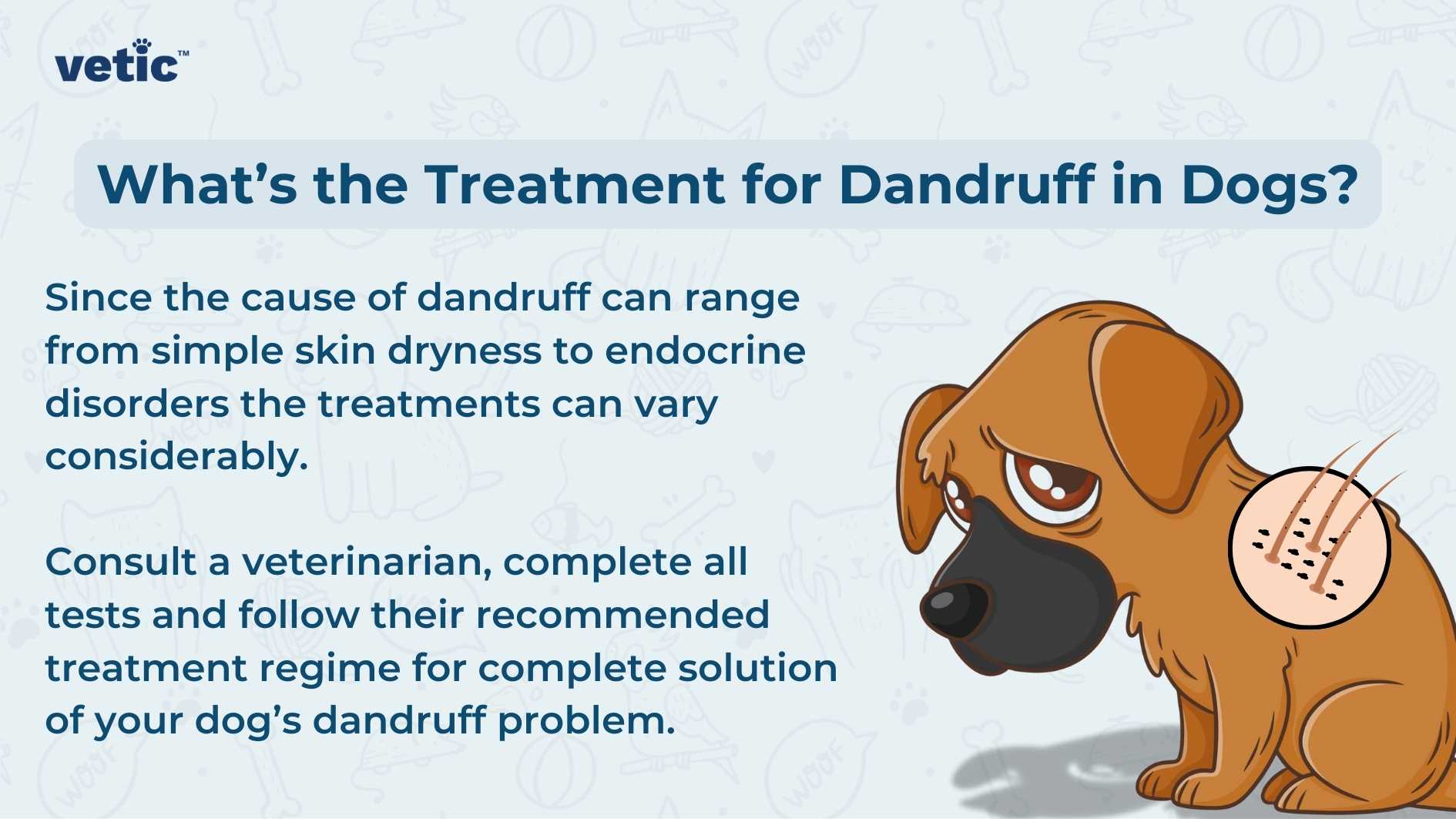
Image Source: vetic.in
Deciphering Dog Dandruff: What Causes Those Flakes?
Dandruff isn’t just one thing. It’s a sign that something is off with your dog’s skin health. Knowing the cause is the first big step in fixing it.
Common Causes of Dry Skin in Dogs
Many things can make your dog’s skin shed too much. Some causes are simple; others need a vet’s help.
- Dry Air: Cold weather and indoor heating dry out the air. This pulls moisture right out of your dog’s skin.
- Poor Diet: Skin needs good fats and nutrients to stay healthy. A diet low in healthy oils can cause flakes.
- Grooming Issues: Not brushing enough lets dead skin cells build up. Too much bathing, or using the wrong soap, can also strip natural oils.
- Allergies: Food or environmental allergies often show up on the skin. This can lead to itchiness and scaling.
- Parasites: Fleas, mites, or ticks irritate the skin badly. This irritation causes excess flaking.
- Infections: Bacterial or yeast infections thrive on irritated skin, making flakes worse.
- Seborrhea: This is a condition where the skin produces too much oil (oily seborrhea) or too little (dry seborrhea). Treating seborrhea in dogs often needs special medicated care.
When you see flakes, you are often seeing dog skin issues causing flakes. It’s important to look closely at the whole picture.
Step 1: Immediate Action with Bath Time
Bathing is often the quickest way to address loose flakes. But you must use the right products. Using human shampoo is a big no-no. Dog skin has a different pH level.
Choosing the Right Bath Products
The best shampoo for dog dandruff will soothe the skin and restore moisture. Look for ingredients that are gentle.
| Shampoo Type | Best For | Key Ingredients to Look For |
|---|---|---|
| Moisturizing/Oatmeal | Mild dryness, general flakes | Colloidal oatmeal, Aloe Vera |
| Medicated (Salicylic Acid) | Moderate scaling, Seborrhea | Sulfur, Salicylic acid |
| Antifungal/Antibacterial | Signs of infection | Benzoyl peroxide (use cautiously) |
How to Bathe for Maximum Relief
Bathing correctly helps lift the flakes without harming healthy skin.
- Pre-Soak: Let your dog get wet with lukewarm water for five minutes. This softens the dry skin.
- Apply Shampoo: Use a dime-sized amount of the best shampoo for dog dandruff. Lather gently. Do not scrub hard.
- Let it Sit: For medicated shampoos, let the product sit on the skin for 5 to 10 minutes. This gives the medicine time to work.
- Rinse Thoroughly: Rinse, rinse, and rinse again! Leftover shampoo residue is a major irritant.
- Drying: Pat your dog dry gently with a soft towel. Avoid rubbing too much.
If you are looking for canine dry skin remedies, frequent bathing (once or twice a week initially) with a gentle, moisturizing shampoo can make a big difference.
Step 2: Improving Your Dog’s Diet and Hydration
What goes in often shows up on the outside. Diet plays a huge role in skin health.
Essential Fatty Acids: The Skin’s Best Friends
Healthy skin needs good fats. Omega-3 and Omega-6 fatty acids are crucial for keeping skin supple and moist. These fats fight inflammation that leads to flakiness.
- Add fish oil supplements to your dog’s food. Look for products made specifically for pets.
- Choose high-quality dog food rich in these oils. Check the ingredient list for fish meal or flaxseed.
If your dog has dog skin issues causing flakes, check their food label first. Better nutrition is key to dog dandruff causes and cures.
Hydration Matters
Dehydration shows up fast in the skin and coat.
- Ensure your dog always has access to fresh, clean water.
- Change the water bowl daily. Some dogs prefer a filtered water fountain.
Step 3: Environmental Adjustments and Grooming Hacks
The air quality and how you care for your dog’s coat affect dryness too. These tips focus on how to moisturize dog’s coat externally.
Boosting Humidity Indoors
If you live in a dry climate or use heating a lot, the air is sucking moisture from your dog.
- Use a humidifier in the room where your dog sleeps most often. This adds moisture back into the air.
Brushing Techniques
Brushing is more than just making your dog look nice. It spreads natural skin oils across the coat.
- Brush daily, even for short-haired dogs. Use a soft brush first.
- If the skin seems very dry or irritated, try a rubber curry brush to gently stimulate blood flow.
- For managing crusty skin on dogs, a gentle brush can help lift those hardened scales before a bath.
Moisturizing Sprays and Rinses
Sometimes, a little extra help is needed between baths. These are great natural remedies for dog itchy skin.
- Leave-in Conditioners: Use a dog-safe, moisturizing leave-in conditioner spray. Apply it lightly to dry areas.
- Apple Cider Vinegar Rinse (Diluted): Mix one part ACV with three parts water. Use this after shampooing and before the final rinse. It helps balance the skin’s pH. Note: Do not use on broken or raw skin.
Step 4: When to Seek Professional Help
If you try the above tips for a few weeks and see no change, or if the flaking is severe, it is time to call the vet. Dandruff can hide bigger problems.
Recognizing Serious Skin Problems
You should see a vet quickly if you notice:
- Intense, constant scratching or chewing.
- Redness, sores, or bleeding on the skin.
- A foul odor coming from the skin or coat.
- Thick, waxy buildup, especially around the ears or groin.
- Hair loss along with the scaling.
These signs point toward underlying issues that need specific medical treatment, such as prescription shampoos or oral medication. Getting veterinary advice for dog scaling is crucial here.
Treating Underlying Medical Causes
Your vet will perform tests to pinpoint the exact cause. This might involve skin scrapings or blood work.
Common Diagnoses Needing Vet Care:
- Mange (Mites): Requires specific anti-parasitic medication.
- Hypothyroidism: An underactive thyroid can cause severe skin dryness. This is treated with lifelong medication.
- Seborrhea (Severe): If diet and moisturizing don’t work, prescription shampoos stronger than over-the-counter options may be needed for treating seborrhea in dogs.
Deep Dive: Fathoming Seborrhea in Dogs
Seborrhea is a condition where the skin has trouble producing the right amount of oil (sebum). It is one of the main reasons for persistent dandruff.
Primary vs. Secondary Seborrhea
- Primary Seborrhea: This is often inherited. It is common in breeds like Cocker Spaniels or Basset Hounds. The skin just makes too much or too little oil naturally. Treating seborrhea in dogs with primary forms is usually about long-term management.
- Secondary Seborrhea: This is caused by another problem, like an allergy, hormone imbalance, or infection. Fixing the underlying issue usually clears up the seborrhea.
If your vet suspects seborrhea, the treatment plan will focus heavily on specialized bathing routines using prescribed shampoos that control oil production or add necessary lipids back into the skin barrier.
Advanced Canine Dry Skin Remedies
For chronic, persistent flaking, owners often turn to advanced home care or specialized products. These are steps beyond basic oatmeal shampoo.
Topical Treatments for Itch Relief
If your dog is constantly licking or chewing due to irritation, you need to calm the skin down. These are effective natural remedies for dog itchy skin.
- Coconut Oil (Used Sparingly): Massaging a small amount of organic, unrefined coconut oil into dry patches can offer excellent moisturizing benefits. Use just a tiny bit, or the coat will become greasy.
- Green Tea Soaks: Cooled, steeped green tea (weak brew) has anti-inflammatory properties. You can use it as a final rinse or soak a cloth in it and gently dab it on irritated spots.
The Role of Omega Fatty Acids in Skin Health
We talked about diet, but let’s look closer at supplementation. Good supplements help how to moisturize dog’s coat from the inside out.
| Fatty Acid Source | Primary Benefit | Consideration |
|---|---|---|
| Fish Oil (Salmon/Anchovy) | High in EPA/DHA, strong anti-inflammatory | Ensure purity to avoid heavy metals. |
| Flaxseed Oil | Good source of Omega-3 (ALA) | Dogs convert ALA less efficiently than marine oils. |
| Evening Primrose Oil | Good source of Omega-6 | Supports healthy skin cell turnover. |
Always discuss supplement dosage with your veterinarian to ensure you are giving the right amount for your dog’s weight and condition. Too much fat can cause stomach upset.
Grooming: A Daily Defense Against Dog Dandruff Causes and Cures
Consistent grooming is vital for preventing that dry, flaky buildup. It is a non-medical defense that works wonders.
Why Brushing Works
Brushing physically removes dead skin cells before they turn into visible flakes. It also stimulates circulation to the skin. Better blood flow means healthier skin cells are produced. For dogs with thick coats, you need to make sure you are brushing down to the skin layer, not just skimming the top fur.
Bathing Frequency Adjustment
One of the biggest mistakes owners make is over-bathing. If your dog has dry skin, washing too often strips away necessary natural oils.
- If you are using a medicated shampoo for dog flaky scalp treatment, you might need to bathe twice a week for a short period.
- Once the flaking improves, drop back to bathing only once every three to four weeks, using a mild moisturizing shampoo in between any necessary spot cleans.
Managing Crusty Skin on Dogs: A Different Challenge
Sometimes dandruff isn’t just light flakes. It can turn into hard, thick, or managing crusty skin on dogs requires a more intensive approach.
Crusty skin often suggests a deeper issue, like long-term inflammation, a fungal infection, or even a skin tumor (though rare).
Action Plan for Crusts:
- Soften First: Before attempting to remove any crust, soak the area with warm water or a specialized, gentle moisturizing cream recommended by your vet. Let it sit for 10–15 minutes.
- Gentle Removal: Very gently try to lift the crust with a soft cloth or your fingers. Never pull or scrape hard, as this will cause pain and bleeding.
- Medication Application: Once the area is clean and soft, apply any prescribed topical ointments or steroids directly to the skin underneath the crust, as directed by your vet.
If crusting appears suddenly and covers large areas, skip the home remedies and head straight for the clinic for a proper diagnosis.
Quick Summary Checklist for Dry Skin Relief
Use this checklist for a fast overview of action items:
- Review Diet: Are you feeding high-quality food rich in Omega-3s?
- Hydration Check: Is fresh water always available?
- Shampoo Swap: Are you using a gentle, moisturizing, or prescribed shampoo?
- Brush Often: Are you brushing daily to spread oils?
- Humidity Check: Is the air too dry in your house? Use a humidifier.
- Vet Check: Have you seen a vet if flaking persists beyond three weeks?
By addressing diet, environment, and proper topical care, you are covering the main dog dandruff causes and cures. Most mild cases resolve quickly with consistent, gentle care. For more severe symptoms that require specialized dog flaky scalp treatment, professional veterinary partnership is essential.
Frequently Asked Questions (FAQ)
How long does it take to get rid of dog dandruff?
For mild, environmentally caused dandruff, you might see improvement within one to two weeks of consistent bathing and dietary changes. If the cause is medical (like allergies or seborrhea), managing crusty skin on dogs and treating the root cause could take several weeks to months of dedicated care following veterinary advice for dog scaling.
Can human dandruff shampoo harm my dog?
Yes. Human dandruff shampoos (like Head & Shoulders) contain ingredients like zinc pyrithione that can be toxic or highly irritating to dogs because dog skin pH is different. Always use a product labeled for dogs, especially those designed as canine dry skin remedies.
Is dry skin contagious to humans or other pets?
No. Dandruff itself—the flaking caused by dry skin—is not contagious. However, if the dandruff is caused by an infection (like ringworm or severe mites), those specific underlying conditions can be contagious.
What are the best natural remedies for dog itchy skin?
Effective natural remedies for dog itchy skin include regular brushing, adding fish oil to the diet, using colloidal oatmeal baths, and ensuring the indoor environment has adequate humidity.
What is the difference between dandruff and excessive shedding?
Dandruff is composed of dead skin cells, which are often dry, white, or slightly yellow flakes that stick to the hair. Shedding is the normal loss of hair strands. If the loss is accompanied by visible skin flakes, it points toward dog skin issues causing flakes.