
Can I fix dog urine spots on my lawn? Yes, you absolutely can fix dog urine spots on your lawn by flushing the area immediately, treating the affected soil, and then reseeding the damaged grass.
Dog urine spots are a common headache for pet owners. These yellow or brown circles, often called “dog pee spots on grass,” happen because dog urine is high in nitrogen. While nitrogen is a great fertilizer in small amounts, the high concentration in urine burns the grass roots, leading to dead or damaged patches. Fixing these spots requires quick action, soil treatment, and patience. This guide will help you learn how to revive dead grass from dog urine and keep your lawn green.
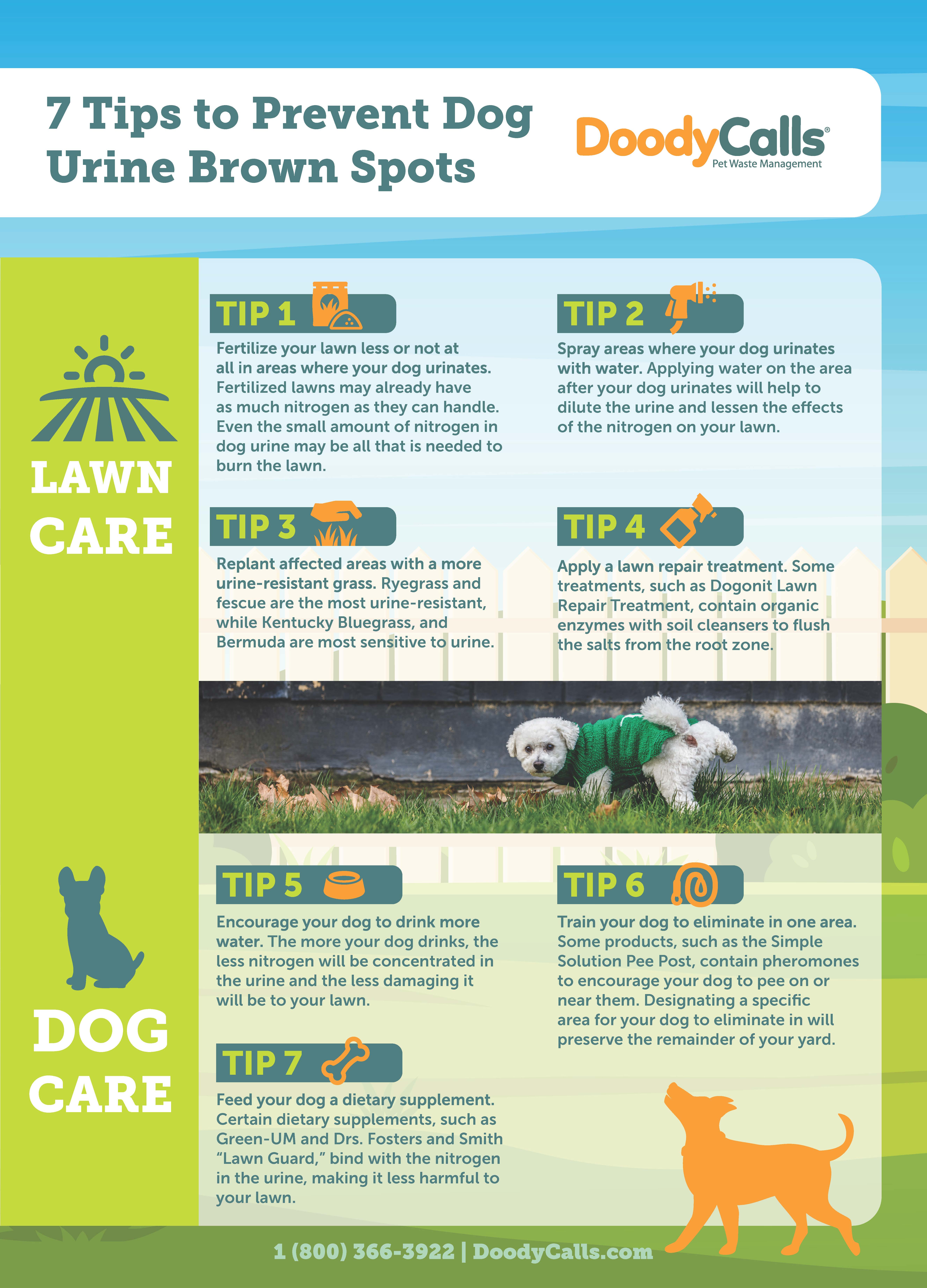
Image Source: www.doodycalls.com
Deciphering Why Dog Urine Kills Grass
To effectively treat yellow spots from dog urine, we first need to know the cause. Dog urine contains salts and compounds that, when concentrated, disrupt the grass roots.
The Role of Nitrogen and Salts
Think of a tiny bag of super-strong fertilizer. That’s what a patch of dog pee is for your lawn.
- High Nitrogen: Nitrogen helps grass grow green. Too much nitrogen, however, causes rapid burning. The grass blades get too much food too fast, and they die off.
- Salt Content: Urine also has high levels of salts. These salts pull water out of the grass roots, leading to dehydration and death, similar to a drought effect.
This dual action—burning from nitrogen and drying from salts—creates those telltale dead patches. You need methods to wash away the excess compounds and bring balance back to the soil.
Immediate Steps: Stopping the Damage Right Away
Speed is crucial when dealing with a fresh pee spot. If you catch your dog in the act, or soon after, you can often stop the damage before it starts. This is the first step in prevent dog urine burn spots.
Flush the Area Immediately
The most important step is dilution. You need to wash the concentrated urine out of the grass blades and soil.
- Grab a Watering Can or Hose: Use a gentle spray setting.
- Apply Water Generously: Water the spot for several minutes. You want to soak the area thoroughly. Aim to dilute the urine concentration down to safe levels.
- Frequency: If possible, flush the spot right after your dog urinates there. Do this daily for a few days if the spot looks stressed.
Flushing helps wash the nitrogen and salts deeper into the soil, away from the shallow grass roots.
Repairing Existing Damage: How To Fix Dog Urine Spots
If you already have brown or yellow spots, flushing alone might not be enough. You will need active treatment and repair. This section covers dog urine lawn repair for existing damage.
Step 1: Assess the Damage Severity
Not all spots are the same. Some are just slightly yellow; others are completely bare dirt.
- Yellow Spots: The grass is stressed but might recover with treatment and extra care.
- Brown or Dead Spots: The grass is dead. You must remove the dead material and replant.
Step 2: Treating Mildly Affected Areas (Yellow Spots)
For grass that is just turning yellow, you can try to save it by balancing the soil chemistry.
Natural Remedies for Dog Urine Grass Damage
Many homeowners look for natural remedies for dog urine grass damage before turning to chemicals. These methods focus on dilution and neutralization.
- Amending the Soil: You can add organic material like compost or topsoil to the yellow area. This helps absorb some of the excess salts and feeds the remaining healthy grass.
- Gypsum Application: Gypsum (calcium sulfate) is a safe, natural soil amendment. It helps break up compacted soil and can help flush out sodium (a key salt component in urine). Sprinkle a thin layer over the yellow area and water it in well.
Homemade Dog Urine Grass Killer Removal Solutions
Some people try homemade solutions to eliminate dog pee spots on grass. Be cautious; what saves grass in one spot might harm it in another.
| Homemade Solution | Purpose | Application Tip |
|---|---|---|
| Dish Soap & Water | Helps water penetrate compacted soil. | Mix a few drops of mild dish soap in a gallon of water. Water the spot well. |
| Corn Gluten Meal | Can suppress future weed growth and slowly release nitrogen. | Apply lightly to surrounding area, not directly on the dead spot. |
Important Safety Note: Avoid using vinegar directly on living grass. While vinegar neutralizes ammonia, its high acidity can kill healthy grass roots quickly.
Step 3: Repairing Dead Patches (Brown Spots)
If the grass is dead, you need to start fresh. This is the core of repairing brown patches from dog urine.
Aerate and Rake
- Rake Out the Dead Grass: Use a stiff rake to scrape away all the dead, brown grass and thatch down to the bare soil level. This opens up the soil for new seeds.
- Lightly Aerate: Gently poke holes in the soil with a garden fork or a simple aerator. This helps water and air reach the soil layers.
Soil Amendment for Heavy Damage
For spots severely damaged by high concentrations of urine, the soil itself might be too salty or depleted.
- Top Dressing: Mix a small amount of compost or fresh topsoil with a soil conditioner. Spread this mixture over the bare patch, mixing it lightly into the top inch of existing soil. This step is key for successful seeding.
Reseeding the Area
Once the area is prepped, it’s time to replant.
- Choose the Right Seed: Use a grass seed blend that matches your existing lawn type. If you have warm-season grass (like Bermuda), use warm-season seed. If you have cool-season grass (like Fescue), use cool-season seed.
- Spread the Seed: Sprinkle grass seed liberally over the repaired patch. Don’t pile it up; aim for even coverage.
- Cover Lightly: Lightly cover the seed with a thin layer of peat moss or straw. This keeps the seeds moist and protected.
- Keep it Moist: Water gently and frequently (often 2–3 times a day with a fine mist) until the new grass sprouts. Once sprouted, reduce watering frequency but increase the amount of water each time.
Choosing the Best Products for Lawn Repair
Sometimes, DIY fixes are not strong enough, especially for large or frequent problem areas. You might need commercial products designed for this exact issue. This leads to the question: What is the best pet urine remover for lawn treatments?
Commercial products usually fall into two categories: neutralizers and lawn restorers.
Soil Neutralizers
These products work to counteract the harsh elements in the urine immediately after your dog goes.
- Enzymatic Cleaners: These use good bacteria and enzymes to “eat up” the organic waste and break down the salts and ammonia in the urine. They are very effective for surface stains and odor.
- Ammonia Neutralizers: These contain ingredients that chemically react with the ammonia, turning it into a less harmful compound.
Lawn Repair Kits
These kits often combine grass seed, fertilizer, and soil conditioners into one bag designed specifically to patch pet damage. They are excellent for dog urine lawn repair because they give the new seed everything it needs to establish quickly in compromised soil.
| Product Type | Pros | Cons |
|---|---|---|
| Enzymatic Sprays | Quick action, breaks down odor, safe for grass. | Must be applied immediately after urination. |
| Soil Amendments (e.g., Gypsum) | Natural, improves soil structure over time. | Slower results, requires thorough watering. |
| Lawn Repair Seed Blends | Convenient, designed for tough spots. | Requires soil prep first. |
Odor Control: How to Neutralize Dog Urine Odor in Grass
Beyond the visible spots, lingering odors can be a major issue, especially after heavy rain or in hot weather. Learning how to neutralize dog urine odor in grass is vital for overall lawn enjoyment.
The smell comes mainly from the breakdown of urea into ammonia.
Utilizing Enzymes for Odor
Enzymatic cleaners are your best friend here. They break down the organic compounds that cause the smell.
- Saturate the Area: Apply the enzymatic cleaner liberally to the affected spot and the surrounding turf.
- Allow Dwell Time: Do not water immediately after application. Let the enzymes work on the waste material for several hours, or as directed by the product label.
- Natural Deodorizing: For a quick fix, liberally apply plain baking soda (sodium bicarbonate) to the area, let it sit for an hour, and then rinse thoroughly. Baking soda is a well-known, gentle deodorizer.
Long-Term Strategy: Prevention is Key
The best way to fix dog urine spots is to prevent them from happening in the first place. Preventing burn spots requires training your dog and modifying your yard habits.
Training Your Dog to Go in Specific Areas
This takes consistency but pays off hugely for your lawn health.
- Designate a “Potty Zone”: Choose an area of your yard that is less visible or already contains mulch, gravel, or a less precious patch of grass.
- Leash Training: When taking your dog out, keep them on a leash and lead them directly to the designated spot.
- Reward Success: When your dog urinates in the correct spot, praise them heavily and offer a high-value treat immediately. Positive reinforcement works best.
- Distraction/Redirection: If you see your dog starting to circle or squat in the middle of the lawn, quickly interrupt them (a sharp clap, not a scary yell) and lead them to the potty zone.
Dietary Adjustments
Sometimes, the urine is extra damaging because of the dog’s diet. Extreme urine burn can sometimes signal an issue that needs a vet visit.
- Increase Water Intake: Ensuring your dog drinks plenty of fresh water helps dilute the urine naturally before it hits the ground.
- Diet Review: Talk to your vet about your dog’s food. Diets high in protein or certain minerals can result in more concentrated, damaging urine. Some specialized dog foods claim to help reduce urine burn severity by balancing pH levels.
Lawn Hardiness and Genetics
Some grass types handle pet waste better than others.
- Tolerant Grasses: Tall Fescue and perennial Ryegrass tend to be more tolerant of pet traffic and mild urine exposure than Kentucky Bluegrass. If you have chronic issues, consider overseeding with a pet-friendly blend.
Reconsidering Lawn Replacements: Artificial Turf
For the most dedicated pet owners with multiple dogs or those facing severe, constant damage, it might be time to think about alternatives. While real grass is lovely, artificial turf offers a permanent solution to eliminate dog pee spots on grass and the associated odors.
Modern artificial turf systems are designed with drainage layers that allow pet waste to pass through easily. Odor control systems, often involving specialized infill and top dressing, keep the surface fresh. While the initial cost is high, the ongoing maintenance and repair costs for a natural lawn often balance the equation over time for heavy pet use.
FAQ Section on Dog Urine Lawn Repair
Here are common questions people have about dealing with pet urine damage.
Q1: How soon after my dog pees can I treat the spot?
A: The sooner, the better. Within minutes is ideal. If you can flush the spot immediately with a gallon or two of water, you can wash away most of the damaging concentration. If you wait hours, the salts and nitrogen will have already started to damage the grass roots.
Q2: Will regular lawn fertilizer fix the brown spots?
A: No, standard lawn fertilizer will likely make the brown spots worse. Brown spots are caused by too much nitrogen and salt, and adding more fertilizer will continue to burn the stressed grass. You must first flush the area, wait for the dead grass to be removed, and then apply a new, balanced seed mixture.
Q3: Can I use lime to treat dog urine spots?
A: Lime (calcium carbonate) is used to raise the soil pH, making it less acidic. Dog urine is usually slightly alkaline, so adding lime might not be the most direct solution unless your soil is already very acidic. Gypsum is often a better, safer choice for neutralizing salts in pet waste areas without drastically changing the soil pH balance needed for grass growth.
Q4: Is it better to use vinegar or hydrogen peroxide on yellow spots?
A: Both have proponents, but both carry risks. Vinegar is acidic and can kill the grass if used too strongly. Hydrogen peroxide can temporarily oxygenate the soil but can also harm beneficial microbes. If you are trying to save yellowing grass, flushing with plain water and applying a light layer of compost is safer than strong chemical treatments.
Q5: How long does it take for grass to grow back after a severe burn spot?
A: If the soil is properly prepped (raked, amended, and reseeded), new seedlings can appear in 7 to 14 days, depending on the grass type and weather. However, it usually takes 4 to 6 weeks for the new grass to establish enough to handle light traffic. Full recovery can take a full season.
Summary of Dog Urine Lawn Repair Tactics
Successfully managing dog urine spots involves a three-pronged approach: immediate response, active repair, and ongoing prevention. By diligently flushing fresh spots, meticulously repairing dead patches, and employing training techniques, you can maintain a beautiful lawn despite your furry companion’s habits. Remember that dog urine lawn repair is an ongoing effort, but with the right tools and knowledge, you can keep those yellow spots at bay and enjoy a lush yard all year long.