
How do I effectively de-shed a dog? You effectively de-shed a dog by using the right tools, establishing a regular grooming routine, bathing them with proper products, and sometimes seeking professional help. This guide will give you the best tips now to reduce the hair all over your house. Dealing with excessive dog shedding can feel like a constant battle, but with the right methods, you can win.
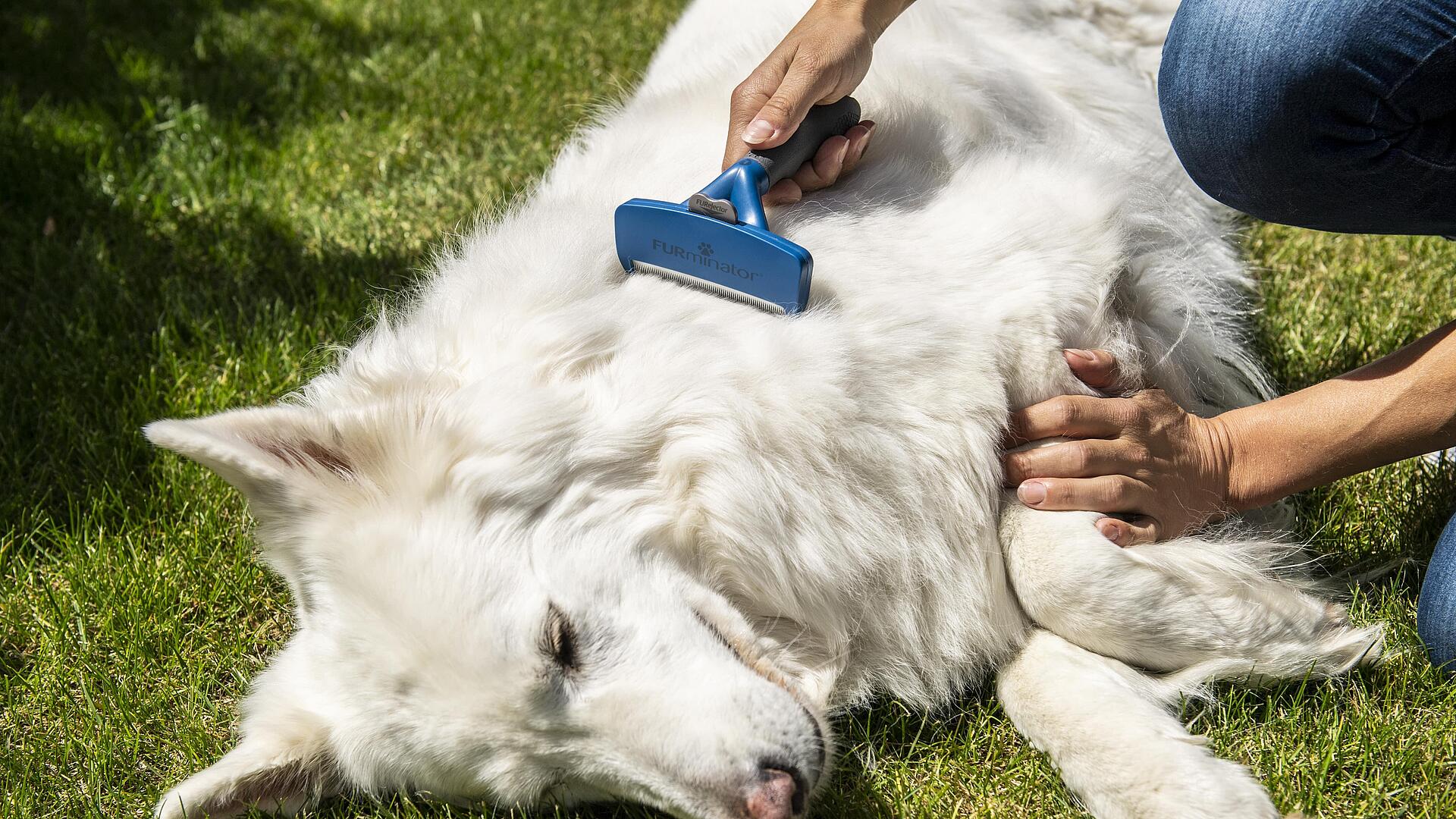
Image Source: www.furminator.net
Why Does My Dog Shed So Much?
Shedding is normal for most dogs. It helps them get rid of old or damaged hair. Some breeds shed more than others. For example, Huskies and Labradors shed a lot year-round. They also have heavy seasonal “blows” twice a year.
The main reasons for shedding include:
- Seasonal changes (spring and fall).
- Natural hair growth cycles.
- Diet and nutrition.
- Stress or anxiety.
- Skin problems or allergies.
If you notice sudden, patchy, or very heavy shedding outside the usual times, talk to your vet. This might point to a health issue.
Essential Tools for Managing Dog Hair
To get the most out of your efforts, you need the right gear. Using the wrong brush can just move hair around or irritate your dog’s skin. Here are some of the best dog de-shedding tools to keep on hand.
The Power of Specialized Brushes
Different coats need different tools. A short-haired dog needs different care than a fluffy one.
Undercoat Rake for Dogs
The undercoat rake for dogs is a game-changer for double-coated breeds (like German Shepherds or Golden Retrievers). This tool has long, strong teeth that reach deep into the thick undercoat.
- It pulls out dead, loose fur without cutting the topcoat.
- Use it gently, following the direction of hair growth.
- It is key for removing loose dog fur trapped near the skin.
De-Shedding Blades (Deshedders)
These tools are famous for a reason. They have fine, specially shaped blades. They grab loose undercoat hair very efficiently.
- Use these tools only on dry coats.
- Be very gentle, especially on sensitive areas like the belly or behind the ears.
- They work best when the dog is already brushed lightly.
Slicker Brushes
These brushes have fine, short wires close together. They are good for general use and removing surface tangles.
- Great for medium-to-long-haired dogs.
- Helps lift surface hair before using a deeper tool.
Rubber Curry Brushes or Grooming Mitts
These are fantastic for short-haired breeds (like Boxers or Beagles). They feel like a massage to the dog.
- They stimulate the skin and bring loose hair to the surface.
- Excellent for use during bath time to really work the best shampoo for dog shedding in.
Mastering Grooming Techniques for Shedding Dogs
Regular grooming is the best defense against hair everywhere. If you want to know how to reduce dog shedding significantly, consistency is vital.
The Importance of Routine
Shedding management is not a one-time fix; it is a lifestyle change.
- Daily Brushing: For heavy shedders, quick daily brushing prevents massive buildup. Even five minutes can make a difference.
- Deep De-Shedding Sessions: Plan for a deep session with specialized tools once or twice a week, especially during peak shedding seasons. This determines the frequency of de-shedding a dog.
Step-by-Step De-Shedding Process
Follow these steps for the most effective results:
- Pre-Brush: Use a slicker brush or pin brush to remove surface tangles and mats. Never use deep tools on a tangled coat.
- Raking: Use the undercoat rake for dogs to go through the coat in sections. Work slowly from the skin out. Stop if you see any red skin irritation.
- Finishing: Use a regular bristle brush or grooming mitt to smooth the coat and pick up any remaining stray hairs.
Brushing Outdoors is Best
When performing deep de-shedding sessions, try to work outside if possible. This keeps the mess contained. If you must groom indoors, lay down a large sheet or tarp first.
The Role of Bathing in Hair Removal
Bathing helps loosen dead hair that brushing alone cannot reach. The combination of warm water and specialized products makes a huge difference. This is a key part of grooming techniques for shedding dogs.
Choosing the Right Shampoo
Selecting the best shampoo for dog shedding is crucial. You want products designed to moisturize the skin and release the dead undercoat.
- De-Shedding Formulas: Look for shampoos specifically marketed as de-shedding or “de-furring.” These often contain ingredients like Omega-3 fatty acids that promote coat health.
- Avoid Harsh Chemicals: Very strong clarifying shampoos can dry out the skin, leading to more shedding as the body tries to compensate.
- Moisturizing Conditioners: Always follow shampoo with a good conditioner designed for dogs. Healthy skin holds onto hair better.
The “Blow Out” Bath Technique
This technique uses water to force out dead fur during the bath.
- Wet Thoroughly: Soak your dog completely.
- Apply Shampoo: Lather up using a rubber curry brush or mitt. Massage deeply into the skin.
- Rinse and Massage: Rinse thoroughly. As you rinse, use your fingers or the rubber brush to gently pull out large clumps of loosened undercoat.
- Conditioner Soak: Apply conditioner and let it sit for the time specified on the bottle. This softens the dead hair, making it easier to rinse away.
- Final Rinse: Rinse until the water runs perfectly clear.
Drying Matters
Drying is just as important as washing. Air drying leaves moisture trapped, which can lead to hot spots.
- Towel Dry: Squeeze out as much water as you can.
- High-Velocity Dryer (Recommended): These dryers shoot a powerful stream of air that literally blasts the remaining water and dead hair out of the coat. This is often how groomers achieve amazing results. It is highly effective for removing loose dog fur trapped deep down.
Addressing Diet and Internal Health
What goes into your dog shows up on the outside. Poor diet is a common, fixable cause of dealing with excessive dog shedding.
Top Nutrients for a Healthy Coat
A shiny, strong coat sheds less. Focus on high-quality food rich in specific nutrients.
| Nutrient | Benefit for Coat Health | Food Sources |
|---|---|---|
| Omega-3 Fatty Acids | Reduces inflammation; strengthens hair follicles. | Fish oil, flaxseed, salmon. |
| Protein | Hair is made of protein; essential for growth. | Quality meat sources (chicken, beef, fish). |
| Vitamin E | Antioxidant; supports skin barrier function. | Eggs, certain oils. |
| Zinc | Key for skin repair and oil gland function. | Meat, nuts, legumes. |
Supplements
If your dog’s food is generally good but you still struggle with shedding, supplements might help. Fish oil supplements are the most commonly recommended for skin and coat health. Always consult your veterinarian before starting any new supplement to ensure correct dosage.
Seeking Professional Help
Sometimes, home care isn’t enough, or you just don’t have the time for the heavy work required during “shedding season.” This is when a professional dog de-shedding service comes in handy.
What Groomers Do Differently
Professional groomers have access to industrial-strength tools and high-powered dryers that pet owners usually do not.
- Specialized Tools: They often use professional-grade clippers and specialized rake systems.
- Force Drying: High-velocity dryers are incredibly effective at blowing out large amounts of dead undercoat in one session, often removing more hair than hours of home brushing.
- Expertise: A groomer can correctly assess your dog’s coat type and determine the exact tools and frequency of de-shedding a dog needs.
If you have a heavily coated breed, booking a professional de-shedding treatment every 6 to 10 weeks during peak seasons can drastically reduce the hair in your home.
Exploring Natural Remedies for Dog Shedding
Many pet owners prefer gentler approaches. While supplements fall under diet, some lifestyle changes also act as natural remedies for dog shedding.
Hydration is Key
Dehydration stresses the body, which can result in poor coat quality and increased shedding. Ensure your dog always has access to fresh, clean water. For dogs who don’t drink enough, try adding water to their dry food or using a filtered water fountain to encourage drinking.
Stress Reduction
Anxious dogs often shed more. Major environmental changes, separation anxiety, or fear can trigger a heavy coat blow.
- Provide safe spaces and comfortable bedding.
- Ensure adequate exercise and mental stimulation.
- Use calming aids (like pheromone diffusers) if anxiety is a known issue.
Appropriate Coat Length
While you should never shave a double-coated dog (it can ruin their natural temperature regulation), keeping the coat trimmed to an appropriate length can help manage the volume of hair. Discuss safe clipping techniques with your groomer or vet. Never shave a double-coated breed unless medically necessary.
Troubleshooting Common De-Shedding Issues
Even with the best tools, you might run into problems. Here is how to handle them.
Problem 1: Dog Hates Being Brushed
If your dog resists brushing, you must start slow and make it positive.
- Start Small: Touch them with the brush for one second, then immediately give a high-value treat.
- Use a Favorite Tool: Start with a rubber curry brush or mitt, which feels more like petting than brushing.
- Location Matters: Start brushing in an area they love being touched, like the chest or shoulders, rather than sensitive spots like the tail base or legs.
Problem 2: Brush Snags or Pulls
If your brush is snagging, it means there are tangles or mats that the tool is too aggressive for.
- Stop immediately.
- Use your fingers or a wide-toothed comb to gently separate the tangle first.
- If the mat is tight near the skin, use scissors to carefully cut the mat away, or call a professional. Pulling causes pain and damages the coat.
Problem 3: Excessive Shedding Despite Effort
If you are diligent but still losing massive amounts of hair, you must look deeper.
- Check the Diet: Are they getting enough quality protein and fats?
- Vet Check: Rule out fleas, ticks, mites, hormonal imbalances (like thyroid issues), or internal parasites.
Maintaining Different Coat Types
The approach needs to change based on the dog’s coat texture.
Short, Smooth Coats (e.g., Pit Bulls, Pointers)
These dogs shed constantly but don’t require deep raking.
- Best Method: Daily rubber mitt or short-bristle brush massage.
- Focus: Keep skin healthy with bathing using the best shampoo for dog shedding formula every 3-4 weeks.
Double Coats (e.g., Huskies, Pomeranians, Shepherds)
These coats blow out twice a year and require serious attention to the undercoat.
- Best Method: Regular use of an undercoat rake for dogs and high-velocity drying after baths.
- Frequency: Intensive de-shedding every 2-4 weeks during seasonal changes.
Long, Silky Coats (e.g., Yorkies, Shih Tzus)
These dogs usually have a single, continuous coat but can mat easily. Shedding is less obvious because the dead hair gets caught in the longer topcoat.
- Best Method: Daily line brushing (brushing layer by layer) with a pin brush and metal comb to prevent mats.
- Focus: Preventing tangles is more important than blowing out an undercoat.
Summary of Key Takeaways to Reduce Shedding
To simplify your routine and maximize results in removing loose dog fur, remember these core principles:
- Tool Selection: Invest in quality tools like the undercoat rake for dogs for heavy shedders.
- Bathing Strategy: Use de-shedding shampoos and high-velocity drying to release trapped hair.
- Nutrition: Ensure a diet rich in Omega fatty acids.
- Consistency: Establish a reliable grooming techniques for shedding dogs schedule.
- Professional Backup: Don’t hesitate to schedule a professional dog de-shedding service when needed.
Frequently Asked Questions (FAQ) About Dog Shedding
Q1: Can I shave my double-coated dog to stop shedding?
No, you generally should not shave a double-coated dog unless instructed by a veterinarian for medical reasons. Their double coat acts as insulation, keeping them cool in summer and warm in winter. Shaving can damage the coat structure, leading to uneven regrowth, sunburn risk, and poor temperature regulation. You manage shedding by removing the dead undercoat, not by cutting the entire coat short.
Q2: How often should I use the undercoat rake for dogs?
The frequency of de-shedding a dog depends on the season and breed. During seasonal “blows” (spring and fall), you might use the rake weekly. During normal periods, once every two weeks is often sufficient for heavy shedders. Always stop if you see skin irritation.
Q3: Are there any effective natural remedies for dog shedding besides diet?
Yes. Ensuring excellent hydration is a key natural remedies for dog shedding. Regular, gentle massage using a rubber brush stimulates blood flow to the follicles. Keeping your dog cool and stress-free also minimizes unnecessary hair loss.
Q4: What is the difference between shedding and hair loss?
Shedding is the normal process of replacing old hairs with new ones, usually seasonally. Hair loss (alopecia) is abnormal, involving bald patches, thin spots, or excessive clumps falling out outside the normal cycle. If you notice hair loss, consult your vet to rule out allergies, parasites, or underlying illness.
Q5: Is it better to brush a dog when the coat is wet or dry?
This depends on the tool. For deep de-shedding tools like the undercoat rake for dogs, the coat should be dry or slightly damp (after towel drying post-bath). However, during the bath itself, water and shampoo help loosen the hair. For general maintenance, dry brushing is often preferred to avoid stretching wet hair, which can cause breakage.