
Yes, you can clean dog poop out of a carpet, and it doesn’t have to be a huge mess! Dealing with pet accidents is part of owning a dog, but knowing the right steps makes dog waste stain removal much easier. This guide will show you the best ways to handle both fresh and dried messes to keep your carpet clean and smelling fresh.
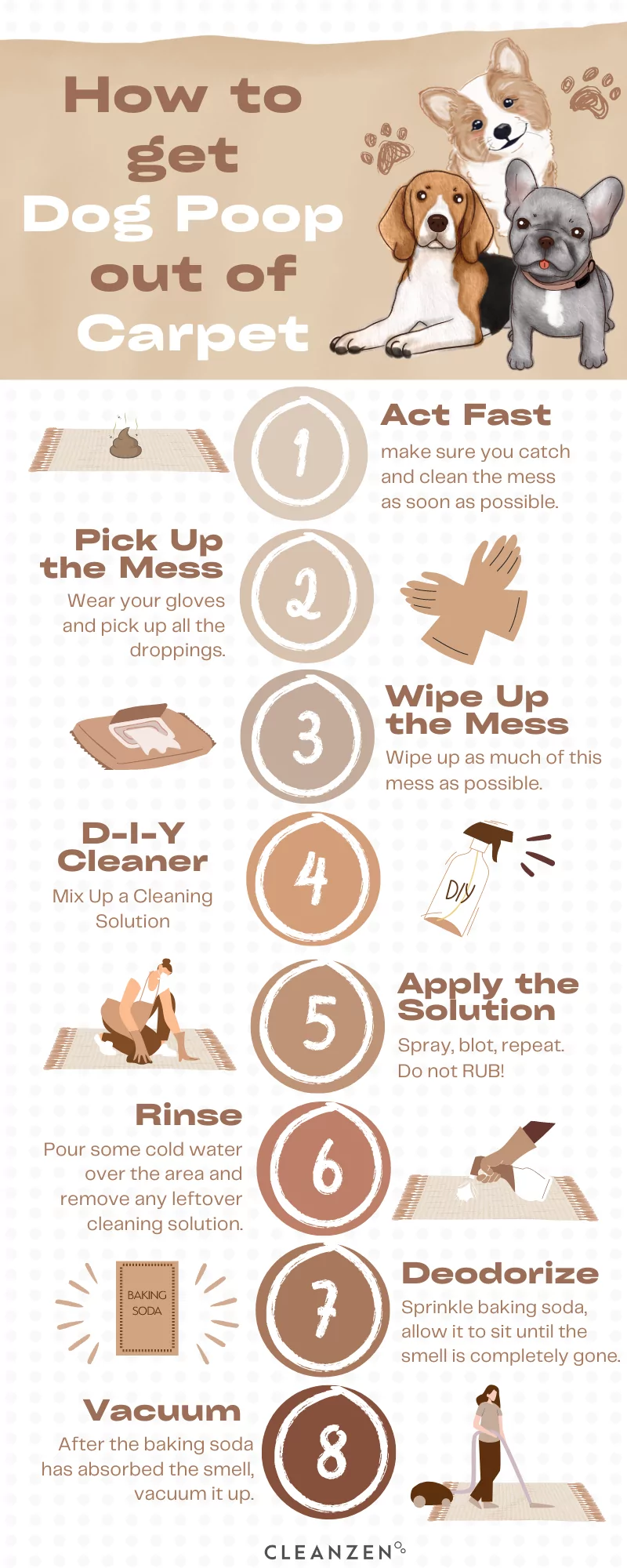
Image Source: cleanzen.com
Preparing for Pet Accident Cleanup
Before you grab any cleaner, you need the right tools. Having a good kit ready means you can act fast when accidents happen. Quick action is key for successful fresh dog poop stain on carpet removal.
Essential Cleanup Supplies
Gather these items before you start any pet accident cleanup tips for carpets:
- Gloves: Always protect your hands.
- Paper Towels or Old Cloths: You need a lot of these for blotting.
- Plastic Bag or Scoop: For picking up the solid waste.
- Blunt Tool: A dull knife or spoon edge works well to scrape.
- Cleaning Solution: We will discuss the best ones later.
- Water: Lukewarm water for rinsing.
- Old Towels or Rags: For final drying.
Dealing with Fresh Dog Poop on Carpet
When the accident is new, your main goals are to remove the bulk of the mess and stop the stain from setting deep into the fibers. Speed matters here.
Step 1: Remove the Solid Waste Safely
The first thing to do is get rid of the solid material. Do this gently to avoid pushing the mess deeper into the carpet backing.
- Put on your gloves.
- Use a plastic bag, an old piece of cardboard, or a dustpan to scoop up the bulk of the fresh dog poop stain on carpet. Try to lift it straight up.
- If you have very firm poop, you can use a dull knife or spoon edge. Hold the edge almost flat against the carpet. Gently push the stool onto the knife, working from the outside edge toward the center. Do not scrub! Scrubbing pushes the mess down.
Step 2: Blot the Remaining Residue
After scooping, some wet residue will remain. This is where blotting comes in.
- Take thick layers of paper towels or an old, clean rag.
- Press down firmly onto the soiled area. The towels will soak up the moisture and some remaining matter.
- Replace the towels often. Keep blotting until no more color or residue transfers to the paper. Always blot—never rub or wipe. This is crucial for successful how to lift dog stool from fibers.
Step 3: Apply a Cleaning Solution
Once the solids and most of the wetness are gone, you must treat the stain left behind. For remove pet feces from rug, a mild solution works best initially.
Basic Cleaning Solution Mix
You can make a simple, effective cleaner right away:
| Ingredient | Amount | Purpose |
|---|---|---|
| Warm Water | 1 cup | Base for the mixture. |
| Dish Soap (Clear, mild) | 1 teaspoon | Helps break down oils and dirt. |
| White Vinegar | 1 tablespoon | Mild acid helps lift stains and deodorize. |
- Mix these ingredients gently in a bowl. Do not create lots of suds.
- Lightly dampen a clean cloth with this solution. Do not soak the carpet.
- Gently blot the stained area with the damp cloth. Work from the outside edge of the stain inward. This stops the stain from spreading wider.
- Let the solution sit for about 5 to 10 minutes. This gives it time to work on the color left behind.
Step 4: Rinse the Area
You must remove all soap residue. Soap left in the carpet will attract new dirt later.
- Dampen a fresh, clean cloth with plain, cool water.
- Blot the treated area repeatedly to rinse out the soap mixture. You might need several rinses.
Step 5: Dry Thoroughly
Moisture breeds mildew and can damage the carpet padding.
- Place several dry, thick towels over the damp spot.
- Press down hard. You can even stand on the towels to absorb maximum moisture.
- Let the area air dry completely. If you can, use a fan to speed up the drying process.
Tackling Dried Dog Poop Carpet Cleaning
Dried dog poop carpet cleaning presents a different challenge. The stool has likely hardened and bonded with the carpet fibers. You need to soften it before removal.
Step 1: Soften the Dried Mess
You cannot just scrape dried material off; you will rip the carpet fibers. Softening is the key to how to lift dog stool from fibers when it’s old.
- Apply Heat and Moisture: Lightly spritz the dried mess with warm water. You want it damp, not soaking wet.
- Allow Dwell Time: Let the water sit for 10 to 15 minutes. This rehydrates the dried material.
- Alternative Softening: Some people use a small amount of hydrogen peroxide (test a hidden spot first!) or a diluted vinegar solution to help break down the dried matter.
Step 2: Gentle Removal of Solids
Once the mess is soft, you can remove it.
- Use the same dull scraping tool (spoon edge or credit card) used for fresh messes.
- Work very gently. Scrape upward, lifting the softened material away from the fibers. Go slowly.
- Blot up any softened residue immediately with paper towels.
Step 3: Stain Treatment for Old Marks
Dried messes often leave a dark stain that needs specific carpet cleaning solutions for dog poop. This is where specialized cleaning comes into play.
Enzymatic Cleaners for Odor and Stain
For old messes, especially if the dog has gone there before, odor is a major concern. Enzymatic cleaner for dog poop odor is the gold standard. These cleaners contain beneficial bacteria that “eat” the organic material causing the stain and smell.
- Follow the directions on the enzymatic cleaner bottle carefully.
- Saturate the stained area slightly more than you would with a simple soap solution.
- Let the cleaner sit for the recommended time—often several hours, sometimes overnight. Keep the area slightly damp (cover with plastic wrap if necessary to slow evaporation).
- Blot up the excess cleaner with clean towels.
- Rinse lightly with plain water and blot dry.
Choosing the Best Cleaning Solutions
Selecting the right chemical agents makes a big difference in stain removal success and odor control.
Commercial vs. Natural Remedies
There are two main paths for treating the stain itself: commercial products or natural remedies for dog poop stains.
Commercial Carpet Cleaning Solutions for Dog Poop
Many commercial products are formulated specifically for pet messes. Look for those labeled as “Enzymatic” or “Odor Eliminating.” These are highly effective for breaking down proteins and uric acid found in pet waste.
Pros of Commercial Cleaners:
- Specifically designed for organic stains.
- Often contain superior odor neutralizers.
- Usually tested for carpet safety (always spot-test!).
Natural Remedies for Dog Poop Stains
If you prefer to avoid strong chemicals, simple household items can work well, especially for mild stains.
Effective Natural Options:
- Vinegar Solution: As mentioned, diluted white vinegar (1 part vinegar to 3 parts water) works well as a mild disinfectant and deodorizer.
- Baking Soda Paste: For lingering smells, after cleaning the area, sprinkle a generous amount of dry baking soda over the spot. Let it sit for hours—even overnight—to absorb odors. Then, vacuum it up thoroughly. Baking soda is one of the best natural remedies for dog poop stains for smells.
- Hydrogen Peroxide (Use with Caution): A mild solution (1 part 3% peroxide to 4 parts water) can help lift stubborn color stains on light carpets. Crucially, test this first on an inconspicuous area, as peroxide can bleach darker fibers.
Advanced Stain Lifting Techniques
If the stain remains after initial treatments, you might need to employ specialized techniques to fully lift the dog waste stain removal.
The Poultice Method for Deep Stains
A poultice helps draw deep stains up out of the carpet fibers. This is a great technique for dried dog poop carpet cleaning stains that won’t budge.
- Create the Paste: Mix an absorbent material (like cornstarch, talcum powder, or unscented clay cat litter) with your chosen cleaning solution (enzymatic cleaner or a vinegar/water mix). You want a thick, peanut-butter-like consistency.
- Apply: Spread a thick layer of this poultice over the stain, ensuring it covers the entire area.
- Cover and Wait: Cover the poultice with plastic wrap and tape the edges down lightly to keep moisture in. Let it sit for 12 to 24 hours. The cleaning agent breaks down the stain, and the absorbent powder draws the released material upward.
- Remove: Remove the plastic wrap. Let the poultice dry completely. Once dry, gently scrape up the hardened material and vacuum the residue.
- Rinse and Dry: Blot the area with plain water and dry completely.
Using Steam Cleaners or Extractors
A wet vacuum or carpet extractor can be the best method to clean dog mess on carpet residue after initial spot treatments, especially for large or old messes.
- Only use a steam cleaner after you have physically removed all solid waste and treated the stain with a cleaner (enzymatic cleaners are often recommended for extraction machines).
- Use only clean water or the manufacturer’s recommended low-suds detergent.
- The suction power helps pull deep contaminants and cleaning residue out of the padding.
Preventing Future Pet Accidents
The best cleanup is the one you never have to do! Good training and proactive management can minimize accidents.
Litter Box Training for Dogs (Advanced Concept)
While rare, some owners train small dogs to use a designated indoor potty area, similar to a litter box, using puppy pads or artificial turf indoors. This contains the mess if outdoor access is impossible.
Recognizing Signs of Urgency
Learn your dog’s routine. Signs they need to go outside include:
- Pacing near the door.
- Sniffing the floor intensely in circles.
- Whining or restless behavior.
Address these signs immediately to prevent accidents.
Diet and Health Checks
Sudden, frequent, or unusual stool consistency often signals a dietary issue or a health problem. If your dog is frequently having accidents indoors, consult your veterinarian. Poorly digested food can lead to messier, softer stools that are harder to clean up.
Maintenance and Deep Cleaning Tips
Even after a successful spot clean, lingering odors can attract your dog back to the same spot. Addressing the smell is vital for long-term carpet health.
The Importance of Odor Neutralization
Stains are visible, but odors are often invisible traps. Dog urine and feces contain compounds like ammonia and uric acid. If these are not fully neutralized, your dog’s keen nose will detect them, encouraging repeat marking. This is why enzymatic cleaner for dog poop odor is non-negotiable for a complete job.
Routine Carpet Care
Regular, deep vacuuming removes loose debris and dander. If you have pets, consider vacuuming high-traffic areas daily or every other day.
When scheduling professional carpet cleaning, always inform the technicians that you have pets. They may use stronger deodorizers or specific pre-treatments that are safe for pet homes.
Deciphering Carpet Material Limitations
Different carpet materials react differently to cleaning agents. Knowing your carpet type guides your cleaning approach.
| Carpet Material | Cleaning Considerations | Best Practice |
|---|---|---|
| Nylon/Synthetic | Very durable; resists most stains well. | Can handle most standard carpet cleaning solutions for dog poop. |
| Wool | Natural fiber; sensitive to harsh chemicals and high heat. | Use mild, pH-neutral cleaners. Avoid strong vinegar concentrations or peroxide. |
| Olefin (Polypropylene) | Stain-resistant but can absorb oily soils easily. | Requires good pre-treatment to break down oils before extraction. |
Always check the manufacturer’s cleaning tags if possible before using any strong carpet cleaning solutions for dog poop.
Comprehensive Pet Accident Cleanup Tips for Carpets Summary
To achieve the best method to clean dog mess on carpet, follow this layered approach: physical removal, immediate staining treatment, and deep odor neutralization.
- Remove Bulk: Scoop or scrape solids gently.
- Blot Wetness: Use pressure, not scrubbing, to absorb residue.
- Treat Stain: Use mild soap/vinegar mix or commercial spot cleaner.
- Neutralize Odor: Apply an enzymatic cleaner liberally according to directions. This is key for dog waste stain removal.
- Rinse: Blot with plain water to remove all cleaning agents.
- Dry: Ensure the area dries quickly and completely.
Frequently Asked Questions (FAQ)
Q: Can I use bleach to clean dog poop stains?
A: No, you should never use bleach on carpet, especially if it’s wool or a colored synthetic. Bleach will permanently ruin the color of your carpet fibers. It is also very harsh and unnecessary when effective carpet cleaning solutions for dog poop exist.
Q: How long does it take for a fresh poop stain to become a dried stain?
A: This depends on humidity and ventilation, but usually, the moist part of a fresh dog poop stain on carpet can dry out and harden significantly within 12 to 24 hours, turning it into a dried dog poop carpet cleaning scenario.
Q: Are vinegar and baking soda truly effective for dog waste odor?
A: Yes, they are highly effective natural remedies for dog poop stains and odors. Vinegar neutralizes alkaline substances, and baking soda is a fantastic, safe deodorizer that absorbs smells as it dries. They are often used together in pet accident cleanup tips for carpets.
Q: What should I do if the mess soaked deep into the carpet padding?
A: If you suspect the mess went through the carpet backing into the padding, simple surface cleaning won’t work. You must use a high-quality enzymatic cleaner for dog poop odor and saturate the area heavily, allowing it time to penetrate. For severe soaking, you might need to lift a section of the carpet to treat the padding directly or call a professional.
Q: Is there a best way to clean up diarrhea or very soft stool?
A: For very soft messes, you must move quickly. Use paper towels to gently blot up as much of the liquid and solids as possible. Then, try to “lift” the remaining material by placing a thick pad of paper towels over the stain and pressing down hard, allowing the pad to absorb the moisture upward, before moving on to the liquid cleaning steps. This is part of how to lift dog stool from fibers efficiently.