
What is the main thing to remember when caring for a neutered dog? The main thing to remember is following your vet’s specific instructions for post-neutering recovery, especially regarding incision care and limiting activity. Caring for a neutered dog, whether male or female (sometimes referred to as caring for spayed dog when discussing females), is vital for a speedy and problem-free return to normal life. This guide will walk you through the essential steps for looking after your newly altered companion.
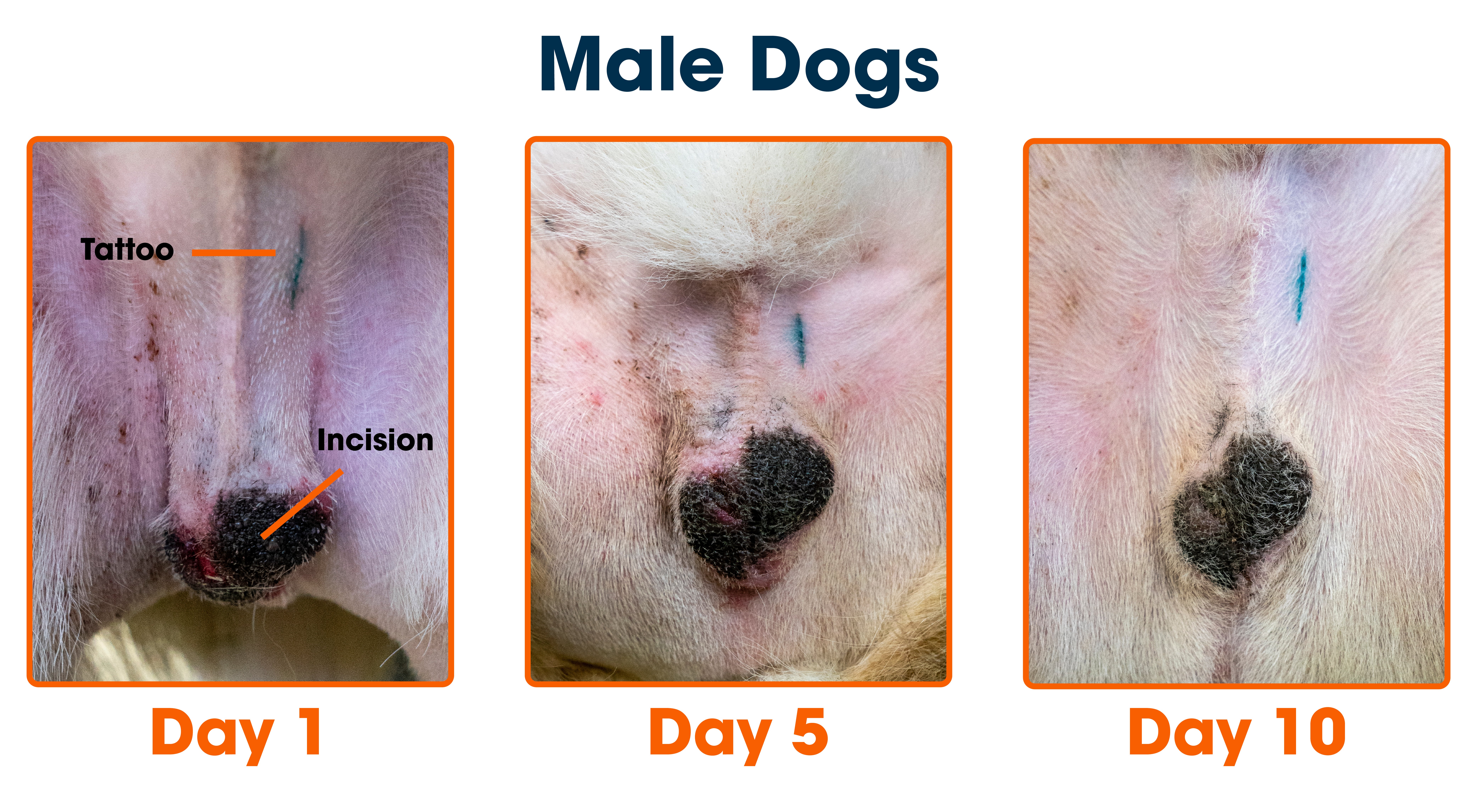
Image Source: www.aspca.org
The First 24 Hours: Immediate Post-Op Care
The first day home after surgery is critical. Your dog will likely be groggy, maybe a little wobbly, and possibly feel some discomfort.
Setting Up a Safe Recovery Area
Prepare a quiet, warm, and comfortable spot before you bring your dog home.
- Quiet Zone: Pick a place away from other pets and small children. Noise and excitement can cause your dog to move too much.
- Comfortable Bedding: Use soft, clean bedding. Elevate the bed slightly if it makes getting up easier for your dog.
- Keep Warm: Anesthesia can make dogs feel cold. Use a light blanket to keep them cozy.
Monitoring Anesthesia Effects
It takes time for the drugs to leave your dog’s system.
- Drowsiness: Expect your dog to be sleepy for 12 to 24 hours. This is normal.
- Shivering: Mild shivering can happen as their body temperature regulates.
- Nausea: Some dogs feel sick and may vomit once. If vomiting continues, call your vet.
- Appetite: Offer only a small amount of bland food and water the evening of surgery. If they eat too much too fast, they might vomit again.
Essential Incision Care for Neutered Dog
The surgical site needs careful watching. Proper incision care for neutered dog prevents infection and speeds healing.
Checking the Incision Daily
Look at the surgical cut once or twice a day. Check it gently.
- What is Normal: A little redness or slight swelling right around the edges is usually fine for the first few days. There might be a tiny bit of clear or slightly pinkish discharge initially.
- Signs of Trouble: Call your vet immediately if you see any of these:
- Heavy bleeding or oozing.
- Pus or thick, yellowish/green discharge.
- The incision opening up or looking wide.
- Severe swelling that spreads far beyond the cut.
- A foul smell coming from the wound.
Keeping the Area Dry and Clean
Keeping the wound dry is the number one rule for healing.
- No Baths: Do not bathe your dog or let the incision get wet for at least 10 to 14 days, or as long as your vet advises. Water carries germs.
- Cleaning: Usually, no cleaning is needed. If your vet suggests wiping it, use only mild saline solution or as directed. Do not use hydrogen peroxide or alcohol, as these can damage healing tissue.
The Importance of the “Cone of Shame”
The cone of shame for neutered dog (an Elizabethan collar or E-collar) is essential protection.
- Stop Licking: Dogs naturally lick wounds. Licking introduces bacteria and can pull out stitches, causing serious damage.
- Use It Always: The cone must stay on whenever you are not actively watching your dog. Even a quick glance away can lead to a damaging lick.
- Alternative Options: If the standard cone is too clumsy, ask your vet about soft, inflatable collars or surgical recovery suits that cover the area completely. However, the rigid cone is often the most effective barrier.
Activity Restrictions: Managing Movement
Limiting physical activity is one of the hardest but most important parts of post-neutering recovery. Too much movement stresses the stitches inside and out.
Exercise Restrictions After Neutering
Your dog needs enforced rest for about two weeks.
- Leash Only: For at least 10 to 14 days, walks should only be short, slow potty breaks on a leash. No running, jumping, or playing fetch.
- No Stairs: Try to block access to stairs. If they must use stairs, carry them or use a sling to support their rear end.
- No Rough Play: Keep them away from other energetic dogs or animals that might encourage roughhousing.
- Jumping Check: Prevent jumping on or off furniture. Use ramps or help them up and down.
The Recovery Timeline
Recovery is a gradual process.
| Time Frame | Activity Level | Key Focus |
|---|---|---|
| Days 1-3 | Very restricted, mostly rest | Pain management and incision monitoring |
| Days 4-7 | Leash walks only (short) | Preventing self-trauma (licking/chewing) |
| Days 8-14 | Slow increase in gentle walking | Monitoring for delayed swelling or pain |
| After 14 Days | Gradual return to normal | Vet confirmation of full healing |
Nutrition and Weight Management
Altering a dog changes their body chemistry. Proper nutrition is key to long-term health, especially when managing weight in neutered dogs.
Diet for Neutered Male Dog (and Females)
Hormone loss slightly lowers a dog’s metabolic rate. This means they burn fewer calories doing the same activities.
- Calorie Adjustment: You must reduce the amount of food you feed them, or switch to a specific formula. Many owners do not adjust the food, leading to quick weight gain.
- Switching Food: Ask your vet about specialized “weight management” or “less active” dog foods. These foods have fewer calories but keep the same amount of necessary vitamins and protein.
- Feeding Schedule: Stick to a regular feeding time. Avoid free-feeding (leaving food out all day).
- Treat Control: Treats are often high in calories. Cut treat portions way down during the recovery period.
Managing Weight in Neutered Dogs
Weight gain is the most common long-term issue after neutering. Extra weight stresses joints and can lead to heart and breathing problems later in life.
- Portion Control: Measure every meal accurately. Do not eyeball the serving size.
- Weigh Regularly: Weigh your dog at home or at the vet monthly to catch any creeping weight gain early.
- Activity Restart: Once fully healed, gradually increase activity. Exercise restrictions after neutering end, but the need for consistent exercise begins!
Addressing Behavioral Changes in Neutered Dogs
Neutering removes the primary source of sex hormones. This results in some predictable behavioral changes in neutered dogs, though not all changes are immediate or dramatic.
What to Expect
- Reduced Roaming: Male dogs are far less likely to try to escape the yard to seek out females in heat.
- Less Marking: Urine marking inside the house often decreases, especially in males.
- Decreased Aggression: Hormonal aggression toward other intact males usually lessens. However, neutering does not fix aggression rooted in fear or learned behaviors.
- Calmness: Some owners report their dogs become slightly calmer overall because they are no longer driven by mating instincts.
Handling Post-Op Moods
In the days immediately following surgery, your dog might seem irritable or clingy due to pain medication and stress. This is temporary. Focus on comfort and gentle reassurance. Do not mistake temporary post-op crankiness for a permanent behavior shift.
Pain Management and Medication
Your vet will prescribe pain relief. Using it correctly ensures your dog is comfortable enough to rest properly.
Following Medication Schedules
- Don’t Skip Doses: Give pain medication exactly as directed, even if your dog seems fine. Keeping a steady level of pain relief prevents spikes in discomfort.
- Watch for Side Effects: Common side effects of pain meds include drowsiness, vomiting, or diarrhea. Report severe side effects to your vet immediately.
- No Human Meds: Never give your dog human pain relievers like Tylenol (acetaminophen) or Advil (ibuprofen). These are highly toxic to dogs.
Grooming and Hygiene During Recovery
Grooming must be minimal during the post-neutering recovery period.
- Brushing: Gentle brushing is fine, but avoid pulling hair near the incision site.
- No Shaving Near the Cut: Do not shave the fur around the incision yourself. The surgical site was shaved professionally, and the surrounding fur acts as a natural barrier.
- Keeping Clean: If your dog has a long coat, try to keep the fur away from the incision line using soft, loose bands (only if the vet approves and they do not cause irritation).
Navigating Common Complications After Dog Castration
While neutering is routine, complications can happen. Knowing what to watch for is crucial for early intervention.
Recognizing Surgical Issues
| Complication | Description | Action Required |
|---|---|---|
| Seroma | A soft, squishy pocket of clear fluid under the skin near the cut. | Usually resolves on its own. Monitor size; call the vet if it grows rapidly. |
| Hematoma | A pocket filled with blood, feels firm or hard under the skin. | Requires veterinary assessment; may need drainage. |
| Infection | Pus, foul odor, significant heat, or severe redness. | URGENT: Call the vet immediately for antibiotics/re-examination. |
| Hernia | Organs pushing through weakened abdominal wall tissue near the incision. | URGENT: Causes severe pain and blockage risks. Requires immediate vet attention. |
Caring for spayed dog incisions can sometimes involve testicular swelling if the procedure was an orchiectomy (removal of testicles). Swelling in the scrotum area is common for a few days post-surgery. Keep the dog calm and monitor for extreme hardness or heat, which suggests a hematoma.
Transitioning Back to Normal Life
The two-week rest period feels long, both for you and your dog. Patience is key.
The Follow-Up Appointment
Most vets schedule a recheck about 10 to 14 days after surgery.
- Stitch Removal: If non-dissolvable sutures were used, they will be removed at this visit.
- Final Check: The vet confirms the incision is fully healed internally and externally.
- Clearance: Only after this appointment can you safely resume full, normal exercise routines.
Reintroducing Activity Slowly
Once cleared, do not immediately throw a frisbee or go for a long hike.
- Start with slightly longer, slower walks.
- Introduce calm play sessions indoors.
- Gradually increase the intensity and duration over the next week. This lets healing tissues build strength slowly.
Practical Tips for Long-Term Care
Once the surgical site is healed, the focus shifts to lifelong health benefits associated with neutering.
Hydration Needs
Ensure your dog always has access to fresh, clean water. Increased rest and healing processes can sometimes affect water intake initially. If you notice excessive thirst or lack of drinking after the first 48 hours, mention it to your vet.
Comfort for Older or Larger Dogs
For large breeds or older dogs recovering, mobility aids can be very helpful during the enforced rest period.
- Slings/Harnesses: Use a belly sling or a rear-end harness to help support their weight when walking short distances, especially if stairs are unavoidable.
- Orthopedic Beds: Invest in a good orthopedic foam bed to support joints that are not getting their usual range of motion.
Summary of Neutered Dog Care Tips
Keep this checklist handy for the next two weeks:
- Limit activity strictly to short, leashed potty breaks.
- Keep the incision completely dry.
- Use the E-collar (cone) 24/7 unless supervised closely.
- Give all medications exactly as prescribed for pain.
- Monitor food intake and reduce portions slightly to prevent rapid weight gain.
- Check the incision twice daily for signs of infection or opening.
By following these specific neutered dog care tips, you help your companion recover quickly and ensure they enjoy a long, healthy life free from surgical complications.
Frequently Asked Questions (FAQ)
How long does it take for a neutered dog to fully heal?
While external stitches usually come out or dissolve around 10 to 14 days, internal healing takes longer. Most dogs can return to normal exercise after about 14 days, but full tissue strength restoration can take four to six weeks. Always follow your veterinarian’s specific timeline.
Can I bathe my neutered dog before the stitches are out?
No. Bathing introduces moisture and bacteria directly to the surgical site, significantly increasing the risk of infection or wound breakdown. Avoid all baths until your vet gives the final clearance, usually at the two-week checkup.
Why is my neutered male dog licking the area so much?
Licking is a natural instinct, but it’s dangerous post-surgery. The incision site feels strange, and the dog naturally wants to clean it. This is why the cone of shame for neutered dog is non-negotiable during recovery. Constant licking can remove stitches or cause severe infection.
Will my neutered dog gain weight?
It is very common for dogs to gain weight after being fixed because their metabolism slightly slows down, and their drive to roam or mate is gone. You must actively manage the diet for neutered male dog (and females) by controlling portions and ensuring consistent, moderate exercise once cleared by the vet.