
What is the most important part of caring for a dog after abdominal surgery? The most important part of caring for a dog after abdominal surgery is strictly following your veterinarian’s post-operative care plan, which includes managing pain, limiting activity, and carefully watching the surgical site for any problems.
Recovering from abdominal surgery is a big deal for your dog. These procedures, whether they involve spaying, removing a foreign object, or fixing an internal issue, require dedicated care at home. Good post-operative dog care makes all the difference in a fast and complete recovery. This guide will walk you through what you need to know step by step.
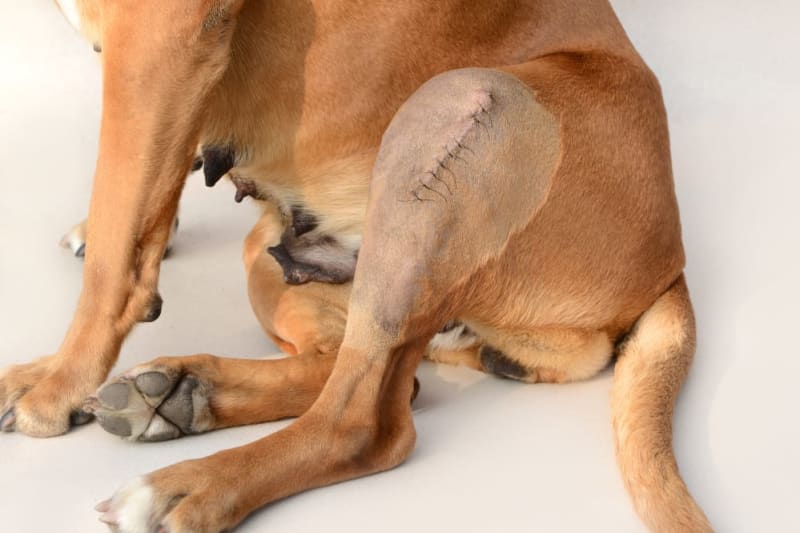
Image Source: www.guilfordjamestownvet.com
Initial Recovery: The First 24 to 48 Hours
The first couple of days are the most critical. Your dog is still feeling the effects of anesthesia and major surgery. Keep things calm and quiet.
Managing Anesthesia Effects
It is normal for dogs to seem groggy or disoriented after anesthesia. They might shake, whine, or act confused. This usually fades within 12 to 24 hours.
Dog vomiting after anesthesia can happen. A small amount of nausea is common. Do not offer a full meal right away. Offer small amounts of water first. If vomiting continues past the first day, call your vet right away.
Pain Control Is Key
Your dog needs good dog pain management after surgery. Your vet will send home medications. You must give these exactly as prescribed. Never skip a dose, even if your dog seems okay. Pain control helps your dog rest and heal better.
- Keep track of when you give each dose.
- Never give human pain medicine. It is poisonous to dogs.
- If your dog seems to be in pain (panting, restlessness, hiding), talk to your vet about adjusting the medicine.
Setting Up the Recovery Space
Your dog needs a safe, comfortable spot to rest away from chaos.
Creating a Quiet Haven
Choose a small, quiet room. This space should be easy to clean. Keep it warm but not too hot.
- Use a soft, supportive bed. Orthopedic foam works well for older dogs.
- Keep siblings or other pets away. Stress slows healing.
- Limit visitors. Too much excitement is bad right now.
Restricted Activity Dog Post-Surgery
This might be the hardest rule to follow, but it is vital. Stitches and internal healing need protection. Restricted activity dog post-surgery means no running, jumping, or rough play for the time period your vet sets (usually 10 to 14 days).
Activity Restrictions Checklist:
| Activity | Allowed/Not Allowed (First 10-14 Days) | Why? |
|---|---|---|
| Running or playing fetch | Not Allowed | Puts strain on stitches. |
| Jumping on/off furniture | Not Allowed | High impact can cause tears. |
| Walking up/down stairs | Limit strictly | Use a sling or carry if possible. |
| Leash walking for potty breaks | Allowed (slow and short) | Essential for bathroom needs only. |
Use a harness instead of a neck collar for walks initially. This avoids pressure near the surgical area.
Caring for the Surgical Incision
Canine abdominal wound care is essential to prevent infection. Look at the incision site daily.
Monitoring Incision Site Dog
Check the wound at least twice a day. Look for clear signs of trouble. Keep the area dry and clean.
What to look for when monitoring incision site dog:
- Slight redness: A little pinkness is normal at first.
- Minor swelling: A small amount of puffiness near the edges is expected.
- Clear, thin discharge: A tiny bit of clear fluid might ooze briefly.
If you see the following, call your vet right away:
- Heavy, thick, yellow, or green discharge.
- Foul odor coming from the incision.
- Edges of the cut pulling apart (gaping).
- Significant, spreading redness or heat when you touch it.
- Bleeding that soaks through bandages (if you have external sutures).
These are signs of infection dog incision or wound breakdown. Do not try to treat this yourself.
Keeping the Wound Dry
Keep the incision completely dry until your vet says it is okay to get it wet. This usually means no baths and no swimming for two weeks or more. Always keep the area clean by wiping gently with a damp cloth if it gets dirty, then pat dry.
The Role of the Dog Recovery Cone Usage
The Elizabethan collar, or “cone of shame,” is not optional. It protects the surgical site from licking, which is instinctual but very damaging.
Dog recovery cone usage is necessary 24/7. Dogs are very persistent in reaching their stitches. Licking introduces bacteria, breaks stitches, and causes severe irritation.
Tips for making the cone easier:
- Size it right: Ensure the cone extends a few inches past your dog’s nose so they cannot reach the incision even if they bend their neck.
- Use soft cones: Inflatable or soft fabric cones can be more comfortable for eating and resting.
- Supervise: When you take the cone off for short periods (like for supervised eating), watch closely. If you cannot watch them every second, the cone stays on.
If your dog seems extremely stressed by the cone, discuss alternatives like surgical recovery suits or tightly fitted t-shirts with your veterinarian. But always prioritize protection first.
Feeding Schedule After Dog Surgery
Your dog’s digestive system can be slow to wake up after anesthesia and surgery. Be patient with the feeding schedule after dog surgery.
Slow Reintroduction of Food
Do not give a full meal the evening after surgery. The gut needs time to restart.
Post-Surgery Feeding Guide:
- First Meal (Evening after surgery): Offer a very small amount—about one-quarter of their normal meal, or a tablespoon or two of bland food (like boiled chicken breast and plain white rice).
- Hydration Check: Watch to see if they keep the water down before offering food.
- Next Morning: If the first small meal stayed down, offer another small meal.
- Gradual Increase: Over the next 2 to 3 days, slowly increase the amount fed at each meal, watching for signs of nausea or vomiting. Return to the normal feeding schedule after dog surgery once they are eating well for a full 24 hours without stomach upset.
Bland diets are often recommended for a few days. Check with your vet for the best timing for returning to their regular food.
Monitoring Hydration and Elimination
Proper hydration and elimination are key signs of a healthy recovery.
Encouraging Urination Dog Post-Op
It is very important to know if your dog is peeing normally. Sometimes, lingering effects of anesthesia can temporarily suppress urine output.
If your dog has not urinated within 12 hours of waking up fully from anesthesia, call your vet. Take them outside frequently on a short leash to encourage them. Praise them heavily when they go. Keep water accessible but don’t force excessive amounts if they are reluctant to drink.
Monitoring Bowel Movements
Constipation is common after surgery due to pain medication, anesthesia, and reduced movement.
- Talk to your vet about a stool softener if needed.
- If your dog goes more than 48 hours without a normal bowel movement, contact your clinic.
- Watch for signs of straining without producing stool, which could signal an internal issue.
Pain Management Beyond Medication
While prescription pain meds are crucial, you can support your dog’s comfort in other ways.
Interpreting Dog Body Language for Pain
Dogs hide pain well. Learn to read subtle cues as part of your dog pain management after surgery approach.
Subtle Signs of Pain:
- Reluctance to stand or move.
- Hunched posture or tense belly.
- Panting when resting.
- Changes in appetite or drinking habits.
- Increased irritability or snapping when touched near the surgical area.
- Excessive licking or guarding the wound area.
If you notice these signs, check the medication schedule. If the medication seems ineffective, call the vet for advice on pain relief adjustments.
Managing Incision Care and Sutures
How the stitches are managed depends on whether they are internal or external. Always follow the specific instructions provided by your surgical team.
External Sutures and Staples
If your dog has external stitches or staples, they must remain dry. Your vet will tell you when they need to be removed, usually 10 to 14 days post-op.
Do not try to remove any sutures yourself. If you notice a stitch loosening or pulling out before the removal appointment, call the clinic immediately.
Dealing with Drains
Some abdominal surgeries require temporary drains to remove excess fluid.
- If your dog has a drain, follow instructions on covering and monitoring the collection bulb or tube carefully.
- Keep the drain site clean according to your vet’s directions.
- Never pull on the drain tube.
Long-Term Recovery and Reintegration
Recovery doesn’t end when the cone comes off. The internal healing process takes weeks or even months.
Gradual Return to Normal Activity
When your vet gives the go-ahead to increase activity, do it slowly. This ensures that muscle layers and internal tissues fully seal and strengthen.
Start with short, slow walks. Gradually increase the duration over the next few weeks. Avoid high-impact activities like running or long hikes for at least 6 to 8 weeks, even if your dog feels great. Premature intense exercise is a major cause of surgical site failure.
Dietary Adjustments Post-Surgery
Many dogs lose a bit of weight during recovery because they are less active or have nausea. Once the vet confirms full recovery, you can slowly transition back to their regular diet.
- If your dog is overweight, use this time as a chance to manage their weight under veterinary guidance. Reduced activity means they need fewer calories temporarily.
Comprehending Potential Complications
Even with the best post-operative dog care, complications can sometimes arise. Early recognition is vital.
Internal vs. External Issues
External issues are what you see (incision problems). Internal issues are harder to spot but more serious.
Warning Signs of Internal Problems:
- Lethargy: Extreme tiredness that lasts more than 48 hours after going home.
- Persistent Abdominal Pain: Crying when you gently touch the belly area, even days after surgery.
- Distended or Hard Abdomen: If the belly looks swollen or firm, this requires immediate attention.
- Refusing to Eat or Drink: If the appetite doesn’t improve by day three or four.
If you suspect internal issues, do not wait for the next scheduled appointment. Go to an emergency vet clinic.
Summary of Essential Post-Op Checks
Use this table as a quick reference for your daily checks:
| Area to Check | Frequency | Normal Signs | When to Call Vet Immediately |
|---|---|---|---|
| Incision Site | Twice Daily | Small pinkness, dry edges. | Discharge (yellow/green), gaping, foul smell. |
| Appetite/Thirst | Continuously | Slowly increasing water intake; eating small meals. | Refusing all food/water for over 24 hours. |
| Urination | Every time they go out | Several normal urinations daily. | No urine produced within 12 hours. |
| Activity Level | Continuously | Quiet, sleeping more than usual. | Extreme restlessness or inability to get up. |
| Pain Signs | Continuously | Quiet, resting comfortably. | Panting, hiding, crying when approached. |
Frequently Asked Questions (FAQ)
Q: How long until my dog can sleep on their side after abdominal surgery?
A: Most dogs can sleep in their preferred positions once the initial grogginess wears off, usually within 24-48 hours. However, they might naturally avoid lying on their belly if it causes discomfort. Use supportive bedding to make side-lying more comfortable while respecting any hesitancy they show.
Q: Can I use human antibiotic cream on my dog’s incision?
A: Absolutely not. Never apply any human medication, including antibiotic creams, to your dog’s surgical site unless specifically instructed by your veterinarian. Human products can be toxic if licked, and they can interfere with the healing process of the specialized surgical closure.
Q: My dog keeps trying to lick around the edges of the cone. What should I do?
A: If your dog is focused on licking the edges, they might be getting close enough. First, ensure the cone is properly sized. If it is sized correctly and they are still persistent, increase supervision. Sometimes, temporarily covering the area with a clean t-shirt (if the incision is fully covered by fabric and not irritated by the friction) or switching to a soft, inflatable collar can help redirect their attention. Licking must be stopped immediately.
Q: How long will my dog need pain medication?
A: The duration varies based on the surgery complexity. Typically, strong prescription pain medications are needed for the first 3 to 7 days. After that, the vet might transition you to an over-the-counter medication (like dog-specific NSAIDs) or stop medication entirely, depending on your dog’s progress. Always follow the tapering schedule given by your vet.
Q: What if my dog eats something they shouldn’t while recovering?
A: If your dog manages to eat something inappropriate (like a piece of trash or a toy) during the recovery phase, monitor them closely for signs of blockage, especially if they show signs of vomiting or severe lethargy. Since their internal tissues are compromised, ingesting foreign objects carries a higher risk. Call your veterinarian immediately for guidance.