
Can I calm my dog during a thunderstorm? Yes, you absolutely can calm your dog during a thunderstorm by using proactive measures, environmental adjustments, and supportive training techniques. Dealing with dog anxiety thunderstorm is a common challenge for many pet owners. The loud booms, flashing lights, and sudden pressure changes during a storm can trigger intense fear and panic in our canine companions. This guide offers deep insights and practical steps to help manage and reduce your dog’s distress when storms roll in.
Image Source: lookaside.fbsbx.com
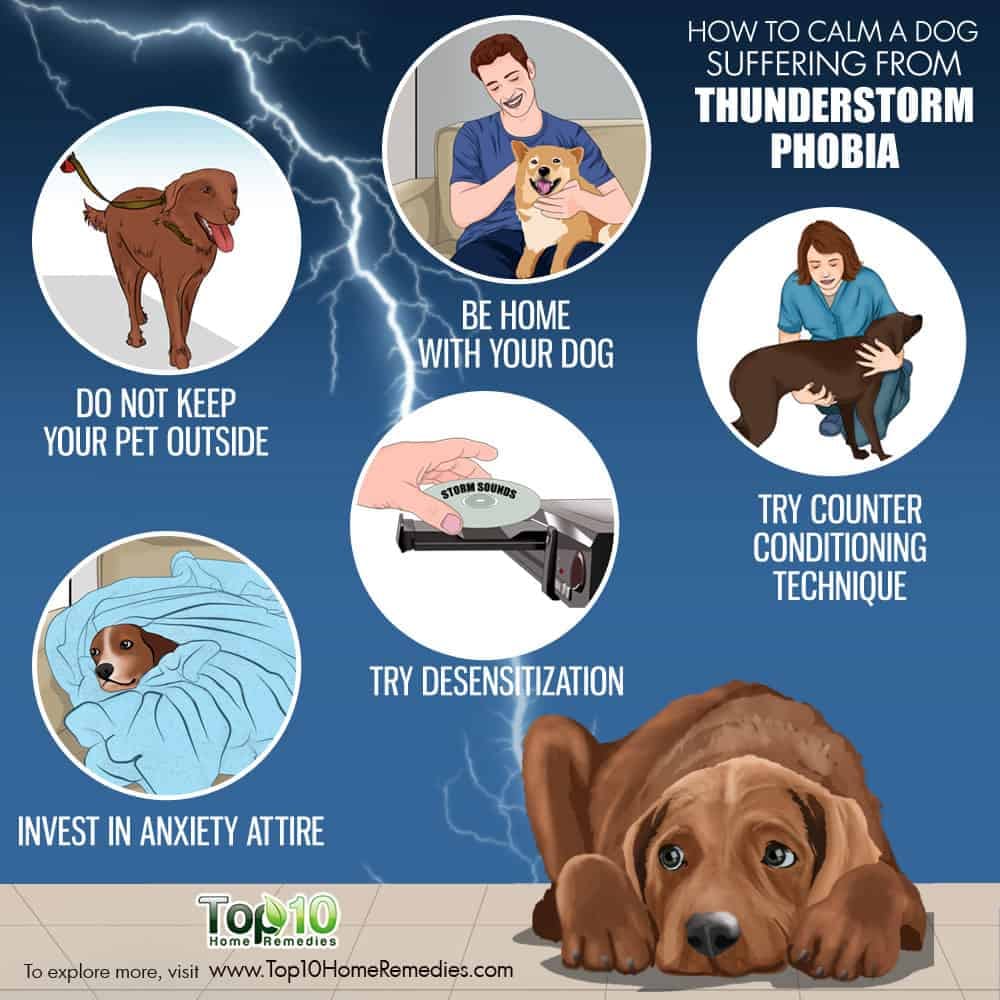
Recognizing Signs of Storm-Related Stress
First, it is vital to spot the warning signs that signal your dog is starting to feel uneasy. Early detection allows you to step in before the fear escalates into full-blown panic. These signs are key to effective managing dog panic during thunder.
Subtle Early Indicators
- Panting when not hot.
- Licking lips often.
- Yawning when not tired.
- Hiding or trying to cling to you.
- Restlessness or pacing.
Overt Signs of Distress
- Trembling or shaking violently.
- Whining, barking, or howling.
- Destructive behavior, like chewing inappropriately.
- Inappropriate urination or defecation.
- Trying to escape or bolt out of the house.
Creating a Safe Space for Dog During Thunderstorm
One of the most crucial steps in managing storm fear is providing a secure, predictable area. A safe space for dog during thunderstorm acts as an anchor when the world outside feels scary.
Selecting the Ideal Location
The best location is often an interior room with few or no windows. Basements, interior closets, or even a bathroom can work well. The goal is to minimize exposure to the visual stimuli (lightning) and dampen the sound of the thunder.
Setting Up the Sanctuary
Make this area comfortable and appealing long before a storm hits.
| Item | Purpose | Notes |
|---|---|---|
| Crate or Bedding | Familiar comfort area. | Cover the crate with a thick blanket to absorb sound. |
| Sound Masking | To hide thunder noise. | Use a white noise machine or play classical music softly. |
| Comfort Items | Scent and texture security. | Include favorite toys or a worn t-shirt belonging to the owner. |
| Water Source | To prevent dehydration from panting. | Ensure fresh water is available but placed where spills won’t cause further stress. |
Never force your dog into this safe space. If they choose to hide under the bed or in a specific corner, respect that choice, provided it is safe. The space must feel like their choice, not a punishment.
Applying Calming Techniques for Dogs in Storms
Once the storm is approaching or begins, active measures can help soothe your pet. Effective calming techniques for dogs in storms rely on both environmental control and owner behavior.
Sound Management is Key
Loud, unpredictable noises are the primary trigger. You must work to lower the volume.
- White Noise: Use fans, air conditioners, or specialized white noise machines. Consistent, low-level sound helps mask the sudden cracks of thunder.
- Music Therapy: Studies show classical music or specific reggae tracks can have a calming effect on anxious dogs. Keep the volume low and steady.
- Closing Windows and Blinds: This stops the visual shock of lightning, which can be as frightening as the sound itself.
Owner Behavior: Staying Calm
Dogs read our emotions very closely. If you become frantic, it confirms to your dog that there is something genuinely terrible happening.
- Maintain Routine: Try to act as normally as possible. If you usually watch TV, keep watching TV.
- Gentle Reassurance: Offer quiet, brief pats or soft words. Avoid overly excited or loud comforting noises, which can unintentionally reward the panic state.
- Ignore Panicked Behavior: Do not rush over the instant your dog starts shaking. Wait for a brief lull in their panic, then offer calm attention.
Utilizing Compression Wraps and Pressure
Many owners find success with deep pressure therapy. This sensation mimics swaddling a baby and can be very grounding for an anxious dog. This leads directly to exploring the dog storm anxiety wrap.
How Compression Wraps Work
These wraps apply gentle, constant pressure across the dog’s body. This pressure seems to release calming hormones, similar to how a hug feels good to people.
- ThunderShirts: These are the most recognized type of anxiety wrap. They work well for many dogs experiencing generalized anxiety, including storms.
- Applying the Wrap: Put the wrap on your dog before the storm starts, if possible. Never leave a wrap on if you are not supervising, in case the dog gets too hot or manages to tangle themselves.
If a commercial wrap isn’t available, a snug-fitting t-shirt or a wide elastic bandage (used carefully by a professional groomer or vet technician) can offer temporary relief. This is a practical way of how to help a scared dog in a storm quickly.
Exploring Natural Remedies for Dog Thunderstorm Anxiety
For dogs whose anxiety is moderate, integrating natural remedies for dog thunderstorm anxiety can support their nervous system alongside behavioral changes. Always consult your veterinarian before starting any new supplement regimen.
Pheromones
Dog-appeasing pheromones (DAP) mimic the scent emitted by nursing mother dogs. These scents are naturally calming to puppies and many adult dogs.
- Diffusers: Plug-in diffusers release the pheromones into the safe space environment.
- Collars: Collars offer constant low-level release, which can be useful if the dog moves around the house.
Herbal and Nutritional Support
Certain supplements can help take the edge off without sedation.
| Supplement Type | Common Ingredient | Benefit | Use Case |
|---|---|---|---|
| Calming Chews | L-Theanine, Tryptophan, or Chamomile | Supports serotonin production; reduces excitability. | Daily maintenance or pre-storm dosing. |
| CBD Oil | Cannabidiol | Known for broad anti-anxiety effects. | Used cautiously and under vet guidance for severe cases. |
| Melatonin | The sleep hormone. | Can sometimes help interrupt the anxiety cycle. | Short-term use for immediate storm relief. |
Remember, natural aids work best when used consistently, building up their effect over time, rather than waiting for the emergency moment.
Advanced Strategies: Behavior Modification
For chronic or severe cases, simply masking the fear during the storm is not enough. Long-term success involves changing how the dog feels about the storm sound. This involves desensitization for dog storm fear and counter-conditioning.
Deciphering Desensitization and Counter-Conditioning (DSCC)
DSCC means slowly exposing the dog to the fear trigger (thunder sounds) at a very low volume while pairing it with something wonderful (high-value treats or favorite toys).
- Obtain Recordings: Get high-quality recordings of various types of thunder, including rain and wind sounds.
- Start Low: Play the recording at a volume so low your dog barely notices it. If they show any sign of anxiety, the volume is too high.
- Pair with Positive Things: While the sound plays quietly, engage in play, offer amazing treats (like small pieces of cooked chicken or cheese), or practice easy training commands for rewards.
- Gradual Increase: Over many weeks or months, slowly increase the volume, but only if the dog remains completely relaxed at the current level.
- Practice During Calm Times: This training must only happen when there is no actual storm happening outside.
This process takes patience. The goal is to rewire the dog’s brain to associate the sound of thunder with safety and good things, not danger.
Selecting the Best Dog Calming Aids for Storms
When choosing products, look for items that complement your overall management plan. The best dog calming aids for storms often work in combination with environmental control.
When to Use Medication
For dogs whose fear is so severe that they injure themselves trying to escape (self-trauma) or become completely unresponsive, prescription medication may be necessary.
- Situational Medications: Medications like Trazodone or Sileo (a dexmedetomidine gel applied inside the dog’s cheek) are prescribed to be given just before an anticipated storm. These aim to reduce the panic level enough so that the dog can employ coping mechanisms.
- Daily Anxiety Medication: For dogs with generalized anxiety that flares up during storms, daily medication might be recommended alongside behavior modification.
Crucial Note: Never give human anxiety medication to your dog. These drugs can be toxic or have dangerous side effects. Always work with a veterinarian specializing in behavior.
What If My Dog Still Panics? Dealing with the Aftermath
Even with the best preparation, sometimes a severe storm hits unexpectedly, and your dog experiences panic. Knowing how to help a scared dog in a storm in the moment is vital.
During Peak Panic
If your dog is frantic, focus on containment and safety first.
- Stay Grounded: Keep your voice low and calm. Do not scold or punish the fear.
- Use Pressure (If Accepted): If your dog seeks closeness, allow them to lean against you or sit near you. Deep, firm (but gentle) pressure from your body can sometimes help settle them.
- Avoid Reinforcing Hiding: While you must allow them to seek refuge, do not chase them into their hiding spot if they are digging or trying to chew through drywall. Gently redirect them toward the prepared safe space instead.
Post-Storm Decompression
After the storm passes, the dog may remain hyper-alert for hours.
- Low-Key Activity: Engage in very calm activities like a gentle sniff walk around the yard (if safe) or a short, easy puzzle toy indoors.
- Check for Injuries: Inspect your dog, especially if they were trying to escape, for cuts or abrasions from frantic movement.
- Maintain Normalcy: Return to your normal schedule as quickly as possible to signal that the “danger” has fully passed.
Fathoming the Science Behind Storm Phobia
Why do dogs fear storms so much? It is complex. It is rarely just the noise. The fear often involves multiple sensory inputs happening at once.
Barometric Pressure Changes
Dogs are incredibly sensitive to environmental shifts. Before a storm hits, the barometric pressure drops. Dogs can feel this change in their bodies. This pressure drop can cause physical discomfort, leading to generalized unease that is then easily triggered by sound.
Static Electricity
During storm activity, the air becomes highly charged with static electricity. Dogs, especially those with thick coats, can feel this electricity building up on their fur. This strange, tingling sensation can be very alarming and may explain why some dogs obsessively lick their paws or chew their bedding during a storm. This is often the hardest element to control without specialized gear.
Specific Sound Frequencies
Thunder isn’t just loud; it has very low-frequency rumbles that are often inaudible to humans but are perceived strongly by dogs. These deep vibrations can feel unsettling or threatening to them.
Long-Term Plan for Managing Dog Anxiety Thunderstorm
A consistent, multi-modal approach yields the best results for thunderstorm phobia treatment dogs. This requires commitment over seasons.
Table: Long-Term Storm Management Plan Checklist
| Phase | Action Items | Frequency |
|---|---|---|
| Preparation | Identify and optimize the designated safe space. | Once, then seasonally review. |
| Daily Support | Use DAP diffusers or provide daily calming supplements. | Daily, regardless of weather. |
| Proactive Training | Conduct DSCC training sessions using recorded thunder. | 3-5 times per week, 15 minutes per session. |
| Weather Monitoring | Check radar daily, especially during storm season. | Daily during peak seasons. |
| Storm Response | Apply wraps, use white noise, and maintain calm presence. | During every thunderstorm event. |
| Veterinary Check | Annual or semi-annual review of medication needs. | As recommended by your vet. |
By treating the anxiety systematically, you move from merely reacting to the panic to proactively managing the underlying fear. This long-term perspective is what truly helps in managing dog panic during thunder effectively.
Frequently Asked Questions (FAQ)
Q1: Should I comfort my dog when they are scared of thunder?
A: Yes, you should comfort your dog, but do it calmly. Rushing to overly coddle or talk loudly can sometimes reinforce the idea that the situation is catastrophic. Offer quiet presence, gentle touch, or redirection to a favorite low-energy activity.
Q2: How long does it take for desensitization training to work?
A: Desensitization for dog storm fear is a slow process. It can take several weeks to months of consistent, patient work before you see a noticeable, positive change in your dog’s reaction to recorded storm sounds.
Q3: Is it better to keep my dog inside or outside during a storm?
A: Always keep your dog inside. Not only is the noise and lightning dangerous, but a scared dog may bolt if let outside, putting them at severe risk of getting lost or injured.
Q4: Can I leave my dog alone with a calming aid during a storm?
A: If you are using a dog storm anxiety wrap or a diffuser, yes, you can leave them if you must be away. However, if you are using prescription medications, confirm with your veterinarian whether the dog needs supervision, especially during the initial few uses.
Q5: Why does my dog pace so much during storms?
A: Pacing is a classic displacement behavior associated with high anxiety and the inability to settle. They are seeking escape or a place where they feel less exposed. Addressing the underlying fear via calming techniques and safe spaces will reduce this pacing.