
The simple answer to when to spay a dog after heat cycle is typically four to eight weeks after the end of her visible heat signs, though this is a general guideline and veterinary instruction is crucial. Timing for dog spaying post-estrus depends on when the uterus returns to its normal, non-engorged state.
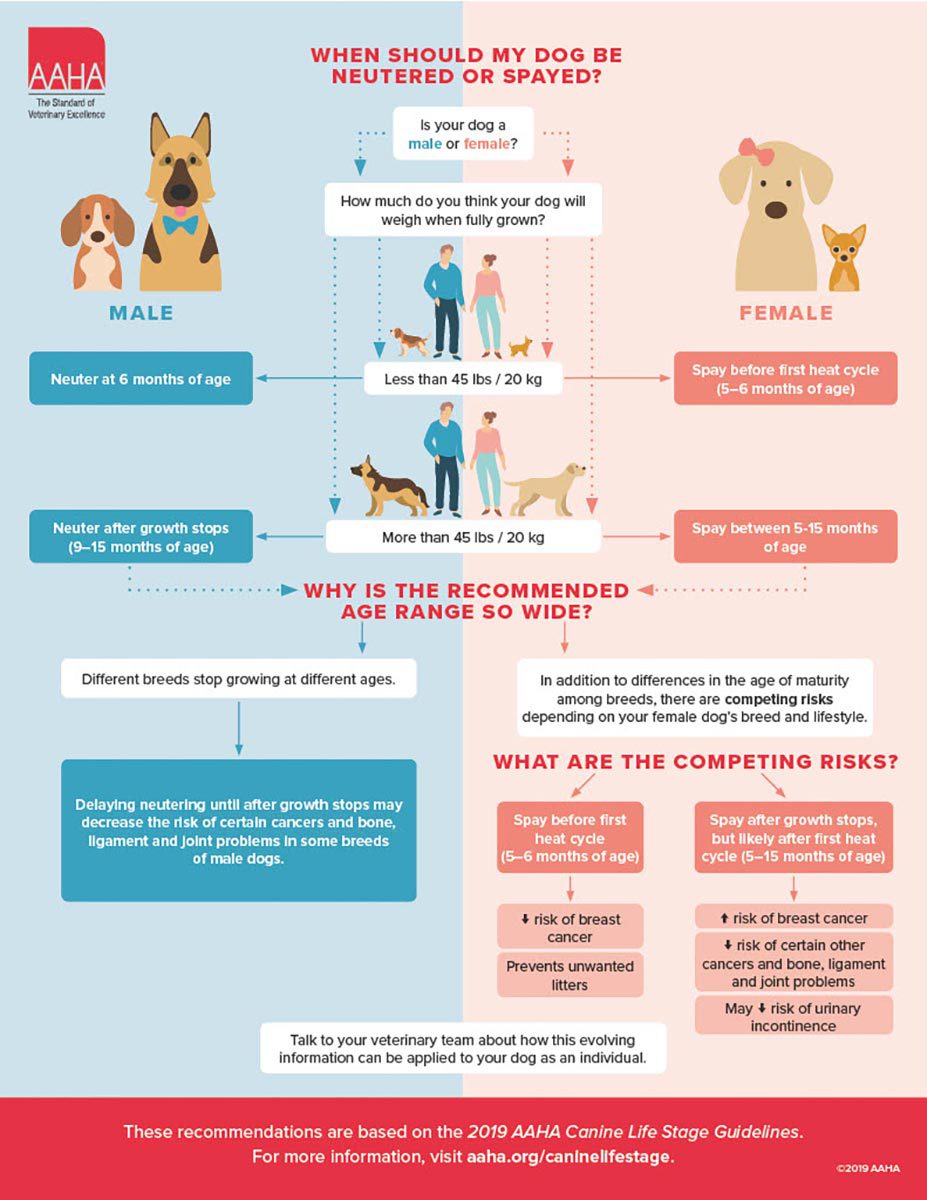
Image Source: southeastoakvillevet.ca
Why Timing Matters for Canine Spaying
Spaying, officially known as ovariohysterectomy, is a common procedure for female dogs. It prevents unwanted litters and reduces the risk of serious health issues like mammary cancer and pyometra (a life-threatening uterine infection). While it can be done at any time, waiting until a dog is fully finished with her heat cycle is vital for safety and recovery.
A dog’s reproductive cycle has four main phases: proestrus (pre-heat), estrus (the fertile heat period), diestrus (post-heat), and anestrus (the resting phase). The heat cycle itself lasts about two to three weeks on average. Knowing these phases helps pinpoint the optimal time for canine spay after heat.
The Three Phases of Heat and Surgical Risk
When a female dog is in heat or just finishing, her body undergoes significant hormonal changes. Estrogen and progesterone levels fluctuate wildly. These hormones cause major changes in the reproductive organs.
The Engorged Uterus
During and immediately after estrus, the uterus swells. It becomes larger, softer, and much more blood-filled (engorged). This is the main reason vets advise waiting.
If a vet attempts spaying a female dog immediately after heat, there are increased risks:
- Increased Bleeding: Because the uterine blood vessels are dilated and the tissue is fragile, there is a higher risk of excessive bleeding during surgery.
- Surgical Difficulty: A swollen uterus is harder to manipulate and remove cleanly. This can prolong the surgery time.
- Higher Infection Risk: Post-heat tissue can sometimes be slightly more susceptible to post-operative infection.
Deciphering the Heat Cycle Stages
To determine the safe window for dog spay after going out of heat, owners must accurately identify where the dog is in her cycle.
Proestrus (Pre-Heat)
This phase lasts about nine days. You will see vulvar swelling and bloody discharge. The female will start attracting males but usually won’t let them mate. Hormone levels are rising rapidly. Spaying a dog before or after her heat should avoid this phase completely.
Estrus (The Heat Period)
This is when she is fertile, usually lasting around nine days. The discharge often lightens to straw-colored. She will stand still for a male (flagging). Performing surgery during this period carries the highest risk due to peak hormonal activity affecting blood vessels.
Diestrus (Post-Estrus)
This phase begins once the dog stops accepting males. The discharge usually stops or becomes minimal. The body starts returning to normal. This period lasts until the next cycle begins, often around four to eight weeks. This is the target window for surgery.
Anestrus (Resting Period)
This is the long, quiet phase between cycles. Many vets prefer spaying during this time if the immediate post-heat window is missed.
How Long After a Dog’s Heat Cycle Should You Wait to Spay?
Most vets recommend waiting a minimum of four weeks after the visible signs of heat (discharge and swelling) have completely subsided. This allows the uterus to significantly shrink back to its non-pregnant size.
Veterinarians often prefer waiting closer to six or eight weeks to be absolutely certain that all hormonal influence has passed and the uterine tissue has fully regressed. This waiting period ensures the surgery is safer and the post-operative recovery is smoother.
Veterinarian Recommendations for Spaying After Estrus
Veterinary protocols emphasize patient safety above all else. The consensus among professionals supports waiting until the reproductive organs have returned to their resting state.
| Waiting Period Post-Heat | Uterine Status | Surgical Risk Profile | Typical Recommendation |
|---|---|---|---|
| 0–1 Week | Still swollen, high blood flow | High | Avoid |
| 2–3 Weeks | Slowly regressing | Moderate to High | Usually advised against |
| 4–5 Weeks | Approaching normal size | Low to Moderate | Acceptable in many practices |
| 6+ Weeks | Fully regressed, normal size | Lowest | Ideal Waiting Time |
If you are aiming for the best time to spay a female dog to avoid pregnancy while also maximizing surgical safety, aim for the six-week mark after the last spot of blood.
The Dangers of Spaying During Heat
It is crucial to know why surgery during estrus or proestrus is often avoided. Ignoring these guidelines can lead to serious complications.
Complications of Spaying a Dog During Heat
Spaying during active heat is technically possible, but it significantly raises the odds of adverse events.
- Hemorrhage Risk: As mentioned, the blood vessels leading to the ovaries and uterus are dilated. Cutting these vessels during this time drastically increases blood loss.
- Tissue Friability: The tissues are softer and more prone to tearing during manipulation, which complicates the surgical field for the veterinarian.
- Increased Anesthesia Time: Because the surgeon must work more carefully and slowly to manage the increased bleeding, the time the dog spends under anesthesia increases. Longer anesthesia time always carries slightly higher risks.
Some emergency situations, such as pyometra, require immediate surgery regardless of the heat cycle. Pyometra is when the uterus fills with pus. In these cases, the health risk of delaying the surgery outweighs the risks associated with operating on a slightly engorged uterus.
Addressing Specific Timing Scenarios
Owners often have specific timelines they are working with. Here is how to approach different scenarios related to spaying a dog before or after her heat.
Can I Spay My Dog While She Is Still Bleeding?
No, generally you should not. While the bleeding is the least hormonally active time during the actual heat phase, the uterus is still significantly enlarged. Most reputable clinics will refuse to schedule an elective spay during active bleeding or when the vulva is swollen. They will ask you to call back once the discharge has stopped completely.
What About Spaying Right After the Heat Ends?
Waiting four weeks is a good minimum. If your dog had a very short heat cycle (say, 10 days) and you wait exactly four weeks (28 days) after the bleeding stops, you are at day 38 of the cycle. This is often sufficient for the uterus to return to baseline size. Discuss this with your vet. They may suggest an ultrasound if they are concerned about residual swelling.
Is It Better to Spay Before or After Heat?
For elective sterilization, it is almost always safer and better to spay after the heat cycle is completely finished and the body has normalized. Spaying before the first heat cycle (puppy spay) is an exception, often done very early to maximize health benefits against certain cancers. If a dog has already started cycling, waiting until after the current cycle is over is the safest route.
Maximizing Safety: Pre-Surgical Steps
Once you decide on the optimal time for canine spay after heat, preparation is key to a smooth procedure.
The Importance of the Pre-Operative Exam
Before scheduling the surgery post-heat, your veterinarian will likely perform a thorough physical exam. They will check the size and tone of the dog’s abdomen. They may also ask you to track the date the bleeding stopped precisely.
If there is any doubt about the size of the uterus, a veterinarian might suggest waiting longer or even performing a pre-surgical ultrasound. This ensures they have the clearest picture possible before inducing anesthesia.
Preparation for Surgery Post-Estrus
Once the date is set, standard pre-surgical instructions apply:
- Fasting: Your dog will need to fast (no food) for 8 to 12 hours before the procedure to prevent aspiration pneumonia while under anesthesia. Water is usually allowed until the morning of the surgery.
- Monitoring: Continue monitoring your dog’s behavior. If she shows any unusual lethargy, vomiting, or refusal to eat in the days leading up to the surgery, call the vet immediately.
Health Benefits of Proper Timing
Choosing the right time maximizes the health benefits of the spay procedure itself.
Reducing Pyometra Risk
Pyometra is one of the scariest complications in unspayed older females. It happens when progesterone, a hormone elevated after the heat cycle (during diestrus), causes the uterine lining to thicken, creating a perfect environment for bacterial buildup. Spaying removes the uterus, eliminating this risk entirely. Waiting until the hormonal peak has passed ensures the uterine tissue is not overly sensitive or inflamed when removed.
Mammary Cancer Prevention
The timing of the spay relative to the first heat cycle is the most critical factor for preventing mammary cancer.
- Spaying before the first heat cycle reduces the risk of mammary cancer to less than 1%.
- Spaying after the first heat cycle significantly reduces the benefit, but still lowers the risk compared to never spaying.
- Spaying after multiple heat cycles still reduces the risk compared to zero spays, but the protective effect lessens with each subsequent cycle.
This emphasizes that while the immediate post-heat window is about surgical safety, the initial timing (before the first heat) is paramount for long-term cancer prevention.
When Waiting is Not an Option
While waiting four to eight weeks is the standard recommendation for elective procedures, there are times spaying a dog immediately after heat (or even during) is necessary due to severe medical conditions.
Emergency Spays
If a dog develops pyometra, delaying surgery to wait for the uterus to shrink is not an option. Pyometra is an immediate, life-threatening emergency. The vet will proceed with the spay immediately, accepting the higher intraoperative bleeding risk because the alternative—a ruptured, infected uterus—is fatal.
Frequently Asked Questions (FAQ)
How long after a dog’s heat cycle should you wait to spay?
Most veterinarians recommend waiting a minimum of four weeks after all signs of heat (swelling and discharge) have completely disappeared. Waiting six to eight weeks is often considered the safest window to ensure the uterus has fully returned to its non-enlarged state.
Can I spay my dog during her resting phase (anestrus)?
Yes, the anestrus phase is an excellent time for elective spaying. During this long resting period, the reproductive organs are at their smallest, and the dog experiences no hormonal fluctuation related to heat, making the surgery straightforward and very safe.
Is spaying a dog immediately after heat dangerous?
It increases the risk. The uterus is still enlarged due to hormonal influence, leading to increased blood flow to the area. This raises the potential for excessive bleeding during surgery and makes the procedure technically more challenging.
What is the best time to spay a female dog to avoid pregnancy?
The best time to spay to avoid pregnancy is anytime before her first heat cycle occurs, as this maximizes cancer protection benefits. For a dog that has already cycled, the safest time to schedule the surgery is four to eight weeks after the current heat has fully concluded.
Do I need to monitor my dog after her heat ends for scheduling?
Yes, precise monitoring is crucial. You need to track the exact date the swelling goes down and the discharge stops. Call your vet a few days after the signs cease and ask them to schedule you for the appropriate waiting period afterward.
What if my dog is pregnant? Can I still spay her?
If a dog is confirmed pregnant, most veterinarians will not perform a spay/ovariohysterectomy unless there are severe medical reasons to do so. If pregnancy is confirmed, the owner usually has to wait until after the puppies are born and then wait another four to eight weeks post-whelping for the uterus to fully involute (return to normal size) before the spay can be safely performed.