
There is no fixed age limit for training a dog. You can train a dog at any age, including when they are seniors.
Training an older dog is a wonderful way to keep their minds sharp and improve your bond. Many people think that once a dog reaches a certain age, they become set in their ways and cannot learn new things. This is simply not true. While the approach might need adjustments compared to puppy training, the capacity for learning remains throughout a dog’s life. This long-form guide explores how to successfully engage in senior dog training, addressing common myths and providing practical tips for training aging canines.
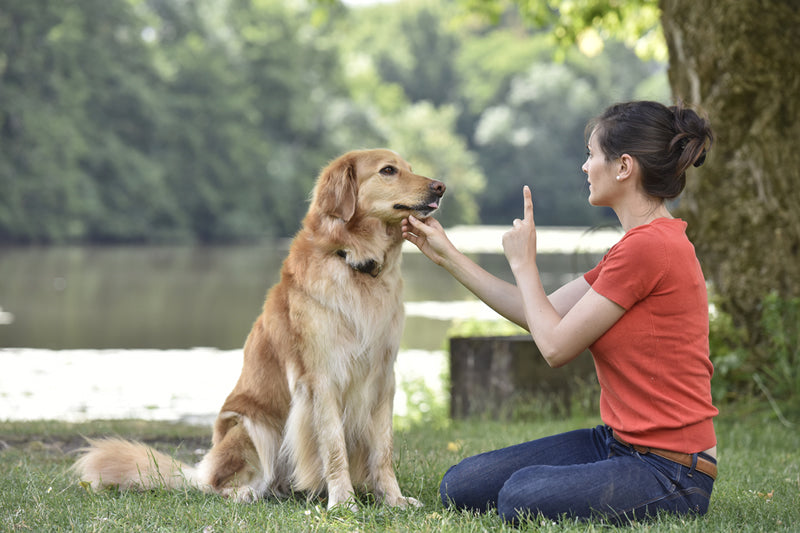
Image Source: khpet.com
Dispelling the Myth of “Too Old”
The belief that older dogs cannot learn is a major hurdle for people looking at adopting older dogs. It stems from observations of slower learning speeds, but this does not mean learning stops.
Why Older Dogs Might Seem Harder to Train
When an older dog seems resistant to new commands, it is rarely defiance. It is usually due to physical limitations or ingrained habits.
- Physical Changes: Arthritis or vision changes can make physical movements hard. A “stay” command might be painful if it means holding an uncomfortable position for too long.
- Habit Sticking: A behavior practiced for ten years is much stronger than one practiced for ten weeks. It takes time to overwrite old habits.
- Hearing Loss: Reduced hearing capacity means the dog misses soft cues, making it look like they are ignoring you.
It is crucial to shift focus from what the dog cannot do to how we can adapt our training methods. This adjustment is the core of successful age-related dog obedience.
Adapting Training for Senior Dogs
Successful senior dog training requires patience, short sessions, and a focus on comfort and reinforcement. We must adjust our expectations to match the dog’s current physical and mental state.
Shortening Attention Spans and Sessions
Older dogs often tire more easily, both mentally and physically. Long, drawn-out sessions lead to frustration for both parties.
Optimal Session Lengths
| Age Group | Recommended Session Length | Frequency Per Day | Focus |
|---|---|---|---|
| Young Adult (1-7 years) | 10–15 minutes | 2–3 times | New skills, physical work |
| Senior Dog (8+ years) | 3–7 minutes | 4–6 times | Review, fun tricks, mental games |
Keep these sessions light. Stop before the dog shows signs of boredom or fatigue. Always end on a positive note—a successful, easy command rewarded heavily.
Adjusting Physical Commands
If a dog has joint pain, asking them to sit, stay, or down might cause discomfort. This leads to avoidance, which we misinterpret as stubbornness.
Modification Examples for Mobility Issues
- Instead of “Down”: Train a “Place” command where they simply lie on a comfortable mat nearby.
- Instead of Long Stays: Work on brief one-second holds. Build duration slowly, prioritizing comfort over proofing duration.
- Focus on Verbal Cues: If the dog struggles to see your hand signal due to fading eyesight, rely more on clear, loud verbal cues.
Addressing Common Issues Senior Dogs Face
When focusing on rehabilitating senior dogs, we often encounter specific challenges related to aging. Addressing these head-on prevents minor issues from becoming major roadblocks in behavior modification older dogs.
Canine Cognitive Dysfunction (CCD)
CCD, similar to dementia in humans, affects memory and awareness. This is a primary factor in common issues senior dogs experience.
Signs of CCD include:
* Getting lost in familiar rooms.
* Changes in sleep patterns (wandering at night).
* Increased anxiety or irritability.
* Forgetting known commands.
If you suspect CCD, consult your veterinarian. Medical treatment can often slow progression. Training then focuses on consistency and gentle cues rather than introducing complex new material. Simple routines become anchors for their minds.
Increased Reactivity and Fear
Pain can dramatically lower a senior dog’s threshold for stress. A dog that tolerated children or other dogs before might suddenly snap or hide.
This is not poor training; it is pain response. Always rule out medical causes before attempting geriatric dog behavior modification for aggression or fear. Management, like giving the dog space, is the first step.
Positive Reinforcement: The Key to Senior Success
Positive reinforcement is always the best method, but it is essential when working with older dogs. Harsh corrections or corrections based on fear are damaging, especially to a dog whose hearing or vision might be failing.
High-Value Rewards
Older dogs often have less motivation for low-value treats because their energy is lower. You need to bring out the “big guns.”
- Use their absolute favorites: Real chicken, cheese, or liver treats work wonders.
- Vary Rewards: Sometimes, a favorite toy toss or enthusiastic praise is better than food. This keeps the dog engaged.
- Physical Touch: Many seniors crave gentle petting or a nice scratch behind the ears. Use this as a reward, provided they enjoy physical contact.
Timing is Everything
Because learning might be slower, your timing must be precise. Reward the exact moment the desired behavior occurs. If you wait even two seconds, the dog might think they are being rewarded for sniffing the ground instead of sitting.
Re-Training and New Learning in Older Dogs
Can an older dog learn a completely new trick? Absolutely. The process just needs to be tailored.
Shaping Behavior Gently
Shaping involves rewarding small steps toward the final goal. This technique is fantastic for rehabilitating senior dogs because it keeps the steps small and builds confidence gradually.
Example: Teaching a New “Touch” Target
- Hold your open hand out. Reward the dog for merely looking at your hand.
- Next, only reward if the dog takes a step toward your hand.
- Finally, only reward if the dog bumps their nose to your hand.
Each step is tiny, ensuring success every time, which builds momentum without stressing aging joints or minds.
Utilizing Existing Strengths
If you are adopting older dogs, assess their known skills first.
- If the dog was a champion agility dog, they likely know how to focus. Use this focus, even if their body can no longer jump hurdles.
- If they were a hunting dog, they might excel at scent work, which is low-impact.
This familiarity makes learning new variations of old tasks much easier.
Sensory Adjustments for Training
As dogs age, their senses change. Effective training requires compensating for these declines. This is vital when discussing dog training age limits—the limit is often sensory, not cognitive.
Visual Aids
If sight is diminishing:
* Use high-contrast markers (e.g., a bright blue mat on a light carpet).
* Keep training areas clean and clutter-free so the dog does not trip.
* Increase the size of your hand signals.
Auditory Aids
If hearing is going:
* Use a silent clicker instead of your voice for marking behavior. The click is distinct and consistent, unlike a slightly varying voice tone.
* Use clear, short verbal cues only. Drop unnecessary words like “Good boy, sit now.” Just use “Sit.”
Environmental Consistency
Older dogs thrive on routine. Perform senior dog training in the same quiet location daily. A chaotic environment adds unnecessary cognitive load.
Mental Stimulation: Keeping the Brain Active
Mental exercise is just as important as physical exercise, especially for geriatric dog behavior management. A bored senior dog is more likely to exhibit anxiety or destructive habits.
Low-Impact Mental Games
These games challenge the mind without taxing the body:
- Snuffle Mats and LickiMats: These satisfy natural foraging instincts quietly and safely.
- Puzzle Toys (Easy Level): Use puzzles where the dog only needs to push a slider or lift a lid, rather than complex mechanisms.
- Name That Toy: If the dog knows the names of a few toys, ask them to fetch one specifically. This works memory pathways.
- Simple Scent Games: Hide a high-value treat under one of three cups while the dog watches. Ask them to “Find it.”
These activities support cognitive health and help prevent the negative spiral associated with cognitive decline.
The Role of Health in Training Success
Never start a serious behavior modification older dogs plan without a recent vet check. Pain is the number one reason senior dogs stop listening or become suddenly difficult.
Veterinary Consultation Checklist
Before beginning intensive training:
* Check joint mobility and pain levels.
* Review medications that might cause drowsiness or confusion.
* Discuss supplements (like fish oils or specific joint formulas).
* Screen for thyroid issues, which can mimic anxiety or slow learning.
If a dog is in pain, basic obedience training must wait. Comfort is the priority. Once pain is managed, you will often find the dog is eager and ready to learn again.
Realistic Expectations for Senior Dog Training
Setting realistic goals is key to avoiding burnout for the owner and stress for the dog. We are aiming for quality of life, not perfection.
What You Can Achieve
With consistent, gentle effort, you can certainly improve age-related dog obedience:
* Maintain or re-establish core manners (house training, polite greetings).
* Reduce anxiety through predictable routine.
* Teach a fun, easy trick for mutual enjoyment.
* Improve cooperation during necessary care (like nail trims or brushing).
What Might Be Harder to Achieve
You might struggle to achieve:
* Perfect recall in high-distraction environments.
* Mastering complex, multi-step sequences previously learned.
* Extending duration on old commands significantly.
Focus on functional training—commands that make their daily life safer and more comfortable.
Summary: Is There a Dog Training Age Limit?
Absolutely not. The spirit of learning remains strong in dogs long after their physical peak. The concept of dog training age limits is a myth based on inflexibility.
When adopting older dogs, or when your own companion ages, the philosophy must change from “making them obey” to “helping them cope and thrive.” Gentle, high-reward, low-stress training methods focused on current abilities ensure that older dogs remain engaged, happy, and connected to their families for years to come. Senior dog training is not just possible; it is highly recommended for a happy retirement.
Frequently Asked Questions (FAQ)
Q: How long does it take to train an old dog a new trick?
A: It varies greatly. A very simple trick, like touching a target, might take a few focused days of short sessions. Complex tasks requiring coordination might take several weeks or months, relying heavily on breaking the task into tiny steps. Patience is your best tool.
Q: Should I use food puzzles if my senior dog has trouble seeing?
A: Yes, but choose puzzles that rely on scent or sound more than sight. For example, use a snuffle mat where they have to bury their nose, or place food in a low-sided, easily accessible tray rather than a complex box toy.
Q: My 12-year-old dog suddenly started having accidents indoors. Is this a training failure?
A: Most likely, no. Sudden changes in house-training habits are a primary sign of underlying medical issues in older dogs (like kidney problems or mobility pain making it hard to get outside). Consult your vet immediately before attempting behavior modification older dogs protocols, as medical treatment will be the first solution.
Q: Can I still correct my older dog if they do something wrong?
A: Avoid corrections based on punishment or harshness. If you need to interrupt an unwanted behavior, use a neutral interruption (like a sharp sound or standing up) followed immediately by redirecting them to an acceptable behavior that you can reward. Focus on rewarding the good choices they make instead of punishing the mistakes.