
The rabies vaccination frequency for dogs generally follows a schedule based on the initial shot timing and local laws, typically starting with a one-year vaccine, followed by either annual boosters or a three-year booster, depending on the specific vaccine used and state regulations. Determining when to give a dog a rabies vaccine involves consulting your veterinarian and checking your local animal control rules, as the legality of dog rabies vaccination is mandatory in most regions to protect public health.
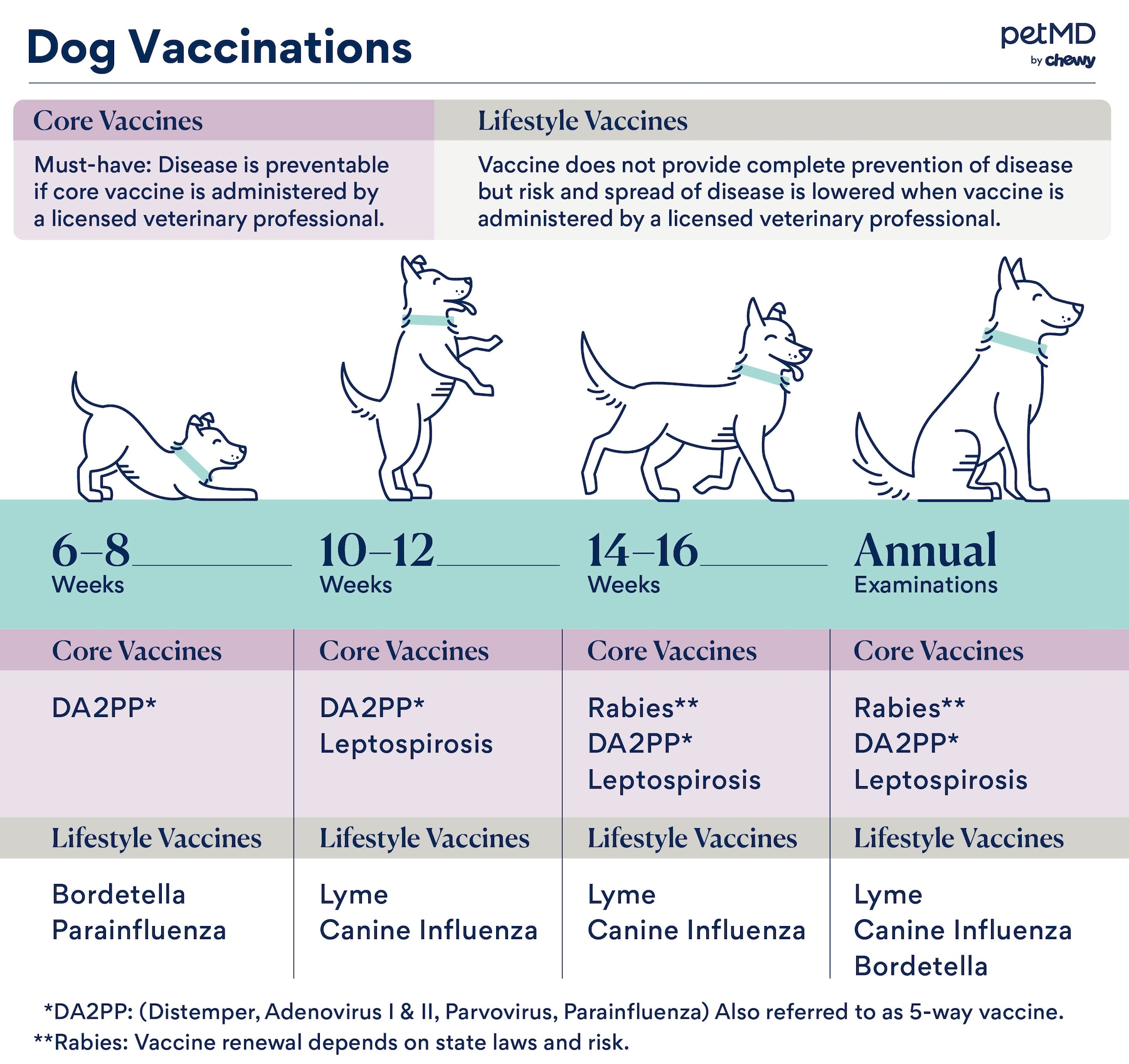
Image Source: image.petmd.com
Core Concepts of Canine Rabies Vaccination
Rabies is a deadly viral disease. It attacks the brain. It affects both dogs and people. Vaccinating your dog is vital. It keeps your pet safe. It also protects your family and community. Rabies is almost always fatal once symptoms appear. Vaccines are the only true defense.
Legal Requirements for Dog Vaccinations
Most places require dogs to have rabies shots. This is not just a suggestion. It is often the law. These laws protect everyone. They stop the spread of the disease. Failure to follow these rules can lead to fines. It can also mean your dog faces quarantine if exposed. Always check with your city or county rules. They set the final word on the legality of dog rabies vaccination.
Why Regular Boosters Matter
A single shot is not a lifetime shield. The vaccine wears off over time. This is why follow-up shots are needed. The canine rabies booster schedule ensures ongoing protection. Think of it like a shield that needs periodic refreshing. If the protection fades, your dog is at risk.
Deciphering the Rabies Vaccine Schedule
The schedule is not one-size-fits-all. It depends on when your dog first got the shot. It also depends on the type of vaccine your vet uses. We need to look at puppies versus adult dogs.
Initial Puppy Vaccination
When should puppies first get the shot? Puppies usually get their first rabies vaccine between 12 and 16 weeks of age. This timing is important. Maternal antibodies, passed from the mother, can block the vaccine’s power if given too early.
After this first shot, the timing of the next one matters most.
The First Booster Decision: Annual vs. 3-Year
This is where things get specific. Most veterinary guidelines start with a one-year vaccine.
- If the first vaccine given was a 1-year vaccine: Your dog will need a booster one year later.
- If the first vaccine given was a 3-year vaccine: Your dog may still need a booster one year after the initial shot, depending on state law.
This is key for the dog rabies shot intervals.
The Role of the 3-Year Vaccine
Many modern vaccines offer three years of protection. This is often called the 3-year rabies vaccine dogs option. However, this status only starts after the first booster.
For example:
- Puppy gets shot 1 at 16 weeks (1-year duration vaccine used).
- One year later, dog gets shot 2. If the vet uses a 3-year vaccine product here, the dog is now protected for three years.
- The next shot is due three years from shot 2.
This varies widely. Always follow your vet’s guidance on the veterinarian recommended dog rabies schedule.
Maintaining Protection: The Booster Cycle
Once a dog is on a consistent schedule, the next dose depends on the product used.
- Annual Cycle: Some areas or vets still prefer this. Your dog gets a shot every year. This fits the annual rabies vaccine dogs scenario.
- Triennial Cycle: If allowed by law and using a 3-year product, protection lasts 36 months.
It is crucial to know which vaccine your dog received. Look at your dog’s records.
| Vaccine Type | Protection Period | When is the Next Shot Due? |
|---|---|---|
| Initial Puppy Shot | 1 Year | 1 Year Later |
| First Adult Booster (Using 1-Year Product) | 1 Year | 1 Year Later |
| First Adult Booster (Using 3-Year Product) | 3 Years | 3 Years Later |
State Laws and Vaccine Duration
State laws dictate the minimum required protection. The law often overrules product claims for legal validity.
State Variations on Duration
Some states mandate proof of vaccination every year. They might not recognize the 3-year vaccine for legal purposes, even if the product offers that protection. If the law requires annual proof, you must comply.
- If your state requires annual proof, you need an annual rabies vaccine dogs protocol.
- If the state accepts 3-year proof, you can follow the longer interval.
This is why the dog rabies shot intervals must match local rules. Always ask your vet: “Is this vaccine good for one year or three years legally in my county?”
Rabies Titer Tests
In rare cases, a titer test might be an option. This blood test measures rabies antibody levels. It proves your dog has enough protection. Some international travel or specific situations might accept a titer instead of a physical shot. This is not common for routine local compliance.
What Happens If the Schedule Is Missed?
Missing a booster is a serious problem. It breaks the protection cycle. It also breaks the law in most places.
The Lag Period and Revaccination
If your dog misses a booster, they are considered overdue. They are not fully protected. When to give a dog a rabies vaccine after a lapse depends on how long it has been.
- Short Lapse (e.g., a few weeks late): The vet may give one shot immediately. They might treat it as a timely booster.
- Long Lapse (e.g., several months or a year late): The dog’s status reverts to “unvaccinated.” They will likely need a new initial series (though often just one shot is given) and then must restart the standard schedule. Some vets might treat it as an initial puppy series again.
If your dog is overdue and exposed to a known rabid animal, quarantine is almost certain, even if they get a shot right away. This is why timely boosters are so critical.
Impact on Travel and Boarding
If your dog’s tag or certificate shows an expired rabies shot, problems arise:
- Boarding Kennels: Most will refuse unvaccinated dogs.
- Dog Daycare: Rules are often the same.
- International Travel: Countries have strict entry rules based on valid rabies vaccination history.
Safety and Side Effects of the Rabies Vaccine
Like any medicine, rabies vaccines can cause side effects. Most reactions are mild and short-lived. Knowing what to expect helps ease worry about the dog rabies shot side effects.
Common, Mild Reactions
These usually happen right after the shot or within 24 hours.
- Soreness or swelling at the injection site.
- Mild lethargy (tiredness).
- Slight fever.
- Decreased appetite for a short time.
These symptoms usually go away in a day or two without treatment.
Severe, Rare Reactions
Severe allergic reactions are very rare but require immediate veterinary care. Watch for signs such as:
- Severe facial swelling (hives).
- Trouble breathing.
- Sudden weakness or collapse.
- Persistent vomiting or diarrhea.
If you notice any severe signs, call your vet right away. Tell them you suspect a vaccine reaction.
Vaccine Site Reactions (VSRs)
In rare cases, a lump may form where the shot was given.
- Transient Lumps: Small, firm areas that disappear within a few weeks.
- Injection-Site Sarcomas (ISS): This is an extremely rare, aggressive tumor linked to certain types of vaccines given in specific areas. Modern vaccines and injection locations help lower this risk significantly. Vets now often use specific sites (like the tail base) for rabies vaccines to make monitoring easier.
If you feel a persistent lump, tell your vet immediately.
Fathoming the Veterinarian Recommended Dog Rabies Schedule
The veterinarian recommended dog rabies schedule is a blend of medical science and legal compliance. Your vet looks at three main things:
- Patient Health: Is the dog healthy enough to receive the vaccine? (Very sick dogs might get a temporary hold.)
- Local Law: What is the minimum legal requirement?
- Product Labels: Which vaccine offers the longest proven duration (1 or 3 years)?
Protocols for Different Situations
Vets adjust the schedule based on circumstances:
- Traveling Abroad: International requirements might demand a 3-year vaccine history and a titer test, even if your home state only requires annual shots.
- Shelter/Rescue Animals: Often, new rescues receive a 1-year vaccine regardless of prior history, just to start a clean, verifiable legal clock.
- Immunocompromised Dogs: For dogs with serious immune issues, the vet might discuss delaying boosters or relying solely on titer tests, though this is rare for rabies due to its severity.
Comprehending the Difference: Annual vs. Triennial Vaccines
The choice between annual rabies vaccine dogs protocols and the 3-year option is common.
The dog rabies shot intervals are dictated by the specific vaccine license. A vaccine labeled as “1-year duration” must be given yearly to maintain legal status. A vaccine labeled “3-year duration” can be given every three years, provided local law accepts it.
Why Some Vets Stick to Annual Shots
Even if a 3-year vaccine is legal, some clinics prefer annual visits.
- Consistency: Annual check-ups catch other health issues early.
- Legal Compliance: It simplifies record-keeping for clients who travel across state lines with varying laws.
- Patient History: If a dog previously had a bad reaction to a 3-year shot, the vet might switch them to a 1-year product for better tracking of mild side effects.
Why Choose the 3-Year Vaccine
- Convenience: Fewer trips to the vet clinic for the owner.
- Reduced Exposure: Less frequent injections mean lower cumulative risk of rare, severe side effects.
- Cost Savings: Over a three-year period, the cost of one vaccine is spread out.
Practical Steps for Vaccine Management
Being a responsible pet owner means managing these records well.
Keeping Excellent Records
Your dog’s rabies certificate is a legal document. Keep the original safe. Keep digital copies easily accessible. You need to know the exact date the last shot was given. This prevents accidental over-vaccination.
The Importance of Tags
Your dog should always wear a rabies tag. This tag usually shows the year the current vaccine expires. It’s a quick visual confirmation for animal control officers or in an emergency.
If your dog bites someone or is bitten, proof of a current rabies vaccine is the single most important document you can have.
Avoiding Over-Vaccination
Giving a vaccine too early is called over-vaccination. It offers no extra benefit. It only increases the small risk of side effects.
Example of Over-Vaccination: If your dog received a 3-year vaccine on June 1, 2024, giving another shot in June 2025 would be premature. The immune system is already primed for three years. The extra shot is unnecessary. Always ensure the next dog rabies shot intervals respect the duration listed on the previous certificate.
Rabies Vaccination and Canine Behavior
Does the vaccine change a dog’s personality? Generally, no. Rabies vaccines are very safe in this regard. Any temporary sluggishness is due to the immune response, not behavioral alteration. A healthy, protected dog is safer for everyone.
FAQ Section
How often should my puppy get a rabies vaccine?
Puppies first get the shot between 12 and 16 weeks. They need a booster one year later, even if a 3-year vaccine product was used initially. After that first booster, the schedule moves to either annual or 3-year boosters based on the vaccine product and local law.
Can I skip the rabies vaccine if my dog never goes outside?
No. Rabies vaccination is usually mandatory by law, regardless of lifestyle. Wildlife can enter your home or yard. A bite from an infected bat or raccoon is possible even indoors. Skipping the shot breaks the law and endangers you.
What if my dog’s rabies vaccine lapses?
If the vaccine expires, your dog is legally unvaccinated. If exposed to rabies, your dog will likely face strict quarantine (often 4 to 6 months at home or in a facility). If the exposure is severe or proof of vaccination cannot be obtained, euthanasia might be considered in extreme, rare cases, as per public health mandates.
Are there alternatives to the standard rabies shot schedule?
For standard pet ownership, no. The primary method is vaccination. Titer tests are sometimes accepted for international travel or very specific medical exemptions, but they are rarely used for routine compliance with dog vaccination guidelines established by local governments.
Why do some vets push the annual rabies vaccine dogs protocol even if a 3-year shot exists?
Some veterinarians prefer the annual visit for comprehensive health checks. Also, local laws in some counties or states might only recognize one-year proof for legal purposes, meaning the pet owner must adhere to the shorter interval to stay compliant with the legality of dog rabies vaccination.