
Your dog should receive its first rabies shot between 12 and 16 weeks of age, and then receive a canine rabies booster schedule based on the type of vaccine used and your local laws, which typically means boosters every one or three years after the initial series.
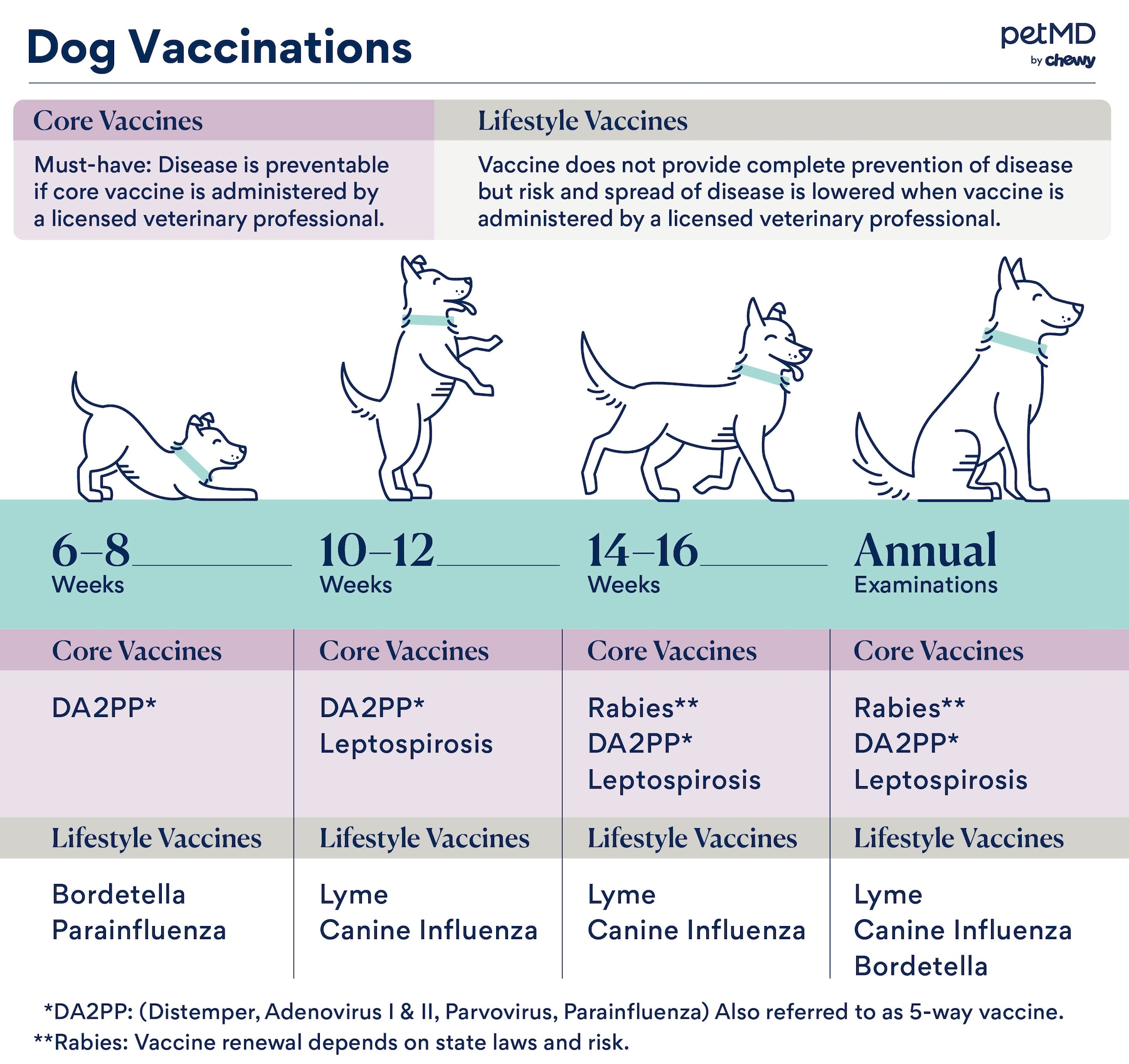
Image Source: image.petmd.com
The Vital Role of Rabies Vaccination in Canine Health
Rabies is a serious disease. It attacks the brain and nervous system of warm-blooded animals, including dogs and people. Once symptoms start, the disease is almost always fatal. Because rabies can pass from animals to humans, vaccination is not just about protecting your pet; it’s about public safety. Knowing the rabies vaccination protocol for dogs is crucial for responsible pet ownership.
Legal Requirements Versus Medical Advice
State laws dog rabies vaccination mandates often exist. These laws dictate the minimum frequency for rabies shots for all dogs within a certain area. However, what the law requires might differ slightly from what your veterinarian recommends based on your dog’s specific health and risk factors. Always follow the stricter requirement, which is usually the veterinarian’s advice if it exceeds the minimum legal standard.
Deciphering The Puppy Rabies Shot Schedule
Puppies need protection early on, but their developing immune systems require careful timing for the first vaccine.
Initial Vaccination Timing
The puppy rabies shot schedule starts when the puppy is ready.
- Age of First Shot: Most vets give the first rabies vaccine when the puppy is 12 to 16 weeks old. This timing is key because antibodies passed from the mother (maternal immunity) can interfere with the vaccine if given too early. Waiting until 12 weeks ensures the puppy’s own immune system is ready to respond.
- Initial Series: The rabies shot is often given once as the first shot in the frequency of core dog vaccines.
The First Booster
Following the initial shot, the first booster is critically important.
- The 1-Year Requirement: Most initial rabies vaccines are labeled as “1-year vaccines.” This means the puppy must receive a booster shot one year after the first shot, regardless of what the label on the bottle says about longer protection. This step locks in strong immunity.
Adult Dog Rabies Shot Frequency: The Core Schedule
Once a dog passes the one-year booster, the dog rabies shot timing often shifts to a longer interval. This is where the difference between the one-year and three-year vaccines comes into play.
Vaccine Labels and Efficacy
Modern rabies vaccines are generally licensed for either one year or three years of protection.
- One-Year Vaccine: After the initial puppy series and the one-year booster, if you use a 1-year labeled vaccine, your dog will need it yearly.
- Three-Year Vaccine: Many veterinarians use the 3-year vaccine after the initial 1-year booster. This vaccine is proven to offer protection for at least three full years.
Veterinarian Recommended Rabies Interval
Your vet determines the veterinarian recommended rabies interval based on a few factors:
- Local Laws: If the law requires annual vaccination, you must comply, even if the vaccine is labeled for three years.
- Vaccine Type: What specific vaccine product was used?
- Dog’s Health: Very old or immune-compromised dogs might sometimes need boosters on a different schedule, though this is less common for rabies than for other core vaccines.
| Vaccination Stage | Typical Timing | Duration of Protection | Legal Consideration |
|---|---|---|---|
| Puppy (First Shot) | 12–16 weeks of age | Until 1-year booster | Often required by law |
| First Booster | 1 year after the initial shot | 1 year | Essential for establishing long-term immunity |
| Subsequent Boosters | Every 1 or 3 years | 1 or 3 years | Dependent on vaccine type and local law |
How Long Does Dog Rabies Vaccine Last?
Scientifically, studies show that the duration of immunity for current rabies vaccines is often longer than three years. However, in the United States, legal requirements generally cap the maximum allowable interval at three years. Therefore, for practical and legal purposes, assume how long does dog rabies vaccine last is three years, provided your local laws allow for a three-year schedule.
Navigating Rabies Vaccine Frequency: Booster Schedules Explained
The Rabies vaccine frequency is a planned series of events designed to maintain continuous immunity. Missing a booster can leave your dog unprotected and may cause legal issues if they bite someone.
Maintaining Current Status (In-Date)
A dog is considered “current” or “up-to-date” on its rabies vaccination if the last shot was given within the legal timeframe (usually one or three years).
- If your dog is vaccinated according to the 3-year schedule, they are current as long as they get the shot within that three-year window.
- If your dog is vaccinated yearly, they must get the shot every year.
Dealing with Lapsed Vaccination Status
What happens if you miss the due date? This is a common issue, and protocols vary based on how long the lapse is.
Short Lapse (e.g., A few weeks late)
If the booster is only slightly overdue, most veterinarians will simply administer the booster immediately. The dog is usually treated as having maintained continuous immunity.
Significant Lapse (e.g., Months or years late)
If a dog has gone significantly past the due date, especially if the lapse crosses legal boundaries, the canine rabies booster schedule often resets.
- The vet may treat the dog as if they are having their first rabies vaccination. This means the dog receives a booster shot now, followed by another shot one year later, to bring them back onto a standard schedule.
- In some cases, if the dog has been unvaccinated for a very long time, they might require two initial boosters spaced close together before restarting the standard 1- or 3-year cycle.
Crucial Note on Lapsed Shots: If an unvaccinated or overdue dog bites someone, local animal control agencies will enforce strict quarantine protocols, regardless of veterinary catch-up plans. This is why strict adherence to the dog rabies shot timing is vital.
State Laws Dog Rabies Vaccination: A Patchwork of Rules
Vaccination is mandatory in almost every state, but the rules are not uniform across the country. This variation significantly impacts the rabies vaccination protocol for dogs.
Why Laws Differ
States and counties set these laws based on local wildlife risk (like bats or foxes) and population density. A state with high bat activity might enforce stricter, more frequent vaccination requirements than a state with lower risk.
Key Differences in State Requirements
- Frequency: Some jurisdictions legally mandate annual vaccination, even if a 3-year vaccine is used. Others accept the 3-year interval.
- Puppy Age: The minimum age for the initial shot can vary slightly, though 12 weeks is the most common standard.
- Proof of Vaccination: Laws dictate what proof is acceptable—usually a signed certificate issued by a licensed veterinarian.
It is your responsibility as the owner to know the specific laws where you live and where you travel with your dog. Always check with your local county or city health department for the most current rules regarding state laws dog rabies vaccination.
Rabies and Other Core Vaccines
Rabies is considered a “core” vaccine. This means it is recommended for every dog, regardless of lifestyle. It is part of the group of essential shots that every dog needs.
Frequency of Core Dog Vaccines
While rabies has its own unique schedule dictated heavily by law, other core vaccines (like those protecting against Distemper and Parvovirus) often follow a slightly different frequency of core dog vaccines.
- Distemper/Parvo boosters are often given every three years after the puppy series is complete.
- Rabies is the one core vaccine where the 1-year versus 3-year choice is more common and legally constrained.
Your veterinarian integrates the rabies shot into your dog’s overall wellness plan. Sometimes, the rabies shot is given during the same visit as the other core boosters to reduce stress and trips to the clinic.
Special Situations and Adjustments to the Schedule
Not every dog fits neatly into the standard 1- or 3-year box. Certain situations may require deviations from the standard canine rabies booster schedule.
High-Risk Exposure
If a dog is bitten by a confirmed rabid animal, immediate action is required, regardless of the last vaccination date.
- If the dog is current on its rabies shot, it will usually receive an immediate booster and be observed under quarantine as directed by local health officials.
- If the dog is overdue, quarantine periods are much stricter and longer, sometimes requiring immediate euthanasia depending on the local law and the risk level.
International Travel
Traveling abroad with your dog often involves very strict, specific requirements from the destination country. These rules often supersede local laws.
- Some countries require a current rabies vaccination administered within a specific window (e.g., not more than 11 months or less than 30 days before entry).
- Microchipping is almost always required alongside official health documentation to prove the dog rabies shot timing.
Titers and Alternatives
In some specialized cases, especially for working dogs or dogs with severe vaccine reactions, owners might ask about titer testing. A titer test measures the level of protective antibodies in the blood.
- While titers are commonly used for Distemper and Parvo, most jurisdictions do not legally accept titer tests in place of a rabies vaccination certificate. Rabies laws are very rigid because of public health risk.
Preparing for Your Dog’s Vaccination Appointment
A successful vaccination appointment relies on preparation. Knowing what to expect regarding the rabies vaccination protocol for dogs helps keep the process smooth.
Pre-Vaccination Checks
Before heading to the clinic, ensure you bring all necessary documentation.
- Vaccine Records: Bring every previous vaccination certificate. This helps the vet confirm exactly when the last shot was given and confirms the 1-year vs. 3-year status.
- Health Check: The vet will perform a general physical exam. This ensures your dog is healthy enough to mount an immune response to the vaccine.
What to Expect During the Shot
The rabies vaccine is usually a simple injection given under the skin, often in the rear leg.
- Mild Side Effects: It is common for dogs to be a little sleepy or have a sore spot where the shot was given for 24 hours.
- Severe Reactions: While rare, allergic reactions (like hives or facial swelling) can happen. If you notice severe swelling, trouble breathing, or collapse, contact your vet or an emergency clinic immediately. This warrants a discussion about using a different type of rabies vaccine in the future.
Importance of Documentation for the Rabies Certificate
The rabies certificate is more than just a piece of paper; it is your legal proof of compliance.
- What a Certificate Must Include:
- Dog’s Name, Breed, Color, and Sex.
- Date of Vaccination.
- Vaccine Manufacturer and Lot Number.
- Duration of Protection (1 Year or 3 Year).
- Veterinarian’s Signature and Contact Info.
Keep this certificate in a safe place, perhaps with your pet’s important papers. If your dog is ever involved in an incident where bite assessment is necessary, this document proves you followed the rabies vaccination protocol for dogs.
Frequently Asked Questions (FAQ) About Dog Rabies Shots
Q: Can I skip the rabies shot if my dog never goes outside?
A: No. State laws dog rabies vaccination usually require rabies vaccination even for indoor dogs. Rabies is most often transmitted through contact with wildlife (like bats that fly indoors). Skipping the shot puts your dog, your family, and your community at risk.
Q: What if my dog is late for its booster? What is the dog rabies shot timing reset?
A: If a booster is significantly overdue, your veterinarian will likely advise you to give the shot immediately, followed by another shot one year later. This resets the cycle to ensure full legal protection and robust immunity, even if the previous vaccine was a 3-year type.
Q: Are there different types of rabies vaccines for dogs?
A: Yes. The main difference noted by the owner is the duration: 1-year versus 3-year vaccines. Your vet chooses which licensed product to use based on local rules and health protocols.
Q: How often do I need to check the frequency of core dog vaccines besides rabies?
A: While rabies is often mandated annually or triennially, other core vaccines like Distemper/Parvo are typically boosted every three years after the puppy series is finished. Your vet will manage this overall schedule for you.
Q: What is the veterinarian recommended rabies interval if I use the 3-year vaccine?
A: If your local laws allow the 3-year vaccine and your dog is past its initial puppy boosters, the recommended interval is every three years, provided the dog remains healthy.
Q: Does the rabies vaccine affect my dog’s behavior?
A: In very rare cases, some dogs may feel lethargic or sore for a day or two after any vaccination. Significant behavioral changes are highly uncommon, but always discuss any pre-existing conditions with your vet before vaccination.