
The ideal dog wash schedule varies a lot. There is no single number that fits every dog. Generally, most healthy dogs need a bath every four to six weeks. However, factors like breed, skin condition, lifestyle, and coat type heavily change how often to bathe a dog.
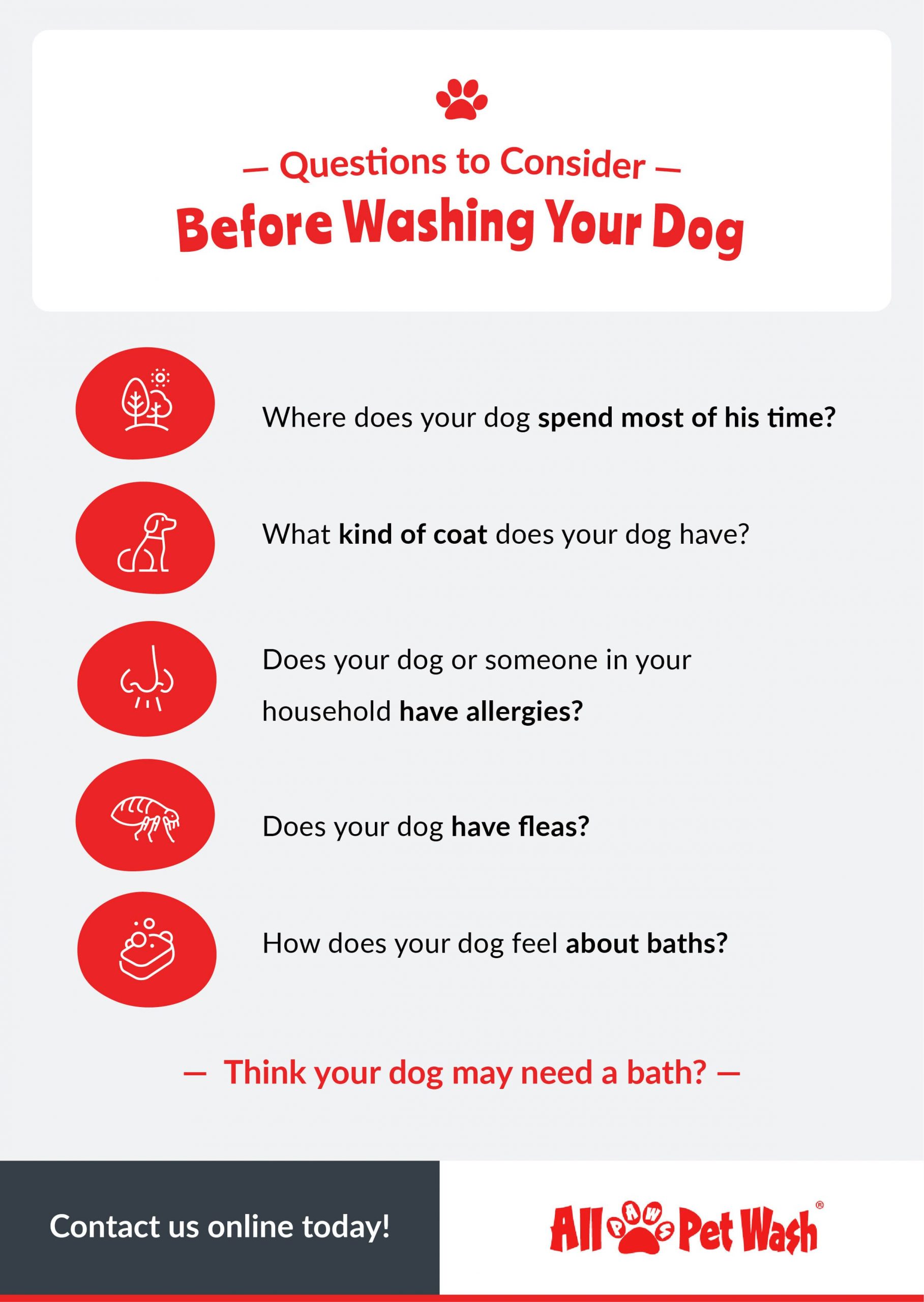
Image Source: allpawspetwash.com
Deciphering the Right Bathing Frequency for Your Dog
Figuring out the best frequency for dog washing takes looking at several key things about your pet. Over-bathing can dry out your dog’s skin. Under-bathing can lead to odors and skin issues. Finding the sweet spot is key for good health.
Lifestyle Factors That Influence Bathing Needs
A dog’s daily life has a big say in its dog bathing frequency. An active dog rolling in mud needs more baths than a quiet senior dog living inside.
- Outdoor Activity Level: Highly active dogs that swim or play in dirt will need more frequent cleaning. If your dog loves puddles, you might need to wash them weekly.
- Environment: Dogs living in humid or very dusty areas might need baths more often. City dogs often pick up more grime than country dogs.
- Allergies and Skin Issues: Dogs with skin allergies or specific skin conditions often need medicated baths prescribed by a vet. These schedules might be weekly or even more often.
- Shedding Cycles: While shedding itself doesn’t demand a bath, increased shedding often means more loose hair and dander. A good bath can help remove this dead hair. Think about this when planning your dog shedding and bathing routine.
Coat Type: A Major Determining Factor
A dog’s coat is the most crucial piece of the puzzle when setting a dog grooming washing routine. Different coats hold dirt and oil differently.
Short and Smooth Coats
Breeds like Beagles, Boxers, and Greyhounds have short coats. These coats do not trap much dirt. They also do not produce excessive oils that cause strong odors.
- Recommended Frequency: These dogs usually do very well with a bath every six to eight weeks. Sometimes, even longer is fine if they stay clean.
Double Coats
Breeds like Huskies, Golden Retrievers, and German Shepherds have dense double coats. These coats offer insulation. They trap dirt and moisture close to the skin if not maintained.
- Recommended Frequency: These dogs often do better with baths every four to six weeks. Too frequent bathing can strip natural oils needed for coat health, especially during heavy shedding seasons.
Long and Silky Coats
Poodles, Shih Tzus, and Yorkshire Terriers have hair that grows continuously. These coats mat easily and pick up debris quickly.
- Recommended Frequency: These dogs often require bathing every two to four weeks. Frequent bathing is needed, but using a high-quality, moisturizing shampoo is vital to prevent dryness.
Wire Coats
Terriers often have coarse, wiry coats. These coats repel dirt well. They usually require less frequent bathing unless they roll in something smelly.
- Recommended Frequency: Every six to ten weeks is often suitable for wire-haired breeds.
| Coat Type | Example Breeds | Typical Bath Frequency | Key Consideration |
|---|---|---|---|
| Short/Smooth | Boxer, Labrador | Every 6-8 weeks | Low maintenance, infrequent need |
| Double Coat | Golden Retriever, Shepherd | Every 4-6 weeks | Needs thorough drying |
| Long/Silky | Poodle, Yorkie | Every 2-4 weeks | Prone to matting, requires good conditioner |
| Wire Coat | Terrier Breeds | Every 6-10 weeks | Dirt-resistant texture |
Grasping the Dangers of Bathing a Dog Too Often
Many well-meaning owners think more cleaning equals healthier dogs. However, bathing a dog too often can cause real harm.
Stripping Natural Oils
A dog’s skin produces natural oils called sebum. These oils coat the hair shafts. They keep the skin moisturized, act as a natural water repellent, and help maintain a healthy skin barrier.
Washing too frequently, especially with harsh shampoos, strips away these essential oils. When the oils are gone, the skin compensates by overproducing oil. This can lead to:
- Dull, dry, brittle coat.
- Itchy, flaky skin (dandruff).
- Increased susceptibility to skin infections.
This cycle of stripping and overproducing oil is hard to break. It is a major reason why owners struggle with dog bathing frequency.
Disruption to the Skin Microbiome
A dog’s skin has a complex ecosystem of bacteria and yeast. This is called the microbiome. It helps fight off bad germs. Frequent washing disrupts this delicate balance. If you upset the balance, harmful bacteria can grow rapidly. This often leads to hot spots or chronic itching.
The Importance of Breed-Specific Shampoos
If you must bathe frequently, the type of shampoo matters greatly. Using human shampoo is a big mistake. Human skin pH is different from canine skin pH. Always choose a dog-specific, gentle, moisturizing shampoo when establishing your healthy dog bathing habits.
Interpreting Signs Your Dog Needs a Bath
Sometimes the calendar doesn’t matter; your dog tells you when it is bath time. Watching for signs your dog needs a bath helps you keep them clean without overdoing it.
The Smell Test
This is the most obvious sign. If you notice a distinct “doggy smell” when you walk into the room, it is time to wash. This odor comes from bacteria and yeast breaking down oils on the skin and in the coat.
Visible Grime and Debris
If you see mud caked on their paws, burrs stuck in their coat, or visible dirt throughout their fur, a bath is necessary immediately. This goes beyond simple maintenance.
Excessive Scratching or Licking
If your dog is suddenly scratching or licking one spot more than usual, it could mean something is irritating their skin. This might be trapped dirt, pollen, or even the start of an allergic reaction. A bath can wash away the irritant. However, if the itching continues after a bath, see your vet.
Changes in Coat Appearance
A healthy coat should look shiny and feel soft. If the coat looks dull, greasy, or excessively dry and brittle, it is a sign that the current bathing schedule is not working.
Special Considerations: Puppy Bathing Frequency
Setting the right puppy bathing frequency is different from adult dog care. Puppies have very sensitive skin and developing immune systems.
When to Start Bathing Puppies
Vets usually advise waiting until puppies are around eight weeks old, or after they have completed their initial vaccine series. Before that, they rely on their mother’s natural protection. Spot cleaning with a damp cloth is best for very young pups.
How Often to Bathe Puppies
Puppies explore the world with their mouths and feet. They get dirty fast. However, their skin is fragile.
- General Rule: Bathe puppies no more than once every two to three weeks initially. Use only lukewarm water and a very mild, puppy-specific shampoo.
- Vaccination Impact: Avoid frequent bathing until the puppy has had most of its necessary shots. This prevents stressing their developing immune system.
Positive Reinforcement is Crucial
For puppies, bathing must be a positive experience. Use lots of praise, tasty treats, and gentle handling. You are building the foundation for their entire life of grooming. If baths are scary now, they will always be a battle.
Integrating Bathing with Dog Shedding and Bathing
Dog shedding and bathing go hand-in-hand. Bathing is a helpful tool during heavy shedding seasons like spring and fall.
The Power of the “De-Shed” Bath
When a dog sheds heavily, the undercoat releases a massive amount of dead hair. This hair traps heat and can clog the skin’s pores. A bath helps to loosen this dead hair.
- Soak Well: Allow the shampoo and conditioner time to penetrate the coat fully.
- Rinse Thoroughly: A long, thorough rinse washes away shampoo residue and the now-loosened dead hair.
- Use De-Shedding Tools: After the bath, while the coat is damp, use a proper de-shedding rake or brush. The coat will release significantly more hair than dry brushing alone.
Bathing during heavy shed cycles helps manage the mess in your home and keeps your dog cooler and more comfortable. This is an excellent addition to your dog grooming washing routine.
Tools and Techniques for Healthy Dog Bathing Habits
The “how” is almost as important as the “how often.” Good technique ensures the bath helps, rather than harms, your dog’s skin.
Choosing the Right Products
Never settle for the cheapest option. Invest in quality products tailored to your dog’s needs.
- Shampoo: Choose a pH-balanced shampoo. If your dog has dry skin, look for oatmeal-based formulas. If they are oily, you might need a degreasing formula (but only when necessary).
- Conditioner: Conditioners are vital, especially for long or double coats. They help replace moisture lost during washing and make brushing easier, reducing breakage.
Water Temperature Matters
Use lukewarm water—not hot. Just like human skin, a dog’s skin can burn or dry out easily with very hot water. Think about the temperature you would use for a baby.
The Rinse is Everything
Most problems from over-bathing are actually problems from under-rinsing. Leftover soap residue is a huge cause of post-bath itchiness. Rinse until the water runs perfectly clear, and then rinse for another full minute.
Drying Techniques
Proper drying is crucial to avoid skin issues.
- Towel Dry First: Squeeze out as much water as you can with a clean towel. Don’t rub vigorously, as this causes mats, especially in long-haired breeds.
- Air Dry vs. Forced Air Dryer: For short-haired dogs, towel drying and air drying might be fine. For double-coated breeds, a forced-air dryer is highly recommended. It blows water out of the thick undercoat, preventing moisture buildup close to the skin, which can cause mildew or hot spots. Ensure the dryer is on a cool or low-heat setting.
Adjusting the Ideal Dog Wash Schedule Based on Breed Examples
Here are a few common breed examples to show how varied the dog bathing frequency can be:
Example 1: The Labrador Retriever (Short, Dense Coat)
Labs often love water and mud. They tend to have skin oils that keep them somewhat water-resistant.
- Schedule: Every 4 to 6 weeks is standard.
- Exception: If your Lab swims in lakes or ponds frequently, you might need to wash them every 2 weeks to remove algae or pond scum, using a gentle rinse afterward.
Example 2: The Poodle (Hypoallergenic, Curly Coat)
Poodles have hair that grows continuously and rarely sheds. This means the hair traps dirt and oils close to the skin.
- Schedule: Every 2 to 3 weeks.
- Note: Because they are bathed often, they need rich conditioners to keep the coat from becoming dry and brittle.
Example 3: The Siberian Husky (Heavy Double Coat)
Huskies are naturally very clean animals and often self-groom extensively. Over-bathing strips the natural water-repellent oils from their guard hairs.
- Schedule: Every 6 to 8 weeks, sometimes even less often unless they roll in something foul.
- Note: Many Husky owners only bathe them when necessary, relying instead on weekly brushing to manage shedding. They do not need frequent bathing for odor control.
Addressing Common Myths About Dog Washing
Dispelling myths helps owners stick to healthy dog bathing habits.
Myth 1: Bathing Cures Dog Odor
Fact: While a bath removes immediate grime causing odor, persistent bad odor usually signals an underlying issue—like a yeast infection, ear infection, or dental disease. If a freshly bathed dog smells quickly, see your veterinarian.
Myth 2: Flea Shampoos Are the Best Defense
Fact: Flea shampoos are a quick kill treatment, not a preventative measure. Relying on them too often is a form of bathing a dog too often. Use vet-approved, long-lasting preventative treatments (oral or topical) monthly, and only use flea shampoo when you find an active infestation.
Myth 3: All Dogs Need Brushing Before Every Bath
Fact: For dogs prone to mats (like Spaniels or Poodles), you must brush and comb them completely before the bath. Water tightens existing mats, making them impossible to remove without cutting out the fur. If your dog has a light undercoat, a good soak and rinse might loosen tangles enough for light brushing post-bath.
Setting Up Your Dog Grooming Washing Routine
A structured approach makes bath time less stressful for both of you. This systematic plan contributes to the ideal dog wash schedule.
Step 1: Pre-Bath Preparation
Gather all supplies before you bring the dog into the tub area. This prevents leaving a wet, anxious dog unattended.
- Shampoo, conditioner, towels, non-slip mat, cotton balls (to gently plug ears—optional).
- A long-lasting chew toy or lick mat smeared with peanut butter placed on the wall can keep them busy.
Step 2: The Wash Cycle
Use a spray nozzle for the most efficient rinsing and washing. Start from the neck and work backward. Avoid getting soap directly in the eyes or inside the ears.
Step 3: Conditioning and Final Rinse
Apply conditioner for a few minutes, focusing on the body and legs, avoiding the head. Rinse until you feel absolutely certain all soap is gone.
Step 4: Drying and Post-Bath Care
Towel dry thoroughly. Use a dryer if you have a dense coat. Once mostly dry, check for any remaining mats or tangles with a slicker brush. Do not let a double-coated dog air dry fully outside on a cool day, as damp undercoats can chill them quickly.
By following these steps consistently, you establish healthy dog bathing habits that support skin health rather than degrade it.
Frequently Asked Questions (FAQ)
Can I bathe my dog with human shampoo?
No, you should not bathe your dog with human shampoo. Human shampoos are formulated for a different skin pH (more acidic) than dogs (more neutral). Using them strips your dog’s coat oils and can cause severe dryness, irritation, and itchiness. Always use a dog-specific shampoo.
What if my dog smells bad but I just bathed them last week?
If you notice foul odor shortly after a bath, it suggests the smell might not be coming from the surface dirt. Check for potential health issues like ear infections (yeasty smell), skin infections (musty smell), or anal gland issues. Consult your veterinarian for an accurate diagnosis. This is a sign that your current dog bathing frequency might be masking a medical problem.
How do I stop bathing my dog too often?
To stop bathing a dog too often, assess their lifestyle and coat type. If you are bathing weekly, try stretching it to every three weeks, using a dry shampoo or waterless wash product in between for spot cleaning. Focus on brushing daily instead of washing frequently to remove dander and loose hair.
Does brushing reduce the need for baths?
Yes, regular brushing is key to a good dog grooming washing routine. Brushing removes loose hair, dirt, debris, and dead skin cells before they mix with oils to create odor. A well-brushed dog will stay cleaner longer and require less frequent full baths.
Should I use cotton balls in my dog’s ears during a bath?
This is a debated topic. Some groomers recommend loose cotton balls to stop water from entering the ear canal, preventing moisture buildup that leads to infection. However, others advise against it, fearing the cotton might get stuck or push debris further in. If you do use them, be sure to remove them immediately after the bath and never push them deep into the ear canal. Gentle rinsing of the outer ear is usually sufficient.