
The fully trained protection dog price can range widely, often starting around \$15,000 for a basic companion protection dog and easily exceeding \$50,000 or \$100,000 for highly specialized, competition-level, or executive protection K9s.
Deciphering the true protection dog training cost involves looking far beyond the purchase price of the dog itself. It is a complex investment reflecting years of careful breeding, extensive specialized training, professional handler instruction, and ongoing maintenance. Many people first look at the cost of police dog training as a benchmark, but private sector pricing often differs due to market demand and client-specific needs. This article will break down the main components that drive the final protection dog purchasing price.
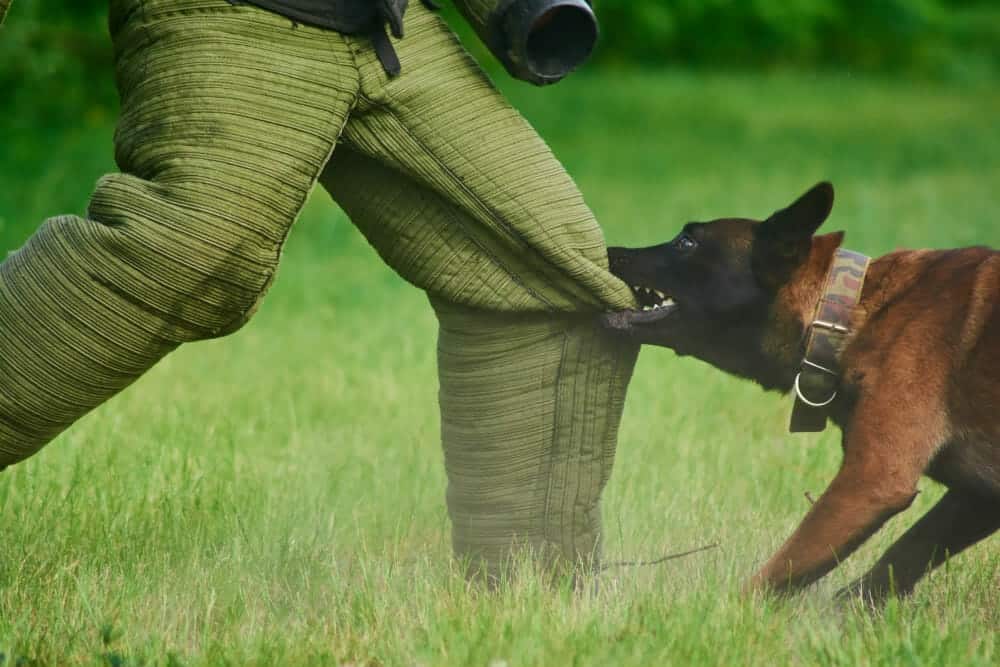
Image Source: scottsk9.com
The Foundation: Selecting the Right Candidate Dog
The cost journey begins before any formal training starts. A true protection dog is not just any aggressive dog; it must possess specific genetic traits, a stable temperament, and high drive.
Breeding and Bloodlines
Top-tier protection dogs often come from proven working lines, not just pet lines. These lines have been selected for generations for courage, nerve, and trainability.
- Pet Quality vs. Working Quality: A dog bred purely for looks or companionship will cost far less than one whose parents have proven success in protection sports or police work.
- Health Testing: Reputable breeders invest heavily in testing hips, elbows, hearts, and genetic markers. These necessary tests add to the upfront cost of the puppy.
This initial selection process sets the stage for the dog’s entire career. Buying a cheap puppy for protection work is a major risk, as unstable dogs cannot be safely trained for this intense work.
Age of Acquisition
Most reputable programs prefer to start training puppies young (8-16 weeks). However, some trainers purchase adolescent or young adult dogs (1-3 years old) that have already shown promise in basic obedience. The price varies based on the dog’s age and how much foundation work is already complete.
Phase One: Basic Obedience and Socialization
Before a dog learns to bite on command, it must master obedience in high-stress environments. This phase ensures the dog is a safe companion when not on duty. This is crucial for personal safety and public access.
Core Obedience Training
This goes far beyond “sit” and “stay.” The dog must reliably obey commands even when distracted by loud noises, crowds, or other animals.
| Skill Level | Description | Estimated Training Time |
|---|---|---|
| Novice | Basic commands in a quiet setting. | 4-8 Weeks |
| Advanced | Commands under distraction (parks, traffic). | 8-12 Weeks |
| Proofing | Commands maintained under extreme stress. | 12+ Weeks |
Socialization and Temperament Building
Proper socialization ensures the dog remains friendly with family, children, and appropriate guests, while being discerning about strangers. Poor socialization leads to unpredictable behavior, which is dangerous and unacceptable in a personal protection dog.
This period also involves exposing the dog to various surfaces, sounds, and environments to build confidence. Confidence is the bedrock of reliable protection work.
Phase Two: Specialized Protection Training (The Core Cost Driver)
This phase is where the significant bite work training expenses come into play. It requires specialized equipment, highly skilled trainers, and dedicated decoys.
The Role of the Decoy
Decoys (or “helpers”) are the individuals who simulate a threat. They are skilled athletes who understand canine behavior and legal boundaries. Decoy training cost is substantial because finding and retaining qualified, safe decoys is difficult.
- Safety First: Decoys wear heavy protective suits that cost thousands of dollars. They must train the dog to target only specific areas (like the sleeve or suit) and to release immediately upon command.
- Gradual Development: Training starts with tug toys and progress slowly to full-out defensive scenarios. This controlled escalation takes months or even years.
Developing Defense Drive
The trainer must nurture the dog’s natural protective instincts without making the dog aggressive toward the owner or innocent people. This precise balance is what separates a trained protection dog from a liability.
This intensive, specialized training forms the largest part of the private protection dog pricing structure. It is highly labor-intensive.
Deciphering K9 Training Fees: Factors Affecting the Total Price
When looking at K9 training fees, several variables cause wide price fluctuations. It is essential to know exactly what you are paying for.
Trainer Experience and Certification
A world-renowned trainer who has successfully trained police or military K9s will charge significantly more than a novice trainer starting a private business. Certifications, especially those recognized internationally (like those from European working dog associations), demand higher rates.
The Dog’s End Purpose
The required level of training differs drastically based on the dog’s intended role:
- Companion Protection Dog: Primarily focused on deterrence and reacting to a direct threat against the owner in a home setting. Training focuses heavily on house manners and obedience.
- Executive/Personal Protection Dog (EPD): Requires more intensive, scenario-based training. These dogs often train for vehicle defense, guarding property while the owner is away, and multi-person threat scenarios. The cost of personal protection dog is typically higher than companion level.
- Sport/ Competition Dog (e.g., IPO/Schutzhund): These dogs are trained to extremely high, measurable standards for competition. While they make excellent personal protection dogs, the specific training focuses on precision required for titles.
Breed Selection
While many breeds can be trained, the breeds most favored for protection work (e.g., German Shepherds, Malinois, Rottweilers) often have higher purchase prices due to demand and limited availability of true working bloodlines.
The Hidden Costs: Equipment, Boarding, and Handler Training
The fully trained protection dog price isn’t just the dog and the trainer’s time. Other costs must be factored into the guard dog training investment.
Specialized Equipment
- Bite Suits and Sleeves: High-quality protective gear used by decoys costs several thousand dollars per set. This equipment wears out and must be replaced.
- Training Leashes and Collars: Specialized tracking collars, e-collars (used humanely and ethically in training), and heavy-duty leashes designed for strong working dogs are more expensive than standard pet gear.
Boarding Fees
If you send your dog to a training facility, you pay for room and board while the dog is not actively being trained by a handler. This covers feeding, vet checks, and kennel upkeep.
Handler Training (The Crucial Step)
Perhaps the most overlooked cost is the mandatory training the owner receives. A perfectly trained dog handled poorly is useless or dangerous.
Owners must learn:
- How to give clear commands under stress.
- When and how to deploy the dog.
- How to maintain the dog’s obedience post-purchase.
This handler training can take one to three weeks, depending on the complexity of the dog, and it often involves travel and lodging costs for the client.
Comparing Private Costs to Professional K9 Programs
Many people wonder how the cost of police dog training compares to private training. While the core principles of obedience and protection are similar, the paths diverge:
| Feature | Police/Military K9 Program | Private Protection Dog Program |
|---|---|---|
| Funding Source | Government budget; dog provided by the department. | Private client investment. |
| Training Focus | Specific operational tasks (narcotics, tracking, suspect apprehension). | Personal defense, family protection, public access. |
| Dog Replacement | If a dog fails or is injured, it is replaced by the department. | The client bears the cost of replacing a failed or injured dog. |
| End Cost to User | Often zero direct cost to the officer after initial basic training. | High upfront cost paid entirely by the client. |
Private pricing is higher because the client is purchasing the entire process—from puppy selection to final handover—whereas police departments often absorb the high cost of breeding and initial foundation work over many years.
The Total Investment: Price Ranges for Protection Dogs
To provide a clearer picture, here is a general breakdown of expected investment levels. Remember, these are estimates, and extreme examples exist on both ends of the spectrum.
Tier 1: Companion Protection Dog (Entry Level)
This dog is well-trained in obedience and offers deterrence and basic home defense capabilities.
- Characteristics: Good temperament, reliable basic obedience, basic sleeve/bite work.
- Estimated Fully Trained Protection Dog Price: \$15,000 – \$30,000
Tier 2: Personal Protection Dog (Mid-Range)
This level offers advanced training for scenario work, superior obedience under duress, and often comes from better-proven bloodlines.
- Characteristics: Excellent public manners, proficient in vehicle defense, advanced bite work proofing.
- Estimated Fully Trained Protection Dog Price: \$30,000 – \$60,000
Tier 3: Executive Protection K9 (High-End)
These dogs are trained to extremely high, often international standards, suitable for high-net-worth individuals or complex security situations. They might also be cross-trained for detection work.
- Characteristics: Flawless performance under maximum stress, often competition-proven titles, imported working lines.
- Estimated Fully Trained Protection Dog Price: \$60,000 – \$100,000+
Calculating the True Cost Over the Dog’s Lifespan
A protection dog is a long-term security commitment, not a one-time purchase. To truly gauge the guard dog training investment, you must budget for upkeep.
Annual Maintenance Costs
Even after the initial purchase, annual costs are significant compared to a standard pet.
- High-Quality Diet: Working dogs require high-protein, performance-grade food.
- Veterinary Care: Regular check-ups are essential, but emergency care for a large, active dog can be costly.
- Refresher Training: To keep a protection dog sharp, yearly or bi-yearly refresher courses (often one week long) are necessary. This ensures skills do not degrade over time. These refreshers are crucial for maintaining the safety and reliability of the protection function.
- Gear Replacement: Replacing bite suits, tracking equipment, and muzzles periodically.
A conservative estimate for annual maintenance for a retired, but still active, protection dog often ranges from \$2,500 to \$5,000, excluding emergency medical bills.
The Risks of Seeking Low Prices
When budgets are tight, buyers often seek cheaper alternatives, which carry inherent risks related to safety and legality.
“Discount” Protection Dogs
A very low protection dog purchasing price usually means one of two things:
- The Dog Lacks Proper Training: The dog may have aggressive tendencies but lacks the necessary control, making it a legal liability rather than an asset. This often stems from insufficient bite work training expenses coverage by the trainer.
- The Dog is “Green” or Untested: You might be buying a dog that has only been exposed to a training sleeve once or twice. It has not been proofed against real-world distractions.
It is vital to investigate the credentials of any operation offering surprisingly low private protection dog pricing. Due diligence should include asking for video evidence of advanced training scenarios, interviewing references, and preferably, visiting the facility.
Final Thoughts on Protection Dog Value
The expense associated with a high-quality protection dog reflects the dedication required to produce a reliable, safe, and effective guardian. It is an investment in peace of mind.
When investing in a protection dog, you are not just buying a dog; you are buying the expertise of breeders, the dedication of trainers, the safety record of the bloodline, and the years of specialized conditioning required to create a K9 capable of performing under extreme pressure. The cost of personal protection dog services should always be weighed against the potential cost of failing to protect oneself or one’s family.
Frequently Asked Questions (FAQ)
Is the cost of training a police dog the same as a private protection dog?
No. The cost of police dog training is usually covered by a governmental or agency budget, meaning the individual officer often pays little or nothing directly for the dog or its primary training. Private protection dog training costs are borne entirely by the client, and private dogs are often trained for different, more nuanced personal scenarios, leading to potentially higher private prices.
How long does it take to train a protection dog?
The timeline varies significantly based on the dog’s starting point and the desired level of final proficiency. Generally, a dog moving from a puppy stage to a fully trained level requires a minimum of 12 to 18 months of consistent, dedicated training. More complex or specialized programs can take up to two years.
What is included in the typical fully trained protection dog price?
The price usually covers the acquisition of a high-potential dog, all foundational obedience training, the specialized bite work training, necessary protective gear for the training staff, and the mandatory owner training package. It should also include health guarantees specific to the working function of the dog.
Are there ongoing fees after I purchase the dog?
Yes. Even after paying the initial fully trained protection dog price, you must budget for annual upkeep. This includes high-quality food, routine veterinary care, and mandatory yearly refresher training sessions to maintain the dog’s specialized skills and control.
Does breed affect the protection dog training cost?
Yes. While exceptional dogs can come from several breeds, the most sought-after working lines (like top-tier German Shepherds or Belgian Malinois) command higher initial purchase prices due to breeding rarity and demand. This initial high price directly impacts the final protection dog purchasing price.