
The cost to train a guard dog varies widely, ranging from a few thousand dollars for basic obedience and protection skills to upwards of $30,000 or more for highly specialized, fully operational personal protection dogs sourced from top-tier international kennels.
Deciding to bring a trained guard dog into your life is a big step. These animals offer unparalleled security. However, the price tag can seem high. Knowing what you are paying for helps make the decision easier. This guide breaks down all the guard dog training expenses you can expect. We will look at what drives the price up or down.
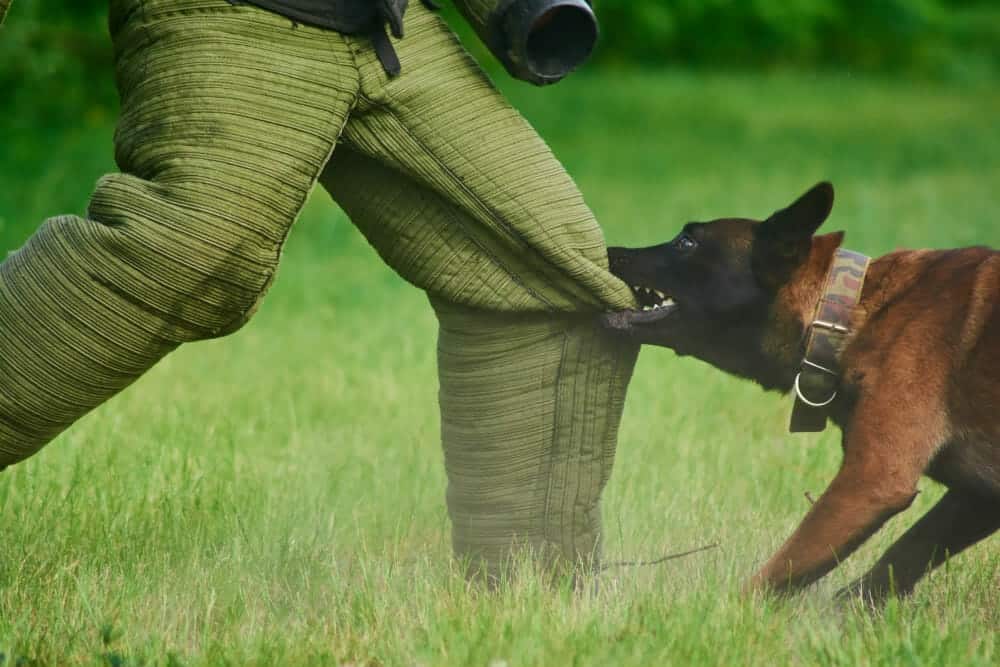
Image Source: scottsk9.com
Grasping the Core Investment in a Personal Protection Dog
When you purchase a trained dog, you are not just buying an animal. You are buying years of specialized work. This work involves careful breeding, intense socialization, and expert behavior modification. The final price reflects this deep commitment.
Factors Affecting Guard Dog Training Cost
Many things change how much you spend. Think of it like buying a car; a basic model costs less than a luxury sports car.
Dog Selection and Breed Heritage
The starting material matters a lot. Certain breeds are preferred for protection work. These include German Shepherds, Belgian Malinois, Rottweilers, and Dobermans.
- Lineage: Dogs from proven working lines cost more. Their parents likely had titles or successful protection careers.
- Temperament Testing: Puppies must pass rigorous temperament tests early on. Only the best move forward in training. Poor test results mean a lower price, or the dog is removed from the program.
- Age of Purchase: Buying a fully trained adult dog costs more than buying a young prospect that requires more training time.
Level of Training Achieved
This is the biggest factor influencing pricing for certified guard dog training. A dog ready for family defense costs less than one trained for police or military work.
- Basic Obedience: All dogs need this. It is the foundation.
- Personal Protection: Focused on protecting the handler and family in real-life scenarios.
- Advanced Patrol Work: Dogs trained to work with handlers in high-risk environments.
Trainer Experience and Reputation
Expert trainers charge more for their time and skill. Look for trainers with proven success stories. High-quality cost of professional protection dog training reflects expert handling.
- Certifications: Are the trainers certified by recognized international organizations?
- Experience: How many years have they spent specifically training protection dogs?
Training Duration and Program Type
The time commitment directly impacts the final bill. Guard dog training program fees are tied to the number of hours invested.
- Board and Train: The dog lives at the facility for several weeks or months. This is often the most intensive and expensive method.
- Weekly Sessions: Less costly, but requires significant commitment from the owner to practice daily.
Detailed Cost Breakdown for Guard Dog Boot Camp
The term “boot camp” usually refers to an intensive, short-term immersion program where the dog stays at the facility. These programs pack a lot of work into a short window. Here is a sample cost breakdown for guard dog boot camp.
| Service Component | Estimated Cost Range (USD) | Notes |
|---|---|---|
| Initial Dog Evaluation Fee | \$100 – \$500 | To assess suitability for training. |
| Basic Obedience Module (4 Weeks) | \$2,000 – \$4,000 | Focus on recall, leash manners, and basic control. |
| Intermediate Protection Work (6 Weeks) | \$4,500 – \$8,000 | Introducing defense drills and bite work control. |
| Advanced Scenario Training (4 Weeks) | \$3,500 – \$6,000 | Real-world simulations and handler protection. |
| Food and Boarding During Training | Included or \$500 – \$1,000 | Varies widely based on facility quality. |
| Total Boot Camp Estimate | \$10,100 – \$18,500+ | Does not include the initial purchase price of the dog itself. |
Deciphering Guard Dog Training Hourly Rates
For owners who prefer to train their own established pet or want ongoing support after the initial program, trainers often bill by the hour. These guard dog training hourly rates cover the trainer’s time, expertise, and travel (if applicable).
- Standard Behavior Consultation: \$75 – \$150 per hour. This is for basic issues, not specialized protection work.
- Specialized Protection Training Session: \$150 – \$350 per hour. These sessions require high-level skills from the trainer and often specialized equipment.
If you are just starting out, remember that a solid foundation in obedience might require 20-40 hours of dedicated professional work before moving to protection.
Expenses for Security Dog Training vs. Sport Dogs
It is crucial to separate the cost of training a family protection dog from training a dog for sport, like Schutzhund (IPO). Sport training focuses on titles and controlled exercises. Security dog training focuses on real-world, unpredictable defense.
The Price of Real Security
Expenses for security dog training are higher because the margin for error is zero. A sport dog that misses a command might lose points; a protection dog that misses a command could put a family member at risk.
- Stress Inoculation: Security dogs must perform under extreme stress (loud noises, simulated attacks, confusing environments). This phase takes many hours and specialized setups.
- Legal Liability: Reputable trainers carry high liability insurance because these dogs are taught to bite. This insurance cost gets passed to the client.
- Equipment: High-grade bite suits, agitation sleeves, and specialized training tools used in these programs are expensive and require frequent replacement.
When budgeting, consider that the investment in a personal protection dog must meet a higher standard of reliability than a pet companion.
The Total Cost: Dog Acquisition Plus Training Fees
The price quoted by a kennel usually includes both the dog and the training package. This is where the massive price swings occur.
Entry-Level Trained Companion Dogs
These dogs usually have solid obedience and basic alerting behaviors. They are suitable for homeowners who want peace of mind but do not need an elite, professionally vetted defense system.
- Price Range: \$8,000 – \$15,000
- What’s Included: 4 to 6 months of focused training on a well-bred dog. They respond reliably to owner commands.
Mid-Range Family Protection Dogs
These dogs come from better working lines and have more intensive scenario training. They are often imported or bred specifically for protection work. This is where how much to train a personal security dog starts to climb significantly.
- Price Range: \$15,000 – \$25,000
- What’s Included: Full foundation work, advanced scenario testing, and usually a full health guarantee regarding their working ability.
Elite/Executive Level Protection Dogs
These dogs are often fully trained imports from Europe, already having proven themselves in competitive working trials or police service overseas. They are ready to deploy immediately upon sale.
- Price Range: \$25,000 – \$50,000+
- What’s Included: Top genetics, intensive socialization, legal compliance documentation, and often specialized training specific to the buyer’s property or vehicle.
Ongoing Costs After Training: The Hidden Investment
Training costs are not a one-time fee. Owning a high-drive, highly trained working dog involves continuous investment to maintain peak performance.
Maintenance Training and Refreshers
Even a perfectly trained dog needs regular work to keep its skills sharp. If you skip maintenance, the dog’s skills will degrade over time.
- Quarterly Refresher Course: Expect to pay \$500 – \$1,000 every few months to attend a structured refresher session with the original trainer or a certified professional.
- Annual Certification: Some owners pay for an annual evaluation to ensure the dog still meets necessary standards.
Veterinary Care and Specialized Diet
Guard dogs, especially high-drive breeds, require more robust care.
- Nutrition: Performance dog food is more expensive than standard kibble. Budget \$100 – \$200 per month for high-quality nutrition.
- Joint Health: Due to the rigorous nature of their training and exercise, proactive joint supplements are often recommended, adding to the monthly guard dog training expenses.
- Routine Care: Standard vaccinations, dental cleanings, and emergency funds still apply, but injuries related to training drills might lead to higher emergency bills.
Specialized Equipment Costs
The equipment used to train and manage these dogs is specialized and durable, meaning it costs more.
- Tracking Collars/GPS: Essential for high-value working dogs. (\$200 – \$800 initial cost).
- High-Quality Leashes and Harnesses: Necessary for control during high arousal situations.
- Bite Suit/Decoy Gear: If you plan on continuing bite work training yourself, professional-grade bite suits can cost thousands of dollars.
Fathoming the Value of Owner Training vs. Professional Training
Many people ask if they can save money by doing the training themselves. This is where the difference between obedience training and protection training becomes critical.
Owner Training (DIY Approach)
Can I train my own guard dog? Yes, you can teach basic obedience and even some protection skills if you have prior experience.
- Pros: Significantly lower immediate cost. Builds a very strong bond between dog and owner.
- Cons: Massive time commitment (potentially a year or more). High risk of developing behavioral problems if training steps are missed. Lack of objective assessment means you might believe the dog is trained when it is not. This reduces the reliability that others see when assessing the investment in a personal protection dog.
Professional Kennel Training
This involves sending the dog to a facility or hiring a dedicated professional trainer.
- Pros: Reliable, predictable results. The dog is proofed against real-world distractions. Professional trainers can safely introduce aggression control—teaching the dog when and how to engage and, crucially, when to stop.
- Cons: High upfront cost. The dog may bond slightly more strongly to the trainer initially.
For serious protection, professional work is usually the safer and more reliable route.
The Geography of Guard Dog Training Costs
Where you train drastically affects the price. Training centers in high cost-of-living areas (like major metropolitan centers on the coasts) will invariably charge more than those in rural areas.
- Facility Overhead: Rent, utilities, and insurance costs in dense urban areas inflate the guard dog training program fees.
- Trainer Availability: In areas with fewer certified specialists, trainers can command premium rates due to high demand.
- Travel Costs: If you select a top trainer who lives far away, you must factor in the cost of transporting the dog (and perhaps yourself) to and from the training site for initial assessments and final handover.
Frequently Asked Questions (FAQ) About Guard Dog Costs
How long does it take to train a guard dog?
Training a dog from puppyhood to a reliable family protection level usually takes between 12 to 18 months of consistent work. Intensive “boot camp” programs can accelerate the process but often require 3 to 6 months of intense work followed by owner integration time.
Does training cost more for certain breeds?
Yes. Breeds with high inherent drives that are sought after for protection work (like specific lines of Malinois or working-line German Shepherds) are often more expensive to purchase initially. The specialized training required for these high-drive dogs may also be more intense, increasing the cost of professional protection dog training.
Can I finance the cost of a protection dog?
Some reputable training facilities offer payment plans or financing options, especially for high-ticket dogs over \$20,000. This spreads the investment in a personal protection dog over a manageable period, though interest may apply.
Are there cheaper alternatives to fully trained dogs?
Yes. A cheaper alternative is buying a well-bred puppy and enrolling it in ongoing, part-time training sessions. You save the bulk of the training fee but must commit years to the process yourself. This lowers the upfront guard dog training expenses but increases your personal time investment significantly.
What makes one trainer’s price much higher than another’s?
The primary differences are the quality of the dog’s genetics, the depth and breadth of the training scenarios covered, and the trainer’s pedigree and certification level. Elite trainers who focus on legal defense reliability and real-world scenario proofing command higher guard dog training hourly rates.