
The complete blood count dog cost can range from about \$50 to over \$200, depending on the type of panel, the clinic, and where you live.
Knowing what to expect regarding dog blood test prices is crucial for any pet owner. Regular check-ups often include blood work. This helps your vet see how healthy your dog really is. Blood tests give us a clear look inside your pet’s body. They check vital organs and many important levels. This article will help you learn more about these tests and what you might pay for them. We will look at the factors that change the full blood work for dogs cost.
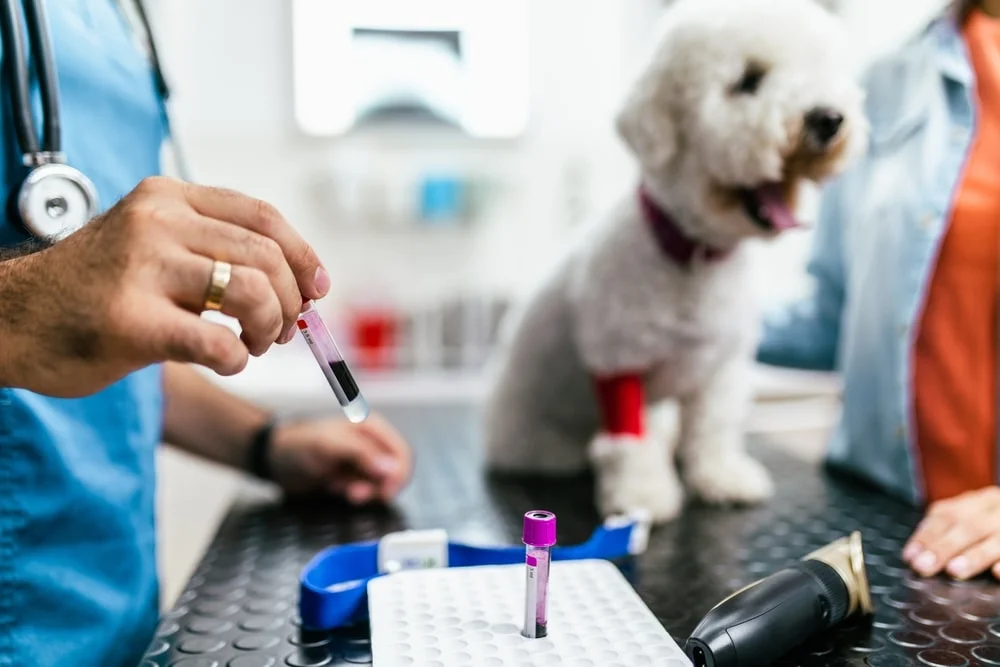
Image Source: www.metlifepetinsurance.com
Why Dogs Need Blood Tests
Your vet uses blood tests for many reasons. They are a top tool for checking overall wellness.
Routine Wellness Checks
When you take your dog for a yearly check-up, the vet often suggests a blood test. This is key to finding small problems early. Early spotting helps treat issues before they become big problems. These tests help set a health baseline for your dog. This baseline makes it easier to spot changes later on. This type of screening is often part of the cost of routine blood work for dogs.
Illness and Symptoms
If your dog seems sick, blood work is often the first step. Blood tests can point to the cause of issues like:
* Vomiting or diarrhea
* Changes in drinking or peeing habits
* Lethargy or low energy
* Weight loss or gain
Before Surgery
Before any operation, vets must check your dog’s blood. This ensures their liver and kidneys can handle the drugs used for sleep (anesthesia). This simple check lowers surgery risks greatly.
Managing Long-Term Conditions
Dogs with long-term issues, like diabetes or kidney disease, need regular blood tests. These tests help the vet adjust medicine doses correctly.
Types of Dog Blood Tests and Their Costs
There isn’t just one type of blood test. Vets usually offer a few main panels. The price changes based on how many things the test checks.
The Complete Blood Count (CBC)
The CBC looks at the cells in the blood. It focuses on red cells, white cells, and platelets. This test gives you the complete blood count dog cost.
What the CBC Checks:
- Red Blood Cells (RBCs): These carry oxygen around the body. Low counts can mean anemia.
- White Blood Cells (WBCs): These fight off sickness and infection. High or low counts show if the body is fighting something.
- Platelets: These help the blood clot. Low counts can lead to bleeding problems.
The CBC is a basic look at health. It is usually one of the cheaper dog lab tests cost options.
The Chemistry Panel (Chem Panel)
The chemistry panel looks at the fluids and chemicals in the blood. This panel shows how well organs are working.
What the Chemistry Panel Checks:
- Kidney Function: Checks waste buildup levels like BUN and Creatinine.
- Liver Function: Checks enzymes that show if the liver is stressed or hurt.
- Blood Sugar (Glucose): Important for spotting diabetes.
- Protein Levels: Shows hydration and liver/kidney health.
- Electrolytes: Checks things like sodium and potassium, which are vital for nerve and muscle function.
When you look at the comprehensive blood panel dog price, the chemistry portion adds a lot. It gives much more detail than just the CBC.
The Comprehensive Panel (CBC + Chemistry)
This is often the gold standard for a full check-up. It combines the CBC and the Chemistry Panel. Getting both gives a broad view of your dog’s health. This is what people usually mean when they ask for the full blood work for dogs cost.
Factors affecting the comprehensive panel price:
- The number of tests included in the chemistry section.
- Whether the vet runs the tests in-house or sends them out.
Specialty Tests
Vets might suggest extra tests based on symptoms. These cost extra on top of the basic panels. Examples include:
- Thyroid Testing (T4/Free T4): Very important for older dogs or those showing weight changes.
- Urinalysis: Often paired with blood work to check kidney output.
- Infectious Disease Screens: Checking for things like heartworm or Lyme disease.
These add-on tests increase the final bill, making the canine comprehensive panel cost higher.
Breakdown of Dog Blood Test Prices
It is hard to give one fixed price. Veterinary blood work fees depend on several things we will explore next. However, here is a general idea of expected costs.
| Test Type | What It Includes | Estimated Cost Range (USD) |
|---|---|---|
| Basic CBC | Red cells, white cells, platelets | \$50 – \$100 |
| Basic Chemistry Panel | Key organ markers, glucose, electrolytes | \$75 – \$150 |
| Comprehensive Panel | CBC + Chemistry Panel | \$125 – \$250+ |
| Wellness Package | Panel + Urinalysis + Thyroid Screen | \$200 – \$400+ |
Note: These are estimates. Prices can vary widely.
Factors That Shape Vet Blood Panel Pricing
Why do prices for the same test differ so much at different clinics? Several key elements influence the vet blood panel pricing.
In-House Lab vs. External Lab
This is a major cost driver.
- In-House Labs: Clinics with their own lab equipment can give results faster—often in minutes. This speed is great when a dog is very sick. However, the machines and testing supplies are expensive. Vets must charge more to cover these costs.
- External Labs: Vets send samples to larger reference labs (like IDEXX or Antech). These labs run tests in huge batches, lowering the per-test cost. Results take longer, usually 12 to 48 hours. Sending tests out often results in a lower dog general health blood test price.
Clinic Location and Overhead
Where you live matters a lot. Clinics in large cities or high-cost areas have higher rent, wages, and utility bills. These overhead costs are passed on to the client through higher veterinary blood work fees. A clinic in a rural area might have much lower prices.
Urgency of Results
If your vet needs results right away (STAT testing), they often charge a rush fee. This fee covers the extra staff time and resources needed to prioritize that specific test.
The Veterinarian’s Experience and Facility
Specialty clinics or large referral hospitals often charge more than small general practice clinics. This reflects the higher level of expertise and specialized equipment available at those sites.
The Panel Complexity
A basic panel might only check 10 chemistry values. A “gold standard” comprehensive panel might check 30 or more values, plus adding things like cholesterol or specific protein levels. More testing equals a higher comprehensive blood panel dog price.
Getting the Best Value for Your Dog’s Blood Work
You want the best care, but you also need to manage costs. Here are ways to potentially lower the dog blood test prices without sacrificing quality.
Ask About Wellness Packages
Many clinics offer bundled services. A wellness package often groups the annual exam, vaccinations, and blood work together. The total price of the package is usually less than buying each service separately. This is a great way to reduce the cost of routine blood work for dogs.
Compare Pricing for Routine Tests
If your dog is healthy and only needs annual screening, call a few local vets. Ask them for the dog general health blood test price for a standard CBC and Chemistry panel. Make sure you ask if the price includes the sample collection fee.
Inquire About External Lab Submissions
If your dog is stable and you are worried about cost, ask your vet if they can run the sample through a cheaper, external reference lab instead of their in-house machine. They might agree if the test isn’t an emergency. This can save money on the canine comprehensive panel cost.
Discuss Necessary vs. Optional Tests
When the vet suggests a long list of tests, ask which ones are essential right now. If your dog is acting normal, you might be able to skip optional tests (like a full thyroid panel) until the next visit. This manages the immediate dog lab tests cost.
Deciphering the Blood Test Report
Once you pay the vet blood panel pricing, you get a report. It can look like complex code! Your vet will explain it, but knowing a little bit helps.
Reference Ranges
Blood test reports show results next to a “reference range.” This range is what is considered normal for healthy dogs of that age and breed.
- High Results (Above Range): Can signal infection, organ strain, or dehydration.
- Low Results (Below Range): Can signal anemia, poor nutrient absorption, or organ failure.
Common Abbreviations
You will see abbreviations like:
- ALT/SDH: Liver enzymes. High levels suggest liver stress.
- BUN/Creatinine: Kidney waste products. High levels suggest kidney issues.
- Glucose: Blood sugar. Too high points to diabetes.
Your veterinarian is the best person to explain what these numbers mean for your specific dog. They connect the lab data to your dog’s physical symptoms.
When Is It Essential to Pay for the Most Expensive Panel?
Sometimes, spending more upfront saves money later. Choosing the most thorough comprehensive blood panel dog price option is wise in certain situations.
Senior Dogs (Ages 7+)
As dogs age, hidden diseases become much more common. Older pets benefit greatly from detailed checks. A full screening can catch early kidney changes or subtle thyroid issues long before symptoms appear. Paying for a robust test now might prevent expensive emergency care next year.
Pre-Anesthetic Screening
For any surgery, paying for a full panel is non-negotiable. This is not the time to look for discounts on the complete blood count dog cost. You need to know your dog’s liver and kidney function is adequate to safely process anesthesia.
Dogs with Chronic Illnesses
If your dog has diabetes, Cushing’s disease, or chronic vomiting, you need detailed information constantly. A basic CBC won’t be enough. You need the detailed markers found in a high-end canine comprehensive panel cost structure to manage their treatment effectively.
Mobile Vets vs. Traditional Clinics
The rise of mobile veterinary services has changed the landscape of pet care, including the dog blood test prices.
Mobile vets bring care to your home. They often have portable testing equipment.
Pros of Mobile Vets for Blood Work:
1. Convenience: No stressful car ride or waiting room.
2. Potential Savings: Sometimes, mobile vets have lower overhead (no large clinic building) and can offer better prices on routine work.
Cons of Mobile Vets for Blood Work:
1. Limited Equipment: They may not have machines for every single specialty test.
2. STAT Results: They often must send all samples to an external lab, meaning slower results for critical cases compared to a clinic with an in-house machine.
Always check what testing capability the mobile vet offers when asking about the dog general health blood test price.
Comparison: Cost of Routine vs. Diagnostic Blood Work
It is important to separate the cost of routine screening from the cost of diagnostic testing.
Routine Screening (Wellness Checks)
This is preventative care. The goal is catching problems early. These tests are generally cheaper because they only check standard markers. They fit into the lower end of the cost of routine blood work for dogs.
Diagnostic Testing
If your dog is clearly sick (e.g., jaundice, severe weight loss), the vet isn’t just screening; they are actively hunting for a specific cause. Diagnostic panels often include many more specific tests tailored to the suspected illness. These tests drive the dog lab tests cost much higher, sometimes reaching \$300 to \$500+ if many specific tests are required.
For example, if a dog is severely ill, the vet might run a CBC, a chemistry panel, plus specific tests for pancreatitis, bile acids, and a full thyroid panel. This combination moves far beyond the typical vet blood panel pricing for a simple check-up.
Saving Money Without Skipping Essential Care
Responsible pet ownership means balancing care with budget. Here are strategic ways to manage the costs associated with blood panels.
Health Insurance Considerations
Pet health insurance often covers routine preventive care, including wellness blood work, especially if you opt for a premium plan. Check your policy details. If insurance covers a portion of the comprehensive blood panel dog price, it makes routine testing much easier to afford.
Payment Plans or Care Credit
If your dog needs extensive diagnostic work that costs thousands, ask the clinic if they offer payment plans or accept services like CareCredit. While these don’t lower the initial veterinary blood work fees, they make large bills manageable over time.
Ask About Test Sensitivity
Sometimes, a vet will suggest two tests that measure similar things. Ask if one test is more sensitive or if one can be skipped for now. This shows you are invested in cost control while respecting their medical advice. This level of questioning helps you optimize your spending on the full blood work for dogs cost.
The Role of Annual Blood Work in Longevity
Investing in annual or semi-annual blood work is an investment in your dog’s future. It allows vets to track trends over time. A slight upward creep in kidney values over three years is easier to manage than a sudden, critical spike.
These preventative measures, though they add to the annual budget, generally reduce the chance of facing massive, unexpected bills for emergency care later on. Think of the cost of routine blood work for dogs as proactive maintenance, much like changing the oil in your car regularly.
Frequently Asked Questions (FAQ)
Q: Do I need to fast my dog before a blood test?
A: Yes, usually. For chemistry panels, fasting for 8 to 12 hours is often required. This keeps fats and glucose levels steady, ensuring accurate results for things like checking sugar or liver function. Ask your vet specifically before your appointment.
Q: How long do the results take?
A: For in-house testing, results are often ready within an hour or two. If the sample is sent to an external reference lab, it typically takes 1 to 3 business days for a complete blood count dog cost panel, and slightly longer for more complex diagnostics.
Q: Can I get blood work done without an exam?
A: Some clinics might allow you to bring in a sample if you just need a quick re-check for a known condition. However, most reputable clinics require a recent physical exam before running any tests. This ensures the vet has context for the results, especially when discussing the dog general health blood test price.
Q: What happens if my dog’s results are abnormal?
A: If a result is outside the normal range, your vet will likely suggest follow-up steps. This might mean re-testing the sample, running more specialized tests (which increases the dog lab tests cost), or starting treatment based on the initial findings. They will discuss the next steps clearly.
Q: Is the price for the blood test the same for a puppy as for a senior dog?
A: Generally, the price for the specific panel (e.g., CBC) is the same regardless of age. However, senior dogs often require additional specialty tests (like full thyroid screening), which raises the final canine comprehensive panel cost for their annual visit compared to a puppy’s basic screening.