
The fully trained service dog cost for a diabetic alert dog (DAD) typically ranges from \$15,000 to \$30,000, though this amount can fluctuate based on the organization, the dog’s age, training intensity, and ongoing support provided.
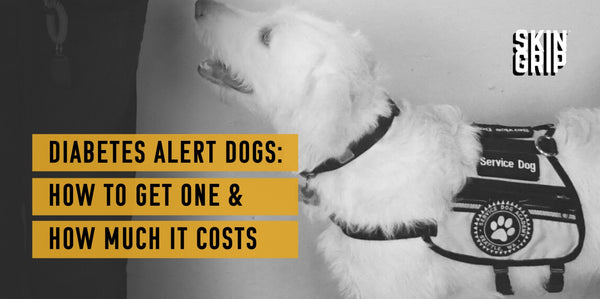
Image Source: cdn.shopify.com
Deciphering the Investment in a Diabetic Alert Dog
Getting a diabetic service dog is a big step. These amazing animals offer life-saving alerts for dangerous blood sugar swings. But the price tag often raises eyebrows. It is important to know that this cost reflects years of specialized work, not just the price of a pet dog. We will break down where that money goes.
Why Service Dogs Cost So Much
A pet dog might cost a few hundred to a couple of thousand dollars. A service dog is different. They must perform complex tasks reliably. This high average cost of alert dog comes from several high-cost areas.
Selecting the Right Canine Candidate
Not every dog can be a service dog. Trainers look for specific traits. They need stable temperaments. The dogs must be focused and eager to work. They need good health, too.
- Genetics and Temperament: Trainers often use specific breeds known for focus, like Labrador Retrievers or Golden Retrievers. Buying quality puppies from reputable breeders adds to the initial expense.
- Health Screening: Extensive veterinary checks are needed early on. This includes hip scores, eye exams, and genetic testing to ensure the dog is sound for a 10+ year career.
Intensive Service Dog Training Fees
This is the biggest part of the diabetic alert dog price. Training a dog to reliably smell subtle changes in human scent related to low or high blood sugar takes months, often a year or more.
Scent Training Specificity
A DAD learns to smell volatile organic compounds (VOCs) the body releases during hypo- or hyperglycemia. This is specialized training.
- Sample Collection: Trainers must collect hundreds of scent samples from diabetic individuals at various blood sugar levels. This takes a lot of time and coordination.
- Proofing and Reliability: The dog must alert even with distractions—in busy stores, at noisy parties, or when the handler is sleeping. This “proofing” is time-consuming and crucial for safety.
Task Training
Beyond scent detection, the dog must perform specific actions upon alerting. These tasks are taught precisely.
- Alert Behaviors: This could be nudging, pawing, or retrieving a monitor. Each behavior must be consistent.
- Public Access Skills: The dog must behave perfectly in public places like restaurants or doctors’ offices. This involves specialized public access training. This training differs significantly from general obedience.
Comparing Costs: Service Dog vs. Other Canine Roles
To put the fully trained service dog cost in perspective, it helps to look at other types of working dogs.
| Dog Type | Average Cost Range | Primary Focus |
|---|---|---|
| Diabetic Alert Dog (DAD) | \$15,000 – \$30,000 | Scent detection for blood sugar changes. |
| Guide Dog (Mobility) | \$20,000 – \$50,000+ | Navigating obstacles, guiding visually impaired handlers. |
| Seizure Response Dog | \$20,000 – \$45,000 | Alerting to impending seizures or providing bracing post-seizure. |
| Pet Dog (Purebred) | \$1,000 – \$3,500 | Companionship, basic obedience. |
| Emotional Support Animal (ESA) | \$100 – \$500 (Documentation only) | Providing comfort through presence (no formal task training). |
Notice the significant difference between a service dog and an emotional support animal cost comparison. ESAs do not require extensive task training, lowering their cost dramatically. Similarly, guide dog expenses can often be higher due to the complex navigational skills required.
Hidden Costs of Service Dog Ownership
The initial purchase price is only the start of hiring a diabetic alert dog. Owners must budget for ongoing care throughout the dog’s working life, which typically lasts 8 to 12 years.
Annual Maintenance Expenses
These recurring costs ensure the dog stays healthy and its training remains sharp.
- Veterinary Care: Annual check-ups, vaccinations, and emergency funds are essential. Service dogs are high-value assets, and owners must keep them in top shape.
- Food and Supplies: High-quality food specifically formulated for active dogs is necessary. This includes beds, crates, and specialized gear.
- Grooming: Regular grooming keeps the dog comfortable and healthy.
- Refresher Training: Even after placement, refresher courses or check-ins with the organization are often required to maintain peak alert performance. This helps combat ‘scent drift’ over time.
Travel and Gear Costs
Service dogs travel frequently with their handlers.
- Harness and Vest: Quality identification vests and working harnesses are durable but must be replaced periodically.
- Travel Expenses: While legally protected in public spaces, travel costs (flights, lodging for the dog) fall to the handler.
Financial Aid and Funding for Diabetic Assistance Dogs
Because the cost of a medical alert dog is so high, most individuals cannot pay the full price upfront. Many organizations focus specifically on providing diabetic assistance dog funding.
Working with Non-Profit Organizations
The best way to acquire a DAD affordably is through established, accredited non-profit organizations. These groups raise funds specifically to cover the high service dog training fees and then place the dog with a handler for a significantly reduced fee, or sometimes for free.
Application and Waitlists
These programs are highly competitive. You must meet strict criteria regarding your diabetes management and need for a dog. Wait times can range from one year to several years, depending on the organization’s capacity.
- Reduced Fee Structure: Some charities charge a small, nominal fee (\$100 to \$500) to ensure the handler is committed. This fee covers basic paperwork and initial supplies.
- Fundraising Requirements: Some programs require the recipient to fundraise a portion of the dog’s cost, even if the organization handles the main training.
Exploring Financing Options for Service Dogs
If an organization cannot cover the full cost, or if you are working with a private trainer, financing options for service dogs become necessary.
Personal Loans and Grants
- Medical Grants: Search for grants dedicated to medical equipment or disability support. Some foundations specifically support service dog ownership for chronic conditions.
- Crowdfunding: Platforms like GoFundMe are commonly used by individuals to raise the diabetic alert dog price through community support. Success here relies heavily on strong storytelling about the dog’s life-saving potential.
- Veterans Affairs (VA): If the handler is a veteran, the VA often covers costs for service dogs trained for service-connected disabilities. While diabetes itself might not always qualify, related complications could.
Specialized Service Dog Financing
A few lenders offer specialized loans for service animals. These loans sometimes have better terms than standard personal loans, recognizing the life-saving nature of the animal. Always check interest rates carefully.
Self-Training vs. Professional Training
Another major factor influencing the final diabetic alert dog price is whether you choose to self-train versus using a professional program.
Professional Programs
Pros: Highest success rate, rigorous certification, ongoing lifetime support from the agency. This guarantees the quality associated with the \$15,000 to \$30,000 range.
Cons: High upfront cost or long wait times.
Self-Training
Self-training involves purchasing a puppy or adult dog and hiring private trainers for specific tasks, often focusing only on scent work.
- Cost Breakdown for Self-Training:
- Dog Purchase: \$1,500 – \$4,000
- Basic Obedience Classes: \$500 – \$1,500
- Private Scent Work Coaching: \$150 – \$300 per session. If 50 sessions are needed: \$7,500 – \$15,000.
- Public Access Coaching: \$2,000 – \$5,000
- Total Self-Training Estimate: This can range from \$10,000 to \$25,000+.
Grasping the Risks of Self-Training: While potentially cheaper than a fully placed dog, self-training carries significant risk. If the dog fails to bond or fails the intense scent testing, the handler has lost thousands of dollars and precious time, potentially delaying essential alerts. Professional programs absorb this risk.
The Value Proposition: Why the High Cost is Justified
When people balk at the diabetic assistance dog funding needed, it is important to consider the alternative: the potential cost of severe diabetic incidents.
Preventing Catastrophic Events
Uncontrolled blood sugar can lead to:
- Severe Hypoglycemia (Lows): If a person passes out or has a seizure due to a low they missed, the consequences range from emergency room visits to long-term brain damage or death.
- Diabetic Ketoacidosis (DKA) (Highs): Prolonged highs lead to DKA, a medical emergency requiring hospitalization, often involving intensive care units.
A DAD acts as an early warning system. If the dog alerts hours before a meter might confirm a severe swing, it provides a vital window for correction.
Insurance and Coverage
Currently, in the United States, standard health insurance rarely covers the fully trained service dog cost. Service dogs are generally classified as mobility or alerting aids, not standard medical devices like continuous glucose monitors (CGMs).
- Medicare/Medicaid: These programs usually do not cover service dogs unless they are specifically tied to vision loss (guide dogs) or mobility impairment, though advocacy for DAD coverage continues.
- Disability Insurance: Some long-term disability policies might offer partial reimbursement if the handler can prove the dog is medically necessary for them to maintain employment.
Fathoming Trainer Credentials and Certification
When discussing service dog training fees, the trainer’s credentials matter immensely. A cheap trainer might cut corners on critical safety training.
What to Look For in a Program
Reputable organizations adhere to high standards.
- IAABC or ADI Accreditation: Look for organizations accredited by the Assistance Dogs International (ADI) or the International Association of Animal Behavior Consultants (IAABC).
- Transparency: The organization should be fully transparent about their selection process, training protocols, and success rates.
- Lifetime Support Guarantee: The best programs provide support for the dog’s entire working life, including help if the dog needs behavior modification later on.
If you are researching hiring a diabetic alert dog from a private source, ensure their specific methods for scent transfer and alert proofing are sound. Poorly trained dogs provide a false sense of security, which is perhaps the most dangerous outcome.
Finalizing Your Budget for a Diabetic Service Dog
Acquiring a DAD is a major financial commitment, whether you pay the full \$30,000 or work toward funding through grants and fundraising efforts. Your total budget should account for the initial placement fee plus at least 10 years of maintenance costs.
| Cost Component | Estimated Annual Cost (Post-Placement) |
|---|---|
| Food (High Quality) | \$600 – \$1,000 |
| Routine Veterinary Care | \$400 – \$800 |
| Emergency Vet Fund Savings | \$500 minimum |
| Annual Refresher Training/Workshops | \$100 – \$500 |
| Gear Replacement (Harness, Toys) | \$150 – \$300 |
| Total Estimated Annual Maintenance | \$1,750 – \$3,100+ |
By planning for these recurring costs, handlers ensure their life-saving partner remains healthy and effective throughout their service career.
Frequently Asked Questions (FAQ) About Diabetic Service Dog Costs
Is there a difference between a diabetic alert dog and a medical alert dog?
Yes, while often used interchangeably, a medical alert dog can be trained for various conditions (seizures, cardiac issues). A diabetic alert dog is a specific type of medical alert dog trained only to detect blood sugar scent changes. The training protocols and associated diabetic assistance dog funding options are often similar.
Can I train my own diabetic alert dog, and how much cheaper is it?
You can attempt to self-train, which can save you the organization’s overhead, potentially cutting the cost by 30% to 50% of the full fully trained service dog cost. However, self-training requires immense expertise in scent work, behavior modification, and public access laws. If the training fails, the cost is essentially the price of the dog plus wasted training materials.
Does Medicare cover the cost of a diabetic alert dog?
Currently, Medicare generally does not cover the purchase or training of diabetic alert dogs. They typically only cover service animals explicitly required for vision impairment (like guide dog expenses). You must rely on private insurance, grants, or fundraising efforts for diabetic assistance dog funding.
Are there tax deductions associated with owning a service dog?
Yes, in the U.S., the costs associated with acquiring, training, and maintaining a service dog are often deductible as a medical expense if they exceed a certain percentage of your Adjusted Gross Income (AGI). This deduction applies to the diabetic alert dog price and ongoing expenses. Consult a tax professional for specific advice.
How long does the training process take before I can receive a dog?
For accredited organizations, the total time from application to placement, including the dog’s initial foundation training (which takes about 1.5 to 2 years), can mean a wait time of two to five years until you receive your dog. The actual hands-on team training with the handler usually lasts 2 to 4 weeks.