
The average service dog training length is typically between 1.5 to 2 years, though this can vary greatly depending on the dog’s age, the type of tasks required, and the training method used.
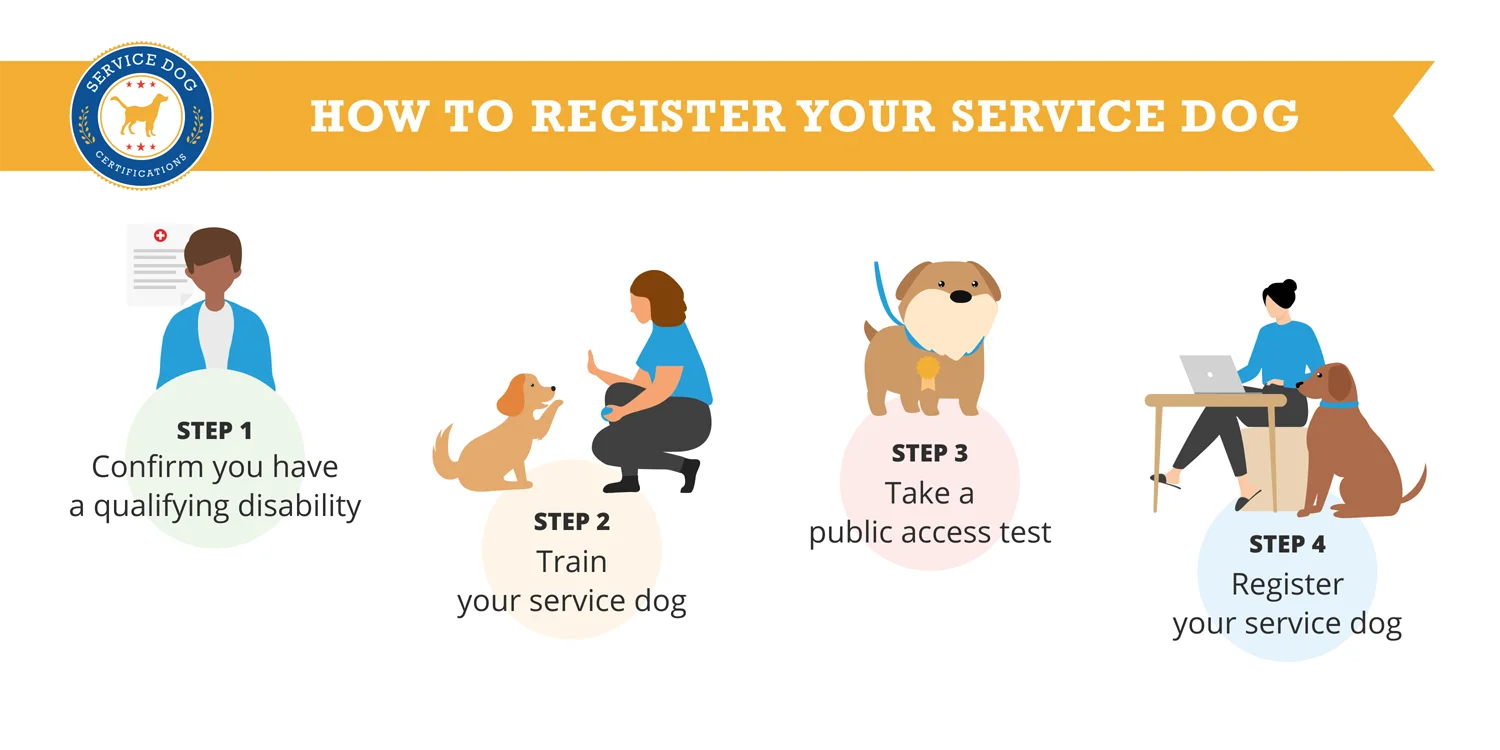
Image Source: www.servicedogcertifications.org
Deciphering the Service Dog Training Timeline
Training a dog to become a working service animal is a big job. It takes a lot of time, hard work, and patience. People often ask about the service dog training timeline. It is not a quick process. We need to look closely at all the stages involved to get a clear picture. This journey turns a regular pet into a life-saving partner.
Puppy to Service Dog Timeline: Early Development
The process often starts when the puppy is very young. This early stage is vital for building a strong foundation.
Early Socialization (8 Weeks to 16 Weeks)
This is the first major step in the puppy to service dog timeline. Puppies need to see and experience many things. They must learn that the world is safe.
- See different people (old, young, different looks).
- Hear various sounds (traffic, alarms, crowds).
- Walk on different surfaces (carpet, grass, metal).
- Handle new objects gently.
If a puppy misses this stage, future public access can be very hard. Good socialization prevents fear and aggression later on.
Basic Obedience Training (4 Months to 1 Year)
Once socialized, the focus shifts to basic manners. These are the building blocks for advanced tasks. This stage covers the steps to train a service animal.
- Sit, Stay, Down, Come: These commands must be rock solid.
- Loose-Leash Walking: The dog must walk beside the handler without pulling, even with distractions.
- Recall: The dog must come back instantly when called.
- Leave It: This is crucial for safety, stopping the dog from touching dropped food or dangerous items.
This phase often takes several months of daily practice.
Advanced Task Training: The Core of Service Work
This is where the training gets specific. A service dog must perform tasks that mitigate a person’s disability. This is the longest part of the duration for assistance dog training.
Task Identification and Teaching
The trainer must first know exactly what tasks the dog needs to perform. For example, a dog for mobility support learns to brace or retrieve dropped items. A psychiatric service dog learns deep pressure therapy or interrupting harmful behaviors.
Teaching these tasks takes repetition. A dog might need hundreds of repetitions to make a complex action automatic.
- Retrieval Tasks: Picking up keys, phones, or medication.
- Medical Alert Tasks: Smelling changes in blood sugar or upcoming seizures. This relies heavily on the dog’s natural instincts, sharpened by training.
- Mobility Support Tasks: Helping someone keep balance or open/close doors.
Generalizing the Behavior
A service dog cannot only perform a task in a quiet living room. It must do it perfectly in a busy grocery store, on a loud bus, or in a doctor’s waiting room. This process of making the behavior automatic everywhere is called generalization. It adds significant time to the overall training schedule.
Public Access Training: Preparing for the World
A service dog must behave perfectly in public. This is essential for the handler’s safety and to maintain public trust in service animals. This phase tests the dog’s training under pressure.
Exposure and Desensitization
The team practices going to many different public places. They start small and build up to very busy, distracting areas.
| Location Type | Focus of Training |
|---|---|
| Quiet Stores | Maintaining heel position near shelves. |
| Busy Malls | Ignoring crowds, food smells, and moving escalators. |
| Medical Offices | Remaining calm during long waits or near loud machines. |
| Transportation | Handling loud noises like buses or trains. |
This phase demands constant vigilance from the trainer. Any mistake or poor reaction must be corrected immediately. This ensures the dog meets the high standard required for public access rights under the ADA (Americans with Disabilities Act) in the US.
Service Dog Training Time Commitment: Factors That Shift the Schedule
The general service dog training time commitment is large, but several key things can speed it up or slow it down significantly.
Factor 1: The Type of Disability and Tasks
The complexity of the required tasks directly impacts the timeline.
- Simple Tasks: A dog trained only to alert its handler to a ringing phone might take less time.
- Complex Tasks: A dog trained to guide a visually impaired person (Guide Dog) or interrupt severe self-harming behaviors requires deep, specialized training. This extends the time needed substantially. Guide dog training is often one of the longest programs.
Factor 2: The Dog’s Breed and Temperament
Not every dog is suited for service work. Good candidates have stable temperaments, low drive for prey (chasing squirrels), high desire to please, and good nerve strength.
- Breeding: Dogs from lines specifically bred for service work often learn faster because their natural tendencies align with the job requirements.
- Temperament: A naturally calm, confident puppy might progress faster through socialization than a shy puppy needing extra confidence-building exercises.
Factor 3: Trainer Experience and Methods
The skill of the person running the program matters a lot.
- Professional Programs: These often have structured curricula and experienced staff, potentially leading to a more predictable timeline. They manage the whole process, often covering the cost and duration of service dog training in fixed packages.
- Owner Training: When the disabled individual trains their own dog, the time commitment is often longer. The handler is learning both the dog training skills and managing their disability at the same time. This means progress can be slower.
Factor 4: Consistency of Training
This is perhaps the most critical point. Service dog training is not just formal sessions. It is a 24/7 lifestyle.
- A dog trained professionally receives hours of focused work daily.
- An owner-trained dog relies on brief, frequent training sessions interspersed with daily life. If the owner misses several days of practice, skills can fade, forcing the trainer to backtrack and adding weeks or months to the total time.
How Long Does It Take to Certify a Service Dog?
The question of how long does it take to certify a service dog is nuanced because, in the United States, there is no federal certification process required by the ADA.
The ADA Stance
The Americans with Disabilities Act (ADA) does not require dogs to be certified, registered, or wear special identification to qualify as a service animal. The dog simply needs to be individually trained to perform tasks directly related to the handler’s disability.
Certification, therefore, is usually an internal standard set by the training program or a voluntary standard chosen by the handler for proof or acceptance by certain private entities.
Program Certification Timelines
If you go through a reputable training organization, they will have their own standards for graduation. This usually involves rigorous testing covering all trained tasks and public access manners.
If the organization certifies the dog, the “certification” process happens at the end of their set program length, typically after the 1.5 to 2-year mark when the dog is deemed fully proficient.
Comparing Service Dog Training vs. Emotional Support Dog Training
Many people confuse Service Dogs (SDs) with Emotional Support Animals (ESAs). The training requirements and time commitment are vastly different.
Time Required for Emotional Support Dog Training
The time required for emotional support dog training is significantly shorter. ESAs provide comfort simply by being present. They do not require specialized task training or rigorous public access standards.
| Feature | Service Dog (SD) | Emotional Support Dog (ESA) |
|---|---|---|
| Primary Function | Performs specific tasks to mitigate a disability. | Provides comfort through companionship. |
| Task Training | Extensive (e.g., retrieving meds, bracing). | Minimal; focus on basic manners. |
| Public Access | Required to perform tasks in public; must behave perfectly. | No federal access rights to public places (like restaurants). |
| Training Duration | 1.5 to 2+ years. | A few months for basic manners, if any specialized training is sought. |
ESAs mainly need basic obedience and good house manners. Because they do not need complex task training, the service dog training time commitment for an ESA is very low by comparison.
Cost and Duration of Service Dog Training: The Investment
The cost and duration of service dog training are closely linked. Higher cost often reflects more intensive, professional, and specialized training over a longer period.
Professional Program Costs
Programs run by large non-profits or private organizations are expensive because they cover:
- The cost of acquiring high-quality breeding stock or puppies.
- Veterinary care, food, and housing for up to two years.
- Salaries for highly skilled trainers.
- The extensive testing and support provided after placement.
Because these programs invest so much time (the 1.5 to 2 years), the resulting cost reflects that massive commitment of resources.
Owner Training Cost and Duration
Owner training saves money on labor, but the timeline might stretch longer if the owner has a steep learning curve. While the monetary cost is lower, the time cost—the owner’s investment of personal hours—is very high. They must dedicate significant portions of their day, every day, to reinforce skills learned over the two-year period.
Interpreting the Service Dog Training Stages
We can break down the total time into percentages to see where the most effort goes.
- Foundation (Socialization & Basic Obedience): About 30% of the total time. This establishes the dog’s character.
- Task Training: About 45% of the total time. This is the specialized work that qualifies the dog.
- Public Access & Proofing: About 25% of the total time. This ensures reliability under all conditions.
If a dog is owner-trained, the timeline might allocate more time to Foundation work simply because the handler is simultaneously learning how to teach effectively.
How Long Does It Take for Different Service Roles?
Different specialties have different needs, affecting the overall time.
| Service Dog Type | Typical Time Range (After Puppyhood) | Primary Training Focus |
|---|---|---|
| Mobility Assistance | 18 to 24 months | Physical strength, bracing, retrieving heavy objects. |
| Diabetic Alert | 16 to 22 months | Scent detection training and precise alerting. |
| Seizure Response | 20 to 30 months | Recognizing subtle pre-seizure cues and offering aid during/after an event. |
| Guide Dog | 24 to 30 months | Navigating complex urban environments safely. |
As you can see, roles that require sensing subtle biological changes (like alert dogs) or managing complex movement (like guide dogs) often require more time to reach reliability.
Factors Affecting Service Dog Training Time
To summarize the variables, we must look at the major factors affecting service dog training time.
Health and Developmental Milestones
Dogs cannot progress past certain stages until they are physically and mentally mature enough. For instance, a dog should not be fully weighted for mobility tasks until its growth plates have closed (around 14-18 months). Pushing physical training too early can cause lifelong injury, thus slowing down the timeline to ensure safety.
Handler Readiness
If the dog is being trained for a specific handler (owner-training), the handler’s own health and availability are huge factors. If the handler experiences a flare-up of their disability, training stops, and the dog might regress slightly.
Handler Transfer Period
Once a professional program has finished its intensive training (say, at 18 months), the dog is usually placed with the disabled individual. This “transfer period” can last several weeks or months. During this time, the dog learns to apply its tasks specifically to that handler’s body language and needs. This is crucial final step that adds time before the team is truly operational.
The Reality of Setbacks
Training is rarely linear. Setbacks happen. A dog might become momentarily afraid of loud trucks, requiring weeks of careful re-exposure work. Or, a dog might stop performing a task reliably, requiring the trainer to return to earlier stages for review. These necessary pauses stretch the service dog training timeline.
Conclusion: Time as an Investment
Training a service dog is a long-term investment, usually spanning 1.5 to 2 years of consistent effort. This average service dog training length reflects the intense physical and behavioral preparation needed for the dog to become a reliable partner capable of working safely in any environment. Whether choosing a professional program or tackling owner training, respecting the required time commitment ensures the resulting partnership is safe, effective, and life-changing for the handler.
Frequently Asked Questions (FAQ) About Service Dog Training Length
Can I train my own service dog faster than a professional program?
Generally, no. While owner-training can sometimes seem faster because you skip waiting lists, the actual time required to reach the necessary reliability standard is often the same or longer. Professional programs have established, proven curricula that maximize efficiency. Owner-trainers must spend time learning how to train effectively, which extends the service dog training timeline.
Is there an age limit for starting service dog training?
While the foundation work starts early (8 weeks), formal, advanced task training usually begins between 8 months and 1 year old, once basic obedience is mastered. Most reputable programs aim to have dogs fully operational by 2 years old, though some specialized roles may extend this slightly.
What happens if training takes longer than two years?
If a dog needs more than two years, it might be determined that the dog lacks the specific temperament or drive for that exact role. The dog might be “career changed” to a different, less demanding role (like therapy work) or retired from service training altogether. A dedicated trainer will never rush a dog if it means compromising safety or reliability.
Does scent detection training (like for allergies or diabetes) take longer?
Yes, tasks involving scent detection often require more dedicated time. The dog must learn to ignore countless other smells and alert only to the specific target scent. This deep scent discrimination work can add several months to the overall duration for assistance dog training.