
The typical duration of pain medication for dog spay procedures usually ranges from 3 to 7 days, but this depends entirely on what your veterinarian prescribes based on your dog’s specific needs and recovery progress.
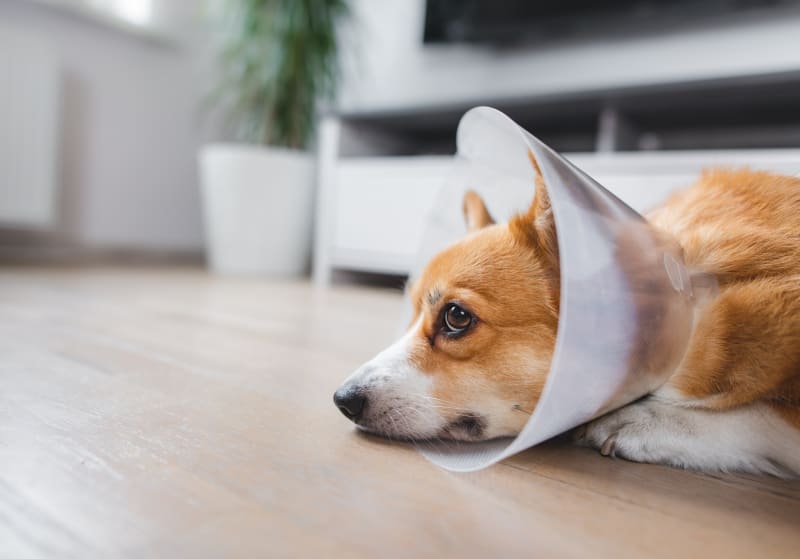
Image Source: d2zp5xs5cp8zlg.cloudfront.net
Guiding Your Dog Through Spay Recovery: Pain Management Timeline
A dog spay, or ovariohysterectomy, is a common surgery. While routine, it still causes temporary discomfort. Proper post-operative pain management dog care is key for a fast and happy recovery. Knowing when and how long to give pain relief is a big part of this care.
The Immediate Post-Surgery Period
Right after the surgery, your dog will likely receive strong pain relief. This might be an injection given by the vet or clinic staff before you even pick them up. This first dose starts the healing process immediately.
Initial Pain Control at the Clinic
Vets use several methods to make sure the first 24 hours are as comfortable as possible. They want your dog to start feeling better quickly.
- Injectable Medications: These often work fast and last for many hours. They manage the initial, sharpest pain.
- Preemptive Analgesia: Smart vets give pain medicine before the pain gets bad. This makes the whole recovery smoother.
Bringing Your Dog Home: Starting Oral Medication
Once you take your dog home, the focus shifts to oral pain relief. This is usually done on a strict schedule.
Veterinarian Prescribed Pain Relief Dog Protocols
Your vet will send you home with specific instructions. It is vital to follow these exactly. Do not guess about dosages or timing.
Common Types of Pain Medication Used:
| Medication Class | Example Drugs (Veterinary Use) | Typical Duration | Key Use |
|---|---|---|---|
| NSAIDs | Carprofen (Rimadyl), Meloxicam (Metacam) | 5 to 10 days | Reducing swelling and general pain. |
| Opioids | Tramadol, Gabapentin (often combined) | 3 to 5 days (for immediate severe pain) | Stronger, short-term relief for breakthrough pain. |
NSAIDs for dogs after spay are often the backbone of the pain plan. They reduce inflammation around the incision site. This is crucial for comfort.
Why Strict Timing Matters
If you give the medicine too late, your dog’s pain can spike. This makes them anxious and harder to manage. Giving the medicine exactly on schedule keeps a steady level of pain relief in their system. This steady level is much better than large peaks and valleys of pain relief.
The Canine Spay Recovery Timeline: What to Expect Day by Day
Recovery is a journey. Pain levels change day by day. Being aware of this timeline helps you know when to keep giving meds and when to start tapering off.
Days 1 and 2: The Toughest Days
These first two days are usually the hardest. Your dog is adjusting to the wound and the effects of anesthesia wearing off completely.
- Focus: Consistent pain relief. Keep the dog calm and quiet.
- Activity: Very limited. Short, supervised potty breaks only.
Days 3 to 5: Improvement Begins
Most dogs start to feel noticeably better during this time. They may eat better and move a bit more normally.
- Focus: Continuing scheduled medication. This is often when vets recommend finishing the NSAID course.
- Monitoring: Watch closely for signs that pain is still present even with the meds.
Days 6 to 10: Near Normalcy (But Still Healing)
By day seven, the deeper healing is well underway. However, the tissue still needs time to fully repair.
- Focus: When to stop giving pain meds to dog after surgery becomes a key question here. If the vet said 7 days, you should be stopping around now.
- Incision Check: The surgical site should look clean and closed.
Deciphering Dog Pain Levels After Spay
How do you know if the medicine is working? You must learn to read your dog’s subtle signals of dog discomfort after sterilization. Dogs naturally hide pain well.
Red Flags Indicating High Pain
If you see these signs, the pain medication schedule needs an urgent review with your vet.
- Excessive panting when resting quietly.
- Lethargy that does not improve with medication.
- Whining or crying, especially when moving or being touched near the incision.
- Refusing to eat or drink for more than 12 hours.
- Aggression or snapping when approached—a clear sign of guarding painful areas.
Assessing Mild Discomfort
Some mild signs might mean the medication is wearing off between doses, or that the duration of the prescription is ending soon.
- Reluctance to jump onto furniture.
- Walking stiffly, especially after waking up.
- Excessive licking or chewing at the incision site (though this can also mean infection).
Monitoring dog pain levels after spay requires careful observation when the dog is resting and when they are asked to move. A pain scoring chart provided by your vet can be very helpful during this period.
Opioid Use in Dogs After Surgery: Short-Term Power
Sometimes, the initial pain is too severe for just NSAIDs. This is where opioid use in dogs after surgery comes into play.
Tramadol and Similar Medications
Tramadol is often prescribed for a few days. It works differently than NSAIDs and helps target the severe pain signals.
- Short Duration: Opioids are rarely prescribed for long-term use after a routine spay. They are for acute, intense pain management only.
- Side Effects: You might notice your dog seems a bit “dopey” or constipated when taking these stronger drugs. Report any severe side effects immediately.
The goal is to bridge the gap from the surgery to when the NSAIDs take full effect, usually about 3 to 5 days.
Wound Care and Medication Synergy
Pain management is linked closely to proper dog incision care after neuter procedures. A clean, dry incision heals faster and hurts less.
Keeping the Incision Dry and Clean
If the incision gets infected or starts to separate, pain will increase regardless of the medication given.
- The Cone of Shame (E-Collar): This is non-negotiable. Licking the incision site introduces bacteria and pulls at stitches.
- Inspection: Check the incision twice daily. Look for redness, swelling, or discharge.
- Rest: Strict rest limits strain on the stitches, which naturally reduces pain.
When the incision looks perfect, it’s a good sign that the internal healing is also progressing well, making the need for medication less urgent.
When to Stop Giving Pain Meds to Dog After Surgery: Tapering Off
This is perhaps the most common owner question. Stopping medication too soon causes a rebound in pain. Stopping too late can sometimes lead to other issues, like stomach upset from long-term NSAID use.
The Vet’s Guidance is Supreme
Never stop medication unless directed by your veterinarian. They base their recommendation on:
- The complexity of the specific spay procedure performed.
- The dog’s reaction to the medication dosage.
- The physical appearance of the incision site.
Tapering vs. Full Stop
For NSAIDs, your vet might advise a gradual taper (e.g., cutting the dose in half for the last two days). For other meds like Tramadol, a sudden stop after the prescribed course is often acceptable because they were only intended for acute use.
Table: Decision Points for Stopping Pain Medication
| Situation | Action Required | Reason |
|---|---|---|
| Scheduled course (e.g., 7 days of NSAIDs) is complete. | Stop medication as directed by the vet. | Healing should be adequate for the body to manage mild discomfort. |
| Dog still seems painful on Day 5 of 7-day course. | Call the veterinarian immediately. Do NOT extend the dose yourself. | Requires a change in medication or dosage adjustment. |
| Dog is acting completely normal and has no signs of pain by Day 3. | Do not stop early unless the vet approves. | Internal healing requires continuous anti-inflammatory support. |
Long-Term Pain Management vs. Acute Post-Spay Pain
It is important to separate the temporary pain from chronic issues. A routine spay should result in a short course of pain management. If your dog needed pain meds for longer than two weeks, it suggests a complication or a pre-existing condition that needs attention.
NSAIDs for dogs after spay are safe when used short-term and as prescribed. However, long-term use requires regular blood work to monitor liver and kidney function. This is why strict adherence to the prescribed duration is essential.
Supporting Recovery Without Pills
While medication handles the intense pain, other supportive measures help your dog feel better overall. These actions complement the pain relief protocol.
Creating a Healing Haven
Your dog needs a calm, safe space to recover. This environment reduces stress, which can heighten the perception of pain.
- Comfortable Bedding: Use orthopedic or soft bedding to avoid putting pressure on sensitive areas.
- Temperature Control: Keep the area warm but not too hot.
- Limited Stairs: Restrict access to stairs completely for the first week or two.
Gentle Activity and Physical Comfort
Gentle movement is good for circulation, but overdoing it causes pain.
- Leash Walks Only: Keep walks extremely short and slow—just for bathroom breaks. No running, jumping, or playing fetch until cleared by the vet.
- Massage (Gentle): Very light, slow strokes on areas away from the incision can be calming. Never press on the abdomen.
Fathoming the Role of the Veterinarian
Your vet is your primary resource for this entire process. They manage the specific pharmacology for your pet.
Why Prescription vs. Over-the-Counter?
Never give your dog human pain relievers like Tylenol (acetaminophen) or Advil (ibuprofen). These are extremely toxic to dogs, even in small doses. Veterinarian prescribed pain relief dog options are specifically formulated to be metabolized safely by canine bodies.
If you notice your dog needs more doses than prescribed to stay comfortable, this is not a sign that you can safely increase the dose. It is a sign you need to call the clinic for advice on adding a supplemental medication or changing the existing one.
Interpreting Side Effects
Every medication has potential side effects. Knowing what to look for is part of responsible care during the canine spay recovery timeline.
NSAID Side Effects to Watch For:
- Vomiting or diarrhea.
- Loss of appetite.
- Lethargy that is unusual or worsening.
- Dark, tarry stools (a sign of internal bleeding).
If you see any of these signs, stop the NSAID and call your vet right away. They may switch you to a different type of anti-inflammatory or recommend stomach protection medication.
Preparing for the Transition Away from Meds
As the time approaches to stop the medication, prepare for a small dip in comfort. This is normal as the body takes over the pain management role fully.
Transition Strategy
If your vet suggests tapering the NSAIDs, ensure you follow the reduced schedule precisely. Often, the final few days are about managing minor aches as the last bits of surgical swelling resolve.
If the dog is completely off prescription meds and still seems slightly uncomfortable after 10–14 days, talk to your vet about safe, long-term supportive supplements like veterinary-approved joint support formulas, though this is rare after a routine spay.
The goal is always to keep the dog comfortable enough to rest and heal properly, ensuring the duration of pain medication for dog spay is just long enough to facilitate that healing without being prolonged unnecessarily.
Frequently Asked Questions (FAQ)
What if my dog eats an entire day’s worth of pain medication at once?
Call your veterinarian or the Pet Poison Helpline immediately. Do not wait for symptoms to appear. Overdosing on NSAIDs can cause severe kidney or liver damage quickly.
Can I use ice packs on my dog’s incision site instead of more pain meds?
For the first 24-48 hours, a very brief application of a cold pack (wrapped in a towel, no more than 10 minutes) can help with localized swelling, but this should only be a supplement to, not a replacement for, veterinarian prescribed pain relief dog protocols. Discuss this with your vet first.
My dog seems fine, can I stop the NSAIDs early?
It is strongly recommended that you complete the full course prescribed by your veterinarian. Stopping early means the internal inflammation fighting stops early, which can prolong healing time and potentially lead to a spike in pain later.
What should I do if my dog keeps licking the incision despite the E-collar?
Licking causes pain by disturbing the stitches. If the E-collar is failing, ask your vet about surgical recovery suits or bodysuits. Do not apply any creams or ointments unless specifically directed by your vet, as these can interfere with healing or be ingested.
Is it normal for my dog to be moody or grumpy while on pain meds?
Yes, some dogs react to the medication, particularly opioids like Tramadol, by becoming slightly lethargic, clingy, or even temporarily irritable. This is part of monitoring dog pain levels after spay—observe if the moodiness resolves shortly after the dose wears off. If it persists, consult your vet.