
Dog poop can take anywhere from a few weeks to several years to fully decompose, depending heavily on the environment it is left in.
This simple pile of dog waste seems harmless, but how long it sticks around matters a lot. We need to look closely at dog waste decomposition time to see the real impact of leaving it on the ground. Many people wonder about the canine feces breakdown rate. This rate is not fixed; it changes based on weather, soil, and what the dog eats. Leaving pet waste everywhere is more than just messy; it has a real environmental impact of dog poop. Let’s explore what happens after your dog goes potty outside.
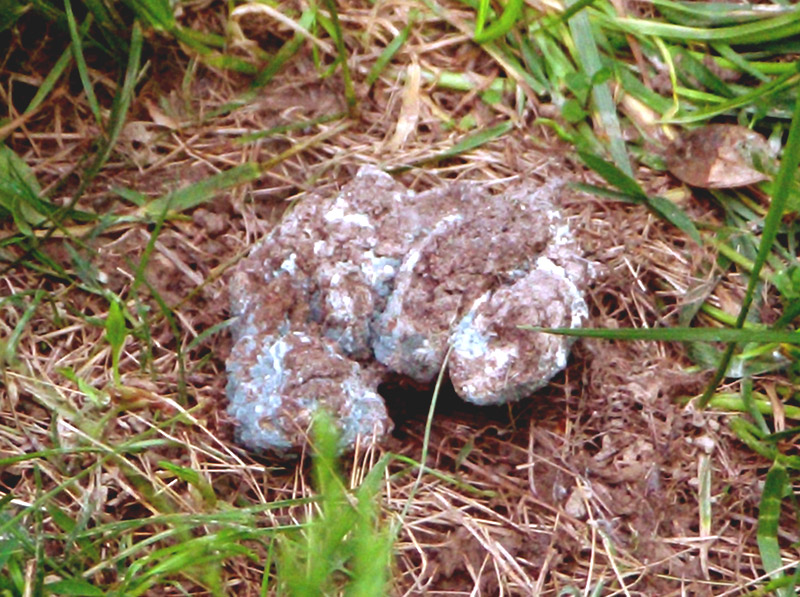
Image Source: www.petpooskiddoo.com
Why Dog Poop Doesn’t Vanish Quickly
It is a common myth that dog poop just disappears fast like wild animal droppings. This is not true for household pets. Wild animals often eat things that break down easily. Dogs, however, eat food made for pets. This food might have more things that take longer to break down. So, how long does dog waste last? The answer depends on many things we will discuss now.
Diet Plays a Big Role
A dog’s diet greatly affects how fast its poop breaks down. A dog eating a highly processed diet will produce waste that decomposes slower.
- High-Protein Diets: More protein means more nitrogen. This can speed up some parts of the breakdown process initially.
- Processed Foods: These often contain additives and fillers that microbes find hard to digest. This slows down the whole process.
- Raw Food Diets: Raw food often results in firmer stools with less undigested material, which might break down faster in the right setting.
The Soil and Climate Connection
The place where the poop lands is super important. Different soils and weather conditions change the speed of decay.
Temperature Effects
Heat speeds things up. Cold slows them down a lot.
- Warm Weather: Bacteria and fungi, the little helpers that eat the waste, work faster when it is warm.
- Cold Weather/Freezing: When it gets very cold, these tiny helpers become mostly inactive. The poop essentially freezes and pauses its breakdown. This is why poop can last all winter long in cold climates.
Moisture Levels
Water is key for life, including the life that eats the poop.
- Wet Conditions: Enough moisture helps the microbes thrive. They need water to move and eat the waste.
- Very Dry Conditions: If the soil is too dry, the breakdown process stalls. The waste dries out and becomes hard, resisting quick decay.
The Dog Poop In Soil Timeline: What Happens Step-by-Step
When dog poop hits the dirt, a few stages of decay begin. This process relies heavily on the activity of microorganisms. This is the microbial breakdown of dog excrement in action.
Stage 1: Initial Drying and Hardening
Right after it is dropped, the fresh stool loses water quickly, especially on a hot, sunny day. It becomes solid and hard. This protective outer layer shields the inside, slowing down the first steps of decay.
Stage 2: Surface Colonization
Tiny living things, like bacteria and fungi, start to move in. They try to break down the easiest parts of the waste first—the sugars and simple proteins. This is where the main action starts. The speed of this stage tells us a lot about the canine feces breakdown rate.
Stage 3: Deeper Breakdown and Transformation
As the outer layers soften, the microbes work deeper into the pile. They turn complex materials into simpler ones. The pile starts to shrink and darken. Depending on the factors affecting dog poop decomposition, this stage can last weeks or months.
Stage 4: Final Mineralization
This is the very last step. The remaining organic matter breaks down into basic minerals. These minerals can then be used by plants. When this stage is complete, the waste is fully gone, proving the biodegradability of dog feces under ideal conditions.
Factors Affecting Dog Poop Decomposition in Detail
We need a closer look at what shifts the time frame from weeks to years.
| Factor | Effect on Decomposition Speed | Why It Matters |
|---|---|---|
| Temperature | High heat speeds it up; freezing stops it. | Microbes need warmth to work well. |
| Moisture | Moderate dampness speeds it up; too dry or too wet slows it. | Water is needed for microbial life processes. |
| Aeration (Oxygen) | Good oxygen flow speeds up breakdown. | Most decay microbes need air (aerobic). |
| Waste Consistency | Soft, moist waste breaks down faster than dry pellets. | Surface area exposure is key for microbes. |
| Shade vs. Sun | Sun can dry it out too fast, but heat helps. Shade keeps moisture longer. | It is a balance between heat and water retention. |
If you leave poop on hard pavement or packed snow, the time it takes to disappear stretches out significantly because moisture and microbes cannot easily access it.
The Environmental Impact of Dog Poop
Why should we care how long it takes to break down? Because leaving dog waste around causes real problems for our world.
Water Pollution
When rain falls on dog poop, it washes germs and nutrients into storm drains. These drains often lead straight to rivers, lakes, and streams.
- Bacteria and Parasites: Dog feces carry harmful bacteria like E. coli and Salmonella. They also carry parasites like roundworms and hookworms. These can make water unsafe for swimming and harm wildlife. This highlights the health risks of undigested dog waste.
- Nutrient Overload (Eutrophication): Dog waste is rich in nitrogen and phosphorus. When too much washes into water bodies, it feeds massive algae blooms. These blooms use up all the oxygen when they die, suffocating fish and other aquatic life.
Soil Contamination
Even in the soil, the initial breakdown phase releases these harmful pathogens. While the soil eventually cleans itself, the process takes time. If the waste does not fully decompose, those germs linger.
Attracting Pests
Leftover waste attracts insects like flies and rodents, which can spread germs further into your yard or neighborhood.
Differentiating Pet Waste from Wildlife Droppings
It is vital to know why dog waste decomposition time is longer than you might think, especially when compared to deer or rabbit droppings.
Wildlife diets are typically plant-based. Their digestive systems are highly efficient at breaking down cellulose (plant matter). This results in droppings that are mostly plant fiber, which soil microbes love. These droppings often integrate into the soil in just a few weeks.
Dog poop, due to a carnivorous diet, contains more undigested proteins and fats. These materials are harder for common soil microbes to process quickly. This difference means that even when left outdoors, how long does dog waste last is significantly longer for canine feces.
Addressing the Health Risks of Undigested Dog Waste
The primary concern with not picking up waste relates to pathogens. These are disease-causing agents.
- Roundworms (Toxocara canis): Dog roundworm eggs can survive in the soil for years. If a child plays in contaminated soil and then touches their mouth, they can ingest the eggs, leading to serious illness.
- Giardia and Cryptosporidium: These protozoa are common in dog stools and cause severe gastrointestinal issues in both humans and other animals.
The longer the poop sits, the more time these pathogens have to spread through runoff or be tracked around by pets or people.
Safe Disposal and Management Options
Since leaving it on the lawn is risky and slow, what are the better choices? Disposal methods directly impact the dog poop decomposition time goal.
1. The Standard Trash Can
This is the most common method. The waste is sealed in a plastic bag and sent to a landfill. In a landfill, the waste is usually buried deep, away from oxygen and light. This anaerobic environment drastically slows down decomposition. In a plastic bag in a landfill, dog poop can last for many years—perhaps decades.
2. Flushing (Use Caution)
Some municipalities allow flushing small amounts of dog waste down the toilet, provided your septic system or sewer system can handle it. However, many experts advise against this. Pet waste often contains pharmaceuticals and hardy pathogens that standard water treatment plants are not designed to fully eliminate.
3. Composting Dog Waste Guidelines
Can you compost dog poop like garden waste? Generally, no, not for use on edible gardens.
Dog poop compost is often called “hot composting,” but achieving the necessary high temperatures consistently to kill all the pathogens is very difficult in a backyard setup.
Rules for Safe Dog Waste Composting:
- Use a dedicated tumbler or bin: Never mix it with yard or kitchen scraps meant for vegetable beds.
- Temperature Monitoring: The pile must consistently reach 140°F (60°C) or higher for several days to kill most pathogens.
- Purpose: Composted dog waste should only be used on non-food landscaping, like flower beds or ornamental areas, after a long curing period (at least 9–12 months).
This method aims to accelerate the biodegradability of dog feces under controlled, high-heat conditions.
4. Specialized Waste Disposal Services
There are growing numbers of services that collect pet waste specifically for industrial-grade composting or anaerobic digestion. These facilities manage the high heat and conditions needed to safely process the waste, offering the fastest true decomposition outside of burial in quicksand.
Deep Dive into Microbial Breakdown of Dog Excrement
The core of decomposition is biology. We rely on nature’s cleanup crew.
Aerobic Decomposition (With Oxygen):
This is the fastest method. Bacteria use oxygen to “breathe” while they eat the waste. They turn organic matter into carbon dioxide, water, and stable humus. This requires loose soil, oxygen penetration, and moisture—ideal for quick breakdown in a well-aerated compost pile.
Anaerobic Decomposition (Without Oxygen):
This happens when waste is buried deep or packed tightly in a plastic bag. Without oxygen, different types of microbes take over. This process is much slower and often produces methane, a potent greenhouse gas, rather than just CO2. This is why landfill waste persists so long.
How Long Does It Really Take? A Comparison Table
To summarize the wide range of possibilities regarding how long does dog waste last:
| Environment | Estimated Decomposition Time | Key Limiting Factor |
|---|---|---|
| Ideal Hot Compost Bin | 1–3 Months | Requires strict heat management. |
| Bare Soil (Warm, Moist Summer) | 2 Weeks – 3 Months | Moisture and microbial access. |
| Cool, Shaded Soil | 6 Months – 1 Year | Lower temperatures slow microbe activity. |
| Frozen Ground (Winter) | Remains largely intact until Spring thaw | Near-zero microbial activity. |
| Landfill (Sealed Plastic Bag) | Many Years (Decades+) | Lack of oxygen and light. |
The wide variance highlights why responsible cleanup is essential. If you live in an area with long winters, the dog poop in soil timeline pauses for months every year.
Practical Steps for Responsible Pet Owners
We can actively manage the timeline by choosing better disposal.
- Scoop Immediately: This prevents pathogens from leaching into the ground or water immediately after deposition.
- Use Biodegradable Bags: While these bags will still end up in a landfill mostly intact, they reduce the introduction of plastic into the waste stream compared to traditional bags. If using them, ensure they are certified for the environment you are discarding them into (though most still require industrial composting).
- Check Local Rules: See if your city offers special yard waste collection that can handle pet waste safely.
By being mindful of the science behind the canine feces breakdown rate, we can make better choices that lessen the environmental impact of dog poop in our communities. Quick removal and proper disposal speed up the natural process and drastically reduce the health risks of undigested dog waste.
Frequently Asked Questions (FAQ)
Q: Can dog poop decompose faster if I pour water on it?
A: Adding water helps if the area is very dry, as microbes need moisture. However, simply pouring water on a hard, cold pile won’t magically start the process if the temperature is too low or if the waste is sealed off from air. Too much water can also wash the pathogens away quickly into local water sources.
Q: Is it okay to bury dog poop in my backyard?
A: It is better than leaving it on the surface, but it is not ideal. You should bury it at least 6 to 8 inches deep, away from vegetable gardens, wells, and water sources. Even buried, the dog poop decomposition time will be slow due to limited oxygen.
Q: Does dog poop act as fertilizer?
A: Yes, it contains nutrients like nitrogen. However, because of the high concentration of pathogens and salts, it is generally too “hot” to use directly as fertilizer on grass or food crops until it has fully broken down, which takes a long time.
Q: Why is dog poop often harder than horse manure?
A: Horse manure comes from herbivores eating grass and hay, which is high in cellulose. Dog feces come from carnivores, meaning the waste is denser with undigested proteins and fats, which are chemically more complex for microbes to process quickly.