
The total time commitment for a routine dog spay surgery, from check-in to discharge, typically ranges from four to eight hours, though the actual time the dog is under anesthesia for the ovariohysterectomy surgery length is usually only 30 to 60 minutes.
When planning for your female dog’s sterilization, many pet owners focus heavily on the surgery itself. However, the entire process involves several important steps. Knowing the timeline helps you manage your day and reduce anxiety. This guide will break down the entire female dog sterilization timeline, covering everything from arrival at the vet to bringing your sleepy pup home.
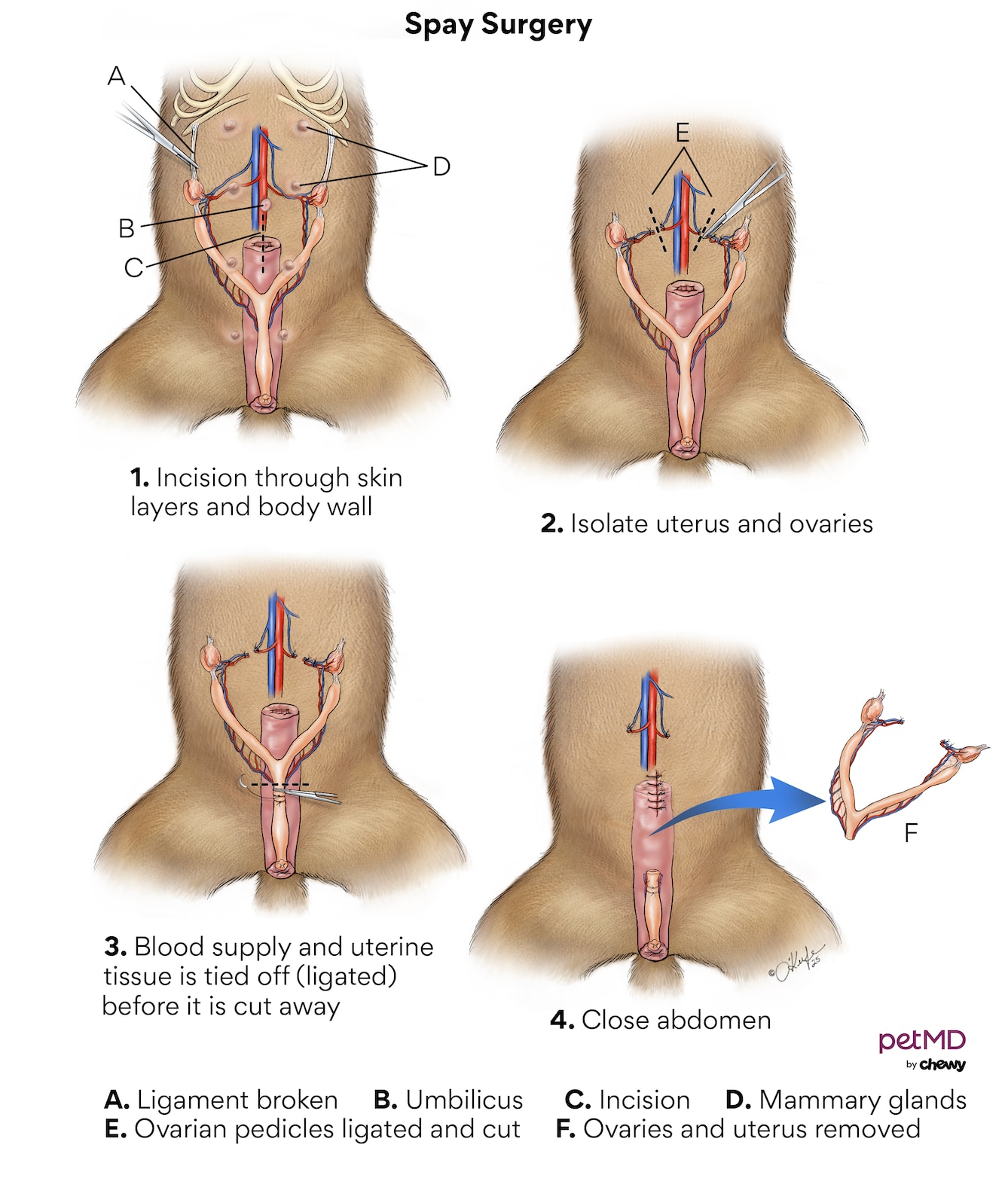
Image Source: image.petmd.com
Grasping the Spay Surgery Duration
The total time your dog spends at the veterinary clinic is longer than just the time the surgeon spends cutting. Several crucial steps happen before and after the actual spay surgery duration.
Pre-Surgery Procedures
Before the surgeon ever enters the room, your dog needs a thorough preparation process. This ensures safety and a smooth operation.
Initial Check-In and Paperwork (Time: 15–30 minutes)
When you drop your dog off, the vet staff will confirm paperwork. They will review consent forms and discuss any last-minute questions. This is your final chance to talk to the vet technician about pre-anesthesia fasting instructions.
Pre-Anesthetic Exam and Bloodwork (Time: 30–60 minutes)
Even if pre-op blood tests were done, a technician will often perform a quick physical check. They check heart rate, breathing, and temperature. If bloodwork wasn’t done recently, it happens now. This is essential to ensure the dog’s organs can handle the anesthesia.
Placing IV Catheter and Fluids (Time: 15–20 minutes)
A nurse places an IV catheter, usually in a leg vein. This line is vital. It allows the vet team to give pain relief, anesthesia, and fluids throughout the procedure. Fluids help keep blood pressure stable.
Administering Sedation (Time: 15–30 minutes)
The vet team gives the initial sedative injection through the IV. This calms the dog down significantly before the final general anesthesia is administered. The dog becomes sleepy and relaxed. This step is critical for reducing stress.
The Ovariohysterectomy Surgery Length
This is the core event. How long is a dog spay procedure? For a routine spay, the actual surgical time is quite short.
Induction of Anesthesia (Time: 5–10 minutes)
Once fully sedated, the final gas anesthesia is administered. The team places a breathing tube. They confirm the dog is deeply asleep and pain-free.
Surgical Time (Time: 30–60 minutes)
The veterinarian carefully scrubs the surgical site. They make a small incision, usually on the midline of the belly. They locate the ovaries and the uterus and carefully remove them. This procedure is called an ovariohysterectomy surgery length.
- Small Dogs: Generally take less time, closer to 30 minutes.
- Large or Overweight Dogs: May take slightly longer, up to an hour or more.
- Complications: If the dog has an unusual anatomy or existing internal issues, the time will increase.
Closing the Incision (Time: 10–20 minutes)
The vet closes the incision layer by layer using sterile sutures. Modern techniques often use absorbable stitches under the skin to reduce the need for suture removal later.
Post-Anesthesia Recovery
After the surgery is done, the dog doesn’t wake up instantly. They must wake up slowly and safely.
Moving to Recovery (Time: 10 minutes)
The dog is moved to a quiet, warm recovery area. The breathing tube is removed once they start swallowing naturally.
Monitoring Wake-Up (Time: 1 to 3 hours)
This is the longest post-operative waiting period for owners. The veterinary staff closely watches vital signs—heart rate, breathing, and temperature—as the dog comes off the anesthesia. Pain medication is given during this time. This careful monitoring minimizes risks.
Spay Surgery Duration Versus Neuter Time
People often ask about the difference between spaying and neutering timelines. Dog neuter vs spay time varies because of the complexity of the organs involved.
| Procedure | Complexity Level | Typical Surgical Time | Key Difference |
|---|---|---|---|
| Male Neuter (Castration) | Low | 5 to 20 minutes | Involves removing testicles through small external incisions. |
| Female Spay (Ovariohysterectomy) | Moderate | 30 to 60 minutes | Involves an internal abdominal incision to remove ovaries and uterus. |
As you can see, spaying involves entering the abdominal cavity, which is why the spay surgery duration is longer than a typical neuter.
The Full Female Dog Sterilization Timeline: From Drop-off to Discharge
To give you a practical idea, here is what a typical day looks like when you schedule your dog for a spay. This schedule uses an average veterinarian spay time estimate of 6 hours total.
| Step | Estimated Time | Total Time Elapsed |
|---|---|---|
| Owner Drop-off & Check-in | 8:00 AM | 8:00 AM |
| Pre-Op Prep (IV, Sedation) | 8:00 AM – 9:00 AM | 9:00 AM |
| Surgery Start | 9:00 AM | 9:00 AM |
| Surgery End (Ovariohysterectomy) | 9:30 AM – 10:30 AM | 10:30 AM |
| Moving to Recovery | 10:30 AM | 10:45 AM |
| Initial Wake-Up Monitoring | 10:45 AM – 1:00 PM | 1:00 PM |
| Discharge & Home Instructions | 1:00 PM – 2:00 PM | 2:00 PM |
If your dog is dropped off at 8:00 AM, you might be able to pick them up between 1:00 PM and 3:00 PM. Always confirm the specific discharge window with your clinic.
Factors Influencing Spay Time
While the average range is established, several factors can make your dog’s specific procedure shorter or longer than the average.
Dog Size and Weight
Larger dogs require more anesthetic drugs, meaning the induction and recovery phases take longer. Furthermore, the surgeon needs more time to navigate a larger abdomen.
Age and Health Status
Older dogs or those with pre-existing conditions (like heart murmurs) require more intensive monitoring. Anesthesia protocols must be adjusted, adding buffer time to the preparation and recovery phases. If the dog is overweight, there is more fat tissue to manage during the surgery itself.
Urgency of the Procedure
A routine, scheduled spay is much quicker than an emergency spay. If a dog is spayed due to a pyometra (a severe uterine infection), the uterus may be swollen, inflamed, and fragile. This increases the risk of bleeding and naturally extends the ovariohysterectomy surgery length.
Surgical Technique Used
Most vets perform a standard flank or midline approach. Some advanced techniques, like laparoscopic (keyhole) spaying, are much faster surgically (sometimes under 20 minutes in experienced hands) but require specialized equipment and generally longer prep/recovery times due to the technology involved.
Post-Op Care After Dog Spay: The Home Stretch
The next phase is crucial for healing: post-op care after dog spay. This phase dictates how quickly your dog returns to normal activity.
Pain Management
Your vet will send your dog home with pain medication. It is vital to give this exactly as prescribed, even if your dog seems fine. Pain control helps your dog rest and prevents them from accidentally over-exerting themselves due to discomfort.
Restricting Activity
Activity restriction is the most important part of recovery. For the first 10 to 14 days, activity must be minimal.
- Leash Walks Only: Until the stitches are checked and approved by the vet (usually 10–14 days), dogs must only go outside on a short leash for bathroom breaks.
- No Running or Jumping: This is when owners ask, “When can my dog go outside after spaying?” They can go outside for potty breaks almost immediately, but vigorous activity must stop entirely. Jumping on furniture or using stairs excessively strains the incision.
Incision Monitoring
Check the incision site twice daily for the first week. Look for:
- Excessive redness or swelling.
- Discharge (yellow or green fluid).
- Stitches pulling apart (dehiscence).
If you notice any issues, call your vet immediately.
Preventing Licking
Dogs instinctively want to lick wounds. Licking introduces bacteria and can pull stitches out. An Elizabethan collar (the “cone of shame”) or a surgical recovery suit must be used constantly until the vet gives the all-clear.
Financial Considerations: Cost of Dog Spaying Procedure
While not directly related to time, the cost of dog spaying procedure is a frequent concern. The price reflects the time commitment, the skill involved, the medications used, and the facility overhead.
Costs vary widely based on:
- Location: Urban areas generally have higher prices than rural areas.
- Dog Size: Larger dogs mean more supplies and longer anesthesia time, increasing the bill.
- Pre-Anesthetic Workup: Including blood tests adds to the final bill.
- Facility Type: Specialty clinics or 24-hour emergency hospitals charge more than general practice clinics.
Generally, the cost of dog spaying procedure ranges from \$200 to \$600 for routine cases, excluding potential complicating factors. Always ask for a written estimate before the drop-off time.
Preparing for the Drop-Off Day
To make sure the preparation phase—which contributes significantly to the overall time—goes smoothly, preparation is key.
Fasting Instructions
Your dog must fast (no food) starting the night before, usually for 10 to 12 hours before the scheduled spay surgery duration. Water is usually restricted a few hours before arrival. This prevents the dog from vomiting while under anesthesia, which can cause fatal aspiration pneumonia.
Final Walk
Give your dog a good, long walk early in the morning before fasting begins or right before you leave for the clinic. This helps them empty their bladder and bowels, reducing the chance of needing to go out right after waking up.
Transportation
Ensure you have a clean, comfortable crate or carrier for the ride home. Your dog will still be groggy and may have difficulty standing or balancing immediately after discharge.
Recovery Timeline Overview
While the surgery is only an hour, the recovery process sets the overall timeline for your dog’s return to normalcy.
| Recovery Phase | Duration | Key Focus | Activity Level |
|---|---|---|---|
| Immediate Post-Op (Clinic) | 2–4 hours | Vital sign stabilization | Minimal movement, heavy sedation |
| First 24 Hours Home | 1 day | Pain management, rest | Very restricted movement, leash only for potty breaks |
| Early Healing | Days 2–10 | Incision monitoring, rest | Leash walks only; no jumping or running |
| Full Healing | Days 10–14 | Stitch check/removal (if applicable) | Gradual return to normal activity after vet sign-off |
After the two-week check-up, if the incision looks good, you can slowly increase activity. Most dogs feel back to normal energy levels within three weeks, but the internal healing continues for longer.
Frequently Asked Questions (FAQ)
What time does the vet usually call after the spay surgery?
Most clinics aim to call you once the dog is fully awake and stable in recovery, typically 3 to 5 hours after the surgery started. This call usually confirms the procedure went well and sets a discharge time.
Can I see my dog immediately after the ovariohysterectomy surgery length is complete?
No. For the safety of your dog, you cannot see them while they are under anesthesia or immediately upon waking up. The veterinary team needs uninterrupted time to monitor the transition out of anesthesia.
Is the cost of dog spaying procedure higher if I use a specialty surgeon?
Yes. Specialty surgeons (like internal medicine or soft tissue surgeons) are often called in for complicated cases (like pyometra or cryptorchid males) and their rates are typically higher than general practice veterinarians.
How soon can my dog go outside after spaying for a short potty break?
After discharge (usually late afternoon), they can go outside on a short leash for bathroom breaks. These outings must be quick, and they must not be allowed to run, play, or explore the yard until cleared by the vet.
Does a routine spay take the same amount of time as a dog neuter vs spay time comparison suggests?
No. The neuter is significantly faster due to the external nature of the surgery. A routine spay takes much longer because it is an internal, abdominal surgery requiring internal stitches.