
A dog’s full digestion time, from eating to waste elimination, generally takes between 24 to 72 hours, though the time it takes for food to pass through the stomach and small intestine—the main canine food breakdown phase—is usually much faster, often ranging from 6 to 8 hours.
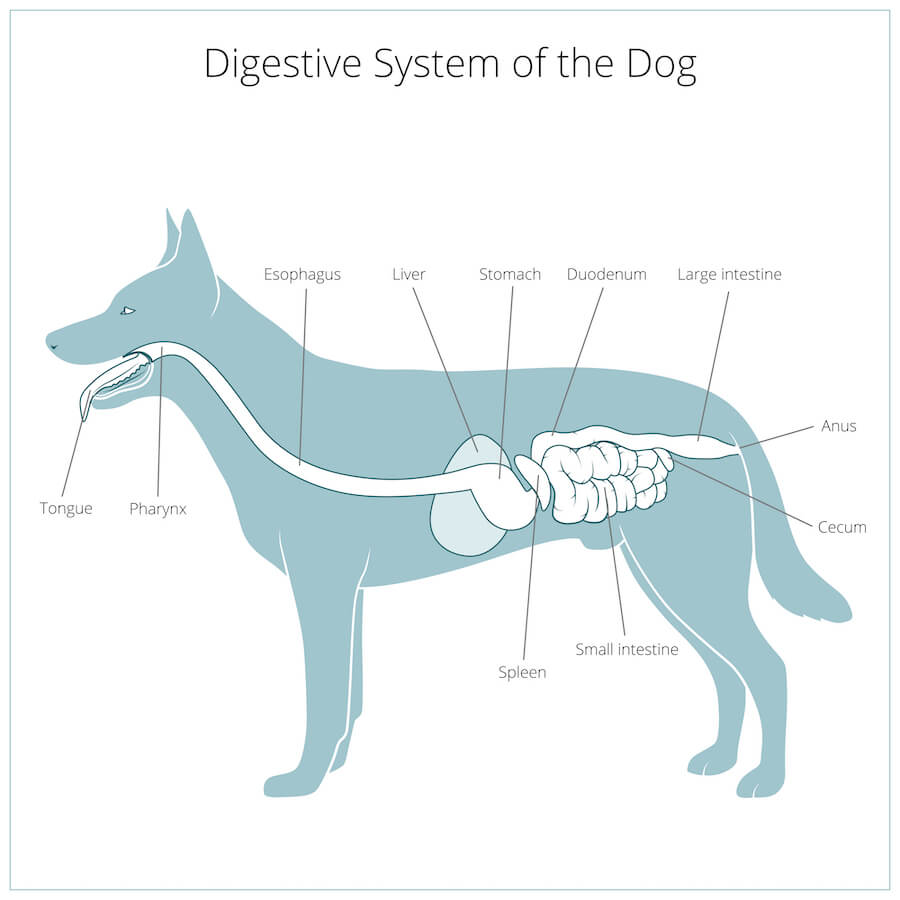
Image Source: blog.myollie.com
Grasping Canine Digestion Speed
The process of moving food through your dog’s body is complex. It involves many steps. We need to look closely at how the food changes. This breakdown helps your dog get the good stuff from its meal. Knowing the normal timeline helps spot when things go wrong. This article will explore the whole journey. We will cover dog digestion time in detail.
The Stages of Dog Food Transit Time
Digestion is not one single event. It has several key stages. Each stage takes a different amount of time.
1. Eating and Swallowing
This is the start. Dogs often eat quickly. They might not chew their food much. Quick eating means less initial mixing with saliva. Saliva starts breaking down some starches.
2. Stomach Emptying Time Dog
The stomach is where the real churning begins. Strong acids and enzymes work hard here. They turn food into a liquid mix called chyme. The stomach emptying time dog is key to the whole process.
- Normal Stomach Time: For most dogs, food leaves the stomach within 1 to 4 hours.
- Food Type Impact: The type of food greatly affects this time. Fats and proteins take longer to process than simple carbs.
3. Small Intestine Processing
The chyme moves into the small intestine. Here, more powerful juices come in. These juices break down fats, proteins, and carbs even more. Nutrients are absorbed into the blood here. This phase is crucial for nutrition.
4. Large Intestine and Waste Formation
What’s left moves to the large intestine. The body pulls out the last bits of water. Bacteria here help break down tough fibers. This forms the solid waste we see later.
5. Elimination
The final step is when the dog poops. The total time from meal to poop is the overall dog food transit time.
Factors Affecting Dog Digestion Speed
Many things change how fast your dog digests food. It is not the same for every dog every day. These variables cause shifts in the timeline.
Age Matters: Puppy vs Adult Dog Digestion
Age plays a big role in digestion speed. Puppy vs adult dog digestion shows clear differences.
- Puppies: Puppies have shorter digestive tracts. Their systems are built for fast growth. Food often moves through them quicker than in adults. However, their systems are also more sensitive to changes.
- Adult Dogs: Adult dogs have a more stable, mature system. Their transit time is generally more predictable.
- Senior Dogs: Older dogs might see a slight slowing down. Their body processes may not work with the same speed as when they were young.
Food Type Impact on Dog Digestion
What your dog eats is perhaps the biggest factor. The composition of the meal greatly affects food type impact on dog digestion.
| Food Component | Effect on Digestion Time | Why? |
|---|---|---|
| High Protein | Longer | Protein needs strong acid and enzyme action to break down fully. |
| High Fat | Longer | Fats slow down stomach emptying the most. They need bile from the liver. |
| High Fiber | Variable | Soluble fiber can slow things down, but insoluble fiber helps move things along faster overall. |
| High Carbohydrate | Shorter | Simple carbs are broken down quickly into sugars for fast energy. |
A diet high in processed foods or hard-to-digest fillers will always take longer. High-quality, whole-food diets are often easier for dogs to process efficiently.
Dog Eating Habits and Digestion
How a dog eats affects the start of the process. Dog eating habits and digestion are closely linked.
- Gobbling Food: Dogs that gulp their food take in a lot of air. This can cause gas and bloating. It can also mean the food isn’t mixed well with saliva right away.
- Meal Size: Large meals take much longer for the stomach to process than several small meals. Overfeeding strains the system.
- Water Intake: Proper hydration is vital. Water helps move food along smoothly. Dehydration slows down the entire GI tract.
Stress and Activity Levels
Just like in people, stress affects the gut. A nervous or anxious dog might have slowed digestion. High activity levels after eating can sometimes upset the stomach, but general daily activity keeps the digestive muscles moving well.
Measuring the Actual Dog Digestion Time
We often try to measure this process. A good way to see the whole picture is to track the input versus the output.
Tracing the Meal
A simple, though not perfectly precise, way to estimate total transit time is tracking treats. If you feed a distinct, new treat (like a carrot stick or a brightly colored biscuit), watch for that color in the stool a few days later.
- Short End Estimate: If you see remnants in 18-24 hours, that’s fast transit.
- Normal Range: Most dogs show signs of the previous meal within 24 to 48 hours.
- Long End Estimate: Seeing recognizable food after 72 hours might point to slower transit.
Veterinary Guide to Dog Digestion
A veterinary guide to dog digestion emphasizes that normal is a range. Vets look at several markers, not just time alone. They check stool quality, appetite, and energy levels alongside transit time. If the time is very short or very long, it signals a need for investigation.
Interpreting Signs of Slow Digestion in Dogs
It is important to spot when digestion is taking too long. Recognizing the signs helps you seek help promptly. Signs of slow digestion in dogs often overlap with other health issues, so observation is key.
Common Indicators of a Sluggish Gut
If your dog’s gut is moving slowly, you might notice these changes:
- Lethargy or Low Energy: The dog feels sluggish because nutrients aren’t being absorbed well or the gut is heavy.
- Changes in Stool: Stools might be unusually large, pasty, or appear days after the meal. Sometimes, there is excessive gas.
- Abdominal Bloating or Discomfort: The dog may look swollen in the belly area or seem reluctant to be touched there.
- Decreased Appetite: If the stomach stays full, the dog won’t feel hungry for the next meal.
- Regurgitation or Vomiting: If food sits too long, it might come back up, often undigested or partially digested.
What Causes Slow Transit?
Slow digestion is usually a symptom, not the main problem. Common causes include:
- Dietary Indiscretion: Eating something rich or spoiled.
- Low-Quality Food: Foods with poor ingredients require more work from the gut.
- Underlying Medical Issues: Conditions like hypothyroidism or exocrine pancreatic insufficiency (EPI) severely slow down digestion.
- Lack of Hydration: Not enough water hinders the movement of chyme.
Maximizing Healthy Gut Function
Focusing on good dog eating habits and digestion helps keep the system running smoothly. You want efficient nutrient absorption and timely elimination.
Mealtime Adjustments for Better Flow
Small changes at mealtime can make a big difference in stomach emptying time dog.
- Slow Feeders: Use puzzle toys or slow-feed bowls. This forces the dog to eat slower. It reduces swallowed air.
- Consistent Timing: Feed your dog at the same times each day. A regular schedule supports a regular gut rhythm.
- Moderate Portions: Do not overfeed. Give only what your dog needs for its activity level.
The Role of Water
Ensure fresh, clean water is always available. Encourage drinking, especially after meals. Water is essential for lubricating the digestive tract. It keeps stool soft and easy to pass.
Incorporating Gentle Exercise
Light activity before and after eating can stimulate the gut muscles. A short, gentle walk after a meal can promote healthy movement through the intestines. Avoid intense running right after eating, as this can cause issues.
Deciphering Food Components and Digestion Rate
To truly master your dog’s digestion, you must look closely at the ingredients list. Every food type impact on dog digestion is measurable through its macro-nutrient profile.
Protein Sources
Different proteins digest at different rates.
- Easier: Eggs, chicken, and white fish are generally absorbed quite quickly.
- Harder: Red meats (like beef or lamb) and certain plant proteins take longer due to higher fat and density.
Fats and Absorption
Fats are energy-dense but require the most complex processing. They trigger the release of hormones that intentionally slow down the stomach. This allows the small intestine enough time to handle the high-fat load. Too much fat, too quickly, leads to digestive upset, not faster digestion.
Carbohydrates and Fiber
Simple carbs burn fast. Complex carbs need more time. Fiber is crucial for regularity.
- Insoluble Fiber: Think of the skin on a sweet potato or vegetable bits. This acts like a broom, adding bulk and pushing things forward. It shortens overall transit time.
- Soluble Fiber: Think of pumpkin pulp. This absorbs water and can slow things down slightly, helping to firm up loose stools.
When to Seek Professional Help
While minor variations are normal, persistent issues need attention. Consult your vet if you see major shifts in your dog’s schedule or stool quality.
Red Flags for Vets
A veterinary guide to dog digestion focuses on these warning signs:
- Vomiting for more than 24 hours.
- Complete refusal to eat for a full day.
- Severe, persistent diarrhea or constipation.
- Visible pain when the belly is touched.
- Weight loss despite eating normally.
These signs suggest that the normal dog food transit time has been severely disrupted, possibly by disease or blockage.
Diagnostic Tools
Vets might use tests to check digestion function:
- Blood Tests: To check organ function (liver, pancreas).
- Fecal Exams: To look for parasites or undigested material indicating malabsorption.
- X-rays or Ultrasound: To check for obstructions or measure how quickly the stomach is emptying.
FAQ Section
How fast does a puppy digest food compared to an older dog?
Puppies generally digest food faster than older dogs because they have shorter intestinal tracts and higher metabolic needs for growth. Their systems process things quickly, but they can also be more sensitive to dietary changes.
Can feeding frequency change dog food transit time?
Yes. Feeding one large meal results in a longer stomach emptying time dog compared to feeding two or three smaller meals throughout the day. Smaller meals keep the digestive system working steadily rather than overwhelming it at once.
Is it bad if my dog digests food too quickly?
If food rushes through too fast, it is called diarrhea or rapid transit. This means the body doesn’t have enough time for proper nutrient absorption. This is often indicated by large, loose stools shortly after eating.
Does breed size affect how long it takes to digest?
Generally, yes. Smaller dogs often have slightly faster metabolic rates than giant breeds. However, giant breeds can sometimes be more prone to issues like bloat, which affects the stomach phase of digestion.
What is the ideal stool appearance related to good digestion?
Good digestion results in firm, well-formed stools that are easy to pick up. They should look brown and hold their shape. This indicates that the large intestine performed its job of removing water correctly.