
A dog spay surgery duration typically ranges from 20 to 60 minutes for the actual surgical procedure. This time frame can change based on several factors, including the dog’s size, health, and the surgeon’s experience.
When you plan to have your female dog sterilized, it is natural to wonder about the details. One of the most common questions pet owners have is about the length of female dog sterilization. Knowing the timeline helps ease anxiety about the procedure. This process involves more than just the cutting and closing; it includes preparation and recovery from the drugs used. Let’s look closely at the whole process.
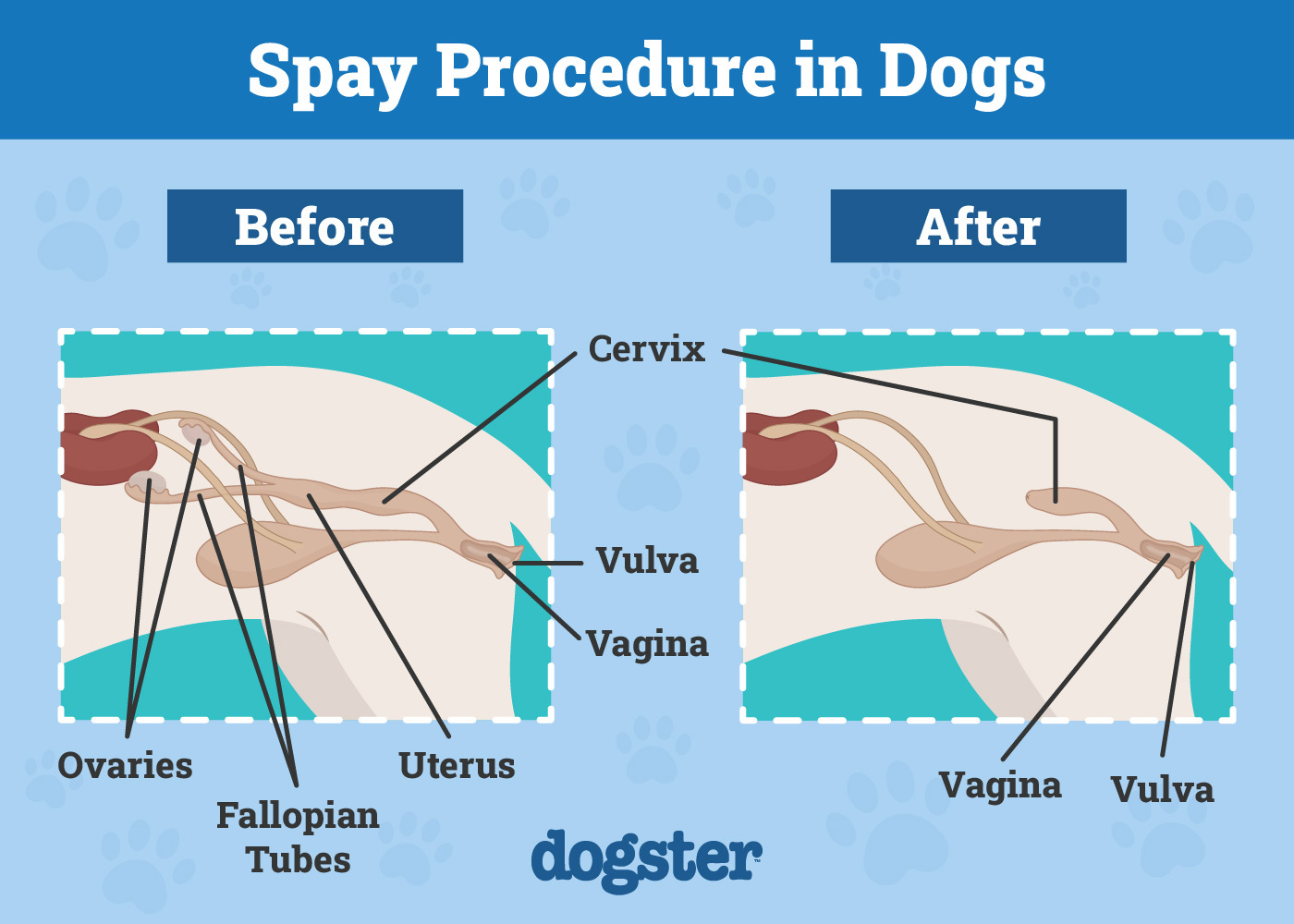
Image Source: www.dogster.com
Deconstructing the Dog Spay Procedure Timeline
The total time commitment for a dog spay operation is much more than just the minutes the veterinarian spends inside the operating room. It involves several distinct phases. Think of it as an assembly line. Each step needs to be done right before the next one starts.
Pre-Surgery Preparation
Before the surgeon even enters the room, a lot of setup must happen. This ensures the dog stays safe and the operating field is clean.
Anesthesia Induction and Monitoring:
First, your dog receives medicine to sleep deeply. This is called induction. Once asleep, the team places a tube to help the dog breathe. They check the heart rate, breathing, and oxygen levels constantly. This preparation phase often takes 15 to 30 minutes. Good monitoring is key to safe surgery.
Surgical Site Prep:
The area where the vet will operate must be perfectly clean. Technicians shave the fur away from the incision spot. Then, they scrub the area multiple times with special soaps. This kills germs. This cleaning step usually takes another 10 to 15 minutes.
The Actual Surgical Time
This is the part people usually think of when asking about dog spay surgery duration. For a healthy, average-sized dog, the actual removal of the ovaries and uterus is quite fast.
For a routine spay, the typical dog spay procedure length is short. Most uncomplicated spays are done in 30 to 45 minutes. The surgeon carefully ties off the blood vessels leading to the ovaries and uterus. Then, they remove the organs. Finally, they close the incision in layers. Each layer is stitched securely for strength.
However, if complications arise, this time extends. We will look at those factors later. For comparison, people sometimes ask how long is a hysterectomy for a dog? A spay is technically a type of hysterectomy (removal of the uterus), but when veterinarians perform a spay, they usually remove the ovaries too (ovariohysterectomy). This is slightly different from a pure human hysterectomy. The timing is similar to a standard spay if no issues are found.
Post-Surgery Recovery from Anesthesia
Once the stitches are in, the surgery is officially over. But the dog is still deeply asleep from the drugs. The vet team moves the dog to a warm, quiet recovery area. They keep monitoring the dog closely as the drugs wear off. They often give medicine to help reverse some of the drugs faster. This recovery phase can last from 30 minutes to over an hour. The time spent recovering from the drugs is a vital part of the anesthesia time for dog spay.
Factors Affecting Dog Spay Length
Why do some spays take 20 minutes while others run toward an hour? Several things influence the factors affecting dog spay length. Veterinarians aim for speed without sacrificing safety or thoroughness.
Dog Size and Weight
Bigger dogs have larger organs and more tissue to work through. This naturally makes the procedure longer.
- Small Dogs (under 20 lbs): Procedures might be on the shorter end, perhaps 20 to 35 minutes.
- Medium Dogs (20–50 lbs): This is the standard range, usually falling around 35 to 50 minutes.
- Large/Giant Breeds (over 50 lbs): These procedures might stretch to 50 to 75 minutes due to the larger area and increased blood flow management.
Age and Health Status
A young, healthy dog is the best candidate for a quick procedure.
- Puppy Spays (Prepubertal): Sometimes these are quicker because the uterus is small and undeveloped.
- Senior Dogs: Older dogs often need more careful monitoring while under anesthesia. They might need slower drug administration, adding time to the pre-surgery and recovery phases.
- Underlying Health Issues: If a dog has heart murmurs, liver concerns, or other health problems, the vet must take extra time during monitoring and surgery to protect them.
Surgical Technique and Experience
A veterinarian’s skill level matters greatly. Highly experienced surgeons are often very efficient. They have refined their movements, leading to a shorter surgical time. A newer vet or one working in a very busy clinic might take slightly longer to ensure every step is perfect.
Anatomy and Unexpected Findings
Sometimes the anatomy inside the abdomen is not exactly textbook.
- Adhesions: If previous inflammation occurred, scar tissue (adhesions) might bind the ovaries or uterus to other organs. Separating these carefully adds significant time.
- Pregnancy: If the dog is unexpectedly pregnant, the surgery becomes much more complex. Removing a pregnant uterus takes much longer than removing a non-pregnant one. This drastically extends the dog spay surgery duration.
Comparing Spay Time to Castration Time
It is helpful to compare the female procedure to the male counterpart. Many owners ask about the veterinarian time for dog castration (neutering a male).
A male neuter is almost always much faster than a spay.
| Procedure | Typical Time Range (Surgery Only) | Complexity |
|---|---|---|
| Female Spay (Ovariohysterectomy) | 30 – 60 minutes | Involves entering the abdominal cavity; higher risk of bleeding. |
| Male Castration (Neutering) | 5 – 20 minutes | Simpler; involves removing the testicles through small incisions in the scrotum. |
The reason for this difference is straightforward: The spay requires the surgeon to open the dog’s abdomen (laparotomy) to reach the reproductive organs. Male castration is performed externally, making it much less invasive and quicker.
The Role of Anesthesia Time in the Total Visit
When discussing how long the process takes, we must separate the surgery from the total anesthesia time. Anesthesia time for dog spay refers to the entire period the dog is under sedation, from the moment the first injection until they are fully alert post-op.
This total period is often 2 to 4 hours. Why so long if the surgery is only 45 minutes?
- Pre-op: 30 minutes for prep and monitoring setup.
- Surgery: 45 minutes.
- Waking Up: 60 to 120 minutes of close monitoring while the drugs leave the system.
This extended monitoring is not wasted time; it is crucial for preventing complications like excessive bleeding or respiratory distress as the dog emerges from sleep.
Interpreting the Cost Implications of Dog Spay Duration
Does a longer surgery mean a higher bill? Yes, often it does, though not always directly tied to the surgical time itself.
The cost implications of dog spay duration are related to resource usage:
- Anesthesia Gas/Drugs: The longer the dog is under, the more drugs and anesthetic gas are used, increasing material costs.
- Staff Time: Surgeons, technicians, and assistants are paid for their time. If a procedure runs 20 minutes over the expected average, that adds to the labor cost.
- Monitoring Resources: Extended recovery means the dog occupies a recovery suite and the attention of nursing staff for a longer period.
Most clinics provide a fixed price for a standard spay. This price usually includes a window of time (e.g., up to 60 minutes of surgery). If the vet finds something unexpected (like pregnancy or a tumor) that significantly extends the time, they will usually call the owner beforehand to explain the added charge, as this moves the procedure outside the “routine” category.
Caring for Your Dog Post-Surgery: Recovery Time After Dog Spay
While the surgery itself might be short, the healing period is much longer. Knowing the recovery time after dog spay is essential for a smooth return to normal life.
The initial recovery at the clinic lasts several hours. Most dogs go home the same day, usually late afternoon or early evening.
Key Recovery Milestones:
- First 24 Hours: The dog will be groggy, sleepy, and possibly nauseous from the anesthesia. Keep activity very low. Limit walks to short leash trips for potty breaks only.
- Days 1–3: Soreness is common. Your vet will prescribe pain relief. The incision site should look clean; redness or swelling should be minimal.
- Days 5–7: Most external sutures (if not dissolvable) are still in place. The dog needs close supervision to prevent licking or jumping.
- Days 10–14: This is when most vets schedule the check-up. If external stitches are present, they are usually removed around this time. Full internal healing takes longer, often 4 to 6 weeks. During this time, no rough play, running, or intense exercise is allowed.
In summary, while the surgery might be quick, dedicated rest for two weeks is non-negotiable for proper healing.
The Importance of Pre-Surgical Screening
To ensure the dog spay surgery duration stays within the low-risk range, comprehensive pre-screening is vital. Vets conduct physical exams and often recommend blood work.
Blood tests check liver and kidney function. These organs process the drugs used for anesthesia. If the liver isn’t working well, the dog takes much longer to wake up safely, thus extending the total anesthesia time and risk. Good screening ensures the safest, most efficient procedure possible.
Deciphering the Typical Spay Procedure Steps
To grasp why the time is spent the way it is, here is a breakdown of the standard steps performed by the veterinary team during the typical dog spay procedure length:
- Positioning and Scrubbing: Securing the dog on the table and prepping the surgical site (already mentioned).
- Abdominal Incision: Making the cut through the skin, fat, and muscle layers into the abdominal cavity. This requires precision.
- Organ Location: Gently locating the ovaries and the horns of the uterus.
- Ligation (Tying Off Vessels): This is the most critical safety step. The vet must securely tie off the major blood vessels leading to the reproductive organs. If done poorly, internal bleeding can occur after surgery. This step demands focus and time.
- Excision: Cutting away the ovaries and uterus.
- Hemostasis Check: The vet thoroughly checks the surgical site for any signs of bleeding before closing. This check is crucial and cannot be rushed.
- Layered Closure: Closing the abdominal wall, muscle layer, and finally the skin. Each layer requires careful stitching. A typical dog might have 9 to 15 individual sutures placed internally, plus the external skin stitches.
The time spent ligating vessels and checking for bleeding is the primary factor differentiating a quick spay from a prolonged one.
Frequently Asked Questions (FAQ) about Dog Spay Surgery Time
Q: Can I stay with my dog during the surgery?
A: No. For the safety of the dog and the sterility of the operating room, owners are not allowed in the surgical suite. Modern veterinary practice requires strict aseptic (germ-free) conditions.
Q: What is the difference between a spay and a ‘womb removal’ for a dog?
A: A standard dog spay is medically known as an ovariohysterectomy. This means both the ovaries and the uterus (womb) are removed. In human medicine, removing just the uterus is a hysterectomy. Since the ovaries produce most of the hormones, removing both is standard for sterilization in dogs.
Q: Will my dog feel pain during the surgery?
A: No. The dog is completely unconscious and cannot feel pain due to the general anesthesia. Vets also use local nerve blocks and strong post-operative pain medication to manage discomfort during the recovery time after dog spay.
Q: How long does it take to get the anesthesia drugs out of my dog?
A: This varies widely based on the specific drugs used and the dog’s metabolism, but the most potent effects wear off within 1 to 2 hours after the surgery ends. Full consciousness may take longer, which is why extended monitoring is part of the anesthesia time for dog spay.
Q: If my dog has already had a litter, does the dog spay surgery duration change?
A: Yes, it often does. If a dog has recently had puppies, the blood supply to the uterus is much richer and larger. This makes locating and tying off the blood vessels more time-consuming and requires extra caution from the surgeon.
Q: Is the cost related to the canine neuter time or the spay time?
A: Yes. Because the spay is significantly more complex and takes longer than a male neuter, the cost for a spay is always higher than the cost for a neuter. The longer the actual surgery runs, the higher the potential for added charges beyond the base price.