
The dog X-ray duration itself—the moment the picture is taken—is very fast, often less than one second. However, the total time for canine X-ray appointment varies widely, usually lasting between 15 minutes to an hour, depending on factors like the dog’s cooperation, the need for sedation, and the number of images required.
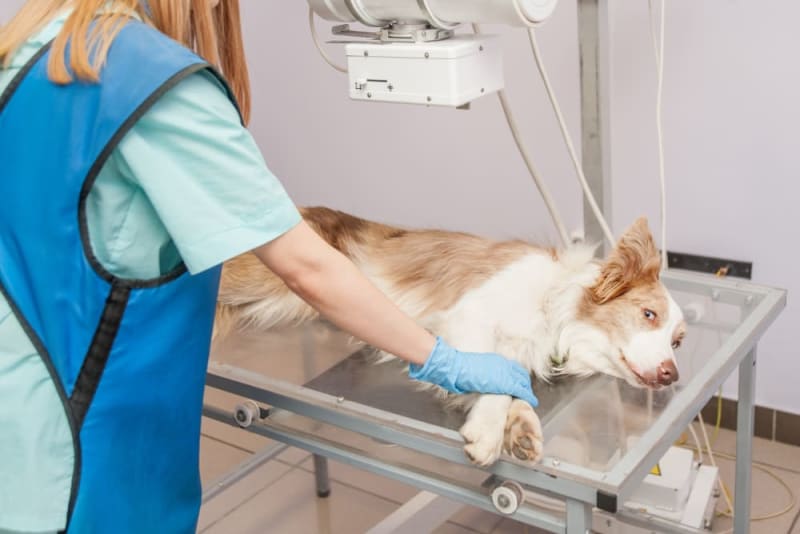
Image Source: d2zp5xs5cp8zlg.cloudfront.net
Grasping the Speed of Canine Radiography
When people ask, “How fast is a dog X-ray?” they often mean the actual exposure time. This part is almost instant. Think of it like taking a quick snapshot with a camera. However, the overall process involves much more than just the flash of the X-ray beam.
The Quick Capture: Exposure Time
A digital X-ray machine sends a beam through your dog’s body onto a sensor. This process is rapid.
- Single Image Exposure: Usually less than 0.5 seconds.
- Multiple Views: Even if the vet needs four different views (e.g., two side views and two top-down views), the total time spent exposing the dog to radiation is just a few seconds spread out over minutes.
This quickness is great because it limits how long the dog must stay still.
Canine radiograph procedure time: What Else Takes Time?
The exposure is the shortest part. The majority of the time required for dog X-ray involves preparation, positioning, and processing.
Here is a breakdown of the typical steps involved in getting a X-ray of your pet.
| Step in the Process | Estimated Time Range | Notes |
|---|---|---|
| Check-in and Paperwork | 5 – 15 minutes | Varies based on clinic load. |
| Pre-X-ray Exam/Discussion | 5 – 10 minutes | Vet reviews history and confirms need. |
| Preparation and Positioning | 5 – 20 minutes | Getting the dog ready; may involve mild restraint. |
| Image Acquisition (Exposure) | 1 – 5 minutes | Taking all necessary views. |
| Image Processing/Review | 5 – 10 minutes | Digital images load quickly; vet checks quality. |
| Recovery/Check-out | 5 – 15 minutes | Especially if any sedation was used. |
Factors Affecting Dog X-ray Time
Several key things change how long your visit will be. Knowing these helps manage expectations for the pet X-ray appointment length.
Dog Temperament and Cooperation
A calm, well-behaved dog makes the process much faster.
- Cooperative Dogs: If your dog stands or lies still easily, the vet techs can take the required views quickly. This keeps the dog imaging procedure duration on the shorter end.
- Anxious or Reactive Dogs: Dogs that struggle, whine, or try to move require more careful handling. Techs must work slowly to ensure safety and good image quality. If the dog won’t cooperate, moving to sedation becomes necessary.
Complexity of the Area Being X-rayed
Different body parts need different angles and specialized techniques.
- Simple X-rays: A quick look at a paw or lower leg might only need one or two simple views.
- Complex X-rays: Chest or abdominal X-rays often require multiple, precise views (like standard lateral and ventrodorsal projections) taken at slightly different times to capture the whole area correctly. This adds time.
The Need for Sedation or Anesthesia
This is often the biggest factor influencing the time required for dog X-ray. Sometimes, staying still for X-rays is uncomfortable or impossible for the dog.
Sedation time for dog X-ray
If sedation is needed, the clock starts ticking much earlier.
- Pre-Sedation Assessment: The vet needs to check vitals and discuss the medication. (5-10 minutes)
- Administering Sedative: Giving the injection or oral medication. (5 minutes)
- Induction Time: Waiting for the drug to take full effect. This waiting period can take 15 to 30 minutes. During this time, the clinic staff are closely monitoring the dog.
- The X-ray Procedure: Once deeply relaxed, the positioning is easier, and the actual exposure is fast.
- Recovery: The dog must wake up safely, which can take 30 minutes to several hours depending on the drug used.
If full anesthesia is used (common for complex orthopedic procedures), the total time balloons significantly due to full monitoring protocols before and after the image capture.
Equipment Type and Clinic Workflow
The technology used plays a role in processing speed.
- Digital Radiography (DR): Most modern clinics use DR. Images appear on the screen almost instantly after exposure. This speeds up image confirmation and processing time.
- Computed Radiography (CR): Older systems require the physical plate to be scanned into the computer, adding a few minutes.
Furthermore, the clinic’s workflow matters. A busy emergency room might take longer to fit in a routine X-ray than a scheduled appointment at a general practice clinic.
Deciphering the Different X-ray Scenarios
The reason for the X-ray greatly shapes the dog imaging procedure duration.
Routine vs. Emergency X-rays
- Routine Checks (e.g., Pre-surgery Hip Screening): These appointments are scheduled when the dog is calm, and the staff can dedicate focused time. These tend to be on the shorter side if no sedation is needed.
- Emergency Trauma: If a dog comes in after an accident, they are often scared, in pain, and may move unpredictably. This almost always necessitates rapid sedation to get diagnostic images of fractures or internal injuries. The entire process, including stabilization, sedation, imaging, and initial recovery monitoring, extends the time significantly.
Orthopedic X-rays vs. Soft Tissue Imaging
Imaging bones (orthopedics) is usually more straightforward than imaging soft tissues (like the abdomen).
- Bone Imaging (Fractures, Arthritis): Often requires positioning the limb in specific, sometimes uncomfortable ways. Techs might need several attempts to get the limb perfectly aligned for joint space measurement.
- Abdominal Imaging: Requires the dog to be still for a longer period, sometimes requiring breath holds (though this is less common in routine dog X-rays than in human scans) or specialized contrast studies, which take much longer.
Pre-Appointment Preparation: Helping Reduce Dog X-ray Time
You can play a significant role in making your dog’s X-ray visit smoother and quicker. Good preparation minimizes delays on site.
Communication with Your Vet
Be completely honest about your dog’s behavior at home.
- Tell the vet if your dog gets nervous in strange places.
- Mention if they struggle with handling (e.g., lifting paws or lying on their side).
- This upfront information allows the clinic to schedule extra time or prepare the necessary sedation medication before you even arrive.
Fasting Requirements
For abdominal X-rays or any procedure requiring sedation, the vet often asks you to withhold food for a certain period (usually 8–12 hours).
- Why Fasting Matters: Fasting reduces stomach gas and fecal matter, which can obscure important organs on the image, requiring retakes. Sedated animals must also fast to prevent aspiration if they vomit while under anesthesia.
- What to Do: Follow fasting instructions exactly. Showing up with a hungry, anxious dog who just ate will slow down the start of the procedure while staff manage the timing.
Managing Anxiety Before Arrival
A calm dog is a fast dog.
- Exercise: Give your dog a good walk or play session before the appointment, but not immediately before, as they might need to relieve themselves. A tired dog is often a calmer patient.
- Leash Management: Keep the leash loose but secure upon arrival. High tension on the leash often translates into high anxiety for the dog.
The Role of Imaging Quality and Retakes
A major reason for extra time is the necessity of getting a high-quality image the first time. Poor quality images are useless for diagnosis.
Why Retakes Happen
If an image is blurry, tilted incorrectly, or if the dog moved during the exposure, the resulting radiograph is diagnostic waste.
Common causes for needing a retake:
- Motion Artifacts: The dog shifted its body during the split-second exposure.
- Poor Positioning: The anatomy is not aligned as required by radiographic technique standards.
- Exposure Errors: The X-ray beam was too weak or too strong (over or under-penetration).
Every time a retake is needed, the staff must reposition the dog, calm them down again, and take the exposure once more. This directly adds to the X-raying a dog time estimate.
Digital vs. Film: The Quality Check Speed
With modern digital X-ray machines, the technician sees the image immediately on their screen. They can instantly tell if the positioning is good or if the dog blinked at the wrong moment.
If they see a problem, they can often correct it within minutes. Older film systems required developing the film in a darkroom, which could take 10–20 minutes per plate, significantly increasing the dog imaging procedure duration if retakes were necessary.
Cost Versus Time Considerations in Veterinary Radiology
While cost is separate from time, the choice of imaging method often links the two.
If a veterinarian suspects a complex issue, they might opt for more advanced imaging like a CT scan or MRI instead of, or after, basic X-rays. These procedures take significantly longer than standard radiography.
| Imaging Type | Typical Time Frame (Procedure Only) | Primary Reason for Longer Time |
|---|---|---|
| Standard Digital X-ray | 15 – 45 minutes (Total Visit) | Positioning and mild restraint. |
| Sedated/Anesthetized X-ray | 1 – 3 hours (Total Visit) | Time needed for safe induction and recovery. |
| CT Scan (Often requires heavy sedation) | 1 – 2 hours (Procedure time) | Detailed scanning protocols and mandatory deep sedation. |
When the vet decides on X-rays, they are choosing the fastest, least invasive method to get the initial diagnostic information.
Interpreting the Final Report Time
The duration of the appointment is not the same as the time it takes to get the final diagnosis.
- In-House Review: If your regular veterinarian interprets the images immediately (common for fractures or clear foreign bodies), you will get the results before you leave.
- Radiology Referral: For subtle or complex issues (like early heart disease or obscure masses), the vet might send the images to a board-certified veterinary radiologist for a second opinion. This external review can take 24 to 72 hours, although the initial imaging procedure was fast.
Frequently Asked Questions About Dog X-Rays
What is the standard exposure time for a dog X-ray?
The actual X-ray beam exposure is extremely short, usually less than one second. It is the preparation and positioning that takes up most of the time.
Can I stay with my dog during the X-ray?
In most modern veterinary settings, owners are asked to wait outside the imaging room for safety reasons. X-ray exposure involves radiation, and while the dose is very low, clinics limit staff and owner exposure. Some clinics may allow owners to be present if the dog is very distressed, provided they wear a lead apron.
Who is responsible for positioning the dog correctly?
Trained veterinary technicians or certified radiology assistants are usually responsible for positioning your dog. They use specialized techniques, sometimes including sponges or pads, to keep the dog comfortable while achieving the exact angle required for diagnosis.
How long before my dog can eat after a routine X-ray?
If no sedation was used, your dog can usually eat right away once the required images are taken and quality checked. If sedation was involved, the vet will advise when it is safe for your dog to eat, usually once they are fully alert and walking steadily.
What happens if my dog won’t hold still for the X-ray?
If a dog remains too restless after gentle coaxing, the veterinary team will recommend light sedation. Safety is the priority; forcing an anxious dog to stand still can lead to injury for the dog or the staff, and results in a poor, unusable image.
Is the process painful for the dog?
The X-ray process itself is not painful. It is non-invasive, and the exposure is instantaneous. Pain may occur if the dog is already injured (like a broken leg) and needs to be moved into position, which is why sedation is sometimes used to manage discomfort during positioning.