
The dog spay duration—the time it takes to perform a spay surgery on a female dog—usually lasts between 20 to 45 minutes once the actual surgery begins. However, the total time a dog spends at the clinic for the procedure, which includes prep and recovery monitoring, is much longer, often spanning several hours.
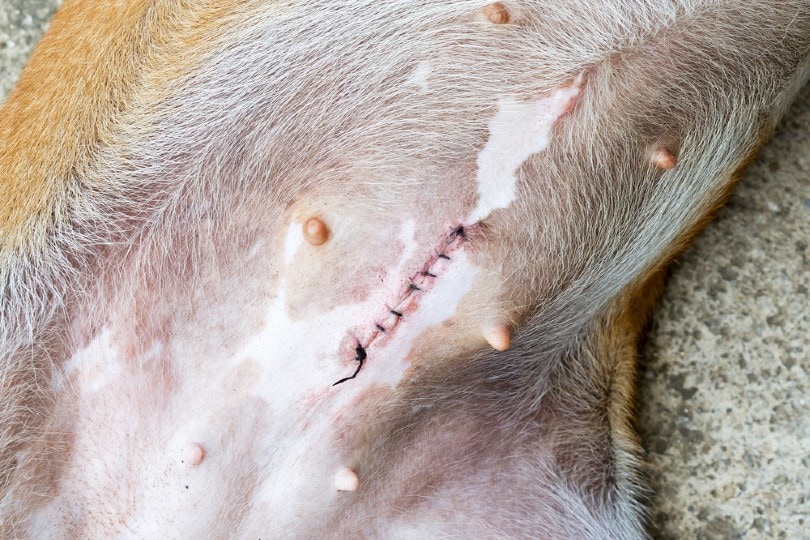
Image Source: www.dogster.com
Deciphering the Typical Dog Spay Duration
When people ask how long does a dog spay take, they often mean the surgery itself. The actual cutting and closing time is relatively quick for a healthy, average-sized dog.
Average Length of Dog Spay Surgery
The average length of dog spay surgery focuses solely on the time the surgeon needs to remove the ovaries and uterus (ovariohysterectomy).
For a routine, uncomplicated spay on a young, healthy dog, expect the surgical time to fall into this range:
- Minimum Time: About 20 minutes. This is rare and usually only for very small puppies.
- Standard Time: 30 to 45 minutes. This is the most common timeframe for adult dogs.
- Maximum Time: Up to 60 minutes or slightly more. This occurs with larger breeds or if minor complications arise.
It is important to separate the surgical time from the total clinic visit time. The surgery is just one part of the whole process.
Total Time Commitment at the Veterinary Clinic
A full day commitment is necessary for the owner. While the surgery part is short, the whole procedure takes up significant time for safety checks.
Here is a rough timeline for a typical female dog sterilization time from drop-off to pick-up:
| Stage of Procedure | Estimated Time Range | Purpose |
|---|---|---|
| Check-in and Pre-op Prep | 30 – 60 minutes | Reviewing forms, placing an IV catheter, final physical exam. |
| Anesthesia Induction | 10 – 15 minutes | Safely putting the dog fully to sleep. |
| Surgical Time (Ovariohysterectomy) | 20 – 45 minutes | The actual removal of reproductive organs. |
| Recovery from Anesthesia | 30 – 90 minutes | Waking up slowly under close observation. |
| Post-op Monitoring & Pain Management | 1 – 2 hours | Ensuring vital signs are stable before discharge. |
| Discharge Instructions | 15 – 30 minutes | Talking with the owner about home care. |
| Total Clinic Time | 3 – 6 Hours (approx.) | Total time dog is under vet care. |
Fathoming the Components of Anesthesia Time for Dog Spay
A major component of the total time spent is dedicated to making sure the dog is completely safe under sedation. Anesthesia time for dog spay covers everything from the moment the dog receives the initial calming medication to the moment they are fully awake and aware.
Pre-Anesthesia Safety Checks
Before any procedure starts, the veterinary team must be sure the dog can handle the anesthetic drugs. This involves:
- Bloodwork: Checking organ function (kidneys, liver).
- Physical Exam: Listening to the heart and lungs.
- IV Catheter Placement: Setting up access for fluids and medications.
These steps ensure that the anesthetic protocol is tailored perfectly for the individual dog.
Induction and Maintenance
Induction is when the dog is first put under. Maintenance is keeping the dog stable throughout the how long is dog ovariohysterectomy. During this phase, a dedicated veterinary technician constantly monitors:
- Heart Rate and Rhythm
- Breathing Rate and Oxygen Levels
- Blood Pressure
- Body Temperature
Any fluctuation requires immediate adjustment by the anesthesia team. This intensive monitoring takes time but is vital for safety.
Recovery Period
The time spent recovering from the drugs is crucial. Dogs are not simply let go once the surgery is over. They are moved to a warm, quiet recovery area. Staff watch them closely as they emerge from anesthesia. This prevents them from injuring themselves trying to stand too soon or from complications related to low body temperature.
Factors Affecting Dog Spay Time
Why does one dog spay duration differ from another? Several factors affecting dog spay time come into play, making every surgery unique.
Dog’s Size and Weight
Larger dogs need more anesthetic and surgical exposure time.
- A very small Chihuahua spay might be quicker.
- A large Labrador or Great Dane spay will naturally take longer to access and close the incision site.
Age of the Dog
Age plays a major role in surgical complexity.
Puppy Spay Surgery Length
Performing a puppy spay surgery length is often faster than an adult dog. Why?
- Tissues are less developed.
- The blood supply to the reproductive organs is often less extensive.
- Puppies usually recover from anesthesia very quickly.
Many vets recommend spaying around 5 to 6 months of age.
Senior Dog Spay Duration
The senior dog spay duration can be longer for safety reasons, even if the surgery itself is the same. Older dogs often require more extensive pre-operative testing, longer IV fluid support, and slower induction/recovery from anesthesia to protect their aging organs. If underlying conditions exist, the vet might take more time to ensure everything is managed carefully.
Body Condition Score (Fat Content)
A dog with a very high Body Condition Score (obese) presents challenges:
- It is harder for the surgeon to visualize the internal structures.
- More fat tissue must be navigated, increasing the time needed for dissection.
- Closing the deeper layers of tissue takes extra care to prevent hernias later.
Presence of Complications
Complications, though rare in healthy dogs, significantly extend the procedure time. These might include:
- Abnormal anatomy (very rare).
- Adhesions (scar tissue from previous inflammation).
- Unexpectedly heavy bleeding that requires careful control.
The Procedure: How Long Is Dog Ovariohysterectomy?
The technical term for a standard spay is ovariohysterectomy, meaning the removal of the ovaries and the uterus. How long is dog ovariohysterectomy depends heavily on the surgical technique used by the veterinarian.
Traditional Open Surgery
This is the standard method where a larger incision is made in the abdomen. The surgeon manually locates the structures, ties them off, and removes them. This method allows for excellent visualization.
Laparoscopic (Keyhole) Spay
Some advanced clinics now offer laparoscopic spays. This involves making several tiny incisions and using a camera and specialized tools.
- Surgical Time: Laparoscopic spays can sometimes take slightly longer than open surgery (though this gap is closing with experience).
- Benefit: The incision size is much smaller, often leading to faster initial healing and less post-operative pain.
Ligature Placement
The critical part of the surgery is securely closing off the blood vessels supplying the ovaries and the uterus. The surgeon must place secure sutures (ties) in three main areas (two uterine horns and the main uterine body). Placing these ligatures perfectly to prevent internal bleeding is time-consuming but non-negotiable for safety.
Cost vs Time of Dog Spay
It is natural to wonder about the cost vs time of dog spay. Generally, procedures that take longer sometimes cost more, but this is not always a direct correlation.
Higher costs are usually related to:
- Pre-Surgical Care: Extensive lab work for a senior dog (takes more time, costs more).
- Surgical Skill Level: A specialist surgeon performing a complex procedure might charge more per minute.
- Anesthesia Monitoring: Using advanced gas anesthesia and ECG monitoring costs more than basic monitoring.
A very quick, routine spay on a healthy young dog will usually fall on the lower end of the price scale compared to a complicated procedure on a large, older dog requiring more extensive monitoring and longer anesthetic time.
Post-Surgery: Recovery Time After Dog Spaying
While the surgery itself is brief, the healing process is lengthy. Recovery time after dog spaying is a vital part of the overall commitment owners make.
The dog goes home the same day, but full healing takes weeks.
Immediate Recovery (First 24 Hours)
The dog will be groggy, possibly nauseous, and sensitive to noise and movement. Owners must keep the dog calm and quiet. Pain medication is essential during this period.
Short-Term Healing (First 7-14 Days)
This is the most critical phase for incision care.
- Strict rest is required. No running, jumping, or rough play.
- The incision must be checked daily for redness, swelling, or discharge.
- E-collars (cones) are mandatory to prevent licking, which delays healing and causes infection.
Full Recovery
Most dogs are fully healed internally around two weeks post-operation. Sutures (if external) are usually removed around this time, or the vet confirms internal sutures are dissolved. Full return to normal activity levels should be cleared by the veterinarian, usually after the 14-day check-up.
Preparing for the Appointment: Minimizing Delays
To help ensure the dog spay duration stays within the expected range, owners can prepare ahead of time.
Fasting Instructions
The vet will require the dog to fast (no food) starting the night before the surgery. This prevents vomiting while under anesthesia, which can lead to aspiration pneumonia—a severe complication. Following fasting instructions precisely avoids delays in starting the procedure.
Paperwork Completion
Having all consent forms and pre-anesthetic questionnaires filled out before arrival speeds up the check-in process considerably.
Health History Accuracy
Be completely honest and detailed about the dog’s recent health. If the dog had a slight cough or diarrhea the day before, telling the vet staff immediately allows them to adjust the anesthesia plan safely, preventing last-minute cancellations or major procedural changes that extend the time.
Safety First: Prioritizing Quality Over Speed
Veterinary teams prioritize safety above shaving minutes off the surgical clock. A rushed spay is a dangerous spay.
Importance of Slow, Deliberate Technique
The veterinarian must work methodically when isolating and ligating (tying off) the vessels. If a vessel is tied too quickly or improperly, it could bleed hours later when the dog is home. Taking the extra five minutes to place multiple, secure ties is an investment in the dog’s long-term health.
Monitoring Consistency
The anesthesia time for dog spay is only as safe as the monitoring team performing it. Dedicated staff ensuring constant vigilance over vital signs protects the patient, regardless of how long the surgery runs.
Frequently Asked Questions (FAQ)
Q1: Why do vets recommend spaying young dogs if the surgery is faster?
A: Spaying young dogs (often called juvenile or puppy spay surgery length) is generally faster due to smaller body size and less developed tissues. More importantly, early spaying significantly reduces the risk of mammary cancer later in life.
Q2: Can I choose a specific surgeon if I want the shortest possible time?
A: While you can request a specific surgeon, your vet will assign the best available team based on the day’s schedule. The clinic focuses on ensuring the assigned team provides safe, high-quality surgery within the normal average length of dog spay surgery window.
Q3: Does a neuter take less time than a spay?
A: Yes. A male dog neuter (castration) is typically much faster, often only taking 10 to 20 minutes, as it involves removing the testicles through small external incisions, bypassing the need to open the main abdominal cavity.
Q4: If my dog is overweight, will the cost be higher because the surgery takes longer?
A: Weight often increases both the time and the cost. The extra time spent navigating fatty tissue and ensuring adequate closure contributes to the surgical fee. This relates directly to the factors affecting dog spay time, where body condition is a key element.
Q5: How long until my dog can eat normally after the spay?
A: Most vets recommend waiting until the dog is fully awake and alert before offering a very small, bland meal. This is usually a few hours after you bring them home, provided they are not actively nauseous. Always follow your specific vet’s discharge instructions regarding the first meal.