
Generally, small cuts and scrapes on a dog can heal within one to two weeks, but deep wounds, infections, or surgical incisions can take several weeks to several months to fully mend.
Knowing what to expect when your dog gets hurt is vital for any pet owner. Wounds on dogs vary greatly in severity. Some are just minor scratches that heal fast. Others might be deep cuts requiring stitches or even surgery. Each type has its own healing path. We will look closely at the dog wound healing timeline so you know what to watch for. We will also discuss canine incision recovery time after surgery.
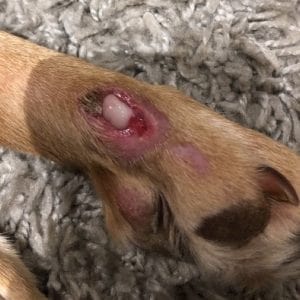
Image Source: images.ctfassets.net
The Stages of Dog Wound Healing
Healing is not instant. It happens in steps. These steps happen in order. Good care helps move things along smoothly. Think of it as a natural process your dog’s body follows.
Phase 1: The Inflammatory Stage (The Cleanup Crew)
This stage starts right away when the injury happens. It usually lasts a few days.
- Clotting: Blood quickly forms a clot. This stops the bleeding. This is the body’s first aid.
- Inflammation: The area gets red and might swell a bit. This is normal. White blood cells rush in. They clean up dirt, dead cells, and germs. This clean-up prevents infection.
Phase 2: The Proliferative Stage (The Repair Crew)
This stage starts around day three or four. It lasts for several days or weeks.
- New Tissue Growth: The body starts making new tissue. This tissue fills the wound gap. It looks pink and bumpy. This is called granulation tissue.
- Closing the Gap: Blood vessels grow into the new tissue. This brings food and oxygen. Skin cells start moving across the wound surface. This is how the hole starts to close. If your dog has a simple dog scratch healing duration, this is where most of the work happens quickly.
Phase 3: The Maturation (Remodeling) Stage (The Strengthening Crew)
This is the longest phase. It can last for months.
- Scarring: The rough, new tissue gets stronger. Collagen fibers realign themselves. They become stronger and more organized.
- Fading: The scar tissue will look less red over time. It might never look exactly like the old skin, but it gains strength. For deep wounds, this phase is critical for long-term healing.
How Long Different Types of Wounds Take to Heal
The time it takes for a wound to close depends a lot on what kind of injury it is. Simple scrapes heal much faster than deep cuts.
Simple Scratches and Abrasions
These are shallow injuries. They only affect the top layers of skin.
- Healing Time: Often just 5 to 10 days.
- What to Expect: Mild redness for a day or two. Then, it starts to crust over. The scabs fall off quickly. Managing dog laceration healing is easier with shallow wounds.
Minor Cuts (Lacerations Without Deep Damage)
These cuts go through the skin but don’t go very deep into muscle or fat.
- Healing Time: 7 to 14 days if cleaned well.
- Note: If the cut is small, the vet might skip stitches. If stitches are used, the time depends on the suture removal date.
Deep Lacerations and Puncture Wounds
These are serious injuries. They often go deep under the skin. Puncture wounds (like from a bite) are tricky because they trap germs deep inside.
- Healing Time: Can take 3 to 6 weeks, or much longer if complications arise.
- Care Needed: These wounds almost always need veterinary attention and stitches or drainage. Proper managing dog laceration healing is key here.
Surgical Incisions
When a dog has surgery, the vet makes a clean cut. This clean cut usually heals well. This is the canine incision recovery time we look at after procedures like spaying, neutering, or tumor removal.
- Initial Healing: The edges stick together within 10 to 14 days.
- Suture Removal: Stitches usually come out between 10 and 14 days after surgery, depending on the location and the dog’s age.
Dog Hot Spot Healing Time (Acute Moist Dermatitis)
Hot spots are different. They are moist, raw sores that start small and grow fast. They are often itchy or painful, causing the dog to lick more.
- Healing Time: This varies a lot. It can take 1 to 3 weeks if the underlying cause (like allergies) is treated. If the licking continues, the spot will not heal. The dog hot spot healing time depends on stopping the itch/lick cycle.
The Dog Wound Healing Timeline: A Snapshot Table
This table gives a general idea. Your vet’s advice is always the most important guide.
| Wound Type | Typical Healing Time (Surface Closure) | Key Care Focus |
|---|---|---|
| Minor Scrape | 5 – 10 days | Keeping it clean and dry. |
| Small Stitched Cut | 10 – 14 days | Protecting the stitches. |
| Deep Laceration | 3 – 6 weeks | Monitoring for infection and keeping the dog calm. |
| Surgical Incision | 10 – 14 days (for stitch removal) | Preventing self-trauma (cone use). |
| Infected Wound | Varies widely; often longer | Veterinary treatment (antibiotics/drains). |
Dog Surgery Incision Healing Stages
For any surgical wound, there is a predictable path. Knowing the dog surgery incision healing stages helps owners watch for problems.
Days 1–3: Early Inflammation
The incision site will look slightly swollen and red. This is normal. The edges of the skin should meet neatly. Keep the dog quiet.
Days 4–7: Early Proliferation
The incision starts to look pinker. You might see some crusting along the line. The wound is now closed at the surface level.
Days 7–14: Strength Building
The incision line starts to look paler. The skin is healing well underneath. This is often when the vet checks the wound for strength before removing external sutures.
After 14 Days: Maturation
The scar begins to harden and fade. Even after stitches are out, the deep tissues take months to reach full strength. This is why activity restriction is often needed for 4-6 weeks post-op.
Factors Affecting Dog Wound Closure
Why do some wounds heal fast while others lag? Many things impact the factors affecting dog wound closure. Good wound care focuses on managing these factors.
Age and Health Status
Young, healthy dogs heal much faster than older dogs. Age slows down cell turnover. Dogs with chronic diseases like diabetes or Cushing’s disease have poor circulation. Poor circulation means fewer nutrients reach the wound. This greatly slows healing.
Nutrition
Healing takes energy and building blocks. A diet rich in protein, vitamins (like Vitamin C and A), and zinc supports fast repair. A poorly fed dog will heal slowly.
Blood Supply
Wounds in areas with excellent blood flow (like the chest or belly) heal faster. Areas with poor blood supply (like the lower legs or paws) take much longer.
Movement and Activity
This is huge for managing healing. Too much movement pulls stitches apart. It can reopen the wound or damage the new, fragile tissue. This is why Elizabethan collars (cones) and rest are essential. Constant licking also causes trauma and infection risk.
Contamination and Infection
A dirty wound has to fight bacteria before it can start building new tissue. Infection is the number one reason for delayed healing.
Wound Type and Size
A wide, gaping wound needs more time to fill in than a thin slit. Deep puncture wounds trap bacteria, making them high-risk for slow healing.
Recognizing Problems: Signs of Infection in Dog Wounds
Catching an infection early is vital. Untreated infections stop the healing process completely. Always monitor the wound closely, especially in the first week. Look for these signs of infection in dog wounds:
- Increased Redness and Heat: The area around the wound feels hot to the touch or looks significantly redder than normal, especially after the first 48 hours.
- Pus or Foul Odor: Discharge should be clear or slightly pinkish (serosanguinous). Yellow, green, or thick, milky discharge is a sign of pus. Any foul smell is a major warning sign.
- Swelling Beyond Normal: Some swelling is expected. Excessive, hard swelling that gets worse after day two needs attention.
- Pain: The dog cries, yelps, or pulls away when the area is gently touched, even if it didn’t hurt before.
- Fever or Lethargy: If the infection is systemic, the dog might be reluctant to eat, sleep more than usual, or have a fever.
If you see any of these signs, contact your vet right away for evaluation.
Best Practices for Dog Wound Care at Home
Successful healing relies heavily on the care you provide at home. Following best practices for dog wound care significantly impacts recovery speed.
Keep it Clean (But Don’t Over-Clean)
- Initial Cleaning: If the wound is fresh and you are heading to the vet, gently rinse debris away with clean, lukewarm water or saline solution. Do not use hydrogen peroxide or alcohol, as these damage healthy healing cells.
- After Sutures: If the vet placed stitches, ask them exactly how to clean the area. Often, a light rinse with diluted chlorhexidine solution or just clean water is recommended once or twice a day.
Protect the Wound
This means keeping the dog away from it.
- The Cone is Your Friend: The Elizabethan collar (cone) or a medical recovery suit must be worn 24/7 until the vet says it can come off. Licking introduces bacteria and pulls stitches.
- Limit Activity: Follow all rest instructions. No running, jumping, or rough play. Leash walks only for bathroom breaks, especially after surgery. This protects internal healing as well as surface healing.
Medication Adherence
If your vet prescribes antibiotics or pain medication, give them exactly as directed. Stopping antibiotics early is a common reason for recurrent or hidden infections.
Monitoring Suture Lines
If your dog has stitches, check them daily. Look for the edges to be touching. If you see gaps, missing stitches, or anything oozing heavily, call the vet.
How to Speed Up Dog Wound Healing
While you cannot skip the biological stages, you can create the best environment for your dog’s body to work efficiently. Here is how to speed up dog wound healing:
1. Ensure Proper Moisture Balance
Wounds heal best in a moist environment, not a dry one. Dry scabs take longer to fall off, and the skin underneath heals slower. If the wound is open and requires specific dressing (like hydrogels), follow the vet’s instructions for bandaging.
2. Optimize Nutrition
Talk to your vet about supplements if the healing seems slow. Supplements like fish oil (for inflammation control) or specific veterinary diets designed for skin health can sometimes help provide the building blocks needed for rapid tissue repair. High-quality protein intake is non-negotiable.
3. Control Inflammation
Excess inflammation slows healing down later in the process. Your vet might prescribe NSAIDs (Non-Steroidal Anti-Inflammatory Drugs) to manage pain and swelling safely. This allows the body to move efficiently into the repair phase.
4. Minimize Stress
A stressed or anxious dog releases hormones like cortisol. High cortisol levels can suppress the immune system and slow down the repair process. Keep your dog’s environment calm, quiet, and comfortable.
5. Debridement (Vet Only)
For complex or dirty wounds, the vet may need to perform debridement. This is the surgical removal of dead, damaged, or infected tissue. Removing the non-viable tissue allows the healthy tissue underneath to begin the healing process immediately.
When to Seek Immediate Veterinary Care
While minor scrapes can be managed at home, certain situations require an immediate trip to the clinic. Don’t wait if you see:
- Bleeding that does not stop after 10 minutes of direct pressure.
- A wound that is gaping open, where you can see fat, muscle, or bone.
- A wound caused by a known animal bite (these almost always need cleaning and antibiotics).
- Signs of severe infection (high fever, extreme lethargy).
- A deeply embedded foreign object that you cannot easily flush out.
Frequently Asked Questions (FAQ)
Can I use human antibiotic ointment on my dog’s wound?
It is generally best to avoid human medications unless your veterinarian specifically approves them. Many human antibiotic creams contain ingredients that are toxic to dogs if licked (like zinc oxide) or ingredients that can actually slow down the healing process in animals. Stick to vet-approved topical treatments.
Why is my dog’s incision line swollen a week after surgery?
Mild swelling is normal for the first few days. However, if swelling increases after day 5 or 6, or if the swelling feels hard, it could indicate a problem like an internal fluid pocket (seroma) or an early infection. Contact your vet promptly.
How long should my dog wear the cone after a routine neuter?
For most simple spay or neuter procedures, the cone must be worn until the external stitches are removed, usually 10 to 14 days. Some vets recommend keeping it on until the wound is completely closed and firm, which might be closer to 14-17 days, just to be safe against any nighttime licking.
What if my dog licks a healing wound?
Licking is very harmful. Saliva contains bacteria that can cause infection. More importantly, the action of licking constantly pulls at the new, weak tissue. This can cause the wound to open up (dehiscence) or result in a larger, more scarred area. Cones must be used to prevent this.