
Can I leave my dog in a kennel all day? Generally, no, you should not leave a dog in a kennel for an entire workday, especially if they are young or have specific needs. Determining the safe kennel time for dogs involves looking at age, house training level, bladder size, and individual temperament. This article will explore the limits and best practices for dog crate duration.
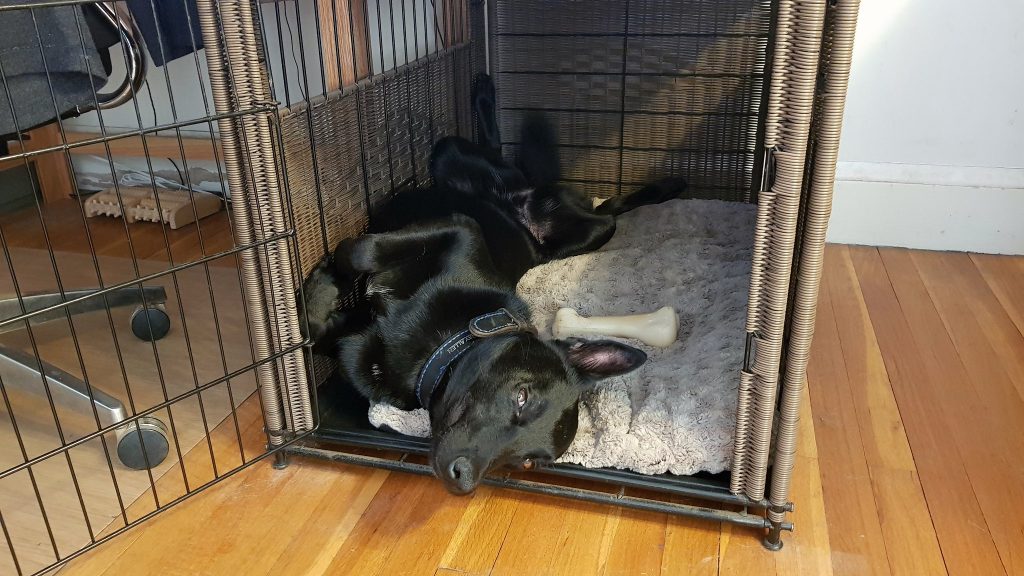
Image Source: jetpetresort.com
Setting the Stage: Why Crate Time Matters
Using a kennel or crate correctly is helpful for house training, safety, and managing alone time. However, too much time confined can lead to problems. We need to look at how long is too long. This involves setting reasonable limits based on what your dog needs physically and mentally.
Core Principles of Safe Confinement
A kennel should be a safe den, not a prison. Proper use supports good behavior. Misuse causes stress and accidents.
- Crate as Sanctuary: The kennel must be a positive place. Dogs should choose to enter it.
- Meeting Basic Needs: A dog needs regular bathroom breaks, food, water, and social time.
- Legal and Ethical Limits: In some situations, like boarding or daycare, rules exist. For home use, you set the limits based on your dog’s health.
Determining Maximum Hours Dog Can Stay in Crate
The maximum time a dog can stay safely confined is directly tied to their biological needs, especially bladder control.
Age Dictates Duration Limits
Age is the most important factor in setting dog crate time guidelines. Puppies have tiny bladders and need much more frequent breaks than adult dogs.
Puppy Crate Time Guidelines
Puppies require constant monitoring and frequent trips outside. A common guideline exists for puppy crate time guidelines:
- Rule of Thumb: A puppy can generally hold their bladder for one hour for every month of age, up to about six or seven months old.
| Puppy Age | Maximum Recommended Crate Time (Excluding Sleep) |
|---|---|
| 8–10 Weeks | 1–2 Hours |
| 10–14 Weeks | 2–3 Hours |
| 14–16 Weeks | 3–4 Hours |
| 4–6 Months | 4–5 Hours |
| 6+ Months | Begin transitioning toward adult limits |
Crucially, even if they can hold it for the maximum time, they should not be forced to. Accidents in the crate are stressful and can reverse house training.
Adult Dog Limits
Healthy adult dogs (over 18 months, fully house trained) can usually hold their bladder for six to eight hours. However, this should be the absolute outer limit for daytime confinement.
- Optimal Daytime Limit: Aim for no more than 4 to 5 hours between bathroom breaks during the day.
- Extended Limit: An 8-hour window is usually the maximum boundary for daily confinement when necessary, provided water is accessible outside the crate during breaks.
Considering Overnight Dog Kennel Limits
Overnight dog kennel limits are slightly different because the dog is typically sleeping, and their metabolic needs slow down.
Most healthy adult dogs can sleep through the night without needing a break, often between 7 to 9 hours. However, this assumes they have emptied their bladder right before bedtime and right after waking up.
Important Note: Never let a puppy, senior dog, or a dog with a medical condition go for 8+ hours overnight without a possible bathroom opportunity if possible.
Factors Affecting Safe Kennel Time
Setting the maximum hours dog can stay in crate is not just about bladder control. Several other factors affecting safe kennel time must be considered to ensure the dog’s well-being.
Physical Health and Medical Conditions
A dog’s physical state directly impacts how long they can be confined.
- Medical Issues: Dogs with urinary tract infections (UTIs), diabetes, or kidney issues need much more frequent access to potty areas. Consult your vet for specific guidelines.
- Age-Related Changes: Very young puppies (as mentioned) and senior dogs often lose bladder control sooner. Older dogs may also have joint pain that makes extended time lying down uncomfortable.
Mental and Emotional Needs
Confinement affects mental health just as much as physical health. This brings up concerns about dog crate separation anxiety kennel time.
Mitigating Separation Anxiety
If a dog has dog crate separation anxiety kennel time becomes dangerous quickly. These dogs often panic when confined, leading to:
- Self-harm (chewing the crate bars or themselves).
- Intense, continuous vocalization.
- Destruction within the crate.
For dogs with anxiety, leaving dog alone in kennel time must be very short initially. Training must focus on making the crate a happy place before increasing duration. Extended confinement for anxious dogs can worsen their condition.
Breed and Energy Levels
High-energy breeds (like Border Collies, Retrievers, or Terriers) need significant daily exercise. Confining them for too long when they are under-exercised leads to pent-up energy. This stored energy will manifest as destructive behavior or anxiety once released, or cause distress while confined.
Environmental Setup of the Kennel
The quality of the confinement area matters greatly for extended dog kennel stays.
- Size Matters: The crate must be large enough for the dog to stand up fully, turn around comfortably, and lie down without being cramped. A too-small crate prevents proper movement and comfort.
- Comfort: Provide comfortable bedding. If the dog is not fully house-trained, use materials that are easy to clean (like thick towels or washable pads).
- Water Access: For stays over 4 hours, access to water is crucial, especially in warm weather. Use a spill-proof water bottle attachment or a heavy, non-tip bowl secured inside the crate, provided the dog won’t chew or ingest the entire bowl.
The Difference Between Daytime Confinement and Rest Periods
It is important to distinguish between routine confinement during the workday and designated dog crate rest period length for specific training or recovery protocols.
Routine Confinement vs. Rest
Routine confinement is what happens when you are at work or running errands. Leaving dog alone in kennel during these times must respect the bladder limits discussed earlier.
Dog crate rest period length is often prescribed by a veterinarian or behaviorist for specific recovery or behavioral modification.
Veterinary Recommended Rest
If a dog is recovering from surgery (e.g., ACL repair) or has certain orthopedic issues, a vet might mandate strict crate rest. This planned dog crate rest period length could mean 23 hours a day confinement, broken up only for brief, leashed potty breaks and feeding.
- Strict Monitoring Required: These extended periods are medical necessities, not lifestyle choices. They require careful monitoring for signs of stress, stiffness, or declining mental health.
Behavioral Training Rest
Some behavior modification programs use crate time to manage over-arousal or teach calmness. In these cases, the duration is often short—perhaps 30 minutes to an hour—paired with calm behavior inside the crate, not long hours of isolation.
Comprehending Extended Dog Kennel Stays
Extended dog kennel stays typically refer to confinement lasting longer than a standard workday (8–10 hours) or situations involving travel, emergency boarding, or long medical stays.
Travel and Boarding Situations
When traveling, dogs often stay in kennels for much longer periods.
- Road Trips: If a dog must stay in a travel crate in a vehicle for a very long journey, breaks must be frequent—ideally every 2–3 hours for stretching and relieving themselves.
- Boarding Kennels: Professional facilities operate under specific care standards. They must provide scheduled feeding, water access, and multiple potty breaks throughout the day and night. Even in the best boarding situation, a dog should not be confined for 24 hours straight without interaction or relief.
The Psychological Toll of Long Confinement
When a dog spends the majority of their time confined, even if their physical needs are met, psychological distress can set in. This leads to:
- Learned Helplessness: The dog stops trying to engage or seek attention.
- Hyperactivity Upon Release: Because they have held everything in, they may immediately rush outside to eliminate, followed by frantic, uncontrolled bursts of energy indoors.
- Boredom-Induced Destruction: Chewing, digging, and excessive barking become coping mechanisms.
If you anticipate needing extended dog kennel stays regularly (e.g., if your job requires 12-hour shifts), relying solely on the crate is unfair and potentially harmful. Alternative solutions like dog walkers, doggy daycare, or specialized pet sitters are necessary.
Best Practices for Increasing Tolerance to Crating
If you need your dog to spend several hours in the kennel, gradual training is essential to ensure positive association and safety.
Gradual Introduction and Positive Association
Never rush the process of leaving dog alone in kennel. Building duration must be slow and rewarding.
- Start Short: Begin with the dog entering the crate voluntarily, receiving high-value treats, and being let out immediately (30 seconds).
- Increase Minutes Slowly: Once they are comfortable going in, start closing the door briefly while you are nearby. Increase this time by only a few minutes at a time.
- Introduce Predictable Toys: Offer enrichment items like food puzzles or KONGs stuffed with frozen treats only when they are in the crate. This makes crate time rewarding. These toys can help extend the dog crate rest period length while you are briefly occupied.
Managing Enrichment During Confinement
Boredom is a primary reason dogs struggle with confinement. Enrichment helps make the confinement tolerable.
- Puzzle Toys: Frozen KONGs, treat balls, or slow feeders keep the dog mentally engaged.
- Chews: Appropriate, safe chews (like dental chews or durable rubber toys) can satisfy the need to mouth and chew.
- Background Noise: Leaving on a TV, radio, or white noise machine can mask outside sounds that might cause agitation, especially for dogs prone to dog crate separation anxiety kennel time.
Recognizing Signs That Confinement is Too Long
If you leave your dog for too long, they will show clear signs of distress or discomfort. Recognizing these signs is key to adjusting your schedule.
Physical Signs of Over-Confinement
These usually relate to immediate biological needs or physical discomfort:
- Accidents: Urinating or defecating inside the crate. This is the clearest sign the limit was exceeded.
- Excessive Drooling or Pacing: Signs of high anxiety or physical discomfort before you return.
- Licking Paws/Bedding: Often a sign of stress or attempts to self-soothe.
Behavioral Signs of Over-Confinement
These signs indicate the dog is distressed by the duration, even if they manage to hold it:
- Destructive Behavior: Damage to the crate, bedding, or toys upon your return.
- Intense Greeting: Overly frantic excitement or distress when you arrive, suggesting they were in a heightened state of anxiety during your absence.
- Refusal to Enter Crate: If the dog suddenly begins resisting going into their designated space, it suggests a negative association has formed due to lengthy isolation.
If you see these signs consistently, you must reduce the dog crate duration immediately and work on re-sensitizing them to shorter, more positive sessions.
Legal and Ethical Perspectives on Crate Use
While personal pet ownership allows flexibility, some legal frameworks and professional settings impose clearer rules regarding confinement.
Boarding and Daycare Regulations
Professional boarding facilities must adhere to local regulations regarding animal care. These rules typically mandate minimum exercise and relief breaks for every period of confinement. They cannot legally practice extended dog kennel stays without mandated breaks.
Ethical Considerations
Ethically, a dog should not be left alone longer than they can comfortably manage their physical needs, nor should they be isolated to the point of developing severe anxiety. If you are gone 10–12 hours a day, the crate cannot be the sole solution for managing your dog. Responsible ownership means finding external support for long working hours.
Frequently Asked Questions (FAQ)
Q: Can I leave my dog in a crate while I go to work?
A: For most healthy adult dogs, you can leave them for the length of a typical workday (8 hours) only if they are completely house-trained and have managed 6–8 hours overnight before. However, it is far better to arrange a mid-day break via a dog walker or sitter. For puppies, this is not advisable.
Q: What is the difference between a crate and a playpen for long periods?
A: A crate is designed to be a secure, small den, enforcing bladder control. A playpen (or exercise pen) offers more space, which means a dog might relieve themselves in a corner if they cannot hold it. Playpens are better for temporary management where accidents are less disastrous, but they don’t offer the same security benefit as a properly sized crate for short periods.
Q: Is it bad for my dog if they are in the crate for 10 hours occasionally?
A: Occasional 10-hour confinement is usually tolerable for a healthy adult dog if they have had a good morning break and are immediately let out upon your return. However, making this the routine stresses the dog’s system and greatly increases the risk of accidents and psychological strain. Strive to keep daily confinement under 8 hours.
Q: How can I make sure my dog drinks enough water if they are crated for 6 hours?
A: Ensure the dog has full access to fresh water right before crating and immediately upon release. If the dog crate duration exceeds 4 hours, consider using a secure, spill-proof waterer attached to the crate, provided the dog cannot break or chew it apart. Always monitor water intake closely.
Q: Does confinement lead to aggression?
A: Direct confinement itself doesn’t usually cause aggression, but prolonged, stressful confinement can lead to anxiety-related behaviors that might look like aggression (e.g., guarding the crate door upon release, or snapping if startled while resting). This is particularly true if the dog associates the crate with punishment or severe isolation.