
The maximum duration dog alone safely varies widely depending on the dog’s age, health, and individual needs. Generally, healthy adult dogs can be left alone for about 4 to 6 hours for bathroom needs, but for overall well-being, most experts suggest keeping solo time under 8 hours.
Leaving your dog alone for too long can cause stress, accidents, and even destructive behavior. Figuring out the right timeframe is key to being a good pet owner. This guide will help you set safe limits and make alone time easier for your furry friend.
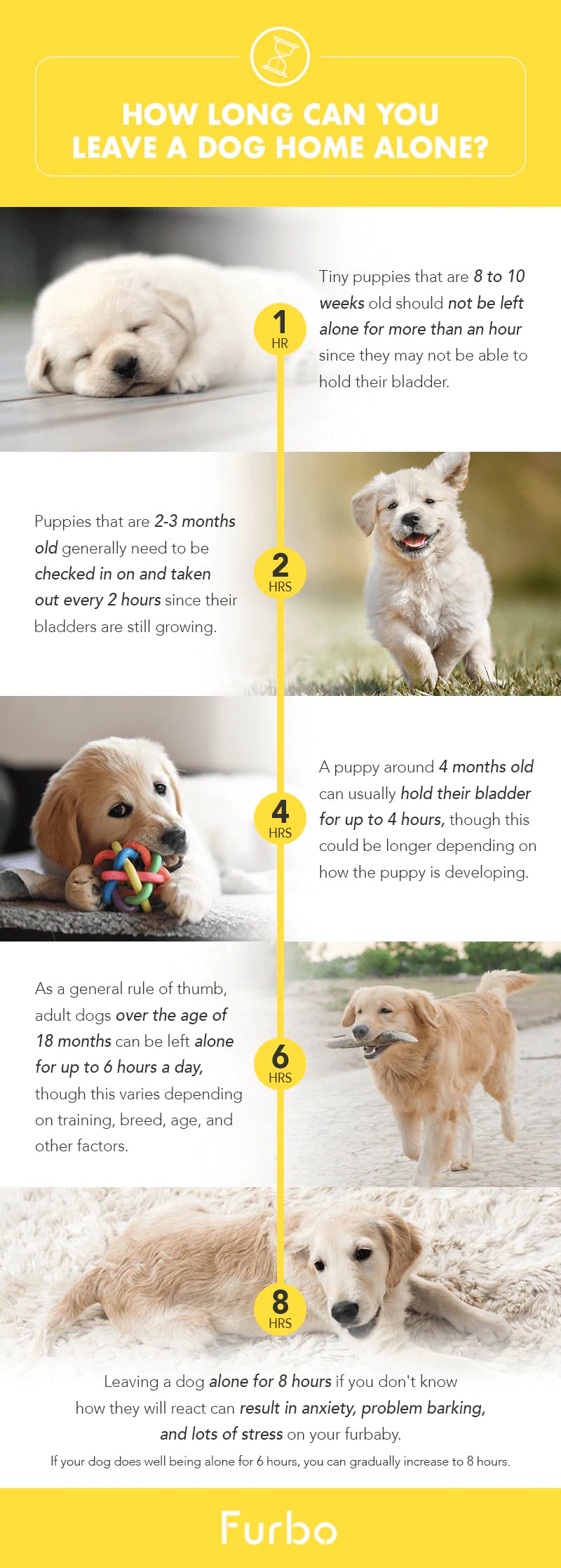
Image Source: images.prismic.io
Deciphering The Basic Rules for Alone Time
When planning how long to leave your dog, you must think about potty needs first. A dog cannot simply “hold it” indefinitely.
Dog Bathroom Breaks Alone
The rule of thumb for dog bathroom breaks alone is simple: a dog can usually hold its bladder for about one hour for every month of age, up to about eight hours.
| Dog Age Group | Maximum Recommended Potty Time (Hours) | Notes |
|---|---|---|
| Puppy (Under 6 months) | 1–4 hours | Needs frequent breaks, especially after eating or waking up. |
| Adult Dog (6 months to 8 years) | 4–8 hours | Healthier dogs can manage longer periods. |
| Senior Dog (8+ years) | 2–6 hours | May need more frequent relief due to weaker bladders or medical needs. |
If you must leave an adult dog for longer than 8 hours, you absolutely need a plan, like a midday dog walker.
Factors Affecting Dog Alone Time
The safe limit is not the same for every dog. Several things change how long your dog can cope alone. These are the main factors affecting dog alone time.
Puppy Alone Time Limits
Puppies are babies. They have small bladders and need constant supervision for training. Leaving a young puppy alone for too long is unfair and leads to accidents.
- Very Young Puppies (8–12 weeks): Need to go out every 1 to 2 hours.
- Older Puppies (4–6 months): May manage up to 4 hours, but shorter is always better.
Never push a puppy alone time limits too far. Accidents happen, and they can undo house training progress quickly.
Elderly Dog Alone Time
Senior dogs have different needs. They might have joint pain making it hard to wait, or they might have medical issues like kidney disease that increase urination.
For an elderly dog alone time, assume they need more frequent breaks than a healthy adult. Always check with your vet, but plan for breaks every 4 to 6 hours if possible.
Health and Activity Levels
A healthy dog that gets lots of exercise handles being alone better. A bored, high-energy dog will likely become stressed much faster than a tired dog.
- High-Energy Breeds: May only manage 3–4 hours before needing stimulation.
- Calm or Low-Energy Breeds: Might relax better alone for 6–8 hours.
Breed Disposition
Some breeds are known to be more independent (like some hounds), while others are deeply attached to their people (like many herding or toy breeds). Know your breed’s history to predict its comfort level.
The Challenge of Dog Separation Anxiety Time
One major hurdle in leaving dogs alone is dog separation anxiety time. Some dogs do not just get bored; they panic when left alone.
Separation anxiety (SA) is a real clinical issue, not just bad manners. Dogs with SA exhibit distress almost immediately upon separation.
Signs Your Dog Can’t Be Left Alone
If you notice these signs, your dog may have SA, and even short periods alone are too long:
- Excessive, frantic greeting rituals every time you return.
- Destruction focused only on exits (chewing door frames, window sills).
- Inappropriate urination or defecation indoors, even if house-trained.
- Constant, high-pitched barking or howling that starts shortly after you leave.
- Self-mutilation, like licking paws raw.
If you see these signs your dog can’t be left alone, leaving them for a long maximum duration dog alone is cruel and harmful. You need a professional behavior modification plan, not just longer crate times.
Determining the Safe Time to Leave Dog Unattended
The term safe time to leave dog unattended balances physical needs (potty) with mental needs (stress).
For most stable, healthy adult dogs, the ideal range is 4 to 6 hours. This allows for a reasonable workday without forcing them to hold their bladder for an unhealthy length of time or causing significant emotional stress.
When is it Too Long for Dog Alone?
Most behaviorists agree that consistently leaving a dog alone for more than 8 hours is pushing the limit for a healthy adult dog.
When is it too long for dog alone? Anytime the dog shows signs of distress, or if they cannot relieve themselves comfortably. If your dog has a history of accidents when you are gone for 9 hours, 9 hours is too long, even if they are technically an adult.
We must prioritize welfare over convenience.
Tips for Leaving Dog Alone Longer (Safely)
If your job requires you to be away for 8 to 10 hours, you need specific strategies to make that time manageable and safe. These are tips for leaving dog alone longer.
1. Implement Midday Breaks
The best solution for long days is a scheduled break. Hire a reliable dog walker or ask a trusted neighbor or friend. Even a 30-minute potty break and quick walk drastically reduces stress and bladder strain.
2. Exercise Heavily Before Departure
A tired dog is a good dog. Before you leave for a long stretch, give your dog vigorous exercise—a long run, a hard fetch session, or a training drill. Mental and physical fatigue encourages napping while you are gone.
3. Enhance Mental Stimulation
Boredom often leads to destructive behavior. Provide high-value, long-lasting entertainment just as you walk out the door. This distracts them from your exit.
- Puzzle Toys: Use KONGs stuffed with frozen peanut butter or yogurt. These can take 30–60 minutes to finish.
- Chews: Offer safe, durable chews (like yak chews) that last a long time.
- Safe Rotation: Only bring out the “special” toys when you leave. This keeps them novel and exciting.
4. Create a Safe, Dog-Proof Zone
Ensure the area your dog stays in is safe. If your dog tends to chew electrical cords or ingest foreign objects when anxious, confine them to a large exercise pen or a dog-proofed room (like a laundry room) with secure, safe items only.
5. Use Calming Aids
Certain aids can help lower baseline anxiety during your absence:
- White Noise or Music: Calming classical music or a simple white noise machine can mask outdoor sounds that might trigger barking or alertness.
- Pheromone Diffusers: Products like Adaptil release synthetic dog-appeasing pheromones that mimic the scent a mother dog gives off, promoting a sense of security.
Advanced Strategies for Managing Longer Absences
For unavoidable long days, pairing multiple strategies is essential.
Creating an “Alone Time Routine”
Dogs thrive on predictability. A consistent departure routine signals to the dog that your leaving is normal, not an emergency.
- Pre-Departure Calm: Avoid overly dramatic goodbyes. Keep the 15 minutes before leaving very calm.
- The Distraction Launch: Give the high-value frozen toy as you walk out the door. This associates your departure with a reward.
- The Quiet Return: When you return, ignore the dog for the first few minutes until they settle down. Greet them calmly once they are relaxed. This teaches them that calm behavior earns attention, not frantic excitement.
Utilizing Technology
Modern tools help bridge the gap when you cannot be there physically.
- Pet Cameras: Cameras allow you to observe your dog. This is crucial for diagnosing dog separation anxiety time issues. If you see pacing or distress within 10 minutes, you know the current time limit is too long.
- Two-Way Audio: Some cameras let you speak to your dog. Use this sparingly, as hearing your voice without seeing you can sometimes increase anxiety. Use it for short, calming phrases only.
Special Cases and Considerations
The baseline guidelines shift significantly when dealing with very young or very old dogs, or dogs with specific health issues.
The Puppy Paradox: Small Bladder, Big Needs
Never assume a puppy can handle standard adult dog limits. Puppies need frequent social interaction and potty access. Pushing puppy alone time limits results in stress and training setbacks. If you have a puppy, arrange for care if you will be gone more than 4 hours.
Senior Dog Alone Time Realities
As noted, elderly dog alone time requires diligence. Their need for frequent bathroom breaks increases. Additionally, older dogs may become confused or disoriented if left in total silence or darkness for too long.
- Ensure easy access to water.
- Keep the house temperature comfortable and consistent.
- If they rely on medication timed to your schedule, arrange for someone to administer it.
Fathoming When Training is Necessary
If you find yourself consistently needing to exceed the 6-hour mark, training is necessary, even if the dog seems fine. Proactive training prevents future issues.
Habituation Training
This involves slowly desensitizing your dog to your departure cues and short absences.
- Pick up keys (but don’t leave).
- Put on your coat (but sit back down).
- Walk out the front door and immediately come back in (before the dog reacts).
- Gradually increase this time to 1 minute, then 5 minutes, then 15.
The goal is to make your departure cues meaningless signals, not triggers for panic. This helps stretch the safe time to leave dog unattended without escalating stress levels.
Addressing Destruction vs. Anxiety
It is important to tell the difference between a dog that destroys things out of boredom (frustrated energy) and a dog that destroys things out of panic (anxiety).
- Boredom Destruction: Chewing furniture, digging at carpets, generally messy but not frantic. Usually happens after 3–4 hours of inactivity.
- Anxiety Destruction: Focused on escape routes, often accompanied by vocalization or accidents.
If the issue is boredom, more exercise and better toys are the solution. If it’s anxiety, professional behavior modification is needed, and the maximum duration dog alone should be kept very short until resolved.
Summary of Safe Alone Time Guidelines
Use this summary as a quick reference guide when planning your schedule. Remember, these are guidelines—always watch your specific dog.
| Dog Type | Ideal Max Duration (Hours) | Absolute Max Duration (Hours) | Key Concern |
|---|---|---|---|
| Young Puppy | 1–3 hours | 4 hours | Potty needs; intense socialization requirement. |
| Adult Dog (Trained) | 4–6 hours | 8 hours | Bladder control; risk of boredom/mild stress. |
| Anxious Adult Dog | 1–3 hours (with training) | N/A (needs immediate intervention) | Panic; self-harm; property damage. |
| Senior Dog | 2–5 hours | 6–7 hours | Mobility issues; frequent urination needs. |
Ensuring Safety and Comfort
Leaving a dog alone involves responsibility beyond just time limits.
Water Access
Always ensure fresh, clean water is available. If using a bowl, make sure it is sturdy and cannot be easily knocked over, especially if the dog is energetic or prone to anxiety-induced movement.
Temperature Control
Never leave a dog unattended in an environment where the temperature could change drastically. Heatstroke is a fast killer. If leaving for long periods, invest in a smart thermostat that allows you to check or adjust the home environment remotely.
Avoiding Confinement Stress
While crates are excellent training tools, they should not be used for excessively long periods when you are away, especially if the dog is not fully crate trained or panics in small spaces. Confinement for 8+ hours can become abusive if the dog is physically uncomfortable or mentally stressed by the lack of space.
Conclusion: Prioritizing Your Dog’s Well-being
The question of “How long can I leave my dog alone at home?” has a complex answer rooted in empathy and observation. While business often demands long hours, our pets rely on us to manage our schedules around their fundamental needs.
Aim for under six hours when possible. If you must exceed this, ensure you have built-in breaks, enrichment, and safety checks. By carefully observing the signs your dog can’t be left alone and proactively managing dog separation anxiety time, you can maximize the safe time to leave dog unattended while ensuring a happy, healthy life for your companion. Good planning makes longer absences easier for everyone involved.
Frequently Asked Questions (FAQ)
Q: Can I leave my dog alone overnight?
A: No. It is highly discouraged to leave any dog alone overnight. Dogs need bathroom breaks every 6 to 8 hours at most, and being alone in the dark for 12+ hours causes significant anxiety and guaranteed accidents. Overnight care, whether through pet sitting or boarding, is necessary.
Q: How long can a small dog be left alone compared to a large dog?
A: Generally, small dogs and puppies need more frequent breaks because they have smaller bladders. A large dog might physically hold their bladder longer, but forcing them to hold it for 10 hours is still unhealthy. Focus more on the individual dog’s health and training history than just size.
Q: Is it okay to leave my dog alone for 10 hours occasionally?
A: Occasionally (once or twice a month) might be manageable for a very healthy adult dog if they have a midday relief break arranged, or if you return immediately after the 10 hours. However, making this a regular occurrence (daily) is too long and places your dog at risk for physical discomfort and behavioral issues.
Q: How do I stop my dog from chewing things when I leave?
A: Chewing is often due to boredom or anxiety. First, ensure thorough exercise before departure. Second, provide high-value, long-lasting chews (like frozen stuffed KONGs) only when you leave. If the chewing is frantic and focused on doors/windows, it points to anxiety, requiring specialized training rather than just more toys.
Q: What is the best way to handle separation anxiety if I work standard hours?
A: You must break up the day. If you work 9 to 5, you need someone to visit between 1 and 3 PM. If hiring help isn’t possible, consider doggy daycare a few days a week. Training to reduce anxiety must happen in short increments (under 30 minutes initially) while you are home before attempting longer absences.