
Dog cremation is the process of using high heat to reduce a dog’s body to bone fragments, often referred to as cremated remains or ashes. This practice has become a popular choice for pet burial alternatives when saying goodbye to a beloved companion. When facing the loss of a furry family member, many owners seek peaceful and respectful pet afterlife arrangements. This article will explain the steps involved in understanding pet cremation thoroughly.
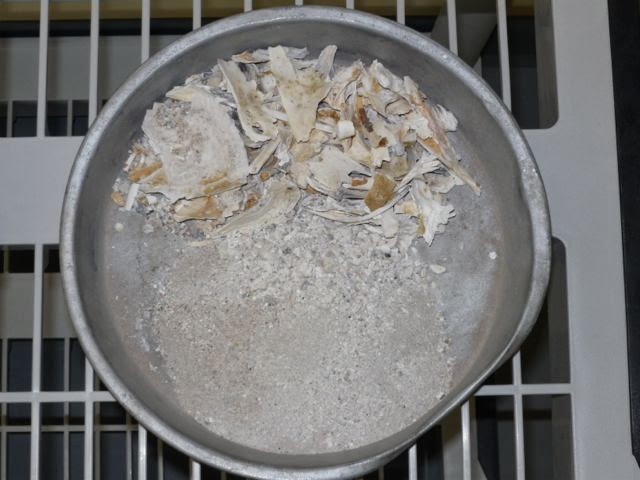
Image Source: cremationinstitute.com
Deciphering the Options: Types of Pet Cremation
Before the actual cremation takes place, families must decide on the type of service they prefer. This choice greatly impacts the final outcome and the cost. There are two main types offered by most veterinary aftercare options providers.
Private vs. Communal Pet Cremation
The biggest difference lies in how your dog is handled during the process. Choosing the right method is a deeply personal decision often made during moments of acute grief, making clear information vital.
Private Cremation
In a private vs communal pet cremation scenario, private cremation means your dog is cremated alone.
- Sole Vessel: Only your pet enters the cremation chamber.
- Guaranteed Return: You receive only your pet’s cremated remains back.
- Higher Cost: This service generally costs more due to the dedicated time and resources needed.
- Traceability: Many facilities offer tracking to ensure the right remains are returned.
Communal Cremation
Communal cremation involves multiple pets being cremated at the same time.
- Group Process: Several animals are placed in the retort together.
- No Remains Returned: Because the remains are mixed, individual ashes are not returned to the owner.
- Lower Cost: This is usually the most affordable option for animal remains disposal.
- Dignified End: Even though it’s communal, the process is still performed with respect and dignity.
Sometimes, owners of larger animals, like those needing equine cremation services, might also opt for communal services if individual return is not a priority or is cost-prohibitive for large masses.
The Journey to the Crematory: Initial Steps
Once a decision is made, the practical steps begin. These first actions ensure your pet receives care right away.
Collection and Transport
After a peaceful passing, whether at home or at the veterinary clinic, arrangements must be made.
- Veterinarian Coordination: Often, the vet’s office coordinates with a licensed pet cremation provider. They handle the temporary storage with care.
- Home Pickup: Some specialized services will come directly to your home to collect your dog. This allows you to say goodbye privately before transport.
- Documentation: Paperwork is essential. This confirms your choices, especially regarding private versus communal cremation. It ensures proper identification throughout the process.
Preparation for the Retort
The crematory facility prepares the body for the high-heat process. This preparation is respectful and standardized.
- Identification: The facility uses non-toxic identification tags, often placed on the pet’s paw or wrapped securely with the body. This tag remains with the pet throughout cremation. This step is vital to prevent mix-ups, especially for private services.
- Temporary Container: The dog is placed in a biodegradable container or shroud for its final journey into the cremation chamber.
Fathoming the Cremation Process Itself
The core of dog cremation involves extreme heat and specialized equipment. This process is similar to human cremation but scaled for animals.
The Cremation Chamber (Retort)
The machine used for cremation is called a retort. It is a specialized furnace built to handle high temperatures safely and efficiently.
Temperature and Duration
Cremation requires very high temperatures to break down the body completely.
- Heat Levels: Retorts operate at temperatures usually between 1,400 to 1,800 degrees Fahrenheit (760 to 980 degrees Celsius).
- Time Required: The time needed depends on the size and weight of the dog. Smaller dogs might take an hour or two. Larger breeds might need three to four hours inside the retort.
- Natural Forces: The intense heat causes the body’s tissues and organic matter to vaporize or oxidize, leaving behind only bone material.
What Happens Inside the Retort?
The process relies on thermal decomposition. It is an efficient and clean method of reducing organic material.
- Loading: The pet, in its biodegradable container, is carefully moved into the retort.
- Heating Cycle: The temperature gradually rises to the required high level. Airflow is carefully controlled to support complete combustion.
- Final Reduction: Once the soft tissues are gone, the heat reduces the bone structure.
Post-Cremation Handling and Return
After the chamber cools down, the work of transforming the remains into what we recognize as ashes begins. This is a crucial step, especially when memorializing pets through keepsakes.
Processing the Remains
The material left after cremation is not soft ash like dust. It consists of dry, hard bone fragments.
- Cooling Period: The retort must cool down significantly before the remains can be safely handled. This can take several hours.
- Extraction: Staff carefully remove the contents from the chamber.
- Separation and Pulverization: The remains are checked for any non-combustible items (like microchips or metal tags, though identification tags are meant to burn away or be removed). The hard bone fragments are then placed into a specialized processor. This machine gently grinds the fragments into the fine, sand-like texture we call cremated remains.
Receiving the Ashes
The final step is returning the remains to the grieving owner.
- Urn Selection: Owners often choose an urn. These range from simple cardboard boxes to elaborate ceramic or wooden vessels.
- Keepsakes: Many families opt for items like paw print keepsakes or jewelry filled with a small portion of the remains. This allows for tangible connection during the grieving period.
Making Choices: Cost and Emotional Support
Choosing cremation involves financial decisions and navigating complex emotions. It is important to know what support is available.
Cost Factors
The price of dog cremation varies widely based on several factors.
| Factor | Impact on Cost | Notes |
|---|---|---|
| Type of Cremation | Major difference | Private is significantly more expensive than communal. |
| Pet Size/Weight | Moderate impact | Larger pets require more time and energy in the retort. |
| Urn/Keepsake Selection | Varies widely | Elaborate urns or custom jewelry increase the total expense. |
| Urgent Services | Can add fees | Same-day or emergency services often carry extra charges. |
Navigating Grief and Loss
Losing a pet brings deep sorrow. Seeking help is a critical part of the process for many owners dealing with grief support after pet loss.
- Support Groups: Many communities offer pet loss support groups, often run by shelters or veterinary practices.
- Counseling: Professional grief counselors specializing in pet loss can provide personalized tools for coping.
- Memorialization: Creating a tangible memory, such as planting a tree or creating an album, helps honor the life shared. The process of choosing paw print keepsakes can sometimes be a therapeutic activity.
Legal and Ethical Considerations in Animal Disposal
When dealing with animal remains disposal, ethical standards and sometimes local regulations apply. Reputable cremation services adhere to strict ethical guidelines.
Ensuring Ethical Treatment
The way a cremation provider handles your pet reflects their commitment to you and your companion.
- Licensing: Ensure the facility is licensed and regulated in your area. This protects you from substandard or illegal practices.
- Transparency: Ethical providers are open about their processes, especially regarding how they ensure the separation of remains in private cremations.
- Veterinary Partnership: Vets usually partner only with services they trust, offering a layer of vetting for families seeking veterinary aftercare options.
Comparing Options Beyond Cremation
While cremation is popular, it is worth briefly noting other formal pet burial alternatives.
- Home Burial: Allowed in some areas but often restricted by zoning laws or water table concerns. It lacks the formal tracking of cremation services.
- Pet Cemeteries: Traditional burial plots dedicated solely to pets are available in many regions, offering a fixed location for visitation.
Frequently Asked Questions About Dog Cremation
Q: How long does the entire dog cremation process take from start to finish?
A: The actual time in the retort is usually a few hours, depending on size. However, the entire process, including pickup, paperwork, scheduling, cooling, and processing the remains, usually takes between one to three weeks before the ashes are returned to you.
Q: Can I be present when my dog is cremated?
A: Some facilities allow private viewings or even attendance during the loading of the retort, especially for larger animals requiring equine cremation services or very dedicated private pet afterlife arrangements. You must ask the provider about their specific policies on witnessing the service.
Q: What are cremated remains made of after the process?
A: The final product consists mainly of calcium phosphate, the same mineral structure found in human bones. These are the non-organic components that resist high heat. They are dry, hard, and ground down into a fine consistency.
Q: Are ashes from private cremation truly only from my dog?
A: Reputable providers using a strict system of metal or ceramic identification tags placed with the pet before and during the cremation guarantee that the remains returned are solely from your dog during a private vs communal pet cremation service. Always ask about their tracking methods.
Q: What should I do with the ashes if I do not want to keep them?
A: You have many choices for final disposition. You can keep them at home, scatter them in a meaningful location (check local ordinances first), bury them on private property, or inter them in a pet cemetery plot. Many services offer scattering services as part of their package for animal remains disposal.