
A dog gets whipworm primarily by eating soil or grass contaminated with infective whipworm larvae. This parasite, scientifically known as Trichuris vulpis (T. vulpis), spreads when a dog ingests the microscopic eggs that have matured into larvae in the environment.
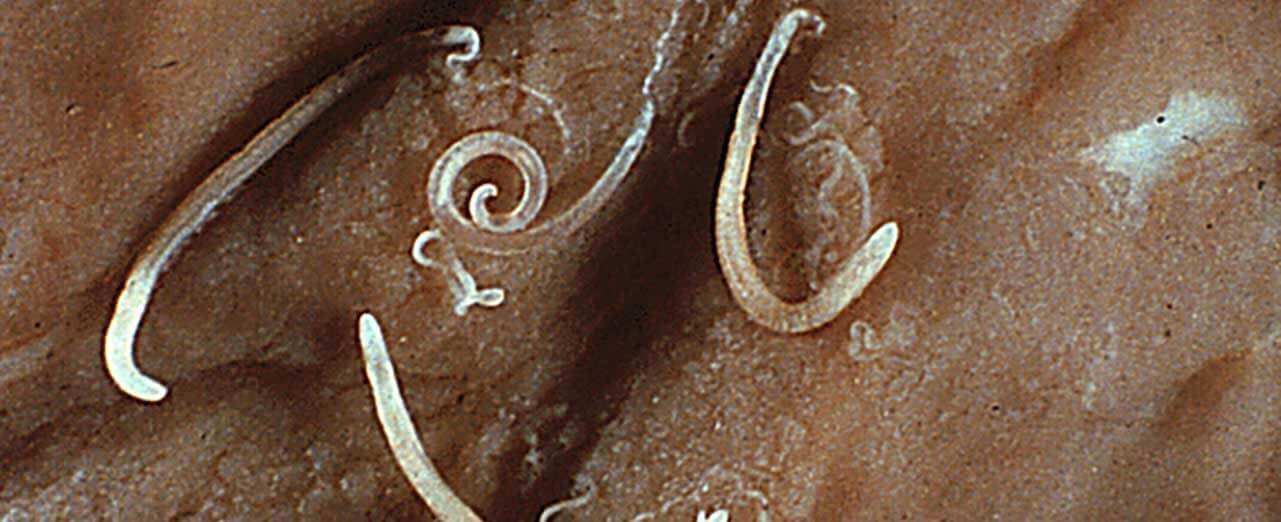
Image Source: nexgard.com.au
Grasping the Danger: What is Canine Whipworm?
Whipworms are tiny parasites that live in the large intestine and cecum of dogs. They are thread-like worms that look like a whip—a long, thin front end and a thicker back end. While they are less common than other intestinal worms like roundworms or hookworms, they can cause significant health problems if left untreated. Knowing how your dog catches these worms is the first step in keeping them safe.
Distinguishing Worm Types: Dog Hookworm vs Whipworm
It is easy to mix up different types of intestinal worms. While both hookworms and whipworms affect a dog’s gut, they are different parasites with different transmission methods and treatment approaches.
| Feature | Whipworm (T. vulpis) | Hookworm (Ancylostoma caninum, etc.) |
|---|---|---|
| Location in Dog | Large intestine and cecum | Small intestine |
| Appearance | Thin, whip-like shape | Small, thread-like, hook at one end |
| Main Transmission | Ingesting contaminated soil/feces | Skin penetration, mother to puppy, ingestion |
| Typical Symptoms | Chronic diarrhea, weight loss | Bloody stool, anemia |
Hookworms are often more immediately dangerous, especially to puppies, because they suck blood directly. Whipworms cause trouble mainly through irritation and chronic inflammation in the lower gut.
The Life Cycle of Dog Whipworm: A Journey of Infection
To truly prevent whipworm, you must know the life cycle of dog whipworm. This cycle helps explain why a clean yard is so important.
The process starts when an adult female whipworm in your dog’s large intestine lays eggs.
Stage 1: Egg Shedding
The eggs are passed out in your dog’s feces. These eggs are not immediately infectious. They must spend time in the environment—soil, grass, or water—to mature. This maturation process usually takes about two to four weeks, depending on warm, moist conditions. This is why a dog doesn’t always get sick immediately after exposure.
Stage 2: Larval Development in Soil
Once the eggs are outside the host, they develop into the infective larval stage (L1). Warm, damp environments speed this up. If the climate is cold or dry, the eggs can survive for many months, waiting for the right conditions to become dangerous.
Stage 3: Ingestion by the Dog
This is the critical step in how does a dog get whipworm. Your dog becomes infected when it swallows the soil, grass, or even contaminated water or food that contains these infective larvae. Dogs often pick up infective eggs simply by sniffing and licking contaminated areas.
Stage 4: Maturation in the Small Intestine
Once swallowed, the larvae hatch in the small intestine. They travel to their final destination: the large intestine and the cecum. Here, they burrow their thin heads into the lining of the gut wall. They develop into adult worms over about three months.
Stage 5: Reproduction
Once mature, the adults begin laying eggs again, restarting the entire cycle. Because this cycle takes a few weeks, a dog might shed eggs long before you see any dog whipworm symptoms.
Pathways of Infection: How Exactly Does Exposure Happen?
Knowing the life cycle helps us identify the common ways dogs encounter these microscopic threats. It is rarely from direct contact with an infected dog.
Contaminated Environment
This is the number one route. Soil contamination is key.
- Shared Outdoor Areas: Dog parks, communal yards, or walking routes where other infected dogs have defecated are high-risk areas. Even if the feces is gone, the microscopic eggs can remain in the soil for a long time.
- Licking Contaminated Objects: Dogs lick their paws after walking on infected ground. They might also lick surfaces or objects that have come into contact with contaminated soil.
Indirect Ingestion
Sometimes, the source isn’t directly the soil.
- Contaminated Food or Water: If food or water bowls are left outside where contaminated dust or runoff can enter, infection is possible.
- Fomites (Objects): Toys, bedding, or grooming tools left on contaminated soil can carry eggs inside the home.
Transplacental and Colostral Transmission (Rare but Possible)
While less common than with hookworms, some research suggests that T. vulpis might rarely be passed from a pregnant mother dog to her puppies before birth (transplacental) or through her first milk (colostral). Because of this possibility, puppies need strict deworming protocols.
Recognizing the Threat: Dog Whipworm Symptoms
Many dogs infected with whipworm show no obvious signs, especially if the worm burden is light. This makes regular testing vital. However, when symptoms of canine intestinal worms do appear, they often relate to irritation in the lower digestive tract.
Common Signs of Infestation
If your dog is struggling with whipworms, you might notice subtle changes first.
- Intermittent Diarrhea: This is the most common sign. It can be soft stool or watery, often appearing suddenly and then stopping, only to return later.
- Mucus in Stool: The lining of the large intestine becomes irritated, leading to slime or mucus coating the feces.
- Blood in Stool (Hematochezia): Small amounts of fresh, red blood may be visible. This happens when the worms irritate the lining enough to cause minor bleeding.
- Weight Loss and Poor Coat Condition: If the infection is chronic and severe, the dog struggles to absorb nutrients properly, leading to weight loss despite a normal appetite.
- Abdominal Pain: Some dogs show discomfort or reluctance when their belly is touched, especially in the lower abdominal area.
- Lethargy: A generally tired or less energetic dog can signal chronic illness due to worm burden.
If you notice chronic, unexplained diarrhea, particularly if it contains mucus or blood, contact your veterinarian immediately. These signs can also point to other serious issues, making prompt diagnosis important.
Seeking Answers: How to Test for Dog Whipworm
Because the egg-shedding pattern of whipworms is irregular, a single fecal test might miss the infection. Adult whipworms do not lay eggs every day. This is why how to test for dog whipworm requires a specific approach.
Fecal Flotation Test
The standard method is the fecal flotation test. A lab technician examines a stool sample under a microscope to find the characteristic football-shaped eggs.
- Multiple Samples: Due to the intermittent shedding, veterinarians often recommend submitting three fecal samples collected on non-consecutive days (e.g., Monday, Wednesday, Friday). This increases the chance of catching the eggs when they are being shed.
- Whipworm Specific Concentration: Sometimes, standard flotation isn’t sensitive enough for whipworm eggs. Specialized concentration techniques may be required if symptoms strongly suggest whipworms despite negative routine tests.
Blood Tests
While blood tests are not the primary diagnostic tool for T. vulpis, a vet might run blood work if the dog is anemic or severely ill. These tests check for secondary effects, like low red blood cell counts caused by chronic blood loss associated with severe intestinal irritation.
Taking Action: Canine Whipworm Treatment
If your dog tests positive, prompt and correct canine whipworm treatment is essential. Treatment is often more complex than for other common worms.
Medical Interventions
Several medications effectively kill adult whipworms. Your veterinarian will choose the best drug based on your dog’s health and the severity of the infection.
- Fenbendazole: This is a very common dewormer used. It often needs to be given for several days consecutively to ensure all the worms are targeted, as a single dose may not clear the infection.
- Febantel: Another broad-spectrum dewormer that is effective against whipworms.
- Other Medications: Certain monthly heartworm preventatives that contain ingredients like milbemycin oxime can also be effective against T. vulpis. Your vet might prescribe these in specific protocols for treating T. vulpis in dogs.
The Importance of Repeat Treatment
The key challenge in treating T. vulpis in dogs is the life cycle. The medication kills the adult worms, but it may not kill the larvae that are burrowed into the gut lining or the eggs already passed that are developing in the environment.
Therefore, treatment protocols usually involve re-dosing after two to four weeks. This second dose kills any new adults that matured from larvae that survived the first treatment or eggs that hatched after the first dose was administered.
Supportive Care
For dogs with severe diarrhea or dehydration, veterinary care for dog whipworm might include:
- Fluid therapy to correct dehydration.
- Anti-diarrheal medications to soothe the inflamed gut lining.
- Dietary changes to ease digestion during recovery.
Protection Plan: Whipworm Prevention in Dogs
The best defense against whipworm is consistent prevention. Since environmental contamination is the main source, prevention focuses on medication and sanitation.
Consistent Deworming Schedule
The most effective tool for whipworm prevention in dogs is regular use of broad-spectrum parasite control products.
- Monthly Preventatives: Many high-quality heartworm preventatives also control or kill intestinal worms, including whipworms. Using these year-round breaks the life cycle before infection can take hold.
- Routine Deworming Schedule for Dogs: Even if your dog is on monthly preventatives, many vets recommend routine fecal checks and deworming protocols, especially for puppies or dogs with higher exposure risks (like those who frequent dog parks). Always follow your veterinarian’s recommended deworming schedule for dogs.
Environmental Management
Because the eggs survive so well outside, managing your dog’s environment is crucial.
- Prompt Cleanup: Pick up feces immediately, every time. Do not let it sit in the yard.
- Yard Hygiene: If you have a known contamination issue, solarization (covering the area with clear plastic in hot sun) can help kill eggs, though this is difficult in a typical yard setting.
- Limit Contaminated Access: Keep your dog away from known high-traffic areas where parasite control is lax.
- Regular Cleaning Indoors: Wash bedding frequently in hot water to destroy any eggs tracked inside.
Fathoming the Risk: Why Whipworms Matter
While some dogs fight off mild infections easily, chronic whipworm infection can lead to serious health issues, especially in young, old, or immunocompromised dogs. The continuous irritation in the large bowel causes significant inflammation.
Chronic Colitis
The most significant long-term risk from whipworm is chronic colitis—long-term inflammation of the colon. This results in persistent, mucus-filled diarrhea that can be difficult to manage even after the worms are gone, as the gut lining needs time to heal.
Anemia Risk
While hookworms are famous for causing anemia, severe, long-term whipworm infection can also lead to anemia because of chronic inflammation and minor, persistent blood loss in the lower gut.
Special Considerations: Puppies and High-Risk Dogs
Puppies are highly vulnerable. If a pregnant mother has even a light infection, the potential for passing early stages of the parasite to the unborn or newborn pups exists. Therefore, puppies must start a rigorous deworming schedule for dogs very early, often starting at two weeks of age, regardless of whether the mother shows dog whipworm symptoms.
Dogs that spend significant time outdoors, especially those that roam or frequent areas with many other dogs, are at much higher risk for environmental exposure. These dogs need strict monthly preventative coverage.
Consulting Your Veterinarian
Never try to treat a suspected worm infection solely with over-the-counter products unless specifically directed by your vet. Accurate diagnosis is necessary. If you suspect your dog has symptoms of canine intestinal worms, or if you are unsure about your current whipworm prevention in dogs plan, schedule an appointment. Veterinary care for dog whipworm ensures the correct medication is used at the right frequency to break the life cycle effectively.
Frequently Asked Questions (FAQ)
Can humans catch whipworms from their dogs?
No. Canine whipworms (Trichuris vulpis) do not infect humans. Humans can get whipworms, but they are caused by a different species (Trichuris trichiura), which is transmitted person-to-person, not from dogs.
How long does it take for a dog to show symptoms after getting infected with whipworm?
It typically takes about three months from the time a dog swallows the infective larvae until adult worms are present and start shedding eggs, which is when obvious dog whipworm symptoms might start to appear. However, dogs can feel ill sooner due to the developing parasites irritating the gut lining.
Are whipworm eggs easily killed by normal cleaning or sunlight?
Whipworm eggs are very tough. They resist many common disinfectants. While direct, intense sunlight can eventually break them down, they can survive for months in cool, damp soil. This is why immediate fecal removal is so important.
If my dog is on monthly heartworm prevention, do they still need other deworming?
This depends entirely on the active ingredients in the monthly product. Many modern preventatives cover heartworms, fleas, ticks, roundworms, and hookworms. However, many do not consistently cover whipworms. You must check the label or ask your vet specifically if the product is effective for treating T. vulpis in dogs.
Why is diagnosing whipworm sometimes difficult?
The difficulty lies in the irregular egg-shedding pattern. A dog might only shed eggs for a few days every week or two. This means if the fecal test is done on a “non-shedding” day, the result will be falsely negative, even if the dog is heavily infected. This is why testing multiple samples is crucial for how to test for dog whipworm.