
A dog gets maggots when flies lay their eggs on the dog, usually on moist, dirty, or wounded areas. These eggs hatch quickly into tiny, worm-like larvae we call maggots. This condition is often called dog fly strike.
Dealing with maggots on a dog is a serious emergency. Finding these pests means your dog needs immediate care to remove them and treat the area. This problem, known as canine maggot infestation, happens when flies find a perfect spot for their young. It is often linked to poor hygiene or existing health issues that make the dog an easy target.
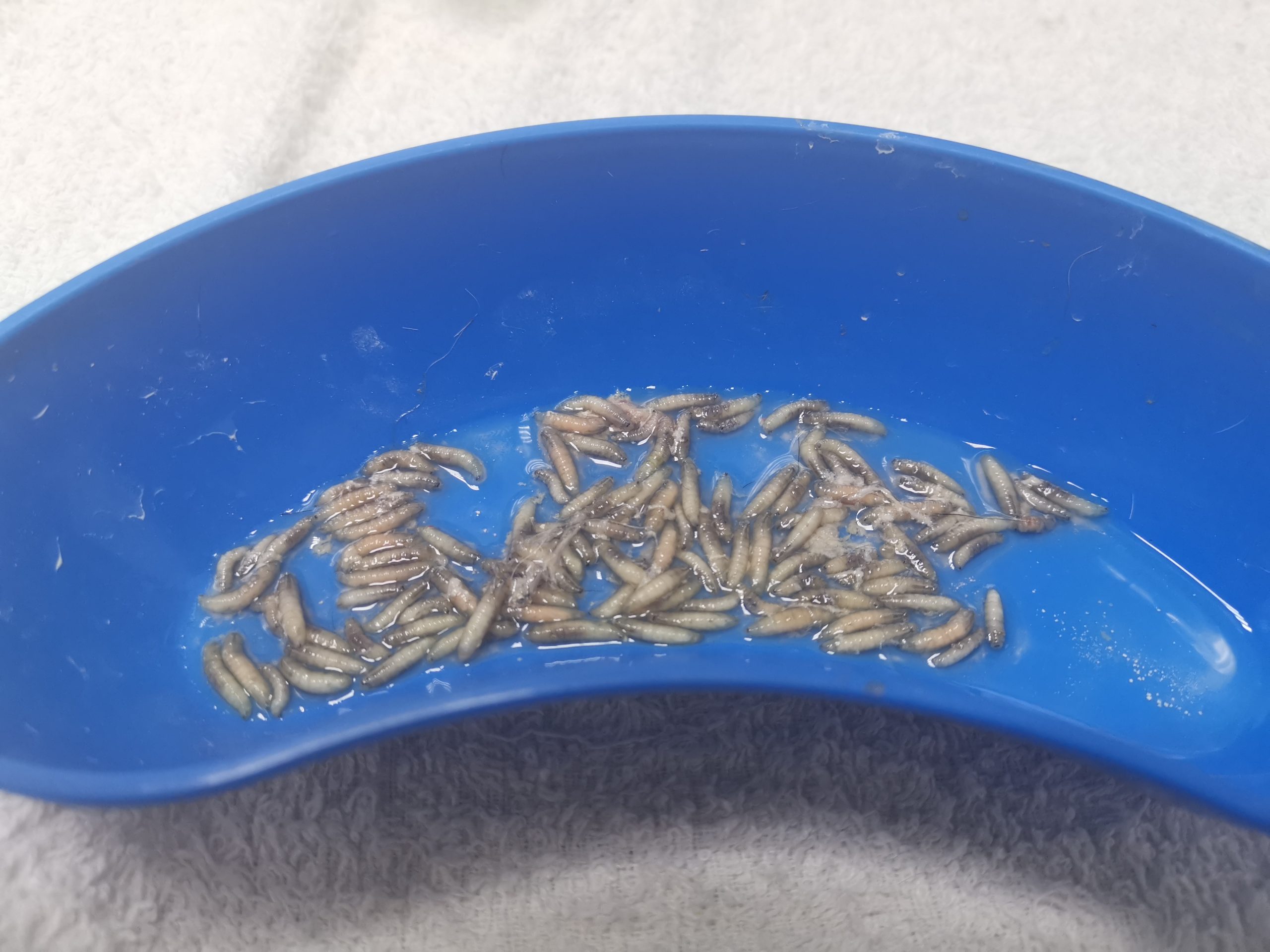
Image Source: oasis-vet.com
What Are Maggots on a Dog?
Maggots are the larval stage of flies, such as blowflies or flesh flies. They feed on decaying organic matter. When they infest a living animal, they eat healthy tissue, causing severe harm. This is very different from finding worms inside your dog, which are internal parasites. If you see moving things under your pet’s skin, it is vital to know the difference, but both need vet attention.
Fathoming How Flies Target Dogs
Flies are drawn to specific conditions on or around your dog. They are not just randomly landing; they seek out easy places to lay eggs that will provide immediate food for the hatched larvae.
Primary Entry Points for Fly Eggs
Flies are opportunistic. They look for warm, wet, or dirty areas. These spots are ideal nurseries for their young.
Areas Prone to Attraction:
- Open Wounds: Any cut, scratch, or injury provides a perfect landing spot. Flies smell the moisture and tissue. A dog wound with maggots is a common sight if not treated fast.
- Moist Coat Areas: Dogs that are incontinent (cannot control urination or defecation) often have soiled rear ends. Urine and feces attract flies immediately.
- Skin Folds and Heavy Fur: Deep skin folds, especially in breeds like Bulldogs or Pugs, can trap moisture and debris. Long-haired, matted dogs also hide damp spots easily.
- Tears and Eye Discharge: Heavy eye or ear discharge creates a moist environment flies love.
- Dead Tissue (Necrosis): If a part of the skin or tissue has died (perhaps from an old injury or severe sunburn), flies will target it instantly.
The Lifecycle of Infestation
The speed at which this happens is shocking. This is why quick action is crucial.
- Laying Eggs: A female fly can lay hundreds of tiny, rice-like eggs in just a few hours.
- Hatching: In warm weather (above 70°F or 21°C), these eggs hatch into botfly larvae in dogs or other fly larvae within 8 to 24 hours.
- Feeding: The maggots immediately start burrowing and eating. They consume dead tissue first, but they quickly move to living tissue if food is scarce. This process is fast and causes immense pain and tissue loss.
Recognizing the Signs of Dog Fly Strike
Spotting the problem early saves your dog much suffering. You need to know the signs of maggots on pet animals.
Visible and Behavioral Clues
If you suspect dog fly strike, check your pet closely, especially in problem areas mentioned above.
| Sign Observed | What It Means | Urgency Level |
|---|---|---|
| Constant Licking/Chewing | Dog tries to relieve intense itching or pain. | High |
| Foul Odor | A decaying smell coming from the skin or fur. | Very High |
| Visible Movement | Seeing small, creamy-white wrigglers move under the skin or in fur. | Extreme Emergency |
| Skin Irritation | Redness, oozing sores, or bald patches appearing suddenly. | High |
| Lethargy or Hiding | Pain causes the dog to be unusually quiet or withdrawn. | Medium to High |
If you see any wriggling shapes, especially near the tail base, ears, or armpits, treat it as an emergency. Do not wait to see if it goes away.
Health Factors That Increase Risk
Some dogs are much more likely to attract flies than others. These factors make the dog a more attractive target for egg-laying.
Mobility and Age Issues
Elderly dogs, puppies, or dogs with chronic illnesses often cannot keep themselves clean.
- Incontinence: A dog that leaks urine or stool soils the fur around its rear. This creates a perfect, moist breeding ground.
- Obesity: Overweight dogs cannot easily groom their hindquarters or back. Matted, soiled fur traps moisture.
- Immobility: Dogs recovering from surgery or those with severe arthritis cannot clean themselves well.
Coat and Skin Conditions
The condition of the dog’s coat plays a major role in preventing fly strike in dogs.
- Long or Matted Hair: Thick, dirty, or matted fur traps moisture, dirt, and feces close to the skin, creating an ideal habitat for flies.
- Skin Diseases: Dogs with severe allergies, hot spots, or moist dermatitis have damaged skin barriers that smell attractive to flies.
Immediate Steps: What to Do If Maggots Are Present
If you confirm your dog has worms in skin or maggots, time is critical. You must act fast, but carefully.
Step 1: Contact Your Veterinarian NOW
Maggot infestations can quickly become life-threatening. They burrow deep and can reach muscle and bone. Call your vet immediately. Tell them you suspect a maggot infestation so they can prepare for an emergency visit.
Step 2: Initial Containment and Cleaning
While waiting for the vet, take gentle first steps. The goal here is to make the area slightly less welcoming to the maggots until professional help arrives.
- Keep the Dog Calm: Confine your dog to a clean, safe area.
- Examine Gently: Using gloves, gently part the fur around the affected area. Do not try to pull or squeeze the maggots out yourself unless a veterinarian specifically instructs you to do so over the phone.
- Minor Cleaning: If the area is wet with urine or feces, gently wipe the surrounding clean fur with warm water and a mild, pet-safe soap. Rinse thoroughly. Do not soak the area if the wound looks deep.
Never apply harsh chemicals like hydrogen peroxide, rubbing alcohol, or strong ointments to the area. These can injure the tissue further or poison the dog.
Professional Treatment for Canine Maggot Infestation
Treating maggots on dog requires veterinary skill. They must remove all larvae safely.
The Removal Process
The vet will likely sedate or anesthetize the dog, especially if the infestation is widespread or deep.
- Shaving: The fur around the affected site must be clipped short. This exposes the entire wound area.
- Wound Exploration: The vet carefully inspects the depth and spread of the infestation. They look for signs that the maggots have tunneled deeper.
- Larvae Extraction: This is the main step. Vets use fine forceps or specialized tools for dog fly larva removal. Sometimes, a sterile saline flush helps encourage the larvae to come to the surface.
- Cleaning Maggot Wounds on Dog: Once all visible larvae are gone, the wound must be thoroughly cleaned. This often involves flushing with antiseptic solutions. The vet checks for deep tissue damage.
Aftercare and Medication
Once the physical removal is complete, the focus shifts to healing and preventing secondary infection.
- Antibiotics: Since the skin barrier is broken, bacteria can easily enter. Oral or topical antibiotics are often prescribed.
- Pain Management: The wounds are painful. Your vet will provide safe pain relief medication.
- Dressing the Wound: The wound may be left open to drain or lightly bandaged, depending on its size.
If you see signs that look like my dog has worms in skin but suspect maggots, professional cleaning is vital because maggots eat live tissue; worms usually do not.
Preventing Fly Strike: A Year-Round Commitment
The best way to deal with maggots is to never let them start. Preventing fly strike in dogs involves diligent environmental control and excellent pet hygiene.
Hygiene: Keeping the Dog Clean
A clean dog is an unattractive target for flies. This is the single most important step.
- Daily Rear Checks: For incontinent or elderly dogs, check the rear end several times a day. Use unscented baby wipes or warm water to clean soiled fur immediately after they eliminate.
- Regular Bathing: Bathe your dog frequently, especially in warm months. Use mild, moisturizing shampoos.
- Coat Maintenance: Keep long hair trimmed short, especially around the rear, paws, and armpits. Brush daily to prevent mats where moisture can hide.
Environmental Management: Controlling the Flies
Keep flies away from your dog’s living spaces.
- Waste Removal: Pick up feces from the yard immediately. Flies breed rapidly in manure and garbage.
- Secure Trash Bins: Ensure all outdoor trash cans have tight-fitting lids.
- Limit Outdoor Time in Peak Hours: Flies are most active during warm, sunny parts of the day. Keep high-risk dogs indoors during these times.
Topical and Medical Prevention
There are products designed to repel or kill adult flies before they can lay eggs.
Preventative Measures Table
| Method | Description | Frequency | Effectiveness |
|---|---|---|---|
| Flea & Tick Prevention | Many modern spot-on treatments also repel certain types of flies. | Monthly | Good protection for general fly deterrence. |
| Fly Repellent Sprays | Pet-safe sprays containing ingredients like pyrethrins. Must be reapplied often. | Daily/As needed | Good for short-term relief during high-risk times. |
| Veterinary Products | Specific prescription products designed to control nuisance flies. | As directed by Vet | Highest level of protection when used correctly. |
| Wound Protection | Use protective dog cones (Elizabethan collars) after surgery or injury until healed. | Until healed | Prevents flies from accessing wounds directly. |
Dealing with Deep or Repeated Infestations
Sometimes, even with great care, maggots can take hold, or a dog may be prone to repeated attacks due to chronic conditions.
When Maggots Burrow Deep
If the vet suspects the maggots have caused deep tissue damage or have moved into body cavities (like the ear canal or nose), the treatment becomes more complex.
- Extended Hospital Stay: The dog might need to stay at the clinic for several days for frequent dressing changes and monitoring.
- Surgical Repair: Extensive tissue loss may require surgery to close large defects or manage necrotic (dead) tissue that needs debridement (surgical removal of dead tissue).
Addressing Underlying Issues
If your dog is repeatedly infested, it signals an underlying problem that needs fixing to stop future dog fly strike.
- Mobility Assessment: If the issue is mobility, discuss physical therapy or mobility aids (like ramps or slings) with your vet.
- Skin Health: Have your vet check for allergies or chronic infections contributing to skin odor and moisture. Treating the primary skin condition reduces the fly attraction.
- Incontinence Management: For age-related incontinence, discuss medications, specialized dog diapers, or protective wraps with your veterinarian.
Distinguishing Maggots from Other Skin Issues
It is easy to panic when you see something moving on your dog. It is helpful to know what might be mistaken for maggots.
- Ticks: Ticks are usually larger, brownish or black, and firmly attached to the skin. They do not move in large clusters.
- Fleas: Fleas are tiny black specks that jump rapidly. They do not look like white, segmented larvae.
- Worms: As mentioned, internal worms (like roundworms or tapeworms) are passed in stool or sometimes seen around the anus, but they do not typically infest open wounds or skin in the same way. If you see something that looks like rice grains near the tail, it is more likely tapeworm segments, not maggots.
If you are unsure, take a clear photo or video and contact your vet immediately. Never try to treat a suspicious lesion without professional guidance.
Frequently Asked Questions (FAQ)
Can I remove maggots myself with tweezers?
It is strongly advised not to attempt removal yourself unless your veterinarian tells you how to do it safely over the phone. If maggots have burrowed deep, pulling them can break them, leaving parts behind, which causes infection. Professional extraction under sedation ensures all larvae are found and removed.
How quickly can a dog develop maggots after being exposed?
In hot, humid weather, fly eggs can hatch into active maggots in as little as 8 to 24 hours. This is why immediate cleaning of any soiled area is vital.
Will fly spray kill the maggots already on my dog?
Most over-the-counter fly repellents are for preventing flies from landing. They are not effective or safe for killing established maggots burrowed into the skin. Specialized veterinary treatments are required for existing infestations.
Is a dog with maggots contagious to other pets?
No, maggots are not contagious. The issue is the presence of adult flies that can lay eggs on any susceptible animal or organic matter. If you have multiple pets, ensure they are all kept clean and checked regularly, especially if one pet has mobility issues.
What if my dog swallowed a maggot?
If your dog eats a maggot, it is unlikely to cause serious harm. The digestive acids in the stomach will usually kill the larvae. However, if the dog is excessively vomiting or drooling, contact your vet for advice.