
If you suspect your dog is bleeding inside their body, the first step is to get them to an emergency vet for dog internal bleeding right away. Internal bleeding is a severe medical emergency that needs immediate professional care.
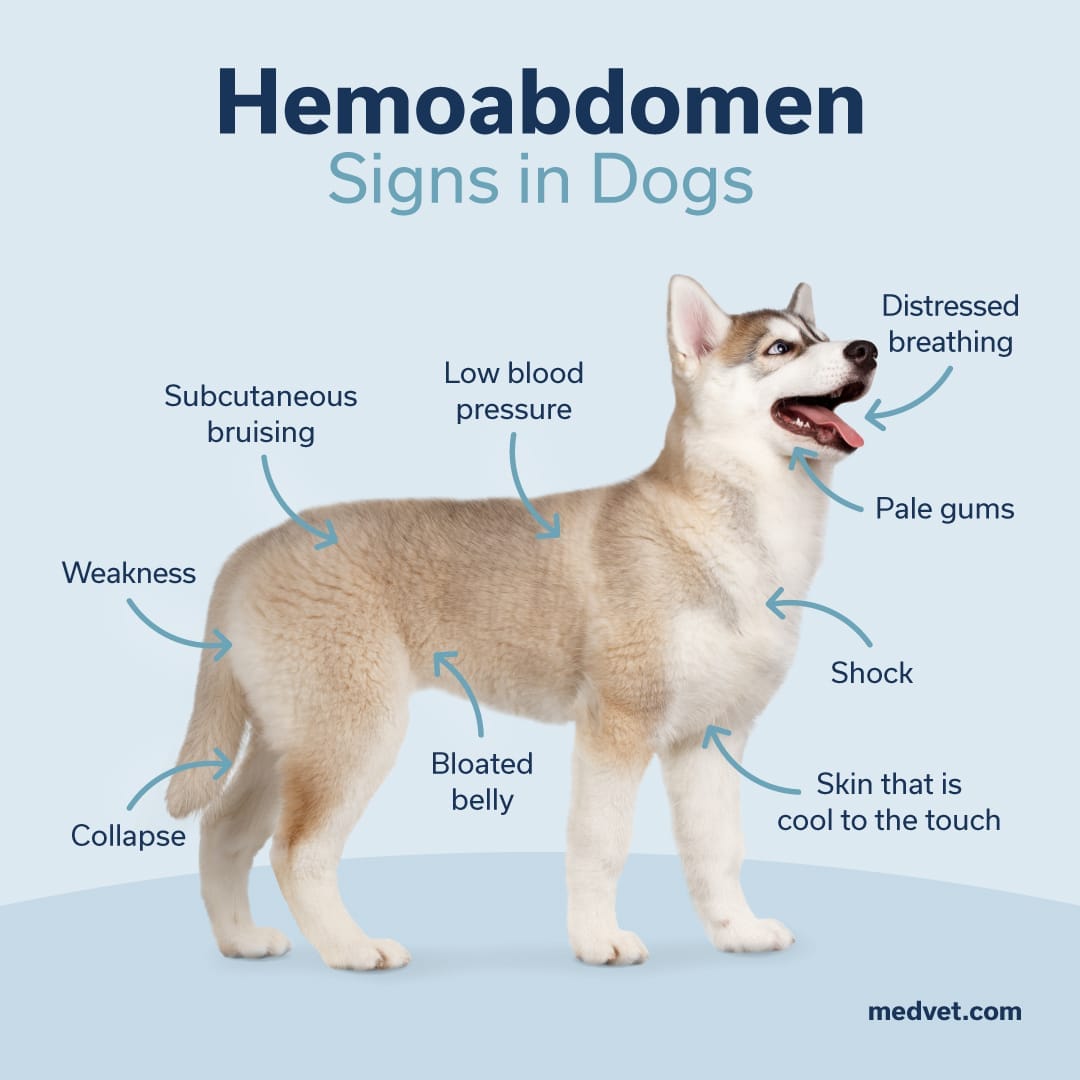
Image Source: cdn.medvet.com
Recognizing the Danger: What is Internal Bleeding in Dogs?
Internal bleeding, also called internal hemorrhage, means blood is leaking inside your dog’s body cavity—like the chest or belly. This loss of blood quickly lowers blood pressure. When blood pressure drops too low, the dog’s organs do not get enough oxygen. This is life-threatening. Knowing the canine internal hemorrhage symptoms is vital for quick action.
Early Indicators: Spotting Signs of Internal Bleeding in Dogs
Internal bleeding can be hard to see from the outside. Your dog might look fine at first. But subtle changes often signal a serious problem. Learning the signs of internal bleeding in dogs can save precious time.
Changes in Behavior and Energy Levels
A very common early sign is a change in how your dog acts. They often become very tired.
Dog Lethargy Internal Bleeding
If your dog is losing blood, they will feel weak. This weakness shows up as lethargy.
- Your dog may refuse to play.
- They might sleep much more than usual.
- They may not greet you at the door.
- Movement becomes slow or difficult.
This low energy is a direct result of blood loss affecting oxygen supply.
Breathing Difficulties
When blood leaks into the chest cavity, it crowds the lungs. This makes it hard for your dog to breathe normally.
- Breathing becomes fast and shallow.
- You might see labored breathing, where the belly moves a lot.
- Gasping or panting without any good reason, like exercise or heat.
Gum Color Changes
Checking your dog’s gums is a key way to assess blood loss. Healthy gums are pink and moist.
Dog Pale Gums Internal Bleeding
Dog pale gums internal bleeding is a major warning sign. Pale, white, or even bluish gums mean your dog is losing too much blood or going into shock.
To check: Gently lift your dog’s upper lip. Press your finger lightly onto the gum tissue. It should turn white, then quickly return to pink when you lift your finger. If the color stays white or returns very slowly, seek emergency help now.
Abdominal Changes
Blood pooling in the belly can cause the abdomen to swell or feel firm.
- The belly might look bloated or look bigger than normal.
- If you gently touch the belly, it may feel tight or hard.
- The dog may cry out in pain when the area is touched.
Digestive Tract Clues
Sometimes, blood shows up in the waste, but this can indicate bleeding lower in the system.
- Vomiting blood (bright red or like coffee grounds).
- Stools that are black, sticky, and tarry (melena). This means digested blood passed through the gut.
- Bright red blood in the stool (hematochezia).
Other Physical Signs
Look out for these other dog internal injury indicators:
- Weak pulse that is fast or hard to find.
- Cold legs or ears, as the body shunts blood to vital organs.
- Unexplained bruising or swelling on the body.
- Collapse or loss of consciousness.
Fathoming the Reasons: Causes of Internal Bleeding in Dogs
Internal bleeding doesn’t just happen for no reason. Several events or conditions can lead to causes of internal bleeding in dogs. Knowing these risks helps with prevention and early detection.
Trauma and Injury
This is one of the most common causes, especially in younger, active dogs.
Recognizing Blunt Force Trauma in Dogs Internal Bleeding
Recognizing blunt force trauma in dogs internal bleeding is crucial after accidents. Blunt force trauma means a hard blow to the body without breaking the skin.
- Car accidents (hit by a car).
- Falls from heights.
- Severe fights with other animals.
- Being kicked or struck hard.
These impacts can tear major organs like the liver or spleen, or rupture major blood vessels.
Disease and Illness
Many diseases can weaken blood vessels or make the blood unable to clot properly.
- Cancer: Tumors, especially in the spleen or liver, can rupture and bleed heavily.
- Blood Clotting Disorders: Poisons (like rat poison which stops clotting) or inherited diseases stop blood from forming clots.
- Infections: Severe infections can damage blood vessels.
- Internal Organ Disease: Conditions affecting the liver or kidneys can impair blood clotting abilities.
Foreign Objects
If a dog swallows something sharp, it can pierce the stomach or intestinal lining, causing slow, persistent bleeding.
Seeking Help: Veterinary Diagnosis Internal Bleeding Dog
If you see any of the warning signs, do not wait. Your next call should be to the vet. The veterinary diagnosis internal bleeding dog process is fast and focused on stabilization.
Initial Triage and Assessment
When you arrive at the clinic, the veterinary team acts quickly.
- Stabilization: They first focus on keeping your dog breathing and maintaining blood pressure. This might involve giving IV fluids or blood transfusions right away.
- Vitals Check: They check heart rate, respiration rate, temperature, and gum color repeatedly.
Diagnostic Tests
To find where the blood is and how much there is, vets use specific tools.
- Blood Tests (CBC): A Complete Blood Count shows how many red blood cells the dog has. A low count confirms blood loss (anemia). Clotting tests check if the blood can form clots normally.
- Abdominal Ultrasound: This uses sound waves to create live pictures of the inside of the belly. Vets look for fluid—which is the pooling blood—and check the organs for signs of injury or tumors.
- X-rays (Radiographs): These images can sometimes show signs of organ enlargement or fluid buildup in the chest or belly, especially after trauma.
- Thoracocentesis/Abdominocentesis: This involves carefully inserting a small needle into the chest or belly to pull out the suspicious fluid. If the fluid is blood, the diagnosis of internal bleeding is confirmed.
Emergency Steps: Managing Internal Bleeding in Dogs
Managing internal bleeding in dogs requires immediate medical intervention. Time is the most critical factor.
Immediate Stabilization Measures
The first goal is to keep your dog alive long enough for treatment.
| Intervention | Purpose |
|---|---|
| IV Fluids | To replace lost volume and boost blood pressure. |
| Blood Transfusion | To replace lost red blood cells and clotting factors. |
| Oxygen Therapy | To ensure the remaining blood carries enough oxygen to organs. |
| Pain Medication | To keep the dog comfortable and reduce stress, which can worsen shock. |
Surgical Intervention
Often, surgery is required to stop the bleeding source.
If the bleeding is due to severe trauma, like a ruptured spleen or liver tear, the vet needs to go into the abdomen to control the source. Surgeons will repair damaged vessels or remove a damaged organ (like a cancerous or burst spleen). The faster surgery happens after trauma, the better the outcome.
Post-Procedure Care
Even after stopping the bleed, the dog needs close monitoring in the hospital. Vets watch for signs of ongoing or recurrent bleeding, infection, and organ function. This critical care period can last several days.
Supportive Care and Recovery
After the immediate crisis passes, recovery focuses on supporting the body while it heals.
Nutritional Support
A sick dog often has a poor appetite. Your vet may suggest special, easy-to-digest food. Good nutrition helps the body rebuild lost blood and repair tissues.
Monitoring for Complications
Internal bleeding survivors need follow-up care to check for issues like:
- Anemia persisting or worsening.
- Infection at the surgical site.
- Organ damage from the initial lack of oxygen.
Your vet will schedule regular blood tests to track recovery.
Distinguishing Bleeding Sources: Chest vs. Abdomen
Internal bleeding is classified by where it occurs.
Hemothorax (Chest Bleeding)
Blood leaks into the space around the lungs. This causes breathing problems rapidly. Signs are usually fast, shallow breathing and lethargy.
Hemoperitoneum (Abdominal Bleeding)
Blood leaks into the abdominal cavity. This often causes a bloated, tense belly and signs of shock (pale gums, weakness).
Putting It All Together: A Summary of Warning Signs
If you are trying to quickly assess your dog after a fall or accident, review this checklist of canine internal hemorrhage symptoms:
- Sudden, unexplained weakness or collapse.
- Very fast, shallow breathing.
- Gums that are white, pale pink, or blue.
- A belly that looks bigger or feels hard to the touch.
- Panting heavily when resting.
- Refusal to eat or drink.
If you check one or more boxes, treat it as an emergency.
Frequently Asked Questions (FAQ)
How quickly can internal bleeding kill a dog?
Internal bleeding can be fatal very quickly, sometimes within hours, depending on where the blood is leaking from and how fast it is happening. Severe bleeding causes shock, which shuts down organ function rapidly.
Can internal bleeding stop on its own?
In rare cases of very minor vessel damage, the body’s natural clotting system might stop a small bleed. However, severe bleeding from organs or large vessels will not stop without medical intervention (like surgery or strong medications). Never rely on a small bleed to fix itself; always seek a vet’s advice.
What is the survival rate after major internal bleeding surgery?
The survival rate is highly dependent on the cause and how quickly treatment is started. If the dog reaches the emergency room quickly and stabilization is successful, the prognosis is often guarded but fair, especially for treatable causes like a ruptured spleen due to trauma. If the cause is advanced cancer, the long-term outlook is usually less positive.
Are some dogs more likely to have internal bleeding?
Yes. Older dogs with cancer are at higher risk. Dogs who are very active or play rough are more prone to injury causing trauma-related bleeding. Certain breeds may also have higher risks for inherited clotting disorders.