
If you suspect your dog has internal bleeding, you must take immediate action: Contact your veterinarian or an emergency animal hospital right away. Internal bleeding in dogs is a life-threatening emergency requiring prompt professional attention.
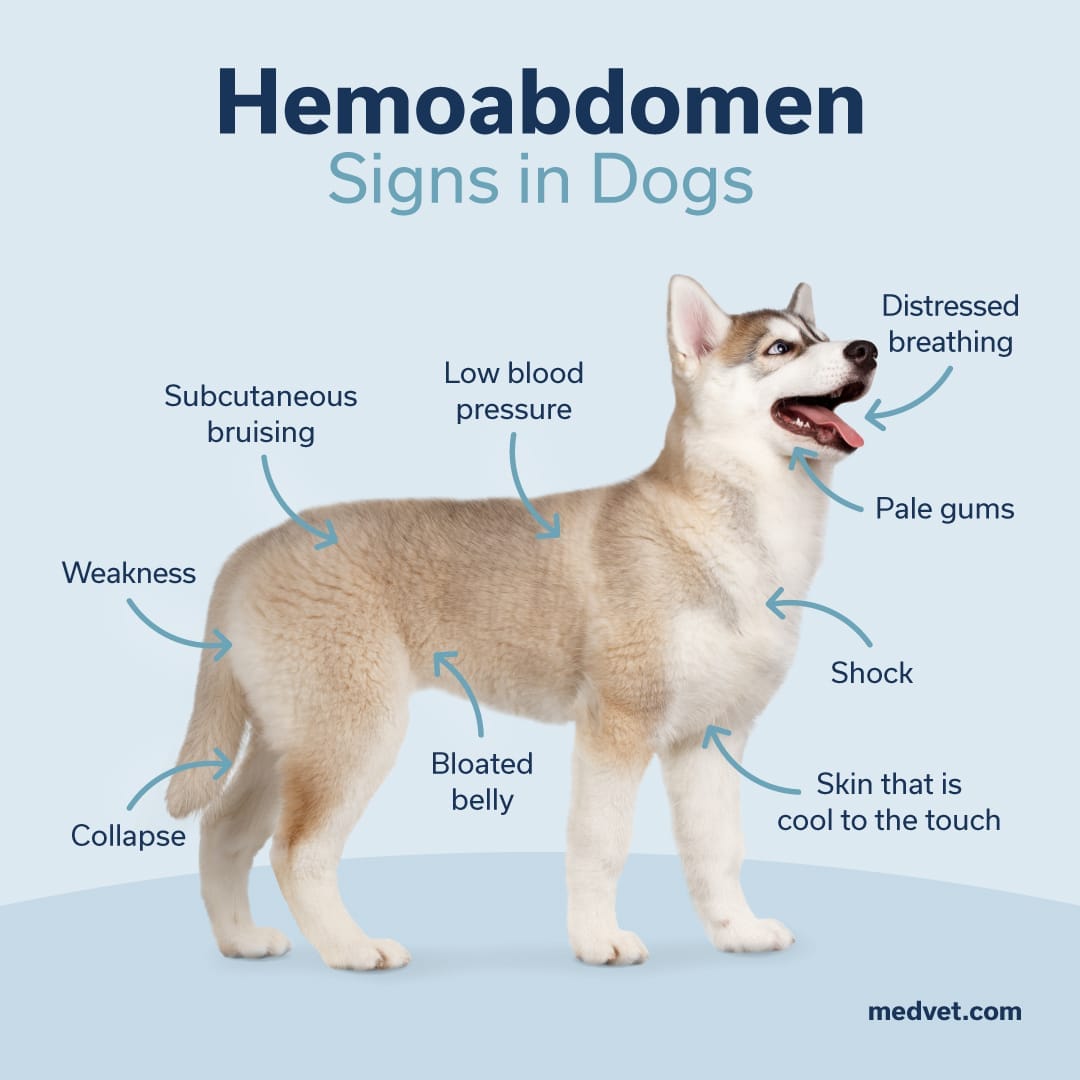
Image Source: cdn.medvet.com
Grasping the Danger of Internal Bleeding in Dogs
Internal bleeding, sometimes called hemorrhage, happens when blood leaks from blood vessels inside the body cavity. This loss of blood reduces the amount of oxygen reaching vital organs. If a lot of blood is lost quickly, the dog can go into shock and die. Recognizing the signs of canine internal hemorrhage quickly is crucial for saving your pet’s life.
Internal bleeding is often hidden. This makes spotting it hard, especially when the bleeding is slow. This hidden loss is sometimes called recognizing occult bleeding in dogs. Occult means hidden or secret.
Common Locations for Internal Bleeding
Blood can leak into several key areas within a dog’s body:
- Abdominal cavity (Peritoneal space): This is the belly area. Organs like the liver, spleen, or intestines can bleed here.
- Chest cavity (Thoracic space): Bleeding can occur around the lungs (hemothorax).
- Around the heart (Pericardial space): Blood fills the sac surrounding the heart.
Spotting the Symptoms of Dog Internal Bleeding
The signs of internal bleeding can range from very obvious to incredibly subtle. Your dog’s behavior and physical appearance will give you the biggest clues. Watch closely for any changes, even small ones.
Early and Subtle Clues
When bleeding starts slowly, your dog might seem a little “off.” These early signs of canine internal hemorrhage are easy to miss:
- Lethargy or Weakness: Your dog sleeps more than usual. They might not want to play or walk.
- Pale Gums: Gently lift your dog’s lip and look at their gums. Healthy gums are pink, like bubblegum. If the gums are pale pink, white, or grayish, this is a major warning sign of blood loss.
- Rapid Heart Rate: The heart beats faster to try and pump the remaining blood around the body quickly.
- Rapid, Shallow Breathing: The dog breathes fast, but the breaths are short. They might pant without being hot or having exercised.
- Restlessness or Agitation: The dog cannot settle down. They may pace or whine softly.
More Obvious and Severe Signs
As the bleeding continues, the symptoms of dog internal bleeding become much clearer and more alarming.
Signs of Shock in Bleeding Dogs
Shock is what happens when the body does not get enough blood flow. This is a life-threatening crisis. Look for these signs of shock in bleeding dogs:
- Weak Pulse: The heartbeat feels very weak or threadlike when you press on the inner thigh artery.
- Low Body Temperature: The ears, paws, or belly feel cold to the touch.
- Collapse or Fainting: The dog suddenly cannot stand up.
- Confusion: The dog seems disoriented or does not respond normally.
- Poor Capillary Refill Time (CRT): Press your finger firmly on the gum until it turns white. When you release it, the pink color should return in less than two seconds. A slow refill time (over 2 seconds) shows poor circulation.
Physical Changes to Note
Sometimes, you can see or feel evidence of the bleeding:
- Swollen or Distended Abdomen: The belly looks bloated, hard, or larger than normal. This often means blood is filling the abdominal cavity.
- Bruising (Ecchymosis): Dark bruises may appear on the skin, especially on the belly or inside the legs.
- Vomiting Blood (Hematemesis): This looks like fresh red blood or dark, coffee-ground-like material.
- Bloody Stools (Hematochezia or Melena): Fresh red blood coating the stool is hematochezia. Black, tarry, foul-smelling stool (melena) means blood has digested, suggesting bleeding higher up in the digestive tract.
- Blood in Urine (Hematuria): The urine looks pink, red, or brown.
Fathoming the Causes of Internal Bleeding in Dogs
Knowing what might cause internal bleeding helps owners recognize high-risk situations. The causes of internal bleeding in dogs vary widely, from sudden injury to slow-growing diseases.
Trauma and Injury
This is often the most sudden cause. Any major impact can damage internal organs:
- Hit by Car: Blunt force trauma often ruptures the spleen or liver.
- Falls from Heights: Severe impacts can cause internal tears.
- Severe Fights with Other Animals: Deep bites can damage major blood vessels.
Non-Traumatic Causes (Medical Issues)
Many serious illnesses cause blood vessels to weaken or tumors to bleed:
- Cancer (Neoplasia): Tumors in the spleen (hemangiosarcoma is common), liver, or other organs often burst and cause massive hemorrhage.
- Blood Clotting Disorders (Coagulopathies):
- Rat Poison Ingestion: Many common rodenticides block Vitamin K, which is needed for blood to clot. This leads to severe, spontaneous bleeding.
- Inherited Diseases: Some breeds are prone to diseases that prevent proper clotting.
- Immune-Mediated Thrombocytopenia (ITP): The dog’s immune system mistakenly attacks and destroys its own platelets (the cells that help stop bleeding).
- Ulcers: Severe stomach or intestinal ulcers can erode into blood vessels.
- Splenic Torsion or Rupture: The spleen twists or breaks, causing rapid internal blood loss.
Toxicity
Besides rat poison, certain drugs or toxins can make blood thin or damage vessel linings.
What to Do If Your Dog Is Bleeding Internally
If you see any signs suggesting internal bleeding, time is the enemy. What to do if your dog is bleeding internally follows one main rule: Get professional help immediately.
Immediate Steps at Home
- Stay Calm: Your panic will transfer to your dog. Stay as calm as possible to keep your dog comfortable.
- Limit Movement: Do not let your dog walk around, run, or jump. Movement increases heart rate and can worsen the bleeding. If necessary, gently carry them or slide them onto a rigid surface (like a board or thick blanket) to act as a makeshift stretcher.
- Contact the Vet: Call your regular vet or the nearest emergency clinic while you are preparing to leave. Tell them:
- What happened (if known).
- The specific symptoms you are seeing (e.g., pale gums, swollen belly).
- Your estimated time of arrival.
- Keep the Dog Warm: Cover your dog lightly with a blanket to help prevent the loss of body heat, which is common in shock.
Crucial Note: Do not try to give your dog any human medications (like aspirin) or food or water. This can interfere with necessary emergency treatments.
The Veterinary Response to Dog Internal Hemorrhage
When you arrive at the clinic, the veterinary team will move fast. The veterinary response to dog internal hemorrhage focuses on stabilizing the patient first, then finding the source of the leak.
Initial Stabilization
The primary goal is to treat shock and restore blood volume.
- Oxygen Therapy: They will provide high-flow oxygen to maximize the oxygen going to the tissues.
- Intravenous (IV) Fluids: Large-bore catheters are placed, often in both legs, to rapidly administer IV fluids to maintain blood pressure.
- Blood Transfusion: If the dog has lost a lot of blood, a transfusion of packed red blood cells or whole blood may be necessary immediately.
Procedures for Diagnosing Internal Bleeding in Pets
Once the dog is more stable, veterinarians use specific tests to locate the problem. Diagnosing internal bleeding in pets relies on imaging and lab work.
Diagnostic Tools
| Tool | What It Shows | Speed of Result |
|---|---|---|
| Physical Exam | Gum color, heart rate, abdominal distension, pain response. | Immediate |
| Packed Cell Volume (PCV) | Measures the percentage of red blood cells. A dropping PCV confirms ongoing blood loss. | Very Fast |
| Abdominocentesis (Ab Slot) | A needle draws fluid from the belly. If blood comes out, it confirms abdominal bleeding. | Immediate |
| Ultrasound | Creates live images of organs (spleen, liver, heart) to see fluid buildup and masses. | Fast |
| Radiographs (X-rays) | Can show an enlarged spleen or heart silhouette, or signs of trauma. | Fast |
If an abdominal bleed is confirmed, the vet may proceed directly to surgery based on the severity, bypassing slower diagnostic steps.
Surgical Intervention
Surgery is often required to stop severe internal bleeding.
- Exploratory Laparotomy: The surgeon opens the abdomen to find the source of the bleed.
- Spleen Removal (Splenectomy): If the spleen is bleeding (often due to a tumor or rupture), removing it is the fastest way to stop massive blood loss.
- Liver Lobe Removal: Bleeding masses on the liver require surgical removal of that section.
- Repair: In some cases, torn vessels or structures can be repaired directly.
Interpreting the Prognosis for Dogs with Internal Bleeding
The prognosis for dogs with internal bleeding depends heavily on two main factors: how quickly treatment starts, and what is causing the bleed.
Factors Affecting Recovery
- Speed of Treatment: Dogs that arrive quickly and receive blood products and fluids have a much better chance of survival.
- Cause of Bleeding:
- Bleeding due to blunt trauma that is stopped surgically often has a good prognosis if the dog survives the initial shock.
- Bleeding caused by cancers, like hemangiosarcoma, often carries a poorer long-term outlook, even if the initial surgery is successful, because the underlying disease remains.
- Severity of Shock: Dogs that were in deep shock for a long time may have organ damage that complicates recovery.
Veterinarians will discuss specific probabilities after diagnosing internal bleeding in pets and completing surgery.
Preventing Future Internal Bleeding
While accidents cannot always be prevented, owners can reduce the risk associated with some causes of internal bleeding in dogs.
Routine Care and Monitoring
- Regular Vet Checks: Annual or bi-annual exams allow the vet to catch subtle signs of underlying diseases like anemia or enlarged organs early.
- Vaccinations and Parasite Control: Ensure your dog is up-to-date on vaccines. Use veterinarian-approved flea, tick, and heartworm preventatives.
- Safe Environment: Keep rodenticides and other poisons securely locked away where your dog cannot access them.
- Leash Control: Always use a leash in unfamiliar areas or near traffic to prevent traumatic injuries.
Recognizing Occult Bleeding Signs at Home
When recognizing occult bleeding in dogs, remember that subtle fatigue or reduced appetite over several days is significant. If your dog stops enjoying walks or seems reluctant to use the stairs, schedule a check-up to rule out internal issues before they become emergencies.
Frequently Asked Questions (FAQ)
Can a dog bleed internally without any symptoms?
Yes, sometimes. If the bleeding is very slow (chronic), the dog’s body can sometimes keep up by making new red blood cells, leading to chronic, mild anemia instead of sudden shock. However, most acute internal bleeds will eventually cause noticeable symptoms of dog internal bleeding.
How long does a dog have if they are bleeding internally?
This varies wildly. If a major artery ruptures (like from trauma or a large tumor burst), a dog can die from shock within minutes to a few hours. If the leak is slow, the dog might survive for days or weeks before the blood loss becomes severe enough to cause obvious signs of shock in bleeding dogs. Immediate emergency care for dog internal bleeding provides the best chance, regardless of the speed of onset.
Will my dog vomit if they have internal bleeding?
Vomiting blood is a sign of upper gastrointestinal bleeding, which is internal but localized to the stomach or esophagus. Abdominal bleeding (like from the spleen) usually does not cause vomiting unless the volume of blood is so large it irritates the stomach lining or causes severe systemic illness.
Can internal bleeding stop on its own?
Sometimes, if the tear in the vessel or organ is very small, the body’s clotting mechanism might seal it off. However, this is rare for significant bleeds, especially those caused by trauma or tumors. Relying on nature is too risky when dealing with signs of canine internal hemorrhage. Professional medical intervention is almost always required.