
Yes, you can definitely keep a dog from jumping a fence using a mix of physical upgrades, training, and behavior change. Stopping a dog from escaping your yard requires looking at why they jump and then using smart dog fence jumping deterrents and barriers.
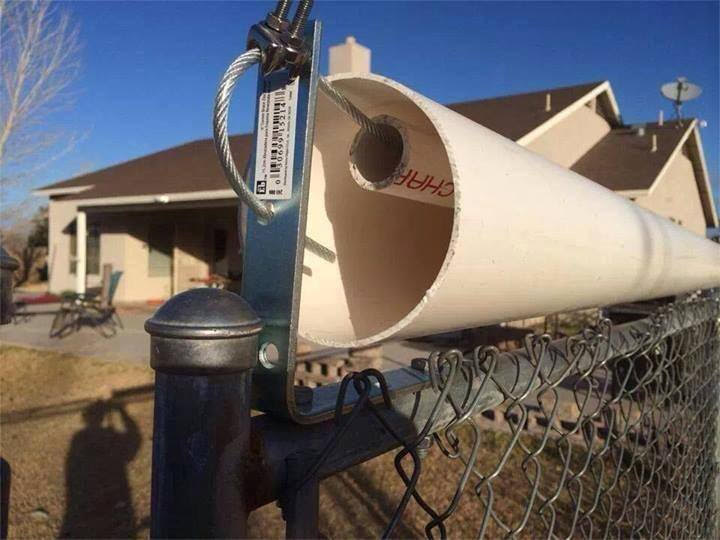
Image Source: ccspca.com
Why Dogs Try to Clear the Yard Barrier
Before fixing the problem, we must know the cause. Dogs do not jump fences just to be naughty. Their behavior usually stems from strong needs or feelings. Knowing this helps you choose the right solutions for dogs jumping fences.
Deciphering the Reasons for the Leap
Several key drivers push dogs over the edge.
- Boredom and Lack of Exercise: A bored dog has too much energy. They look for adventure outside the yard. Lack of walks or play time builds up restless energy.
- Prey Drive or Sight of Triggers: Seeing squirrels, cats, or other dogs on the other side can trigger a chase instinct. This makes the fence seem like a small obstacle.
- Separation Anxiety or Fear: Dogs with anxiety may jump to find their owners if they are left alone too long. Loud noises like thunder can also cause panic, making them flee.
- Mating Instincts: Unfixed male dogs will often jump high fences to reach a female dog in heat nearby.
- Territorial Instincts: Some dogs jump to patrol their territory or challenge dogs they see outside the boundary.
Assessing Your Current Fence Setup
The first step in prevention is checking what you already have. Is your fence tall enough? Is it sturdy? We need to determine if your current setup supports your dog’s jumping ability.
Determining the Best Dog Fence Height for Jumpers
The height needed depends on your dog’s breed, size, and athletic ability. A short fence will not work for an athletic dog.
| Dog Size/Type | Minimum Recommended Fence Height | Notes |
|---|---|---|
| Small Breeds (e.g., Terriers) | 4 feet | Often good jumpers for their size. |
| Medium Breeds (e.g., Labs, Spaniels) | 5 feet | Standard height, but athletic ones need more. |
| Large/Athletic Breeds (e.g., Border Collies, Greyhounds) | 6 feet | Essential for powerful jumpers. |
| Very Large/High-Energy Breeds | 7–8 feet | Needed for strong jumpers with high motivation. |
If your dog can clear your current fence, it is simply too low. You must move to tall fence options for diggers and jumpers.
Physical Upgrades: Building Better Barriers
Physical changes are often the fastest way to prevent dog escaping yard issues immediately. These upgrades focus on making the fence impossible or too difficult to climb or jump over.
Implementing Height Extensions
If adding a whole new fence is not possible, you can extend the existing one.
- Lattice or Wire Extensions: Attaching sturdy wire mesh or wood lattice on top of the existing fence adds necessary height. Ensure the extension is angled inward slightly to discourage climbing.
- Roller Bar Systems: These are specialized systems installed at the top of the fence. They feature rotating pipes or bars. When a dog tries to grab the top edge to pull over, the roller spins, making it impossible to get a grip. These are excellent dog fence jumping deterrents.
Utilizing Inward-Angled Toppers
Dogs use their front paws to grip the top rail when jumping. If the top section slopes inward, they cannot secure that final grip.
- The L-Footer Extension: This involves adding a section of fence, usually 1 to 2 feet tall, that angles inward (towards the yard) at about a 45-degree angle. This requires the dog to jump up and then navigate an overhang. This makes the jump seem much harder than it is worth. This is a key component of effective dog proofing backyard fences.
Addressing Climbing Aids
Sometimes the dog isn’t jumping from a standstill; they are climbing using existing structures.
- Remove Jump-Off Points: Check for nearby objects like trash cans, wood piles, sheds, or deck railings that your dog can use as a launchpad. Move these items far away from the fence line.
- Smooth Surfaces: If possible, use materials on the top half of the fence that are hard to grip, such as smooth vinyl or solid metal panels, instead of chain link where paws can hook on.
Keeping Dogs in the Yard with Digging Prevention
Jumping is one issue; digging under the fence is another common escape route, especially for dogs motivated to get out. Good keep dog in yard solutions often address both behaviors.
Burying Mesh or Concrete Footers
To stop digging, you must create a barrier below the surface.
- L-Shaped Footer: Bury heavy-gauge wire mesh (like hardware cloth) vertically along the fence line for about 12 inches deep. Then, bend the bottom 6 inches of the mesh outward, away from the fence, creating an “L” shape on the ground. Cover this with dirt or sod. If the dog digs near the fence, they hit the wire barrier extending into their path.
- Concrete Barriers: Pouring a shallow concrete footer directly against the fence base provides the ultimate defense against digging. This works well for permanent installations.
Choosing Tall Fence Options for Diggers and Jumpers
When building a new fence or replacing an old one, select designs that combat both issues simultaneously. Solid privacy fences (wood or vinyl) are better than chain link because they reduce visual triggers (curb the visual temptation) and make it harder for the dog to get a footing to climb.
Training Solutions: Teaching the Dog to Stay Put
Physical barriers stop the immediate attempt, but training changes the dog’s mind about jumping. This is essential for long-term success. Training dog not to jump fence requires patience and consistency.
Positive Reinforcement for Staying Near the Fence
We want the dog to associate staying away from the fence with good things.
- Reward Calm Behavior: When you are outside with your dog, if they are calmly lying down or playing far from the fence, reward them heavily with praise or high-value treats.
- Interrupt and Redirect: If you see your dog approaching the fence with excited behavior (e.g., staring intently, pacing), use a calm verbal cue (“Easy” or “Place”). Immediately lead them to a designated relaxation spot (a mat or bed) inside the yard and reward them for settling there.
Addressing the Triggers
If your dog jumps because they see triggers (like neighbors walking their dogs), you must manage those triggers while training.
- Visual Blockers: Use privacy slats in chain link or plant dense shrubs along the perimeter to block the view of common triggers. Reduced sight equals reduced impulse to jump.
- Desensitization: When the trigger is visible but far away, reward your dog for noticing the trigger and remaining calm. Slowly decrease the distance over many sessions, always rewarding calmness. If they get too excited, you moved too fast.
Teaching an Emergency Recall
A reliable recall (coming when called) is a crucial backup plan. Practice this inside first, then in the yard, ensuring you use the best recall command possible. Make recall the best thing that happens all day!
Behavior Modification Techniques
Why dogs jump fences behavior modification is critical for highly motivated escape artists. This goes deeper than simple obedience; it addresses the underlying drive.
Managing Boredom and Energy Levels
A tired dog is less likely to plan an escape. Increase physical and mental stimulation daily.
- Increase Physical Exercise: Ensure your dog gets at least two good walks a day. High-energy dogs might need more running time, like fetch sessions or secure dog park visits (if safe).
- Mental Work: Mental exercise tires dogs out faster than physical exercise. Use puzzle toys, snuffle mats, or short training sessions to make them think. This taps into their need for engagement.
Addressing Separation Anxiety Related Escapes
If jumping only happens when you leave, the issue is anxiety, not just perimeter testing.
- Counter-Conditioning: Before leaving, give your dog a high-value, long-lasting chew toy (like a frozen Kong). This teaches them that your departure means a great reward, shifting their focus from your absence to enjoying their treat.
- Gradual Departures: Practice leaving for very short periods (seconds), returning before the dog gets anxious, and rewarding calm behavior. Slowly increase the time away.
Choosing the Right Physical Barriers for Dog Fence Jumpers
When selecting deterrents, look for products designed to interrupt the jump mechanics or remove footing.
Specialized Deterrent Products
Some commercial options exist specifically as physical barriers for dog fence jumpers.
- Roller Bars: As mentioned, these are highly effective top-of-fence solutions that prevent gripping. They require installation skills but offer excellent security against jumpers.
- Fence Slopes: These attachments angle inward at the top edge of the fence, making the final reach impossible without special equipment.
- Anti-Climb Mesh: For chain link fences, installing a smoother, tighter mesh on the lower half can prevent dogs from using the links as climbing footholds.
The Importance of Consistent Yard Management
No matter how tall the fence is, your management style affects success.
- Supervised Yard Time: Especially when introducing new fence modifications or when your dog is highly stimulated, supervise them outdoors. Be ready to use your training cues.
- Routine Checks: Regularly walk your fence line. Look for wear and tear, loose boards, or new digging spots. Proactive maintenance stops small problems from becoming big escapes.
Comparing Solutions: When to Choose Height vs. Training
Effective prevention often uses both approaches. Here is a comparison to help decide where to focus your energy first.
| Solution Type | Pros | Cons | Best For |
|---|---|---|---|
| Increased Fence Height | Immediate, highly effective barrier. | Expensive, may affect neighborhood aesthetics. | High-drive jumpers; immediate need to prevent dog escaping yard. |
| Inward Angling/Rollers | Directly defeats the jumping mechanics. | Requires installation, can look complex. | Athletic dogs; when high motivation makes training slow. |
| Behavior Modification/Training | Addresses the root cause; long-term solution. | Takes time, requires absolute owner consistency. | Dogs escaping due to boredom or anxiety. |
| Digging Barriers | Stops ground-level escapes completely. | Labor intensive to install initially. | Dogs with strong earth-moving instincts. |
For the most secure outcome, use strong physical barriers for dog fence jumpers while simultaneously working on behavior modification.
FAQ Section
What is the most effective dog fence jumping deterrent?
The most effective deterrent is usually a combination of sufficient height (at least 6 feet for medium to large dogs) paired with an inward-angled extension (like a roller bar or slope) at the top. This removes the physical possibility of clearing the barrier while also discouraging attempts.
Can I train my dog not to jump the fence if they are very athletic?
Yes, but training alone might not be enough if the motivation is high (like mating drive or severe prey drive). For athletic dogs, you must first use physical barriers for dog fence jumpers to stop the behavior immediately. Then, use training to reduce the desire to jump.
How tall should a fence be to keep large, active dogs in the yard?
For large, active breeds known for jumping (like Huskies or Belgian Malinois), a fence should ideally be 6 to 8 feet tall. This addresses the need for tall fence options for diggers and jumpers.
What if my dog digs under the fence instead of jumping over?
If digging is the issue, focus on underground barriers. Install L-shaped wire mesh along the inside perimeter or pour a concrete footer. This is a crucial part of dog proofing backyard fences against ground-level escapes.
Is making the yard less interesting a good way to keep my dog in the yard?
Yes, reducing boredom is key to keep dog in yard solutions. If the yard is boring, the dog seeks excitement outside. Providing ample toys, chew items, and regular interactive play reduces the motivation to escape out of restlessness.
How do I stop my dog from jumping because they see other dogs?
This relates to why dogs jump fences behavior modification linked to territoriality or excitement. Block the visual access using privacy screening on the fence where the triggers are most visible. Then, practice desensitization training, rewarding calm behavior whenever they see the trigger from a safe distance.