
Can I make my dog like water? Yes, you absolutely can help your dog like water by using patience, positive steps, and making the experience fun. Many dogs naturally fear water, but with the right approach, most can learn to enjoy it, whether it’s a pond, a lake, or just splashing in a kiddie pool. This guide will walk you through five essential tips to change your dog’s mind about H2O.
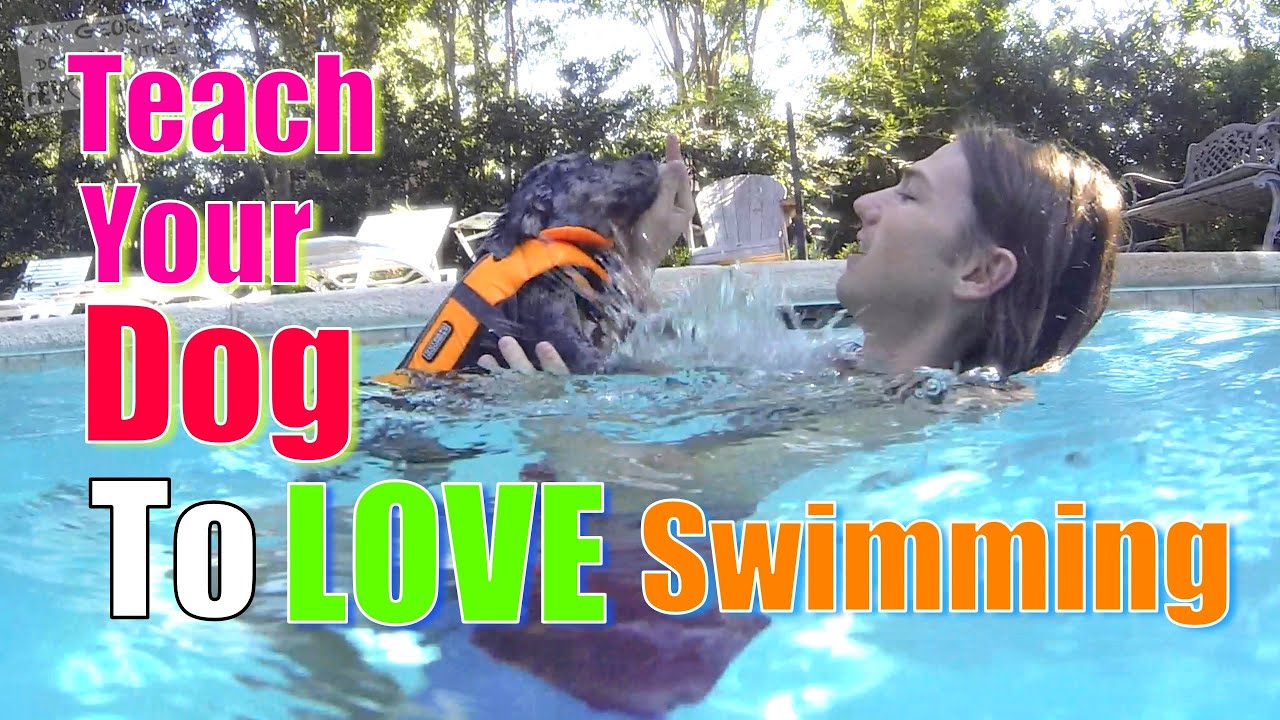
Image Source: i.ytimg.com
Why Dogs Fear Water: Initial Considerations
Not all dogs are born natural swimmers. Some breeds, like retrievers, often take to water easily. Others, perhaps due to bad early experiences or just breed traits, develop a strong dog water aversion solutions. It is crucial to know why your dog is scared before starting. Fear often comes from a surprise dip, a strong current, or simply not knowing what water is.
We want to build trust. Forcing a dog into the water almost always makes the fear worse. We need to focus on gradual water introduction for puppies or older dogs who are scared. Think slow, easy steps.
Common Causes of Water Hesitation
- Lack of Early Exposure: If they never saw water as a puppy, it can seem strange later.
- Slippery Surfaces: Concrete pool decks can feel unsafe for their paws.
- Cold or Fast Water: Sudden temperature changes or strong currents are scary for anyone.
- Bad Past Experience: Falling in by accident is a common cause of lasting fear.
Tip 1: Start Small and Keep It Positive
The biggest mistake owners make is rushing the process. For a dog that fears water, the first step is not swimming—it’s being near the water without stress. This builds the foundation for successful positive reinforcement water training.
Creating Safe Water Zones
We need to make the initial contact feel safe and rewarding. Forget the ocean or a deep lake for now.
The Magic of the Kiddie Pool
A small, hard plastic kiddie pool is your best friend.
- Placement: Put the pool on dry grass or a non-slip surface.
- Water Level: Start with just an inch or two of water. The goal is for the dog to walk in and feel the wetness on their paws, not to swim.
- Lure, Don’t Force: Toss high-value, smelly treats (like tiny bits of hot dog or cheese) just inside the edge of the water.
- Praise: When the dog steps one paw in to get the treat, offer huge praise and a happy voice. Keep the session short, maybe two minutes.
Using the Best Dog Water Toys
Make the water irresistible. Use toys that float well and are brightly colored. A favorite tennis ball or a floating rubber toy can be a great motivator. Toss the toy just past the edge of the shallow water. If the dog is willing to step in just to retrieve it, that’s a massive win.
Table 1: Gradual Introduction Progression
| Stage | Location/Activity | Goal | Reward Focus |
|---|---|---|---|
| Phase 1 | Dry pool near the dog. | Dog approaches the empty pool. | Calm presence, gentle petting. |
| Phase 2 | 1-2 inches of water. | Dog touches water with a paw. | High-value treats, excited voice. |
| Phase 3 | Deeper water (just covering legs). | Dog walks fully into the pool. | Playtime with best dog water toys. |
| Phase 4 | Gently ramped edge (pool/beach). | Dog paddles a few strokes. | Immediate praise and exit onto dry land. |
Tip 2: Master the Entry and Exit Points
A dog’s comfort level plummets if they feel trapped or can’t easily get out. This is critical for dog pool safety. If your water source is a swimming pool, you must ensure there is a non-slip ramp or easy-to-climb stairs.
The Importance of Ramps
Many fearful dogs panic if they swim out to the middle and realize they cannot easily climb the vertical wall to get out.
- Pool Ramps: Invest in a floating or anchored pool ramp specifically designed for pets. This gives the dog a familiar, shallow slope to walk up, just like walking onto a beach.
- Natural Slopes: If using a natural body of water, only introduce the dog where the bank slopes gently down to the water. Avoid steep drop-offs.
When practicing, always practice exiting before practicing entering deeply. Let them go in a few steps, then immediately praise and guide them back out the way they came. This teaches them: “I can get out whenever I want.”
This step is vital when introducing dog to water because it builds self-efficacy—the belief that they can control the situation.
Leash Control vs. Freedom
For the initial steps, a light, long lead (like a 20-foot training line) can provide security for both you and the dog. Keep the leash loose. Never use the leash to pull the dog into the water. The leash is just a safety backup if they bolt in fear. Let them lead the way toward the water, using the leash only to keep them near you.
Tip 3: Focus on Swimming Mechanics (If Necessary)
If your dog is comfortable wading but freezes when their feet leave the bottom, they might just need to learn how to swim. Some dogs paddle awkwardly, wasting energy, which causes them to tire and panic. While many dogs swim instinctively, others need coaching. This is where dog swimming lessons can be highly beneficial, especially for smaller or less athletic breeds.
The Two-Handed Support Method
If you decide to gently support your dog yourself (avoid this if your dog is very large or aggressive):
- Support Points: Place one hand gently under their chest and the other hand supporting their rear end, near the hips.
- Keep Level: Keep the dog as level as possible in the water—don’t let their head drop low or push their rear end up too high.
- Short Distance: Start by just supporting them as they tread water for a few seconds, then let them touch the bottom.
- Transition: Once they paddle confidently with your support, slowly reduce the pressure under the rear end until they are propelling themselves.
Remember, if you feel your dog tensing up or swallowing water, stop immediately and return to Tip 1. For an encouraging fearful dog to swim, short, successful bursts are better than one long, scary attempt.
Swimming Aids
For dogs learning to swim or those with mobility issues, a properly fitted dog life vest is essential.
- Buoyancy: Vests provide extra flotation, making swimming less tiring.
- Handle: Most good vests have a sturdy handle on the back. This handle allows you to gently guide or lift the dog without grabbing their body awkwardly, offering secure dog comfort in water techniques.
Tip 4: Integrate Water into Playtime, Not Just Bath Time
If water is only associated with being scrubbed clean, your dog will likely hate it. We must separate the concept of “wet” from the concept of “unpleasant chores.” This helps immensely with making bath time fun for dogs in the future, too, as the concept of water becomes less threatening overall.
Water Games on Dry Land
Before moving near a pool, play water-related games while completely dry.
- Spray a light mist from a hose (on a gentle setting) and reward your dog for staying calm.
- Use a splash pad toy that releases gentle sprays of water randomly across the grass.
Making Pool Time Fun
If you have access to a safe pool, use it for joyful activities that don’t require deep immersion.
- Floating Games: Use the best dog water toys that float. Toss them just beyond the edge where your dog can easily wade to get them.
- Tug of War: Play a quick game of tug with a waterproof rope toy while standing on the shallow steps of the pool.
- Supervision is Key: Always supervise. Even if your dog seems fine, brief exposure to water that involves fun ensures they associate water with happiness, not just stress.
If you are seeing success, consider formal dog swimming lessons. A professional trainer can often spot small mechanical issues in a dog’s swimming that owners might miss.
Tip 5: Be Patient and Consistent
This is the most important, yet most often overlooked, tip. Developing comfort with water takes time, especially for adult dogs with established fears. You might spend several weeks just getting your dog to walk to the edge of a shallow puddle. That is progress!
Consistency Over Intensity
Short, frequent sessions are far more effective than one long, stressful session once a month.
- Aim for 5-10 minutes of positive water exposure three times a week.
- Always end on a positive note. If the dog tries something new, even if it’s just sniffing the water, end the session with a jackpot of praise and a favorite snack.
If you push too hard, you risk setting your progress back weeks. If you notice signs of high anxiety (panting when dry, hiding when the pool cover comes off, excessive licking), immediately retreat to the last step where the dog was comfortable and stay there longer.
Recognizing Success
What counts as success? It is not Olympic-level swimming. Success might be:
- Willingly walking into the shower stream.
- Playing near the edge of the lake without backing away.
- Getting their face wet without shaking their head frantically.
Every small step forward counts toward overcoming dog water aversion solutions.
Special Focus: Managing Bath Time Anxiety
Sometimes, a dog’s dislike of baths directly feeds into their dislike of general water exposure. If you are trying to combat fear of swimming, you must also address bathing fear.
Making Bath Time Fun for Dogs: A Quick Guide
Use the principles of positive reinforcement water training during grooming.
- Dry Prep: Play with toys near the dry tub. Put high-value treats on the rim.
- Slight Wetness: Start by just wetting their paws with a damp cloth, rewarding heavily.
- Low Water Level: Use only a few inches of very warm water in the tub. Never use cold water.
- Non-Slip Mat: Always use a rubber mat in the tub. Slipping is terrifying for dogs.
- Lick Mats: Smear peanut butter or plain yogurt on a silicone lick mat and stick it to the wall near the faucet. This keeps them happily engaged while you wash them.
- Gentle Rinsing: Use a handheld sprayer on the lowest pressure setting. A showerhead that mimics a gentle rain is better than a harsh jet stream.
If you can make bath time a pleasant, treat-filled routine, it reinforces the idea that controlled water contact is safe and rewarding.
Safety First: Essential Dog Pool Safety Checklist
Before any water activity, safety must be the top priority. This is especially true when encouraging fearful dog to swim, as a panic situation can quickly turn dangerous.
Key Safety Measures
- Life Vests: Use a vest for young puppies or dogs not yet confident swimmers.
- Constant Supervision: Never leave a dog unsupervised near water, regardless of their perceived swimming skill.
- Fencing: If you have a pool, ensure it has a secure fence that latches automatically. A fearful dog might try to bolt past you when scared.
- Know the Exit: Always ensure the dog knows where the ramp or stairs are located. This knowledge contributes greatly to dog comfort in water techniques.
- Chlorine Check: Rinse your dog thoroughly after swimming in treated pools. Chlorine can dry out their skin and irritate their eyes.
FAQ Section
Q: How long does it take for a dog to like water?
A: This varies greatly. For a puppy undergoing gradual water introduction for puppies, it might take a few weeks of positive exposure to feel comfortable wading. For an adult dog with severe dog water aversion solutions, it could take several months of slow, patient work. Focus on consistency rather than speed.
Q: Should I ever throw my dog into the water to teach them to swim?
A: No. Never throw or push your dog into the water, especially if they are fearful. Forcing the issue causes panic, which can create lifelong trauma and make future training impossible. Always rely on positive reinforcement water training.
Q: My dog swims fine in the lake but refuses my pool. Why?
A: This is common. The pool is often associated with strict rules, slippery edges, and chemicals. Use the techniques for making bath time fun for dogs—use the pool ramp, make sure the pool deck is non-slip, and only use best dog water toys near the entry points initially.
Q: Are there specific breeds that absolutely need dog swimming lessons?
A: While many bully breeds or brachycephalic (flat-faced) dogs like Pugs or Bulldogs have lower natural buoyancy and tire faster, any dog can benefit from coaching. Breeds like Greyhounds or Dachshunds often have body shapes that make natural swimming tricky, so lessons are highly recommended for them.