
Yes, you can definitely get rid of dog poop smell. The key is quick cleanup and using the right cleaning agents to break down the odor-causing bacteria.
Dog waste creates strong smells. This smell can cling to your yard, patios, and even indoors. Dealing with this odor is a common chore for dog owners. Strong smells come from bacteria breaking down the waste. To truly fix the problem, you need methods that kill these odor sources, not just cover them up. We will look at many good ways to tackle this smell issue. These tips cover your whole home and yard.
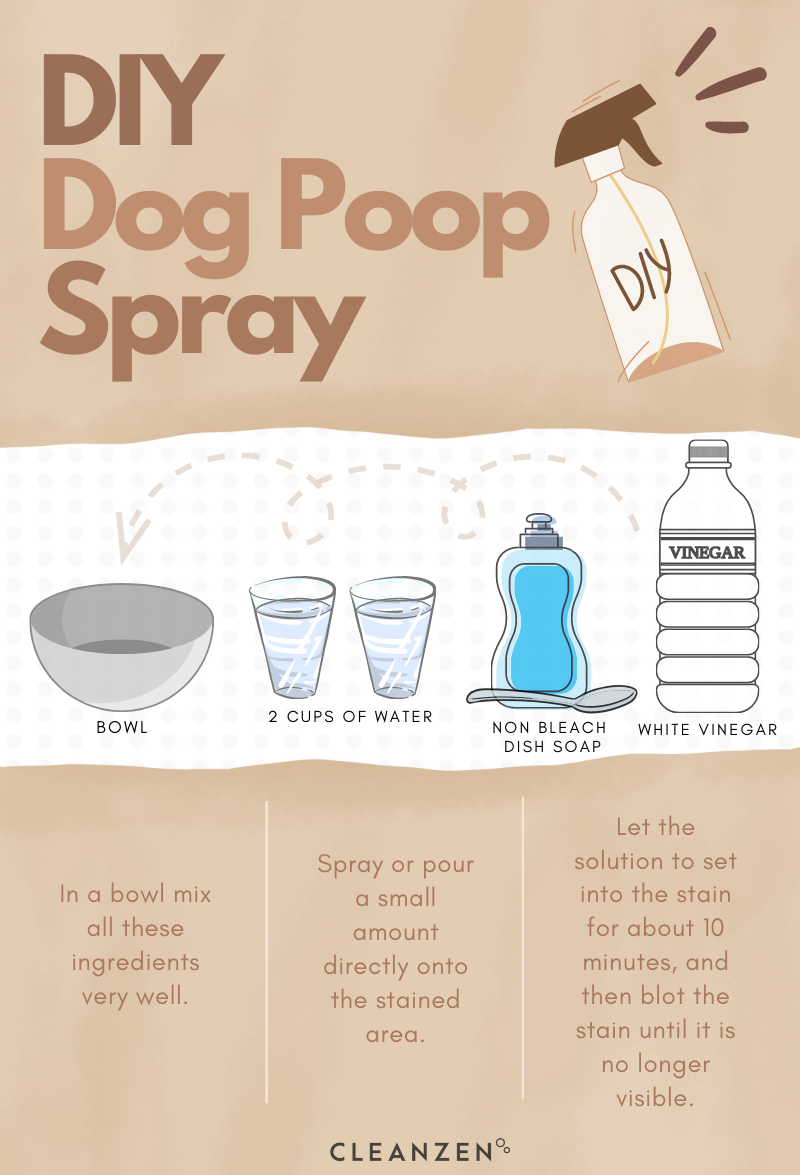
Image Source: cleanzen.com
Why Dog Poop Smell Lingers
Dog feces has a complex mix of compounds. These compounds are what cause that very strong, unpleasant smell. When waste sits, bacteria multiply fast. These bacteria eat the waste. They release smelly gases as a byproduct.
Factors that make the smell worse:
- Heat and Humidity: Warm, damp weather speeds up bacterial growth. This means smells get stronger quickly.
- Porous Surfaces: Concrete, wood decks, and turf soak up liquids from the poop. These liquids hold the smell deep inside.
- Not Picking Up Fast Enough: Leaving waste even for a day allows significant bacterial action.
This is why effective dog poop odor removal needs action and the right tools.
Quick Cleanup: The First Line of Defense
The fastest way to stop the smell is to remove the source immediately. Do not let it sit.
Daily Poop Patrol
Make picking up waste a non-negotiable daily task.
- Schedule Time: Pick a time morning and evening to check the yard.
- Use Good Bags: Use thick, opaque bags. This keeps the smell contained when you carry it out.
- Proper Disposal: Do not just toss full bags in an outdoor trash can near your door. Seal them well and take them to your main outdoor bin immediately.
Tools for Fast Removal
Having the right gear makes this job less unpleasant and faster.
| Tool | Purpose | Benefit |
|---|---|---|
| Pooper Scooper | Picking up large amounts. | Keeps hands far from waste. |
| Long-Handled Rake | Clearing large yards or snow. | Reduces bending and contact. |
| Scented Bags | Extra layer of smell control. | Helps eliminate dog waste smell during transport. |
Tackling Odors in the Yard
Your lawn and patio are the most common places for odors to build up. You need to deodorize yard from dog poop effectively.
Rinsing After Pickup
After scooping the solid waste, there is often a residue left behind. This residue is wet and smelly.
- Hose Down: Use a strong spray from your garden hose. Aim it right where the poop was.
- Flush Away: Try to wash the residue into the soil or down a drain, not onto paved areas where it can dry and stink.
Using Enzyme Cleaners for Lawn Care
Regular soap or bleach does not work well on grass or soil. Bacteria thrive there. Enzymes are the key to dog poop odor removal in the yard.
Enzymatic cleaners contain special, safe bacteria. These good bacteria eat the bad, smelly bacteria and the organic matter they feed on.
How to Apply Enzyme Cleaners:
- Spot Treat: Spray the exact spots where waste was left.
- Soak: The soil needs to soak up the cleaner. Water it well after application.
- Time: Let the enzymes work. They work best when the area is damp but not flooding. This helps neutralize dog feces odor deep in the soil.
- Repeat: For bad, old smells, you might need to apply the treatment several times a week.
Dealing with Artificial Turf
Artificial turf traps moisture and waste easily. It can become a major source of smell.
- Rinse Thoroughly: Flush the turf section with a hose.
- Apply Enzyme Spray: Use a commercial enzyme cleaner meant for pet waste. Saturate the entire area.
- Let Sit: Allow the cleaner to sit for at least 30 minutes before rinsing again.
- Vinegar Rinse (Optional): A mild solution of white vinegar and water (1 part vinegar to 3 parts water) can help kill surface bacteria before using enzymes. Vinegar helps treat dog urine and feces odor too.
Simple Natural Dog Poop Odor Control
Sometimes, you want to avoid strong chemicals. Nature offers some good options for natural dog poop odor control.
- Baking Soda: After cleaning a spot, sprinkle dry baking soda over the area. Let it sit for a few hours. Baking soda naturally absorbs smells. Then, lightly water the area to wash it away.
- Lime (Caution!): Agricultural lime can help balance soil pH, which discourages some bacteria. Be careful: Too much lime can harm grass. Use this sparingly and correctly.
Eliminating Backyard Dog Waste Smell on Hard Surfaces
Patios, concrete slabs, and decks hold onto smells differently than soil does. Hard surfaces need strong scrubbing and deodorizing. This is crucial to eliminate backyard dog waste smell.
Soap and Water Scrubbing
Start with basic physical removal.
- Scrape: Use a plastic scraper or putty knife to remove any dried or stuck bits.
- Hot Water Wash: Use the hottest water you safely can. Mix in a strong dish soap or a dedicated outdoor cleaner. Scrub the area well with a stiff brush.
- Rinse: Rinse completely.
Hydrogen Peroxide Solution
Hydrogen peroxide is excellent for breaking down organic matter on hard surfaces.
- Mix 1 part 3% hydrogen peroxide with 4 parts water.
- Pour or spray this mixture over the affected area.
- Let it bubble and sit for 10 to 15 minutes. You will see it work.
- Rinse well with clean water. This is one of the most effective dog waste odor solutions.
Vinegar Power
White vinegar is a mild acid that cuts through odors. It works well on concrete.
- Use a 50/50 mix of white vinegar and water.
- Spray liberally onto the smelly spot.
- Let it sit for 20 minutes before rinsing. The vinegar smell fades as it dries.
Important Note: Never mix bleach and vinegar. This creates toxic chlorine gas.
Indoor Odor Control: When Smell Gets Inside
Sometimes, tracking waste inside, or dealing with accidents, brings the smell indoors. This requires specialized attention to remove lingering dog poop smell from flooring and carpets.
Carpet and Rug Cleaning
Dog poop accidents on carpets need immediate, deep cleaning.
- Remove Solids: Scoop up all solid matter gently.
- Blot Liquids: Press down firmly with old towels or paper towels to soak up all moisture. Do not rub, as this pushes the smell deeper.
- Enzyme Cleaner Application: Use a high-quality enzymatic pet stain remover made for carpets. These are designed to eliminate dog feces odor by destroying the source.
- Saturate: Pour enough cleaner onto the spot so it reaches the padding beneath the carpet. The smell source might be deep down.
- Dwell Time: Let the cleaner sit for the time recommended on the bottle—often several hours or even overnight under a damp towel.
- Rinse and Extract: Blot up the remaining liquid or use a carpet extractor machine to pull the cleaner and odor out.
Hard Floors and Grout
Grout lines in tile floors are notorious for trapping odors.
- Floor Cleaning: For tile and sealed wood floors, use the vinegar or peroxide solution mentioned above mixed with warm water for mopping.
- Grout Treatment: For bad grout smells, create a paste of baking soda and a small amount of hydrogen peroxide. Gently scrub this paste into the grout lines with a small brush. Let it sit for 15 minutes, then wipe clean. This is a great way to neutralize dog feces odor trapped in porous grout.
Air Purification
Once surfaces are clean, you still need to clean the air.
- Air Filters: Change your HVAC air filters often. Odors get trapped in them.
- Activated Charcoal: Place bowls of activated charcoal briquettes (the kind without lighter fluid) around areas where the smell is strongest. Charcoal is highly porous and pulls smells from the air.
- Ozone Generators (Use with Caution): For severe, old smells, ozone generators can be very effective. Never run an ozone generator when pets or people are in the area. Follow all safety instructions carefully.
Choosing the Best Dog Poop Smell Eliminator
What works best for you depends on where the smell is. There isn’t one single product that fixes everything everywhere.
Enzyme Cleaners: The Top Choice
Enzyme cleaners are consistently ranked as the best dog poop smell eliminator for organic messes. They work by biological action.
What to Look For:
- Concentration: Look for formulas that are concentrated for better strength.
- Bio-active Cultures: Ensure the label mentions active bacterial or enzymatic cultures.
- Versatility: A good one will work on grass, concrete, and carpets.
Odor Neutralizers vs. Maskers
It is vital to know the difference between these two types of products:
| Type | How It Works | Effectiveness | Example |
|---|---|---|---|
| Odor Neutralizer | Breaks down the odor molecule structure. | High. Solves the root cause. | Enzymatic cleaners, activated charcoal. |
| Odor Masker | Overpowers the bad smell with a stronger, pleasant scent. | Low long-term. The smell returns when the perfume fades. | Many aerosol sprays. |
For true dog poop odor removal, always choose a neutralizer.
Long-Term Strategies for Prevention
The best way to fight the smell is to prevent it from becoming a huge problem in the first place. This involves diet and smart yard maintenance.
Diet and Digestion
What your dog eats heavily influences what comes out. Poor digestion leads to smellier waste.
- High-Quality Food: Food that your dog digests well produces less smelly waste. Look for foods with high digestibility ratings.
- Probiotics: Adding probiotics to your dog’s diet can improve gut health. Healthier guts mean less odor-causing breakdown in the colon. This is a key part of natural dog poop odor control from the inside out.
Yard Maintenance: Keeping It Fresh
A well-kept yard resists odor buildup better than an untended one.
- Aeration: If you have grass, aerate your lawn regularly. This helps the soil breathe and allows waste liquids to drain better instead of sitting on the surface.
- Decomposers: Adding compost boosters or certain soil amendments can speed up the natural breakdown of waste in the soil, turning it into harmless matter faster. These are effective dog waste odor solutions for the long term.
- Regular Waste Removal Systems: Consider investing in a dedicated, sealed pet waste burial system if you cannot bag and remove waste daily. These systems use specific chemicals or natural decomposition accelerators in a sealed container underground.
Preventing Urine Odor Synergy
Dog urine and feces often smell together, making the problem worse. Urine contains ammonia, which is very smelly. To truly treat dog urine and feces odor, you need products that target ammonia breakdown. Enzyme cleaners are excellent for this because they attack the uric acid crystals in urine.
Selecting Waste Containers Wisely
The final destination of the poop matters for neighborhood odors.
- Sealed Bins: Use trash cans with tight-fitting, locking lids specifically for pet waste.
- Lining: Line these bins with scented or baking-soda-infused trash bags.
- Location: Keep the pet waste bin as far from windows and doors as possible.
Advanced Methods for Stubborn Odors
What if you’ve tried everything and the smell persists? You might need heavy-duty intervention, especially if the waste has been soaking into wood or decking for a long time. This addresses the toughest aspects of how to eliminate backyard dog waste smell.
Pressure Washing with Detergent
For concrete patios or durable decks, a pressure washer is powerful.
- Pre-treat: Spray the entire area with a strong enzyme cleaner or a solution of heavy-duty pet odor remover. Let it soak for 20 minutes.
- Pressure Wash: Use a medium-pressure nozzle (do not use the highest setting on wood or delicate surfaces). Blast the surface to remove residues trapped in cracks.
- Post-Rinse: Follow up with a final rinse using a vinegar solution to ensure all soap residue is gone.
Sealing Porous Surfaces
If concrete or pavers smell bad no matter what you do, the odor is deep inside the pores.
- Clean First: Make sure the surface is completely clean and dry.
- Apply Sealer: Use a concrete or masonry sealer designed to block moisture penetration. By sealing the surface, you trap any residual odor below the surface layer, preventing it from escaping into the air.
Soil Remediation
If the soil itself is saturated with years of waste, simple spraying might not be enough.
- Aeration and Replacement: In small, highly affected areas (like a favorite potty spot), you may need to dig out the top few inches of soil. Replace it with fresh topsoil and compost.
- Microbial Boosters: Introduce specific soil microbial boosters (available at garden supply stores) designed to break down pet waste components quickly. This aggressive approach is necessary when you need to treat dog urine and feces odor contamination in the earth itself.
Maintaining Freshness: Routine and Review
Keeping your home and yard smelling fresh is not a one-time fix. It is about routine maintenance and checking your methods.
Weekly Deep Clean Checklist
Set aside 30 minutes weekly just for odor control tasks, even if you clean daily.
- Check all outdoor bins for buildup.
- Spray high-traffic potty areas in the yard with an enzyme refresher.
- Wipe down outdoor furniture near the potty area.
- Run a floor cleaner optimized for organic messes on indoor hard floors.
Reviewing Your Poop Protocol
Sometimes, the problem is simple human error.
- Are you picking up waste within an hour of it being deposited? If not, step up the frequency.
- Are you using enough cleaner? Many people under-apply enzyme sprays, which need enough liquid to reach the source of the smell.
- Is your dog drinking enough water? Better hydration often means less concentrated waste, leading to less odor.
By combining quick removal, powerful enzymatic treatment, and smart maintenance, you can successfully eliminate dog waste smell from your property, making your home and yard much more pleasant. These effective dog waste odor solutions work together to manage the bacteria that cause the stink.
Frequently Asked Questions (FAQ)
H5: Can I use bleach to get rid of dog poop smell outside?
While bleach kills germs, it is often not the best choice for outdoor odors, especially on grass. Bleach can kill your grass and plants. It also only sanitizes the surface; it does not break down the organic matter that causes the deep, lingering smell. Enzyme cleaners are safer for grass and better at true dog poop odor removal.
H5: How long does it take for an enzyme cleaner to work?
This depends on the product and how deep the smell is. For fresh spots on hard surfaces, you might notice a change in minutes. For old, deep smells in soil or carpet padding, enzymes need time to eat the odor source. This can take several hours or even a few days of repeated application. Follow the label directions for “dwell time.”
H5: Are there any natural methods to deodorize yard from dog poop that are safe for kids and other pets?
Yes, baking soda and white vinegar are very safe, natural options for natural dog poop odor control. After cleaning up the waste, apply a diluted vinegar rinse or sprinkle baking soda, letting it sit before rinsing. Always supervise pets around any new substance until you are sure they won’t try to eat it.
H5: What is the best way to eliminate backyard dog waste smell from concrete that has been stained?
For concrete, use a strong enzymatic cleaner first, letting it soak for an hour. If staining remains, try a poultice made of powdered detergent mixed with water left on the stain overnight. If that fails, consider using a safe masonry cleaner designed to remove organic stains, followed by sealing the concrete to prevent future buildup. This is a vital part of effective dog waste odor solutions.
H5: I scoop every day, but my patio still smells. What should I do to treat dog urine and feces odor?
If you scoop daily, the smell is likely coming from residual urine soaking into porous materials like grout or unsealed concrete. Focus on a weekly deep treatment of the entire patio surface using hydrogen peroxide or a commercial enzymatic spray designed to neutralize dog feces odor and ammonia from urine. Make sure to scrub the grout lines well.