
If you are asking, “When will my dog have puppies?” know that labor usually starts about 63 days after the dog mates. Knowing the dog labor signs helps you prepare. Early signs can be subtle. You need to watch closely for changes in your dog’s body and behavior. These signs tell you that birth is getting near.
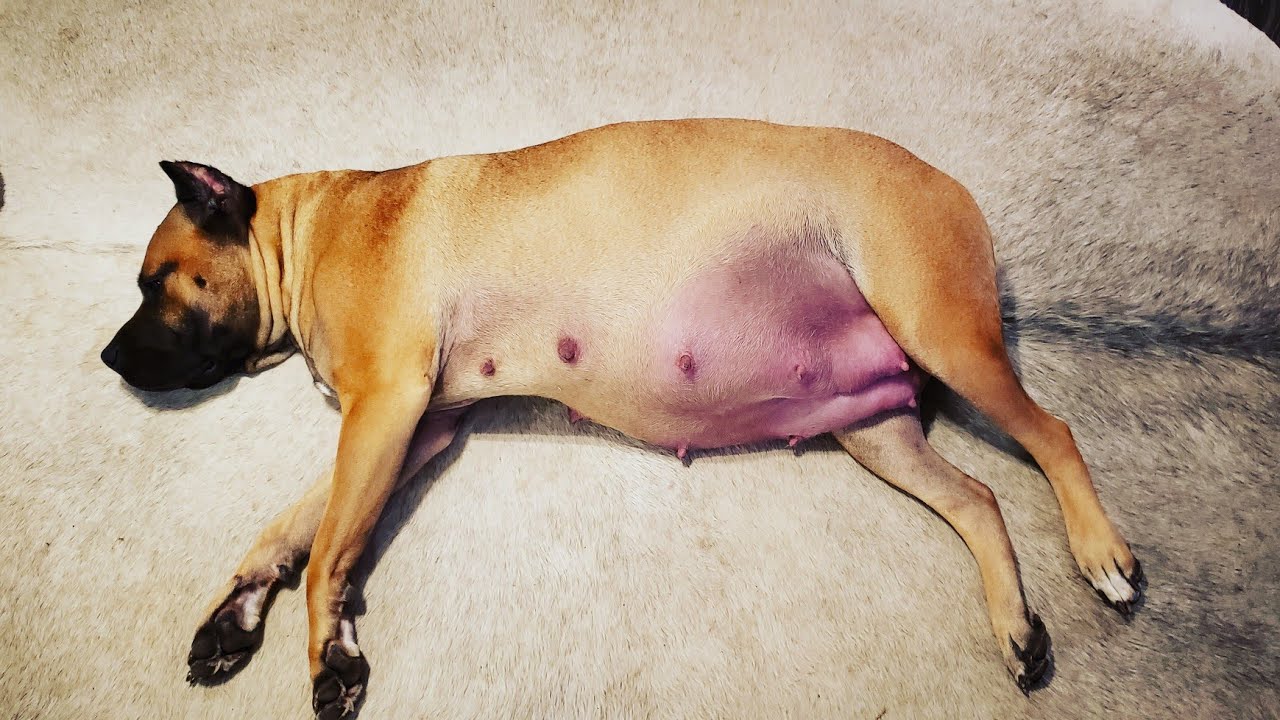
Image Source: i.ytimg.com
Recognizing the Stages of Pregnancy in Your Dog
To spot labor, you first need to know what happens during pregnant dog stages. A dog’s pregnancy lasts about nine weeks, or 63 days. Knowing this timeline helps you estimate the due date. The stages are often grouped into early, middle, and late pregnancy.
Early Pregnancy (Weeks 1–3)
In the first few weeks, the changes are very small. You might not notice much difference at all. The eggs are fertilized and start to grow.
Middle Pregnancy (Weeks 4–6)
Around week four or five, your dog’s belly starts to swell. You might feel the puppies inside if you are gentle. This is a good time for your vet to confirm the pregnancy with an ultrasound or X-ray.
Late Pregnancy (Weeks 7–9)
This is when the changes become very clear. The dog’s abdomen grows large quickly. Her nipples get bigger and might look darker. This leads right up to the time when canine whelping signs become obvious.
Key Physical Changes Signaling Approaching Labor
Several physical signs show that your dog is moving closer to giving birth. These are important dog delivery signs to look for as the due date nears.
The Temperature Drop: A Major Clue
One of the most reliable signs is a drop in your dog’s rectal temperature. Normally, a dog’s temperature is between 101°F and 102.5°F. About 12 to 24 hours before labor starts, her temperature often drops below 100°F.
How to Check the Temperature Drop:
- Take your dog’s temperature twice a day starting around day 58 of the pregnancy.
- Use a digital rectal thermometer. Be gentle.
- A temperature below 100°F is a strong signal that labor is very close. This is a key indicator for dog temperature drop labor.
Milk Production: Dog Milk Coming In
Closer to labor, you will notice changes in her mammary glands. The teats (nipples) will look larger and more full. For some dogs, especially first-time mothers, you might see a small amount of milky fluid. This is called dog milk coming in. It usually happens in the last few days before birth.
Appetite Changes
Many pregnant dogs lose their appetite right before labor begins. Some stop eating entirely 24 hours before puppies start coming. This loss of hunger is often paired with other signs of nesting.
Behavioral Shifts Before the Big Day
Behavioral changes are often the first things an owner notices. These actions show your dog is preparing her body and environment for the puppies. Look for signs of dog restlessness before labor.
Nesting Behavior
This is a very common sign. Your dog will start preparing a safe, cozy place for the delivery. This is known as dog nesting behavior.
What Nesting Looks Like:
- She may start digging in blankets, towels, or even furniture.
- She will choose a dark, quiet spot in the house.
- She might circle a lot before lying down in her chosen spot.
- She may try to move her bedding around constantly.
Restlessness and Pacing
A dog in early labor often feels uncomfortable. She might pace, pant, or refuse to settle down. She may seem anxious or seek you out for comfort. This feeling of unease signals that things are starting. This dog restlessness before labor can last for many hours.
Excessive Grooming
Your dog might start licking her genital area more than usual. This excessive licking is her body preparing itself and checking the area.
Deciphering Active Labor Signs
Once labor truly begins, the signs become much more obvious. These are the clear dog delivery signs that tell you birth is happening now or very soon.
Stage One Labor: Early Contractions
Stage one labor can last 6 to 12 hours, sometimes longer, especially in first-time mothers. The uterus starts having mild contractions. These contractions are usually not visible from the outside yet.
Signs of Stage One Labor:
- Yawning and stretching frequently.
- Panting heavily, even when not hot.
- Trembling or shaking slightly.
- Refusing food.
- Increased restlessness and pacing.
If you see these signs, it means the cervix is opening up. Labor is underway, even if you don’t see puppies yet.
Stage Two Labor: Active Pushing and Birth
Stage two is when the puppies are actually born. This stage starts when you see visible abdominal contractions. These are hard muscle movements you can see on her belly.
What to Watch For in Stage Two:
- Strong Contractions: You will see her stomach muscles tighten clearly.
- Straining: She will push hard during these contractions. This is active labor.
- Vocalization: She might whine, groan, or cry during the pushing efforts.
- Appearance of the Water Sac: Her water will break, often looking like clear or slightly greenish fluid. This usually happens right before the first puppy appears.
If your dog is straining hard for 30 minutes without producing a puppy, this is an emergency.
Stage Three Labor: Delivery of the Placenta
Stage three happens right after a puppy is born. The dog passes the placenta (afterbirth). Usually, one placenta comes out for every puppy. It’s normal for the mother to eat some of the placentas.
Timing and Duration of Whelping
A common question is when will my dog have puppies once signs appear?
| Labor Stage | Typical Duration | What to Expect |
|---|---|---|
| Stage One | 6 to 18 hours (Can be longer) | Restlessness, nesting, internal contractions. |
| Stage Two | 30 minutes to 1 hour per puppy | Visible straining, puppy delivery. |
| Stage Three | Happens between Stage Two deliveries | Passing of the placenta. |
The time between puppies can vary greatly. It might be 10 minutes or up to 2 hours. If the time between puppies exceeds two hours, call your vet right away.
When to Call the Veterinarian: Recognizing Trouble
While most dogs deliver puppies easily, sometimes things go wrong. Knowing when to seek help is vital for the safety of the mother and puppies.
Reasons to Call the Vet Immediately:
- No Labor Signs by Day 65: If you pass the 63-day mark and see no signs of labor, call your vet.
- Temperature Has Not Dropped: If you haven’t seen the temperature drop below 100°F, labor might be delayed or stalled.
- Green Discharge Before Puppies: If you see dark green fluid (not just clear/straw-colored) and no puppy has appeared within 30 minutes, this is urgent. It means the placenta separated too early.
- Straining without Delivery: If the mother is actively straining (pushing) hard for more than 30 minutes with no puppy appearing.
- Resting Too Long: If she rests for more than 2 to 4 hours between puppies after the first one is born.
- Fever or Lethargy: If the mother develops a high fever or seems unusually weak or unresponsive during labor.
Interpreting Fetal Movement
Sometimes owners wonder if they can feel the puppies moving. In the late stages of pregnancy, you can often see or feel the puppies moving around inside the belly. This movement usually slows down dramatically just before labor begins. A sudden lack of movement, especially when you know the due date is near, can sometimes signal a problem.
Preparing the Whelping Area
Once you notice the early canine whelping signs, it is time to finalize your whelping area. This area should be warm, quiet, and draft-free.
Essentials for the Whelping Box:
- A whelping box (a plastic tub or dedicated pen works well).
- Clean, washable bedding (old towels or blankets).
- Heating pad or warm lamp placed next to the box, not inside it, to prevent overheating.
- Clean towels for drying puppies.
- Dental floss or sterile string to tie off umbilical cords (if needed).
- Antiseptic solution (like diluted iodine) for cords.
- A phone number for your emergency vet.
Make sure the dog is comfortable using this space before labor starts. If she tries to nest elsewhere, gently guide her back to her prepared box.
Fathoming the Timeline: What to Expect Hour by Hour
While every birth is different, there is a general flow to the process.
The Day Before Labor
You might notice a few key signs pointing toward imminent birth:
- Dog temperature drop labor occurs (below 100°F).
- Restlessness increases.
- She may refuse all food.
- She seeks a dark, private spot (dog nesting behavior intensifies).
The First Few Hours of Labor (Stage One)
This stage is about preparation. Your dog might look uncomfortable. She may pant heavily and pace, but there is no visible pushing yet. This can last a long time, so keep her calm. Do not interfere unless she seems panicked.
Active Birth (Stage Two)
When visible abdominal contractions start, the first puppy should arrive soon. After the first puppy is born, the mother usually cleans it and severs the umbilical cord.
The interval between puppies is crucial. If the dog seems to be resting comfortably and sleeping between puppies, this is usually fine. However, if she seems restless again and starts straining heavily without success for over an hour, seek advice.
Post-Delivery Care for the Mother and Puppies
After the last puppy is born, your job is not over. You must monitor the mother for signs of complications.
Monitoring the Mother
Ensure she passes all placentas. Count them if possible, making sure the number matches the number of puppies. If you suspect a placenta is retained, call the vet. Keep her warm and offer small amounts of water. A full meal can wait a few hours.
Initial Puppy Care
Newborn puppies cannot regulate their own temperature. They must be dried vigorously with a warm towel immediately. Place them near the mother, but ensure they have access to gentle warmth without overheating.
The mother should naturally clean the puppies and stimulate them to breathe and nurse. If she seems too tired or confused (common in first-timers), you may need to step in briefly to dry them off.
Comprehending Behavioral Nuances
Some behaviors seen during labor are normal but can worry new owners.
Shaking/Trembling: This is often due to adrenaline and the stress of contractions. It is normal unless it turns into uncontrolled shivering accompanied by pale gums (which signals shock or severe distress).
Vocalizing: Whining, crying, or even growling during strong pushes is common. It shows the effort she is making. A calm voice from you can help soothe her.
Refusing to Be Alone: Some dogs want company constantly during labor. Others isolate themselves. Respect her wishes unless she seems panicked or tries to hide in a dangerous spot.
Summarizing Key Indicators for When Will My Dog Have Puppies?
The closest predictor relies on combining several observations:
- Timing: Day 61 to 65 is the high-probability window.
- Temperature: A drop below 100°F usually means birth within 24 hours.
- Behavior: Intense nesting and refusal to eat are strong precursors.
- Physical Readiness: Enlarged nipples and dog milk coming in show the body is ready.
By watching for these specific dog labor signs together, you gain the best chance of knowing exactly when your dog will start her delivery process.
Frequently Asked Questions (FAQ)
Q1: How long can my dog be restless before labor starts?
A: Dog restlessness before labor can last anywhere from a few hours to a full day before the active pushing stage begins. This is part of Stage One labor.
Q2: Is it normal for my dog to vomit during labor?
A: Yes, vomiting or regurgitating food can happen, especially during the transition phase between Stage One and Stage Two labor, due to the abdominal pressure from contractions.
Q3: What color should the discharge be before the first puppy?
A: Normal discharge before the first puppy appears is usually clear, pinkish, or slightly straw-colored mucus. Dark green fluid without a puppy appearing within 30 minutes requires immediate veterinary attention.
Q4: How do I know if my dog is having false labor?
A: False labor, or pre-labor restlessness, often involves nesting and panting, but there is usually no significant temperature drop, and the restlessness subsides after an hour or two, allowing the dog to eat or sleep normally again. True labor signs usually persist or get stronger.
Q5: Can my dog sleep during labor?
A: Yes. A dog will often sleep or rest deeply between puppies during the transition from Stage Two labor, especially if the interval between births is long (over an hour). If she is resting calmly, it is usually a good sign.