
If you are asking, “Do I need to get my dog to chew her food?” the simple answer is yes, chewing is very important for your dog’s health. Many dogs eat too fast. This can cause problems like choking, vomiting, or bloat. We need to teach dogs to eat slowly. This post shows easy ways to help your dog chew her kibble better.
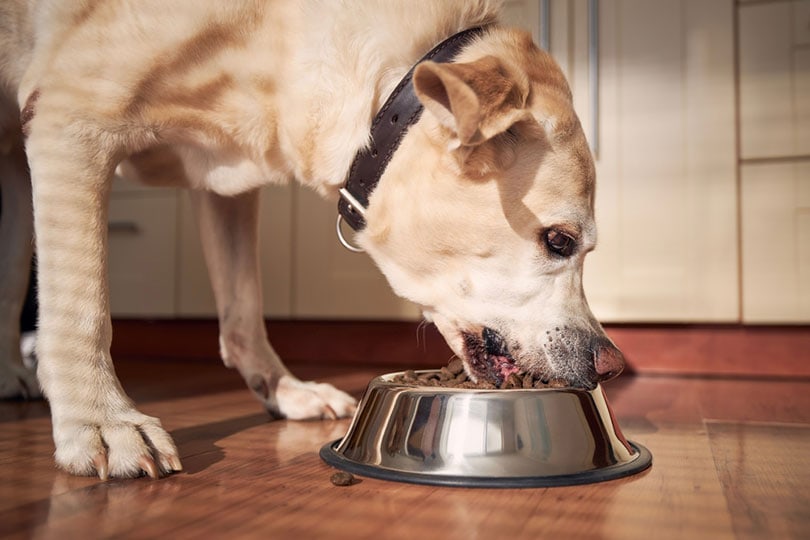
Image Source: www.dogster.com
Why Chewing Matters for Your Dog
Dogs should chew their food. It is a natural behavior. Chewing helps digestion start early. When dogs gulp food, it goes down too fast. This can cause big health issues. Good chewing breaks down food better. It also keeps your dog busy and happy during meals.
Health Risks of Eating Too Fast
Fast eating is a big concern for dog owners. We call this addressing rapid eating in canines. When dogs stop dog gulping food, they avoid these issues:
- Choking: Large pieces of food can get stuck.
- Vomiting: The stomach gets too full, too fast.
- Bloat (Gastric Dilatation-Volvulus or GDV): This is a life-threatening emergency. Fast eating often involves swallowing a lot of air. This air fills the stomach.
- Poor Nutrient Intake: Food is not broken down well enough to get all the good stuff out.
Teaching your dog to chew food properly promotes safe food consumption for dogs.
Simple Tools to Slow Down Mealtime
The first step to making your dog chew is changing how you feed her. You must slow down dog eating speed. Special bowls make this happen.
Using Slow Feeder Bowls
Slow feeder bowls are great tools. They have mazes or bumps inside. These bumps force your dog to eat around them. Your dog cannot just scoop up big mouthfuls.
How Slow Feeder Bowls Work:
- They make the dog work for each piece of food.
- They increase mealtime from seconds to many minutes.
- They help solve fast eating dog habits.
Look for bowls with deep ridges or spiral patterns. The harder the pattern, the slower your dog will eat.
Exploring Dog Food Puzzles
Dog food puzzles take things a step further than just slow bowls. These are toys your dog has to nudge, roll, or solve to release kibble.
Types of Dog Food Puzzles:
- Dispensing Balls: Your dog rolls the ball to get food out.
- Treat Boards: Food sits in small holes; the dog needs to use their nose or paw to move sliders.
- Lick Mats (for wet food/treats): These can slow down licking, which is sometimes part of rapid eating.
These puzzles make eating a fun game. This is great for mental health too.
Making Meals Last Longer with Muffin Tins
If you do not have a special bowl yet, try this trick. Use a standard muffin tin. Drop one or two pieces of kibble in each cup. This forces your dog to move from cup to cup. It naturally slows them down. It is a very easy way to stop dog gulping food.
Changing Your Feeding Routine
Sometimes the issue is not just the bowl. It is the habit around feeding. Mealtime behavior modification is key here.
Dividing Meals
Instead of giving one big bowl of food twice a day, break it up. Feed four or five smaller meals instead. Smaller portions are less tempting to inhale quickly. This eases the pressure on your dog’s stomach.
Adding Water or Broth
Adding liquid to dry kibble helps. Soak the kibble in warm water or low-sodium broth for a few minutes.
- The kibble swells up.
- It becomes softer and mushier.
- It is harder to swallow large, dry chunks.
This helps soften the food for better chewing. It also adds hydration.
Hand Feeding Small Amounts
If the problem is severe, try hand feeding for a short time. Give your dog just one or two pieces of food at a time. Make her wait for the next piece. This builds focus on you and slows the pace dramatically. You are actively rewarding slow eating.
Encouraging Appropriate Chewing for Dogs
Beyond just slowing down how fast they eat, we want to encourage actual chewing. This involves using things designed for chewing.
The Role of Chews and Dental Health
Chewing toys and edible chews are vital for appropriate chewing for dogs. They mimic the natural process of breaking down food.
Use Chews Wisely:
- After Meals: Offer a safe chew right after they finish their main meal. This keeps them occupied and engaged in chewing behavior.
- Supervise: Always watch your dog with a new or tough chew toy. Make sure they are gnawing, not just trying to swallow large pieces whole.
- Avoid Hard Items: Never give bones that are too hard (like cooked bones or antlers) to a fast eater. They might break off a chunk and swallow it.
Distraction Techniques During Feeding
Sometimes, other dogs or loud noises cause stress, leading to faster eating. If you have multiple pets, feed them in separate rooms. This removes competition pressure.
If your dog still rushes, put a favorite toy near the bowl (but not in it). Sometimes this small distraction helps break the focus tunnel-vision on gulping.
Addressing Canine Feeding Issues: When Problems Persist
If you try all these methods and your dog still struggles with canine feeding issues, you might need more help.
When to Seek Professional Advice
If vomiting, severe gas, or weight loss happens because of fast eating, call your vet. They can check for medical causes. They can also offer advice on weight management if needed.
Sometimes, anxiety drives fast eating. A veterinary behaviorist can help address underlying stress.
Table: Common Feeding Problems and Solutions
| Problem Behavior | Likely Cause | Quick Fix Strategy | Long-Term Solution |
|---|---|---|---|
| Gulping large amounts of food | Competition, excitement, hunger | Separate dogs, use a slow feeder bowl | Mealtime behavior modification |
| Swallowing air, excessive gas | Eating too fast, stress | Add water to kibble | Use dog food puzzles |
| Refusing to chew hard kibble | Dental pain, texture aversion | Switch to softer food temporarily | Consult vet for dental check; use chew toys |
| Inhaling food in seconds | Learned habit, high motivation | Hand feed small amounts | Consistent use of slow feeders |
Gradual Transition to New Feeding Methods
Switching bowls or routines suddenly can stress your dog. Introduce changes slowly.
Introducing a Slow Feeder Bowl
- Start Slow: For the first few days, use the new slow bowl only for a small part of the meal. Put the rest of the food in the old bowl.
- Increase Time: Slowly increase the amount of food served in the slow feeder.
- Patience is Key: It might take a week or two for your dog to fully adjust to working for her food. Do not get frustrated. Your goal is safe food consumption for dogs.
Managing Expectations
Remember, the goal is not perfect, slow chewing on every single bite. The goal is to eliminate dangerous gulping and ensure the food is reasonably broken down before swallowing. Success is making the meal last longer than 30 seconds. If the meal lasts 3 minutes, you are winning!
Keeping Chewing Positive
We want your dog to associate chewing and slow eating with good things. Never punish your dog for eating quickly. Punishment only adds stress. Stress often makes canine feeding issues worse.
Positive Reinforcement
When you see your dog actually taking time to chew, praise her softly.
- “Good chew!”
- Offer a calm pat.
When she uses the slow feeder bowls correctly, give her a small, high-value treat afterward. This rewards the desired behavior.
Making Puzzle Time Fun
If using dog food puzzles, make sure the dog succeeds often at first. If the puzzle is too hard, she will get frustrated and might try to flip it or break it, leading back to fast eating. Start easy, reward success, then gradually make the challenge harder. This keeps engagement high for appropriate chewing for dogs.
Final Tips for Success
Helping your dog learn to chew takes time and consistency. You are trying to change a very ingrained habit.
To solve fast eating dog problems, you need a multi-faceted approach:
- Change the Vessel: Use slow feeder bowls or feeders.
- Change the Volume: Feed smaller, more frequent meals.
- Change the Texture: Add moisture to soften the kibble.
- Change the Environment: Remove distractions and competition.
By consistently applying these steps, you will encourage healthier eating habits. This is vital for safe food consumption for dogs and overall well-being. Remember, teaching your dog to slow down is part of good pet ownership.
Frequently Asked Questions (FAQ)
How long should a dog’s meal take?
Ideally, a regular meal for a dog who tends to eat fast should take at least 5 to 10 minutes. If your dog is eating dry kibble in under a minute, you need an intervention like a slow feeder or puzzle.
Can I use regular bowls to slow my dog down?
You can try putting large, clean rocks (ensure they are too big to swallow and non-toxic) into a wide, shallow bowl. The dog has to eat around the rocks. However, slow feeder bowls are generally safer and designed specifically for this purpose.
Is it dangerous if my dog never really chews her kibble?
Yes, it can be dangerous. Swallowing large, dry kibble increases the risk of choking and severe digestive issues like bloat. Chewing helps start digestion, which makes nutrients absorb better.
What if my dog gets too frustrated with puzzle feeders?
If your dog shows signs of stress (whining, pawing excessively, flipping the bowl), the puzzle is too hard. Go back to the easiest method, like a very simple slow feeder bowl. Gradually introduce easier puzzles until they build confidence in solving fast eating dog challenges.
Are puzzle toys safe for all dogs?
Most dog food puzzles are safe, but always supervise your dog, especially with new toys. Ensure the puzzle material is durable and that your dog cannot ingest small plastic or rubber pieces. If your dog is a heavy chewer, choose durable puzzle feeders designed for strong jaws.