
Becoming a dog trainer for the police often means first becoming a Police K9 handler training graduate or having extensive, proven experience in professional dog training, especially in areas like scent detection dog training for police. Most law enforcement agencies prefer to promote from within their ranks, meaning current officers with specialized experience are the most likely candidates for becoming a police dog trainer. However, it is possible for a civilian police dog trainer to work with agencies, though this path requires deep specialization and recognized credentials.
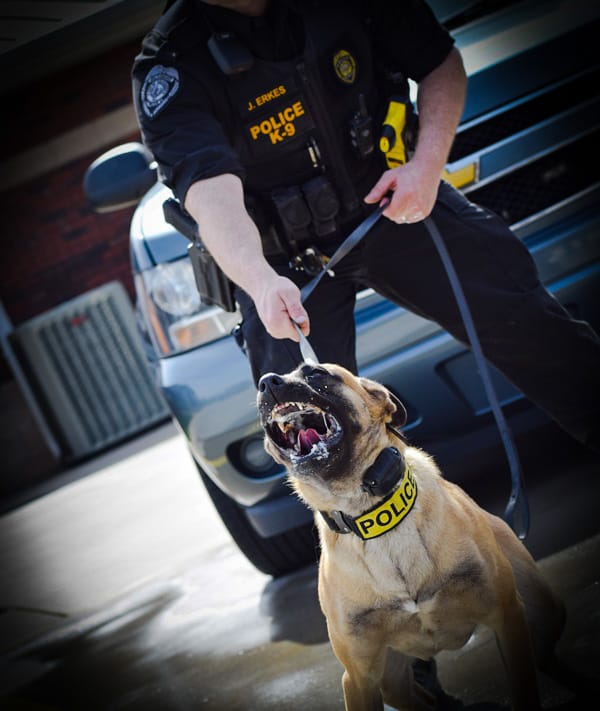
Image Source: tacticalpolicek9training.com
The Path to Police Dog Training: Deciphering Entry Points
The world of training dogs for law enforcement is highly competitive and deeply specialized. It is not simply about loving dogs; it requires a robust background in animal behavior, specialized operational knowledge, and often, prior law enforcement experience.
Traditional Routes: From Officer to Trainer
For most agencies, the journey to working as a police dog trainer begins on the street. Officers who show a strong aptitude for K9 work often get tapped for specialized roles.
Required Experience for Internal Candidates
Agencies look for officers who have successfully handled a police dog for several years. This hands-on experience is crucial. They need to know what works in real-world, high-stress situations.
- K9 Handler Experience: Minimum of three to five years actively working with a patrol or detection dog.
- Proven Success: A track record of successful deployments and clean case records.
- Internal Training: Completion of agency-specific K9 training programs and advanced courses.
The Civilian Route: Bringing Specialized Skills
A civilian police dog trainer must offer something exceptional. They usually fill specific needs that the department cannot easily train internally, such as specialized detection work or advanced behavior modification.
Essential Qualifications for Civilians
If you are not a sworn officer, your civilian qualifications must be rock solid. You need evidence that your methods are safe, effective, and legal for police work.
- Accreditation: Holding a respected law enforcement dog trainer certification from national or international organizations is vital.
- Military Background: Experience as a military working dog trainer career often translates well, as the training standards are similar.
- Specialization: Deep expertise in specific areas like advanced drug detection dog trainer course instruction or explosives detection.
Essential Skills for Law Enforcement Dog Trainers
Training police dogs is far different from training family pets. These dogs need to perform under immense pressure. A good trainer must master several complex skill sets.
Mastering Dog Behavior and Learning Theory
Trainers must know how dogs learn and how stress affects performance. Simple obedience is not enough; you need behavioral control in chaotic scenes.
Key Areas of Study
| Area of Study | Importance for Police Work |
|---|---|
| Classical and Operant Conditioning | Building reliable response chains under duress. |
| Stress and Arousal Management | Keeping the dog focused during noise, chaos, or danger. |
| Breed Selection and Genetics | Knowing which temperaments suit patrol or detection tasks. |
| Behavior Modification | Correcting unwanted aggression or fear responses swiftly. |
Operational Knowledge: Thinking Like Law Enforcement
A great trainer knows police procedure as well as dog training. They must integrate the dog’s work seamlessly into lawful police operations. This is key to successful police K9 unit training requirements.
- Legal Boundaries: They must know search and seizure laws related to K9 deployment.
- Tactical Awareness: They need to understand SWAT operations, perimeter control, and evidence handling.
- Safety Protocols: Ensuring the safety of the dog, the handler, and the public is paramount.
Specialized Training Programs: What You Must Teach
Police dogs are trained for specific jobs. A trainer must be proficient in several demanding disciplines, covering both apprehension and detection work.
Patrol Dog Training Programs
Patrol dog training programs focus on apprehension, handler protection, and controlled aggression. These dogs serve as both deterrents and tools for locating suspects.
- Obedience in Distraction: The dog must obey commands even when startled or provoked.
- Building Search: Teaching the dog to systematically search buildings or open areas for hidden threats.
- Apprehension Drills: Controlled biting and holding suspects based on the handler’s command. This requires precision and immediate release on cue.
Detection Work: The Science of Scent
Detection training, especially for narcotics or explosives, is one of the most rigorous forms of training. It relies heavily on scent detection dog training for police.
Drug Detection Dog Trainer Course Components
A good drug detection dog trainer course covers the science behind olfaction. Dogs are trained to show a “final response”—a clear indication—when they locate the target odor.
- Odor Recognition: Introducing and proofing the dog against multiple sources of the target scent (e.g., various forms of cocaine or heroin).
- Blind Searches: The dog must search areas where the trainer does not know the hide location, ensuring the dog works independently.
- Distraction Proofing: The dog must ignore food, toys, and other strong environmental smells to focus only on the target odor.
Achieving Law Enforcement Dog Trainer Certification
Certification validates a trainer’s skills. Without recognized credentials, working as a police dog trainer becomes nearly impossible, especially when contracting with government agencies.
Reputable Certification Bodies
Look for organizations that base their standards on real-world law enforcement scenarios. These bodies often provide the benchmark for law enforcement dog trainer certification.
- National Police Canine Association (NPCA): Often certifies teams (handler and dog) but trainers who prepare teams for these rigorous tests are highly regarded.
- United States Police Canine Association (USPCA): Known for high operational standards in both patrol and detection work.
- International Association of Bomb Technicians and Investigators (IABTI): Critical for trainers specializing in explosive detection K9s.
The Certification Process for Trainers
The process usually involves demonstrating mastery over both the training methods and the actual evaluation criteria used for K9 teams.
- Written Examination: Testing knowledge of legal standards, animal welfare, and training methodology.
- Practical Assessment: Successfully training a novice dog to pass the official certification trials (e.g., demonstrating a reliable bark-and-stand alert for narcotics).
- Continuing Education: Maintaining certification requires ongoing advanced training, often through specialized seminars or police K9 handler training updates.
Career Outlook and Compensation
The career path for a police dog trainer is stable but demanding. Opportunities grow in larger departments or specialized federal agencies.
Civilian vs. Agency Employment
| Employment Type | Typical Requirements | Salary Potential (General Range) | Job Stability |
|---|---|---|---|
| Agency Employee (Sworn Officer) | Internal promotion, handler experience. | Salary based on police pay scale, often supplemented by overtime. | High, tied to department budget. |
| Civilian Contractor | High-level certification, specialized niche (e.g., explosives). | Highly variable, project-based fees; potentially very high for experts. | Moderate, dependent on contract renewal. |
| Military Working Dog Trainer Career | DoD contracting or direct military enlistment/commissioning. | Varies widely based on security clearance level and location. | Moderate to High (if federal/military). |
Advancing Your Career
To move beyond basic training, focus on niche, high-demand areas. For instance, evolving technologies in tracking or specialized apprehension techniques often require advanced civilian consultation. A focus on advanced patrol dog training programs that incorporate drone technology or specialized tracking scents can open new doors.
Deciphering Training Methodologies
Effective police dog training relies on positive reinforcement paired with high motivation. The trainer’s role is to build an unbreakable bond of trust and drive between the dog and the future handler.
Building Drive and Motivation
Police dogs must want to work. The trainer’s primary job is to harness this natural drive for play or food and convert it into performance under pressure.
- The Reward System: Deciding what motivates the specific dog—prey drive (a toy) or food drive—and using that reward strategically.
- Shaping Behavior: Breaking down complex tasks (like a building search) into tiny steps, rewarding each successful step until the final behavior is achieved.
Transferring Skills: Handler Training
The trainer is not just teaching the dog; they are teaching the human partner. This is where police K9 handler training becomes critical. The dog is only as good as the person handling it.
- Communication Fidelity: Ensuring the handler uses clear, consistent verbal and hand signals.
- Reading the Dog: Teaching the handler subtle signs of stress, focus, or an impending alert from their partner.
- Scenario Replication: Creating highly realistic training scenarios that mimic real calls for service to build confidence in the human-dog team.
Frequently Asked Questions (FAQ)
How long does it take to become a police dog trainer?
If you start as a police officer, it can take 5–10 years to gain enough experience as a handler to qualify for trainer schools. If you are a civilian, gaining the necessary law enforcement dog trainer certification and experience can take 5–7 years of dedicated, specialized work in the field, often preceded by a relevant degree or military background.
Can I train my own dog for police work as a civilian?
No, you cannot typically train your personal dog to meet the legal and operational standards required for use by a police department. Police dogs must be vetted, procured, and trained under strict protocols to ensure they meet constitutional standards for evidence and use of force. Civilian training services usually focus on preparing handlers and dogs for eventual testing by an agency, or focusing on specific civilian-contracted roles like explosive sweeps.
What is the difference between a K9 handler and a K9 trainer?
A K9 handler is the officer who works daily with the dog in the field, relying on the dog for detection or apprehension support. A K9 trainer is responsible for developing the dog’s skills, maintaining the dog’s proficiency, and teaching the handler how to effectively work the dog. Trainers often train multiple dogs and handlers over time.
Are there specific educational degrees required to become a police dog trainer?
Formal degrees are not always mandatory, especially if you come up through the ranks as a sworn officer. However, civilians seeking contracts often benefit greatly from degrees in Animal Behavior, Zoology, Forensic Science, or related fields. A strong academic background aids in grasping the complex science behind scent detection dog training for police.
How often do police dogs and their trainers need to recertify?
Most jurisdictions require K9 teams (handler and dog) to pass rigorous certification tests annually, sometimes semi-annually. Trainers must also maintain their own professional certifications, often requiring continuing education credits, to ensure they are current on the latest patrol dog training programs and legal requirements.