
Did you know that Tibetan Terriers were once called “Holy Dogs” in their native Himalayas? These sturdy, shaggy companions are known for their intelligence and playful nature. However, their unique build and sensitive stomachs can make finding the perfect diet a real challenge. You want your best friend to thrive, but walking down the pet food aisle often feels like a guessing game.
Choosing the right nutrition for a Tibetan Terrier is not just about filling a bowl. These dogs often struggle with skin sensitivities and food allergies that can lead to itchy paws or dull coats. With so many brands claiming to be the “best,” it is easy to feel overwhelmed by ingredient labels and conflicting advice. You need a clear path to help your dog live a long, energetic life.
In this guide, we will cut through the confusion. You will learn exactly what nutrients your Tibetan Terrier needs to stay healthy and happy. We will break down the best ingredients to look for and the common fillers you should avoid at all costs. By the end of this post, you will feel confident picking a meal plan that keeps your dog’s tail wagging.
Ready to find the ideal fuel for your furry friend? Let’s dive into the essential details of feeding your Tibetan Terrier for optimal health.
Top Dog Food For Tibetan Terriers Recommendations

- Hindle, Julie Hamilton (Author)
- English (Publication Language)
- 302 Pages - 11/27/2019 (Publication Date) - Independently published (Publisher)
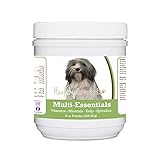
- Features a full range of essential daily vitamins, organically chelated minerals
- Our pleasant tasting, soya-based powder with no added refined sugars or artificial flavors
- Administer with wet or dry food
- Ideal supplement for home-prepared meals
- Made in the USA
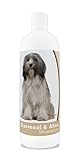
- GENTLE, pH BALANCED CLEANSER Healthy Breeds offers a high-quality shampoo that is free of soap, detergent and harsh chemicals. Help restore your pet's natural moisture & emollients in your dog’s skin & coat!
- SOOTHING RELIEF A gentle shampoo suitable for dogs with sensitive skin or even those with allergies! Oatmeal Aloe Shampoo provides relief for itchy, scaling and sensitive skin with a mild oatmeal and aloe formula!
- HYPOALLERGENIC FORMULA Healthy Breeds Oatmeal & Aloe Shampoo is safe for use with topical treatments! Let us help you keep your dog fresh, clean & smelling great with the delicious Pina Colada scent!
- MADE IN THE USA! Buy with confidence! All Healthy Breeds products are made in federally regulated manufacturing facilities. Excellent customer service and return policy. 100% satisfaction guaranteed
- Healthy Breeds offers an assortment of dog products including health care, grooming, dental care and treats for over 200 breeds! Make sure to search for your breed! Click the Healthy Breeds hyperlink above to see our Amazon storefront

- Hardcover Book
- Brophey, Kim (Author)
- English (Publication Language)
- 256 Pages - 03/20/2018 (Publication Date) - Chronicle Books (Publisher)

- Brantley, Crystal (Author)
- English (Publication Language)
- 100 Pages - 04/21/2023 (Publication Date) - Independently published (Publisher)

- A uniquely gentle shampoo that cleanses and conditions a puppy's skin and coat. Mild enough for use on the face of puppies 4 weeks of age and older.
- Formulated with the proper ingredients to maintain a moisturized and nourished coat as they get older. Contains aloe Vera, lanolin, and gentle proteins that leave a soft, fluffy coat.
- Safe for use with topical flea control products. No harmful chemicals or irritants. It can be used as often as necessary and will not strip the coat of natural oils.
- Made in the USA so you can buy with confidence. All shampoos made in federally regulated manufacturing facilities. Excellent customer service and return policy. 100% satisfaction Guaranteed.
- Healthy Breeds offers an assortment of dog healthcare products, grooming products and treats for over 200 breeds! Make sure to search for your breed! Click the Healthy Breeds hyperlink above to see our amazon storefront!

- Dogs, Michael (Author)
- English (Publication Language)
- 120 Pages - 06/20/2019 (Publication Date) - Independently published (Publisher)

- DOGS, NOTEBOOKS FOR (Author)
- English (Publication Language)
- 110 Pages - 02/07/2020 (Publication Date) - Independently published (Publisher)
The Ultimate Guide to Feeding Your Tibetan Terrier
Tibetan Terriers are sturdy, medium-sized dogs known for their intelligence and thick coats. Because they are active and energetic, they require a high-quality diet to stay healthy. This guide will help you choose the best nutrition for your furry friend.
Key Features to Look For
When shopping for dog food, focus on these essential features:
- High Protein Content: Look for real meat like chicken, lamb, or fish as the first ingredient.
- Healthy Fats: Omega-3 and Omega-6 fatty acids are vital for keeping their long, double-layered coat shiny.
- Digestibility: Choose formulas that include fiber-rich vegetables like sweet potatoes or peas to support a healthy gut.
- Appropriate Calorie Density: Tibetan Terriers are active, but they can gain weight if they eat too much. Pick food that matches their daily activity level.
Important Ingredients
The quality of ingredients makes a big difference. Always check the label for these items:
- Whole Proteins: Real meat provides amino acids for strong muscles.
- Complex Carbohydrates: Brown rice, oats, or barley provide steady energy throughout the day.
- Natural Preservatives: Look for foods preserved with Vitamin E (mixed tocopherols) instead of artificial chemicals like BHA or BHT.
- Joint Support: Ingredients like glucosamine and chondroitin help protect their joints as they age.
Factors That Impact Quality
Quality varies greatly between brands. Here is how to spot the best options:
Factors that improve quality:
- Foods that meet AAFCO standards for “all life stages” or specific adult maintenance.
- Brands that perform third-party testing for safety.
- Small-batch manufacturing processes that preserve nutrients.
Factors that reduce quality:
- “Meat by-products” listed as the primary protein source.
- High amounts of “fillers” like corn, wheat, or soy, which offer little nutritional value.
- Artificial colors or dyes that can cause allergic reactions.
User Experience and Use Cases
Most owners find that Tibetan Terriers thrive on a consistent feeding schedule. If your dog is a picky eater, a topper like wet food or bone broth can encourage them to finish their meal. If your dog has a sensitive stomach, look for a “limited ingredient” diet. Always monitor your dog’s weight. If they seem sluggish or gain weight, you may need to reduce portion sizes or switch to a lower-calorie formula.
10 Frequently Asked Questions
Q: How much should I feed my Tibetan Terrier?
A: Follow the feeding chart on the bag, but adjust based on your dog’s activity level and weight. Consult your vet if you are unsure.
Q: Does my Tibetan Terrier need grain-free food?
A: Most dogs do not need grain-free food unless they have a specific allergy. Grains provide healthy fiber and vitamins.
Q: What should I do if my dog is a picky eater?
A: Try mixing in a small amount of warm water or low-sodium meat broth to enhance the aroma of the kibble.
Q: Can I feed my dog human food?
A: Only in moderation. Stick to plain cooked meats or vegetables. Avoid onions, garlic, chocolate, and grapes.
Q: How often should I feed my dog?
A: Most adult Tibetan Terriers do best with two meals per day—once in the morning and once in the evening.
Q: Is wet food better than dry kibble?
A: Both are good. Dry kibble helps clean teeth, while wet food provides extra hydration.
Q: How do I know if the food is causing an allergy?
A: Watch for itchy skin, ear infections, or constant licking of the paws. These are common signs of food sensitivities.
Q: Should I switch food brands often?
A: It is usually better to keep your dog on one consistent, high-quality brand to avoid stomach upset.
Q: Do puppies need special food?
A: Yes. Puppy food contains more protein and fat to support rapid growth and brain development.
Q: Can I use treats for training?
A: Yes, but keep treats under 10% of their daily caloric intake to prevent obesity.