
Ever feel like your furry friend is speaking a language only they understand? You’re not alone! Training a dog can be a wonderful bonding experience, but it can also feel overwhelming when you’re not sure where to start. The sheer number of dog training books out there can make your head spin. Some promise quick fixes, while others delve into complex theories. It’s tough to figure out which ones will actually help you build a well-behaved companion.
That’s where this guide comes in! We’re here to cut through the confusion and help you find the best books to guide you and your dog. By exploring some top-notch resources, you’ll learn effective techniques that build trust and understanding between you and your pet. Get ready to discover how the right book can transform your training journey and unlock a happier, more harmonious life with your dog.
Top Books For Dog Training Recommendations

- Millan, Cesar (Author)
- English (Publication Language)
- 320 Pages - 06/11/2026 (Publication Date) - Three Rivers Press (Publisher)

- Book: the big book of tricks for the best dog ever: a step-by-step guide to 118 amazing tricks and stunts
- Language: english
- Binding: paperback
- Kay, Larry (Author)
- English (Publication Language)

- Zoom Room Dog Training (Author)
- English (Publication Language)
- 180 Pages - 04/02/2019 (Publication Date) - Callisto (Publisher)

- Fleming, Lincoln (Author)
- English (Publication Language)
- 100 Pages - 04/15/2025 (Publication Date) - Flora and Water Publishing (Publisher)

- George, Zak (Author)
- English (Publication Language)
- 240 Pages - 06/07/2016 (Publication Date) - Ten Speed Press (Publisher)

- Kay, Larry (Author)
- English (Publication Language)
- 304 Pages - 09/25/2012 (Publication Date) - Workman Publishing Company (Publisher)

- Hardcover Book
- Monks of New Skete (Author)
- English (Publication Language)
- 352 Pages - 06/29/2011 (Publication Date) - Little, Brown and Company (Publisher)
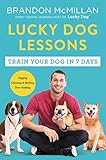
- McMillan, Brandon (Author)
- English (Publication Language)
- 336 Pages - 10/02/2018 (Publication Date) - HarperOne (Publisher)
Choosing the Right Dog Training Books: Your Guide to a Well-Behaved Pup
Teaching your dog good manners and fun tricks is a rewarding journey. Books are fantastic tools to help you along the way. They offer expert advice and step-by-step instructions. This guide will help you pick the best books for your training needs.
What to Look For in Dog Training Books
When you’re browsing for dog training books, keep these important things in mind.
Key Features to Look For
- Clear, Step-by-Step Instructions: The best books break down training into easy-to-follow steps. You should be able to understand each part.
- Positive Reinforcement Focus: Look for books that emphasize rewarding good behavior. This builds trust and makes training fun for your dog. Avoid books that suggest punishment.
- Problem-Solving Sections: Many books include advice for common issues like potty training, barking, or jumping. These sections are very helpful.
- Age-Specific Advice: Training a puppy is different from training an adult dog. Some books offer guidance for different life stages.
- Visual Aids: Pictures and diagrams can make learning easier. They show you exactly what to do.
- Author’s Credibility: Check if the author is a certified professional dog trainer or has lots of experience.
Important Materials (Content within the Book)
- Basic Obedience Commands: Most books cover essential commands like “sit,” “stay,” “come,” and “down.”
- House Training Techniques: This is crucial for new puppy owners. Good books explain how to successfully potty train.
- Socialization Tips: Learning how to introduce your dog to new people, places, and other dogs is vital.
- Leash Manners: Books should teach you how to prevent pulling and make walks enjoyable.
- Advanced Training and Tricks: Some books go beyond basics and teach fun tricks or more complex behaviors.
- Behavioral Problem Solutions: Chapters on common issues like chewing, digging, or separation anxiety are valuable.
Factors That Affect Book Quality
Not all books are created equal. Here’s what makes a dog training book great or not so great.
What Improves Quality
- Evidence-Based Methods: Books that use scientifically proven training methods are more likely to work.
- Up-to-Date Information: Training techniques evolve. Newer books often reflect the latest research.
- Well-Organized Content: A book that’s easy to navigate helps you find information quickly.
- Relatable Examples: Stories or scenarios that mirror your own experiences make the advice more practical.
- Positive and Encouraging Tone: A book that makes you feel confident and motivated is a big plus.
What Reduces Quality
- Outdated or Harsh Methods: Avoid books that recommend punishment, fear, or intimidation. These can harm your dog’s well-being.
- Vague Instructions: If the steps are unclear, you won’t know what to do.
- Lack of Structure: A disorganized book makes it hard to learn.
- Overly Technical Language: The language should be easy for anyone to understand.
- Focus on Only One Method: Dogs are individuals. A good book offers flexibility.
User Experience and Use Cases
Think about how you’ll use the book and what kind of experience you want.
- For First-Time Dog Owners: Look for comprehensive guides that cover everything from puppy basics to common challenges.
- For Owners with Specific Problems: If your dog has a particular issue, find books that focus on solutions for that problem.
- For Fun and Bonding: Some books are great for teaching cool tricks that strengthen your bond with your dog.
- For Experienced Handlers: You might look for books that delve into more advanced training or specific dog sports.
- Quick Reference: A well-indexed book is useful for looking up specific tips when you need them.
Choosing the right dog training book can make a huge difference. With a little research, you’ll find a guide that helps you build a happy, well-behaved companion.
Frequently Asked Questions About Dog Training Books
Q: What are the main Key Features I should look for in a dog training book?
A: You should look for clear, step-by-step instructions, a focus on positive reinforcement, problem-solving sections, age-specific advice, and visual aids. Also, check the author’s credibility.
Q: What kind of content or materials are important in these books?
A: Important content includes basic obedience commands, house training techniques, socialization tips, leash manners, solutions for behavioral problems, and sometimes advanced training or tricks.
Q: How do I know if a dog training book is good quality?
A: Good quality books use evidence-based and up-to-date methods. They are well-organized, use relatable examples, and have a positive tone. Avoid books with vague instructions or harsh methods.
Q: What if my dog has a specific behavior problem?
A: If your dog has a specific issue like excessive barking or chewing, look for books that have dedicated chapters or sections that offer solutions for those common problems.
Q: Should I get a book for puppy training or adult dog training?
A: It depends on your dog’s age. Puppy training books focus on early development and house training. Adult dog training books might focus more on retraining or addressing established behaviors.
Q: Are there books for teaching my dog tricks?
A: Yes, many books go beyond basic obedience and offer fun trick training ideas. These can be great for mental stimulation and bonding with your dog.
Q: How important is the author’s experience?
A: The author’s experience is very important. Look for authors who are certified professional dog trainers or have a strong background in animal behavior and positive training methods.
Q: Can these books help me if I’m a first-time dog owner?
A: Absolutely! First-time owners benefit most from comprehensive guides that cover all the basics, from choosing your dog to everyday training and problem-solving.
Q: What’s the difference between positive reinforcement and other training methods?
A: Positive reinforcement focuses on rewarding good behavior to encourage it. Other methods might involve punishment, which can create fear and anxiety in your dog. Positive methods build a stronger, trusting relationship.
Q: How often should I use the information from the books?
A: You should practice the training techniques regularly. Short, frequent training sessions are usually more effective than long, infrequent ones. Consistency is key!