
If your dog is suddenly refusing to walk, the most common reasons stem from pain, fear, anxiety, or underlying health issues. Deciphering the cause is the first step to fixing the problem.
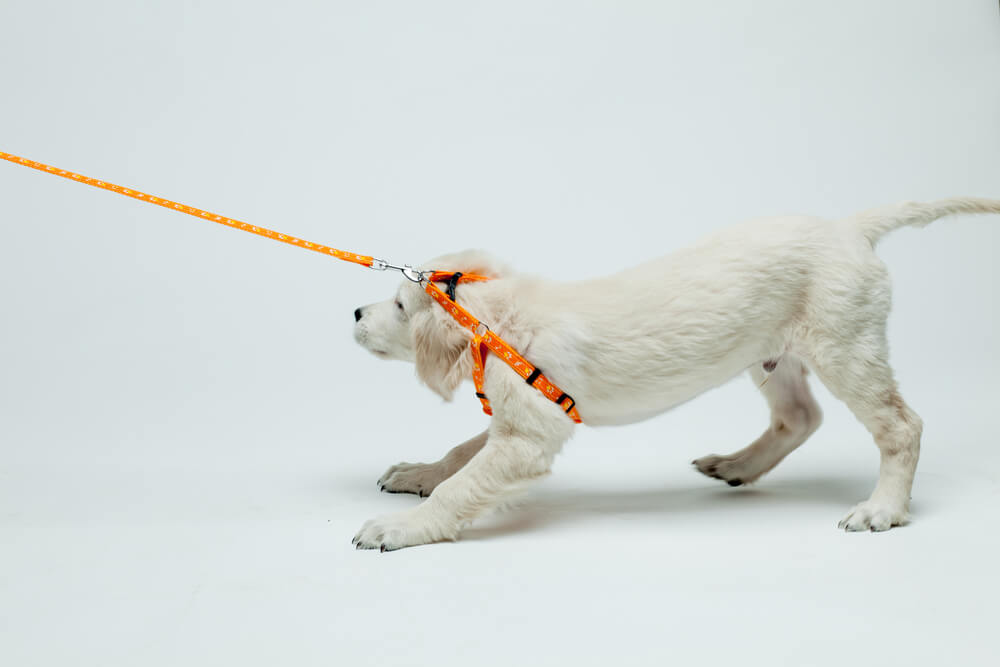
Image Source: blog.myollie.com
Deciphering Canine Reluctance to Walk
It can be upsetting and confusing when your usually energetic dog puts on the brakes during a walk. This canine reluctance to walk is a sign that something is wrong. Dogs communicate through behavior, and stopping dead in their tracks is a loud signal. We need to look closely at what might be causing this change in routine. This issue isn’t just about stubbornness; it points to deeper needs or problems.
Common Triggers for Not Walking
Many factors can cause a dog to resist going outside or suddenly stop mid-walk. We can group these reasons for dog refusing to go outside into a few main areas: physical health, mental state, and environmental factors.
| Category | Potential Issues | Quick Fix Check |
|---|---|---|
| Pain/Physical | Arthritis, paw injury, injury aggravation | Check paws, gentle touch test |
| Fear/Anxiety | New sounds, scary objects, past bad experience | Look for hidden triggers |
| Learned Behavior | Walk shortened previously, too exciting | Re-establish routine consistency |
| Age-Related | Low stamina, vision/hearing loss | Adjust walk length and pace |
Physical Health Problems: The Pain Factor
Pain is a very common reason for a sudden unwillingness of dog to walk. Dogs are masters at hiding discomfort. They often wait until the pain is significant before showing obvious signs. If your dog stops walking, assume pain until proven otherwise, especially if the refusal is new.
Paw Injuries and Discomfort
The simplest issues are often underfoot. Check your dog’s paws thoroughly.
- Cuts or Scrapes: Look between the paw pads for small cuts from glass or sharp rocks.
- Burrs or Thorns: Things stuck deep in the fur between the toes can cause sharp, sudden pain.
- Hot Pavement: On hot days, the sidewalk can burn paw pads quickly. This causes immediate refusal to step down. If the pavement is too hot for your bare hand, it is too hot for their paws.
- Ice or Salt: Winter walking can lead to cracked skin or chemical burns from de-icing salts.
Musculoskeletal Issues
For many dogs, especially older ones, walking hurts their joints. This is a key issue when discussing a senior dog not wanting to walk anymore.
- Arthritis: Inflammation in the joints makes movement painful. The dog might walk a bit, then simply sit down, unable or unwilling to continue.
- Hip or Elbow Dysplasia: These conditions cause chronic pain that worsens with activity. The dog associates walking with discomfort.
- Muscle Strain: A pulled muscle from rough play can make walking difficult for days or weeks.
Internal Medical Concerns
Sometimes the underlying causes of dog stopping on walks are internal, not skeletal.
- Heart Conditions: Dogs with heart disease tire very quickly. They might feel short of breath or dizzy after a short distance and stop to rest.
- Respiratory Issues: Conditions like collapsing trachea can make exertion painful or difficult.
- Low Blood Sugar: Diabetic dogs or those with other metabolic issues might become weak suddenly.
Action Step: If you suspect pain, a thorough vet checkup is crucial. Mention the exact location and timing of the refusal (e.g., “He walks fine for five minutes, then stops”).
Emotional and Mental Barriers
If the vet gives your dog a clean bill of health, the issue is likely emotional. Fear, anxiety, or stress can lead to a complete refusal to move. This often manifests as a dog suddenly afraid to walk.
Fear and Phobias
Fear is a powerful emotion that stops movement cold. A dog who is afraid will often freeze or try to retreat home.
- Sensory Overload: New environments, loud trucks, construction noise, or even strong smells can overwhelm sensitive dogs. They might shut down completely.
- Traumatic Events: If something bad happened on a previous walk—a dog fight, a near-miss with a car—the location itself can trigger a fear response next time.
- Leash Reactivity Triggers: If your dog is reactive to other dogs or people, seeing a trigger might cause them to stop and stare, often leading to anxious freezing.
Anxiety and Stress
General anxiety can make the outside world feel unsafe.
- Separation Anxiety Spillover: Some dogs struggle when away from their primary caregiver. The walk becomes a stressful separation.
- Novelty Avoidance: Some dogs thrive on routine. A sudden change in the route or time of day might cause confusion that reads as refusal.
Dealing with a Dog Suddenly Afraid to Walk
If fear is the issue, the goal is to make walks safe and predictable again.
- Assess the Trigger: Identify exactly what your dog reacts to. Is it the big garbage truck? Is it the steep hill?
- Control the Environment: Walk at quieter times. Avoid known stressful areas, at least temporarily.
- Positive Association: Use high-value treats (like cheese or chicken) only on walks. Reward heavily for calmly approaching the scary thing or just walking past it without freezing.
- Never Force: Forcing a fearful dog only confirms that the situation is dangerous. Go slow. Shorten the walk if necessary.
Behavioral Patterns: When Walking Becomes a Chore
Sometimes, when a dog refuses to move on a leash, it is not pain or fear but a learned behavior or a failure in training. We are addressing dog walking refusal when it becomes a patterned habit.
Learned Behavior and Control
Dogs are smart. If sitting down meant the walk ended early last time, they might try it again to get what they want (usually going home sooner).
- The “End of Walk” Strategy: If the dog learns that stopping means they immediately get praise and turn back, they will use this tactic to control the walk duration.
- Lack of Motivation: If the walk is boring—same route, same pace, no sniffing allowed—the dog has no incentive to keep moving.
Troubleshooting Dog Pulling or Stopping
When troubleshooting dog pulling or stopping, consistency is key.
- The Stop-Start Method (For Pulling): If your dog pulls ahead, stop immediately. Do not move again until the leash is slack. This teaches them that pulling stops forward motion, but a loose leash allows walking.
- The Reverse Method (For Stopping): If the dog plants their feet, do not pull forward. Instead, gently turn and walk backward a few steps. This surprises them out of their freeze state and encourages them to follow you forward again.
The “Honeymoon Phase” Ending
Many puppies or newly adopted dogs are excited by everything. After a few weeks or months, they settle in. If the walk was novel and fun initially, the novelty wears off, and the dog may revert to a default state of lower motivation.
Key Training Tip: Make sniffing rewarding. Sniffing is vital for canine mental well-being. Allow short, designated sniffing breaks. This gives them a job and makes the walk worthwhile for them.
Age-Related Changes: The Senior Stroll
A senior dog not wanting to walk anymore often signals a combination of physical decline and decreased energy. It is rarely just stubbornness at this age.
Fathoming the Slowdown
As dogs age, several biological changes occur:
- Stamina Drop: Cardiovascular fitness declines. They simply run out of steam faster.
- Vision and Hearing Loss: The world becomes scarier or harder to navigate. They might hesitate because they cannot clearly see where they are stepping or hear approaching dangers.
- Cognitive Decline: Older dogs can become confused or disoriented, leading them to simply stop wherever they are.
Adjusting Walks for Seniors
If your older dog refuses to go out, do not stop walks entirely. Movement is vital for joint health and mental stimulation.
- Shorter, More Frequent Outings: Instead of one long 30-minute walk, try three 10-minute potty breaks focusing on gentle movement.
- Soft Surfaces: Choose grass or dirt paths over rough concrete or gravel.
- Harness vs. Collar: Use a supportive harness that distributes pressure away from the neck and back, especially if they have neck or spinal issues.
- Warm-Up: Spend a few minutes inside gently stretching or massaging their hips before heading out.
Environmental Variables Affecting Walk Performance
Sometimes the issue is entirely external. We look at the environment when troubleshooting dog pulling or stopping.
Weather Extremes
Extreme weather drains energy fast and makes physical activity uncomfortable.
- Heat and Humidity: Heatstroke risk is high. Dogs pant to cool down; if they cannot cool down effectively, they will refuse to move to conserve energy.
- Extreme Cold: Ice, snow, and bitter wind can cause pain, especially in dogs with short coats or underlying arthritis.
Novel Objects and Changes
If a new item appears on your regular route, it can cause a temporary shutdown.
- Construction Sites: Loud machinery, strange smells, and cones can scare dogs.
- New Smells: If a strange animal marked heavily nearby, your dog might stop to intensively investigate or feel intimidated by the presence of another animal.
A Systematic Approach to Solving the Refusal
When facing a dog won’t go for a walk behavior, use a structured method. Follow these steps in order.
Step 1: Immediate Health Check (Rule Out Pain)
This is non-negotiable if the behavior is new.
- Physical Inspection: Check paws, legs, and back for obvious swelling or injury.
- Vet Visit: If you see no obvious injury, schedule a checkup to screen for arthritis, dental pain (which can affect overall mood), or systemic illness.
Step 2: Environmental Observation
Go back to the spot where the dog stopped. What was different?
- Was it too hot/cold?
- Was there a loud noise just before?
- Was there another dog or person nearby that you did not notice?
Step 3: Equipment Review
Ensure your gear is not contributing to the problem.
- Leash Check: Are you using a retractable leash? These teach dogs that pulling gets them further, and they offer poor control in an emergency. Switch to a standard 6-foot leash.
- Harness Fit: A poorly fitting harness can rub or restrict shoulder movement, causing discomfort that leads to stopping. Ensure the chest plate sits correctly.
Step 4: Motivation Assessment and Training Reinforcement
If health and environment are clear, focus on making the walk enjoyable again.
- High-Value Rewards: Carry fantastic treats. If the dog walks five steps past a scary spot, give them the best reward they can imagine.
- Change the Route: For a few days, walk somewhere completely new and quiet. Make it a fun, short “adventure” rather than “exercise.”
- Resetting Expectations: If you know the dog stops at the corner of Maple Street every day, start by walking past Maple Street but only going a block further than usual, then happily returning home. Make the reward for continuing past the usual stopping point very high.
Case Studies in Addressing Dog Walking Refusal
Reviewing specific scenarios helps illustrate how to apply these solutions when addressing dog walking refusal.
Case A: The Sudden Stop After a Car Backfire
Buddy, a 4-year-old Labrador, suddenly stopped walking one block from home after a loud car backfired nearby. He refused to move forward.
Analysis: Clear trigger event leading to fear/anxiety. Buddy is exhibiting a freeze response.
Solution: We implemented desensitization. For two days, we sat on the porch and gave Buddy treats every time a car drove by normally. On the third day, we walked only to the spot where the noise occurred, stood quietly for five seconds, treated heavily, and walked straight home. We slowly increased the time spent at that spot over the following week, rewarding calm behavior. Never forcing him to move past the point where he froze.
Case B: The Elderly Dachshund Who Just Sits Down
Daisy, 11 years old, used to love walks. Now, after ten minutes, she lies down on the sidewalk and sighs heavily.
Analysis: Classic presentation of senior dog not wanting to walk anymore due to fatigue or pain (likely arthritis).
Solution: Vet confirmed mild arthritis. Walks were changed immediately. We switched to using a supportive sling harness to help lift her hind end slightly on inclines. Walks were reduced to 15 minutes total, broken into slow, easy laps around the yard first, then a short, flat pavement walk. We started her on vet-recommended joint supplements.
Case C: The Dog Who Won’t Leave the House
Max, a terrier mix, pulls hard towards the door, then as soon as the leash is attached, he digs his heels in and refuses to step off the welcome mat. This is a clear example of dog won’t go for a walk behavior right at the start.
Analysis: This is often related to anticipatory anxiety or avoidance of something outside.
Solution: We worked on building positive association with the gear. Max got a high-value chew toy only when the harness went on. We practiced standing by the door calmly for five minutes without going out. Then, we practiced taking one step out, immediately returning inside for a reward. We slowly built up distance, ensuring the step outside was always rewarded calmly, not frantically.
Interpreting Body Language When Refusing to Move
Grasping why your dog stops involves reading their subtle cues. Look beyond the planted feet.
| Body Language Sign | What it Might Mean | Action to Take |
|---|---|---|
| Low tail, tucked, tense body | Fear, anxiety, or feeling threatened | Turn around slowly; move away from the perceived threat. |
| Heavy sigh, lying down flat | Fatigue, pain, or refusal to cooperate | Check for heat/pain; if comfortable, attempt a brief rest then gentle encouragement. |
| Staring intensely at one spot | Alertness to a trigger (dog, person, sound) | Block their view with your body; calmly redirect attention with a treat or command. |
| Lip licking, yawning (when not tired) | Stress signal | Remove them from the situation immediately; the environment is too much. |
Frequently Asked Questions (FAQ)
Can I force my dog to walk if they refuse?
No, you should never force a dog to walk. Forcing a dog when they are afraid or in pain will worsen their anxiety or increase their physical discomfort. If they plant their feet, pulling harder teaches them that resisting achieves the outcome they want (stopping) or confirms that walking is dangerous. Use gentle redirection or backing up instead of force.
How long should I wait when my dog stops walking?
If the dog stops due to fear or mild hesitation, wait about 30 seconds while offering calm encouragement or a treat. If the dog remains frozen, especially if showing significant fear signs (shaking, hiding), do not wait longer. Turn around and go home slowly. Pushing past their limit reinforces the fear.
Is it normal for a puppy to suddenly refuse walks?
It can be normal during developmental leaps. Puppies often go through fear periods (around 8-12 weeks, and again around 6-9 months) where previously safe things suddenly become scary. If the refusal is sudden, treat it as a fear response rather than disobedience and work slowly on positive reinforcement.
What if my dog only refuses to walk when I use a specific leash or harness?
This is a strong indicator that the equipment is causing physical discomfort or is associated with a negative experience. Immediately switch to a different harness or collar for a few weeks to break the association. Inspect the equipment for pinching or rubbing spots.
How can I stop my dog from suddenly being afraid to walk in the same spot every day?
This spot is likely a fear memory trigger. Approach the area very slowly. Start by rewarding your dog heavily for simply looking at the area from a distance. Gradually decrease the distance over many sessions, ensuring you keep below your dog’s threshold where they freeze or panic. If they take one step past the trigger point calmly, celebrate hugely.