
Does your furry friend sometimes act like a tiny tornado, leaving a trail of chewed shoes and enthusiastic, albeit messy, greetings? You’re not alone! Many dog owners dream of a well-behaved companion, but the sheer number of “at-home dog training” options can feel overwhelming. It’s tough to know where to start, who to trust, and what methods will actually work for your unique pup.
Choosing the right training can feel like navigating a maze. Will it be effective? Is it affordable? Will your dog even like it? These are common worries that can leave you feeling frustrated and your dog still a little unsure of the rules. But imagine a home where your dog responds to commands, walks calmly on a leash, and greets guests with joy, not chaos. This guide is here to help you unlock that vision.
By diving into the world of at-home dog training with us, you’ll discover practical tips, understand different training philosophies, and learn how to pick a program that fits your lifestyle and your dog’s personality. Get ready to build a stronger bond and enjoy a more peaceful, happy life together, starting right in your own living room.
Top At Home Dog Training Recommendations

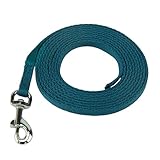
- BUILD GREAT HABITS FROM DAY ONE: Designed for Puppy & Mini dogs, this lightweight indoor line helps teach house manners, potty training and early recall through positive training.
- PERFECT FOR INDOOR TRAINING: The lightweight 8ft line gives Puppy & Mini dogs the freedom to move around the home while allowing gentle guidance, supervision and safe learning.
- SUPPORTS EVERYDAY LIFE SKILLS: Ideal for teaching potty training, greeting visitors calmly, preventing jumping up and chewing, introducing place training and building early recall.
- DESIGNED FOR PUPPIES & SMALL DOGS: Soft lightweight webbing, a secure trigger clip and a smooth snag-free finish provide comfortable everyday control without weighing down smaller dogs.
- PART OF THE COACHI TRAINING SYSTEM: Designed to work with Coachi Puppy & Mini Natural Training Treats, Reward Toys and the Whizzclick to build confidence through positive, reward-based training.


- GO HERE SPRAY: Protect your floors and lawn with OUT Attractant Spray for Dogs; Simply spray where you want your pup to go—indoors or out—to help guide their potty habits and make housetraining easier, cleaner, and more consistent every day
- PET CORRECTOR FOR POTTY TRAINING: Speed up house training with OUT Attractant Spray, which encourages your dog to eliminate only in designated areas; Help keep off-limits spots off-limits and make potty training more efficient for you and your pup
- INDOOR AND OUTDOOR SPRAY: This dog pee spray applies quickly to any surface, making it good for use with training pads and on outside areas; Made with natural ingredients, it is made with no harmful chemicals and completely pet & family safe
- EASY TO USE: Simply point, spray, and step back With consistent use alongside praise, encouragement, and love, your beloved pooch will be housebroken in no time; It’s a simple, effective way to make potty training easier for both you and your dog
- PUPPY POTTY TRAINING: At OUT, we’re committed to providing safe, affordable pet care products that really work; Don’t stress the mess—just keep loving your puppy, and we’ll be here to support you every step of the way on your potty training journey

- Bell are made of premium quality material, the surface of bell adopt Plating coating technology to keep it shine and don't rust. Inside ball is made of premium stainless steel to make jingle sounds clear and crisp. Jingle jingle jingle sweet sound.
- Sturdiness and Durability. Belt is made from heavy duty nylon material and tested thoroughly for durability. The connection parts are well-made, solid and reliable. Belts are excellently sewed; the connection parts of the bells and snap points are thick made from premium material.
- The length can be adjusted in three levels. 3 snaps/buttons for longer range of length adjustment, adjust the belt according to dog size.
- Train your dog to ring a bell to go outside or potty with our Luckyiren dog bells, it's an easier way, fun and win-win way for your dog to communicate with you instead of barking and scratching.
- Important note: This product requires dogs to complete the training process in the instructions to achieve the desired effect.

- Create a Custom Agility Course for Your Dog! This set includes 12 cones and 6 sturdy rods—mix and match to design unlimited training layouts perfect for any space.
- Adjustable Jumps for All Skill Levels: The agility cone stands 12 inches tall, with rods that let you easily set three jump heights.This design lets you customize the difficulty of each obstacle to match your dog's current training level and ability.
- Built to Last & Easy to Take Anywhere: Made from tough yet lightweight plastic, this dog agility set stores in no time—cones nest neatly together, and everything sets up or packs away in minutes. Ideal for indoor practice or backyard fun!
- Train Your Way: Use the set to create jumps, weave poles, or zig-zag tunnel guides. Turn any area into an engaging agility course that keeps your dog mentally stimulated and eager to learn. The low-height setting also supports safe rehabilitation exercises.
- Enhance Agility & Strengthen Your Bond: Watch your dog build confidence, speed, and coordination! This dog agility equipment offers essential physical and mental exercise while creating fun, rewarding training sessions you’ll both enjoy.


Your Guide to At-Home Dog Training Success
Bringing a new dog home is exciting! You want to teach them good manners and build a strong bond. At-home dog training can be a fun and rewarding experience. This guide will help you choose the right tools and understand what makes a training program work.
Key Features to Look For
1. Clear and Consistent Instruction
Good training programs give you step-by-step instructions. They break down commands into easy steps. This helps you understand exactly what to do. Look for programs that use positive reinforcement. This means rewarding your dog for good behavior.
2. Variety of Training Modules
Your dog will need to learn many things. They need to learn basic commands like “sit” and “stay.” They also need to learn about potty training and leash walking. A good program covers all these areas. It should also offer tips for common behavior problems.
3. Engaging Content
Training should be fun for both you and your dog. Look for programs with videos, diagrams, or interactive exercises. These make learning more enjoyable. Dogs respond well to different teaching methods.
4. Support and Community
Sometimes you might have questions or need extra help. Some training programs offer access to trainers or online communities. This can be a great resource when you get stuck.
Important Materials
You don’t need a lot of fancy stuff to start. Here are some helpful items:
- High-Value Treats: Small, tasty treats your dog loves.
- Clicker: A small device that makes a clicking sound.
- Leash and Collar/Harness: For walks and safety.
- Training Pouch: To keep treats handy.
The most important material is your time and patience. Consistency is key in dog training.
Factors That Improve or Reduce Quality
Improving Quality:
- Positive Reinforcement: Rewarding good behavior makes dogs eager to learn.
- Short, Frequent Sessions: Dogs have short attention spans.
- Consistency: Everyone in the house uses the same commands and rules.
- Understanding Your Dog: Every dog learns at a different pace.
Reducing Quality:
- Harsh Punishment: This can scare your dog and damage your bond.
- Inconsistency: Confusing your dog with mixed signals.
- Long, Boring Sessions: This makes your dog lose interest.
- Not Practicing Enough: Dogs need regular practice to remember.
User Experience and Use Cases
At-home dog training is perfect for busy families. It allows you to train your dog on your own schedule. It’s also great for people who prefer a quieter learning environment for their dog. You can train a puppy or an older dog.
Common use cases include:
- Potty training a new puppy.
- Teaching basic obedience commands.
- Addressing common issues like jumping or barking.
- Strengthening the bond between you and your dog.
A good at-home training program empowers you to be your dog’s best teacher. It helps build a happy, well-behaved companion.
Frequently Asked Questions (FAQ)
Q: What are the main Key Features to look for in at-home dog training?
A: You should look for clear, step-by-step instructions, a variety of training modules covering different skills, engaging content like videos, and support from trainers or a community.
Q: What are the most important materials needed for at-home dog training?
A: The most important materials are high-value treats, a clicker, a leash and collar/harness, and a training pouch. Your time and patience are also crucial.
Q: How can I improve the quality of my at-home dog training sessions?
A: Improve quality by using positive reinforcement, keeping training sessions short and frequent, being consistent with commands, and understanding your dog’s individual learning pace.
Q: What factors can reduce the quality of at-home dog training?
A: Factors that reduce quality include using harsh punishment, being inconsistent with training, having long and boring sessions, and not practicing commands regularly.
Q: What is a common use case for at-home dog training?
A: A common use case is potty training a new puppy or teaching basic obedience commands to any dog.
Q: Can I use at-home training for an older dog?
A: Yes, at-home training can be very effective for older dogs. They can learn new tricks and behaviors.
Q: How long should a training session be?
A: Training sessions should be short, usually 5-10 minutes, especially for puppies. You can have several short sessions throughout the day.
Q: Is positive reinforcement the best method?
A: Yes, positive reinforcement is widely considered the most effective and humane method for dog training. It builds trust and makes learning enjoyable.
Q: What if my dog doesn’t seem to learn?
A: If your dog isn’t learning, try breaking the command down into even smaller steps. Ensure your treats are high-value enough. You might also need to adjust your timing or the way you give the command. If problems persist, seek advice from a professional trainer.
Q: How often should I practice commands?
A: You should practice commands regularly. Incorporate them into your daily routine. Short, frequent practice sessions are better than one long one.