
Can I use common household cleaners on dog poop stains? Yes, you can use common household cleaners like dish soap or vinegar, but specialized products work best for deep stains and odors. Dealing with dog poop on the carpet is never fun. Whether it’s a small accident or a major mess, you need a fast plan. This guide shows you the easy steps to clean up the mess. We will help you tackle fresh messes, dried spots, and lingering smells.
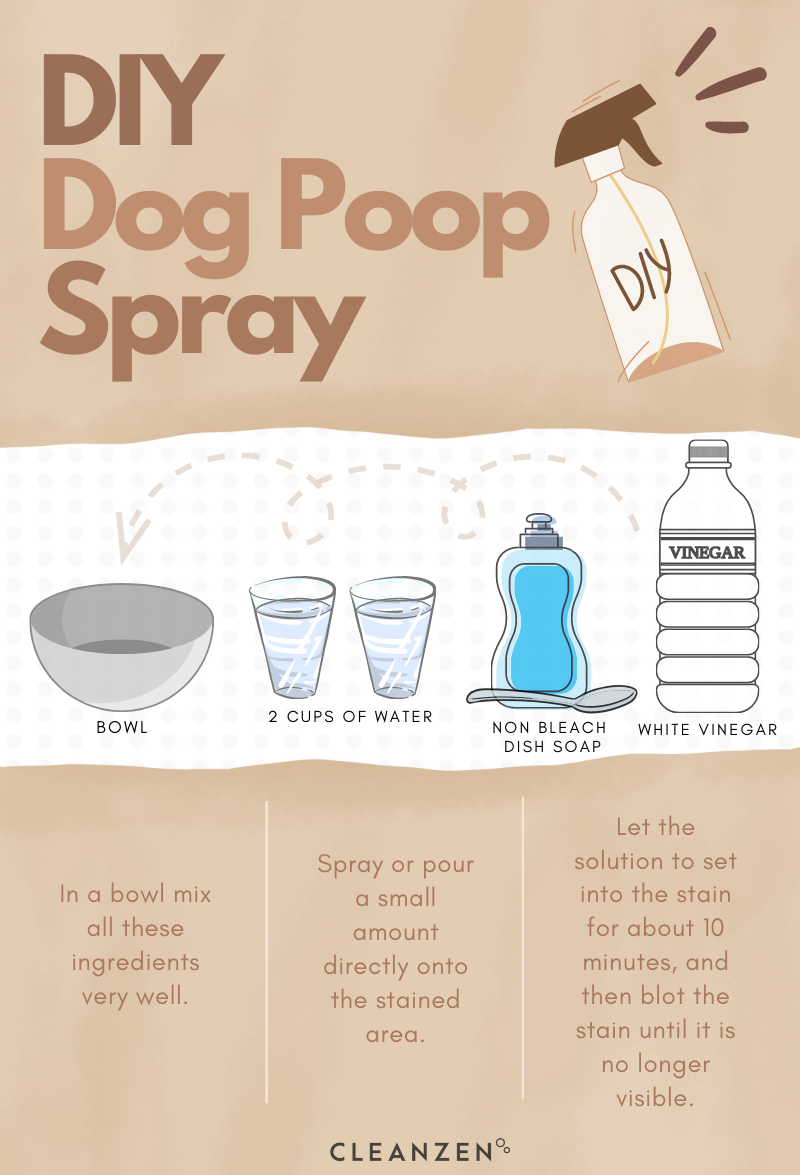
Image Source: cleanzen.com
Immediate Action: What to Do Right Away
When you find the mess, speed is key. The faster you act, the better your chances of total success.
Removing the Solid Waste
First, get the solid stuff off the carpet. Do not rub it in! Rubbing pushes the poop deeper into the carpet fibers and padding.
- Wear gloves: Always wear rubber or disposable gloves for hygiene.
- Scoop carefully: Use a dustpan, a piece of stiff cardboard, or a plastic bag turned inside out to scoop up the bulk of the poop. Get as much as you can without pressing down hard.
- Dispose properly: Place the waste in a plastic bag and tie it tightly before throwing it in the trash.
Dealing with Wet Messes and Residue
After removing the solids, you have wet residue left behind. This is where dog poop carpet stain removal starts.
Blotting the Area
Blotting lifts the moisture without spreading the stain.
- Use white cloths or paper towels: White material lets you see how much you are lifting. Avoid colored cloths, as the dye might transfer to your clean carpet.
- Press gently: Press the cloth onto the spot. Do not scrub. Let the towel soak up the moisture.
- Change cloths often: Keep using clean sections of the towel until no more color or moisture transfers.
Step-by-Step Cleaning: Tackling Fresh Dog Mess on Rug
Cleaning up fresh dog mess on rug requires a specific sequence of actions to prevent setting the stain.
The Dish Soap Solution
A simple solution of dish soap works well for breaking down the grease and grime in fresh poop.
- Mix your solution: Mix one teaspoon of clear, mild dish soap with two cups of warm water.
- Apply lightly: Dip a clean cloth into the solution. Wring it out so it is damp, not soaking wet.
- Dab the spot: Gently dab the stained area with the soapy cloth. Work from the outside edge of the stain toward the center. This stops the stain from spreading larger.
- Let it sit: Let the solution sit on the spot for about five minutes. This gives the soap time to work.
Rinsing the Soap Out
You must remove all soap residue. Leftover soap attracts dirt later, making a new dark spot.
- Use plain water: Dampen a fresh, clean cloth with plain, cool water.
- Blot again: Dab the area repeatedly with the water-dampened cloth. This lifts the soap out.
- Repeat until clear: Keep rinsing and blotting until you cannot feel any slipperiness or see any soap bubbles.
Advanced Cleaning: Enzymatic Cleaners for Dog Feces
For tougher stains, especially those that have soaked in, you need a stronger tool. Enzymatic cleaner for dog feces is the gold standard in pet mess cleanup.
Why Enzymes Work
Enzymatic cleaners contain special, good bacteria. These bacteria eat the organic matter in the poop and urine. This process destroys the stain source and the odor source at a molecular level.
- Break down proteins: Dog waste is full of proteins and fats. Enzymes break these down into simple, harmless substances.
- Odor elimination: Unlike perfumes that just mask smells, enzymes eliminate the source of the dog waste smell from rug.
How to Use Enzymatic Cleaners
Follow the product directions carefully. Most require plenty of saturation.
- Saturate the area: Pour or spray the enzymatic cleaner directly onto the soiled area. Make sure it soaks down as deep as the original mess did. If the poop went into the padding, the cleaner must reach the padding too.
- Allow dwell time: This is crucial. Enzymes need time to work. This can range from 15 minutes to several hours, depending on the product. Cover the spot with a damp towel or plastic wrap to keep the area wet during this time.
- Blot the excess: Once the dwell time is up, blot up the excess cleaner with clean, dry towels. Do not rinse with water immediately unless the product instructions tell you to.
Dealing with Difficult Messes: Cleaning Dog Diarrhea Out of Carpet
Cleaning dog diarrhea out of carpet is harder because it is watery and spreads easily. It needs quick action and strong stain removal power.
Handling Very Wet Diarrhea
If the diarrhea is very watery, you need to remove liquid first before treating the stain.
- Use an old towel: Place a thick, old towel over the area.
- Step on it: Stand on the towel to push the moisture up into the fabric. Let it soak for a minute, then lift and replace the towel. Keep doing this until little moisture transfers.
- Use a wet vac (if available): A wet/dry vacuum is excellent for sucking up large amounts of liquid diarrhea without rubbing it deeper.
Treating Set-In Diarrhea Stains
Diarrhea often leaves a yellow or brown pigment stain.
- Hydrogen Peroxide Mix (Test First!): For light-colored carpets, a mix of hydrogen peroxide and dish soap can lift color stains.
- Mix 1 part dish soap, 2 parts 3% hydrogen peroxide.
- Apply sparingly to the stain.
- Let it sit for 10 minutes.
- Blot thoroughly with a damp cloth.
- Warning: Always test peroxide on a hidden area first. It can bleach dark carpets.
The Best Method for Dog Poop on Carpet
The best method for dog poop on carpet combines mechanical removal, chemical action, and thorough rinsing. This multi-step process ensures both stain and odor removal.
| Step | Action | Purpose | Key Tool/Product |
|---|---|---|---|
| 1 | Scoop Solids | Remove bulk material without grinding it in. | Cardboard or dustpan |
| 2 | Blot Residue | Lift initial moisture and staining matter. | White paper towels |
| 3 | Apply Cleaner | Break down organic components and lift color. | Dish soap solution or Enzymatic Cleaner |
| 4 | Dwell Time | Allow the cleaner time to dissolve the stain fully. | Time! |
| 5 | Rinse | Remove all cleaning solution residue from fibers. | Cool, clean water |
| 6 | Dry Thoroughly | Prevent mildew growth and further odor issues. | Clean, dry towels and airflow |
Tackling Old Messes: Lifting Dried Dog Poop from Carpet Fibers
Lifting dried dog poop from carpet fibers requires softening the crusty material before cleaning. Trying to scrape hard, dry poop can damage or pull out the carpet fibers.
Softening the Dried Poop
You need moisture to rehydrate the dried mess.
- Hot Water Steam: Place a damp, clean towel over the dried spot. Gently press a warm iron (on the lowest steam setting) onto the towel for about 30 seconds. Do not let the iron touch the carpet directly. The heat and steam soften the material.
- Scrape Carefully: Once softened, use a dull knife or the edge of a credit card to gently scrape the material upward. Do not cut the fibers.
- Repeat if needed: If large chunks remain, re-dampen and repeat the softening process.
Post-Softening Treatment
Once the bulk is lifted, treat the remaining stain residue as a fresh stain, likely requiring an enzymatic cleaner for deep cleaning.
Natural Remedies for Dog Poop Stains
If you prefer not to use harsh chemicals, some natural remedies for dog poop stains can be effective, especially on lighter messes.
Vinegar Solution
White vinegar is a mild acid that helps dissolve residues and neutralizes odors naturally.
- Mix one part white vinegar with one part water.
- Spray or dab onto the stain after the solid mess is removed.
- Let it sit for 10 to 15 minutes.
- Blot thoroughly with clean water and dry towels.
Baking Soda for Odor and Mild Stains
Baking soda is great for absorbing smells and providing mild abrasive action if needed.
- Apply liberally: Once the area is damp from cleaning, cover the spot completely with dry baking soda.
- Let it work overnight: Leave the baking soda on the carpet for at least 8 hours, or preferably overnight.
- Vacuum: Vacuum up the dried baking soda thoroughly. This helps in deodorizing dog waste stains on carpet.
Deep Odor Control: How to Remove Dog Waste Smell from Rug
The smell is often the most lasting problem. Even if the stain is gone, lingering bacteria can cause a persistent odor.
The Power of Steam Cleaning (Carpet Cleaner Machine)
For severe or old messes, renting or using a home carpet cleaner is highly effective.
- Use the Right Solution: Fill the machine reservoir with hot water and an approved pet cleaning solution, ideally an enzymatic formula designed for machines.
- Slow Passes: Move the machine slowly over the area to allow the suction to pull up the contaminated water deep within the padding.
- Rinse Cycle: Run at least one pass over the area with only clean, hot water. This removes cleaning residue that might attract dirt later.
Air Circulation is Essential
Moisture left behind breeds mold and mildew, which smell terrible.
- Fans: Place floor fans directly facing the cleaned area.
- Open Windows: If the weather permits, open windows to increase fresh air exchange.
- Avoid Heat: Do not use high heat (like a hairdryer) directly on the spot, as heat can sometimes “bake” remaining odor molecules into the fibers.
Stain Management Table: Choosing Your Approach
The best product depends on the mess type and how long it has been there.
| Mess State | Recommended Initial Action | Best Treatment Product | Goal |
|---|---|---|---|
| Fresh, Small Mess | Blotting and scooping | Mild dish soap and water | Remove surface stain |
| Wet, Deep Stain | Maximum blotting | High-quality pet stain remover for upholstery and carpet (Enzymatic) | Break down organic matter |
| Dried, Old Stain | Softening with steam/moisture | Enzymatic cleaner applied after softening | Lift residue and soften fibers |
| Odor Only | Thoroughly saturate with enzyme cleaner | Enzymatic cleaner for dog feces | Destroy odor-causing bacteria |
Maintenance and Prevention
Once your carpet is clean, take steps to avoid future disasters.
Training and Supervision
The ultimate solution is preventing the accident.
- Frequent Breaks: Increase the frequency of potty breaks, especially after waking up, eating, or playing.
- Watch for Signs: Learn your dog’s signals—circling, sniffing the floor, or sudden restlessness.
- Crate Training: If you must leave your dog unsupervised for a short period, crate training helps keep accidents confined to an easily cleaned area, not the main carpet.
Protecting Valued Rugs
If you have expensive or delicate rugs, consider covering high-traffic areas with washable mats or runners until your dog is fully house-trained or has fewer accidents.
Finalizing the Cleanup: Drying and Inspection
Drying the area properly is the last, most important step. A damp carpet smells bad later and can support mold growth.
Ensuring Dryness
After blotting up all excess moisture from the cleaning process:
- Layer Towels: Place a thick stack of dry, absorbent towels over the cleaned area.
- Apply Weight: Place a heavy object (like a stack of books or a chair) on top of the towels. This presses the remaining moisture into the towels.
- Check After an Hour: Remove the weight and towels. If the towels are damp, repeat the process with fresh, dry towels until no moisture transfers.
Final Inspection
Once dry, inspect the area in good light. If you still see a faint stain or notice a lingering smell when you kneel down close to the spot, it means the cleaning agent did not reach deep enough, or the odor source remains. Re-treat with an enzymatic cleaner and ensure maximum saturation and dwell time.
Frequently Asked Questions (FAQ)
Q: Will hydrogen peroxide damage my dark carpet when treating stains?
A: Yes, hydrogen peroxide is a bleaching agent. It can lighten or remove color from dark or brightly colored carpets. Always test it first on a hidden spot, like inside a closet or under a piece of furniture. Use it sparingly and blot thoroughly.
Q: How long does it take for an enzymatic cleaner to fully work?
A: While initial cleaning happens quickly, the enzymatic breakdown process takes time. Allow for at least 15 minutes dwell time, but for severe odors, leaving it covered for several hours or even overnight often yields the best results for total odor removal.
Q: My dog pooped on the carpet right after a rainstorm, and the poop was muddy. What do I do?
A: Mud mixes with the waste, making the stain larger. First, let the mud dry slightly, then carefully scrape off the solid, muddy chunks. Then, treat the remaining mud stain as a fresh mess using the dish soap solution before moving to enzyme treatment if needed.
Q: Is it safe to use ammonia to clean up dog waste?
A: No. Ammonia smells similar to urine to dogs. Using it can actually encourage your dog to mark the same spot again. Stick to enzymatic cleaners or mild soap solutions.
Q: What if the poop soaked through the carpet and padding?
A: If the mess is deep, standard surface cleaning will not remove the smell. You must use a high-quality enzymatic cleaner that saturates the area completely, reaching the subfloor if possible. If the smell persists after treatment, you may need a professional carpet cleaner or potentially replacing the affected section of padding.