
What causes a dog to vomit and have diarrhea? A dog might vomit and have diarrhea due to many things. These range from simple diet changes to serious infections or illnesses. Often, it is caused by something the dog ate, but sometimes it points to a deeper health issue needing a vet’s help.
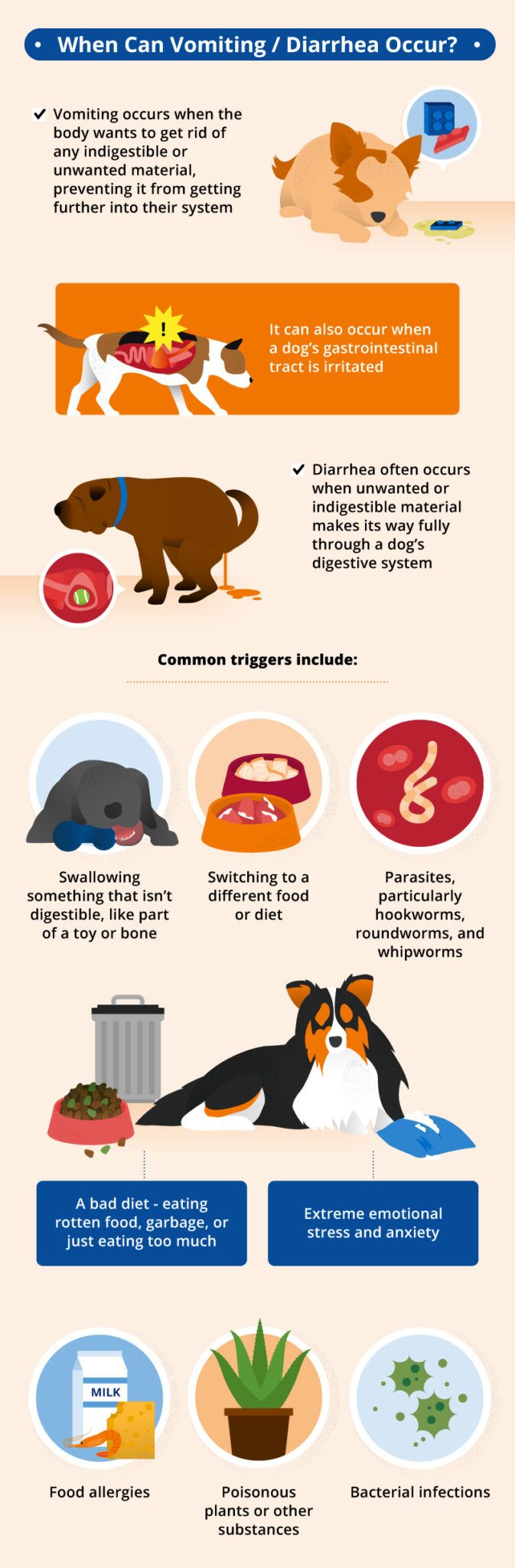
Image Source: cdn-ilbfemn.nitrocdn.com
Recognizing the Signs: Canine Vomiting and Diarrhea Symptoms
When a dog has tummy trouble, owners often see specific signs. Knowing these canine vomiting and diarrhea symptoms helps you decide when to call the veterinarian.
Common Signs of Stomach Upset
Vomiting and diarrhea are the main signs. But other things usually show up too:
- Vomiting: This can be sudden. The dog might heave or bring up food or bile.
- Diarrhea: Stool is loose, watery, or mushy. It might happen often.
- Lethargy: Your dog seems tired or less active than usual.
- Loss of Appetite: They refuse to eat their normal food.
- Abdominal Pain: The dog might guard its belly or look uncomfortable when touched.
- Dehydration: Signs include dry gums or skin that stays tented when gently pinched.
Deciphering Common Causes of Digestive Distress
Many things can trigger these symptoms. Pinpointing the dog stomach upset causes is the first step to helping your pet feel better.
Dietary Indiscretion: Eating Something Bad
This is one of the most frequent culprits. Dog eating something bad symptoms usually show up quickly, often within a few hours of ingestion. Dogs explore the world with their mouths. They might eat spoiled food, trash, or things they find outside.
- Garbage Gut: Eating rancid food upsets the balance in the gut.
- Table Scraps: Rich, fatty human foods cause irritation.
- Foreign Objects: Swallowing toys, bones, or fabric can block the digestive tract. This is serious.
Sudden Food Changes and Intolerances
Switching your dog’s food too fast can cause trouble. Their gut needs time to adjust to new ingredients. This leads to temporary upset.
Sometimes, it is not the switch but the ingredients themselves. This points to dog food intolerance signs.
- Protein Sources: A dog may be sensitive to certain meats (like chicken or beef).
- Grains or Fillers: Some dogs react poorly to corn, wheat, or soy.
- Additive Sensitivity: Dyes or preservatives might cause a reaction.
Treatment for dietary indiscretion dog treatment often starts with withholding food briefly to let the stomach rest. Then, a bland diet is slowly reintroduced.
Internal Threats: Parasites and Infections
Germs and creepy crawlies are major reasons for severe digestive upset.
Parasites Causing Dog Vomiting and Diarrhea
Many microscopic critters live in the intestines. They cause inflammation and irritation, leading to sickness.
- Worms: Roundworms, hookworms, and whipworms are common. These are often picked up from the mother or contaminated soil.
- Protozoa: Giardia and Coccidia are single-celled parasites. They cause watery, sometimes bloody, diarrhea. These are classic parasites causing dog vomiting and diarrhea.
Viral Infections Causing Dog GI Upset
Viruses attack the lining of the digestive tract, causing severe symptoms. These are often contagious.
- Parvovirus: This is very serious, especially in puppies. It causes severe, bloody diarrhea and vomiting.
- Coronavirus: A less severe virus that typically causes mild vomiting and diarrhea.
- Rotavirus: Can cause acute digestive issues in young dogs.
Bacteria and Toxins
Bacteria thrive in spoiled food or contaminated water.
- Salmonella and E. coli: These bacteria can come from raw meat or contaminated environments. They cause strong symptoms.
- Toxin Ingestion: Certain plants, chemicals, or toxins (like antifreeze) cause sudden, violent vomiting and diarrhea.
Interpreting Serious Health Conditions
When vomiting and diarrhea are persistent or severe, it may signal a major health crisis. These conditions require immediate veterinary care.
Pancreatitis in Dogs
The pancreas helps digest food. If it gets inflamed, it causes intense pain and digestive failure. Pancreatitis symptoms in dogs often include:
- Repeated, intense vomiting.
- Diarrhea.
- A “prayer position” posture (front legs down, rear end up).
- Painful, tense abdomen.
- Fever.
High-fat meals are a common trigger for pancreatitis.
Hemorrhagic Gastroenteritis (HGE)
HGE is frightening because it develops very fast. It causes sudden, profuse vomiting and diarrhea that looks like raspberry jam or dark red jelly. This is serious because it leads to rapid dehydration and shock. Hemorrhagic gastroenteritis dog causes are not fully known, but stress or dietary changes are often linked.
Inflammatory Bowel Disease (IBD)
IBD is a long-term condition. It involves chronic inflammation of the gut lining. Symptoms might wax and wane over months or years. It is an immune system issue where the body attacks its own digestive tract.
Obstructions
If a dog swallows a non-food item (like a sock or a large bone fragment), it can get stuck. This blockage stops food and liquid from passing. Symptoms are relentless vomiting (often after drinking water) and an inability to pass stool. This is a medical emergency.
Analyzing the Causes of Acute Dog Diarrhea and Vomiting
When symptoms strike suddenly, we look at causes of acute dog diarrhea and vomiting. Acute means it started suddenly and usually lasts less than 48 hours.
Sudden Onset Triggers
| Trigger Category | Specific Examples | Key Feature |
|---|---|---|
| Dietary | Eating rich foods, sudden food change. | Often resolves in 1-2 days. |
| Infectious | Parvovirus, bacterial bloom. | Usually involves fever or lethargy. |
| Toxin/Poison | Household chemicals, certain plants. | Very sudden and severe vomiting. |
| Stress | Boarding, moving house, loud noises. | Often seen in sensitive breeds. |
Stress colitis is an acute reaction to anxiety. The dog gets sudden, soft stools, often with mucus or fresh blood, but usually stops vomiting.
When to Seek Veterinary Help
Not all tummy troubles need a vet visit immediately. Mild, short episodes can often be managed at home. However, certain signs mean you need professional care right away.
Emergency Situations
Call your vet immediately if you see any of these signs:
- Blood in Vomit or Stool: Large amounts of bright red blood or dark, tarry stools (which indicate digested blood).
- Persistent Vomiting: The dog cannot keep water down for more than 12 hours.
- Severe Lethargy or Collapse: The dog seems weak or unresponsive.
- Known Toxin Ingestion: If you know the dog ate something poisonous.
- Signs of HGE: Sudden, profuse, bloody diarrhea.
- Pain: The dog cries out when you touch its belly.
When Observation is Okay (For Mild Cases)
If your dog is still drinking, bright-eyed, and has only had one or two episodes of vomiting or soft stool, you can often monitor them for 12-24 hours while implementing supportive care.
Home Care Strategies for Mild Upset
If the case is mild and your vet agrees, you can try supportive care at home. This focuses on resting the gut and preventing dehydration.
Resting the Stomach
The goal is to let the irritated stomach lining heal.
- Fasting: Withhold all food for 12 to 24 hours for adult dogs. This gives the digestive tract a complete break. Never fast puppies or very small dogs for long periods; consult your vet first.
- Water: Offer small amounts of water frequently, rather than a large bowl all at once, which can trigger more vomiting. Ice chips can also help prevent gulping.
Reintroducing Food: The Bland Diet
After the fast, slowly reintroduce food. A bland diet is easy to digest. It gives the gut necessary nutrients without causing extra irritation.
A standard bland diet includes:
- Protein Source: Plain, boiled, skinless, boneless chicken breast OR lean ground beef cooked without any fat or seasoning.
- Carbohydrate Source: Plain white rice (cooked very soft) OR plain boiled sweet potato.
Bland Diet Ratio: Aim for about 2 parts carbohydrate to 1 part protein.
Start with a tablespoon of this mixture every few hours. If the dog keeps it down for 24 hours, slowly increase the amount and decrease the feeding frequency, moving toward their normal meals over 3-4 days.
Preventing Future Digestive Issues
Prevention is always better than treatment. Minimized risk factors can keep your dog’s stomach happy.
Controlling Access to Food
- Secure Trash Cans: Use locking lids or keep bins in cabinets.
- Puppy-Proofing: Keep small objects, especially those that can break apart, away from curious mouths.
- Leash Control: Keep your dog on a leash when walking in new areas to prevent scavenging.
Smart Feeding Practices
- Slow and Steady Food Transitions: When switching brands or flavors, mix the new food into the old food gradually over 7 to 10 days.
- Avoid Fatty Treats: Human leftovers, especially fatty meat trimmings, should be strictly avoided to reduce the risk of pancreatitis.
- Regular Parasite Control: Keep up-to-date on vet-prescribed dewormers and flea/tick prevention, as many can help control internal parasites.
Specialized Treatments for Specific Ailments
Veterinary medicine offers targeted treatments based on the exact cause of the sickness.
Treating Infections and Parasites
If worms or protozoa are found through a fecal test, the vet will prescribe specific medications (anthelmintics for worms, antiprotozoals for Giardia). Bacterial infections may need antibiotics.
Managing Chronic Issues
For chronic conditions like IBD, treatment often involves long-term management:
- Prescription Diets: Highly digestible or novel protein diets.
- Immunosuppressants: Medications to calm the overactive immune system in the gut.
- Probiotics: To restore healthy gut flora.
Interpreting Lab Results
When a vet runs tests, the results help confirm or rule out serious conditions.
Blood Work
A complete blood count (CBC) can show if there is infection (high white blood cell count) or severe dehydration (high packed cell volume). Chemistry panels check organ function, especially important if pancreatitis is suspected.
Fecal Analysis
This is crucial for identifying parasites causing dog vomiting and diarrhea. The lab technician looks for eggs or cysts under a microscope.
X-rays and Ultrasound
These imaging tools are vital if an obstruction is suspected. They show foreign bodies or physical changes in the intestines or pancreas.
Comprehending Fluid Balance
Dehydration is the greatest immediate danger when a dog has prolonged vomiting and diarrhea. Fluids are lost rapidly through both ends.
- Assessment: The vet checks skin turgor and gum moisture.
- Intervention: Mild dehydration might be managed with oral electrolyte solutions (like unflavored Pedialyte, if the dog can keep it down). Severe dehydration requires subcutaneous (under the skin) or intravenous (IV) fluids at the clinic.
Frequently Asked Questions (FAQ)
How long should I wait before taking my dog to the vet for vomiting?
If your adult dog vomits once or twice but is otherwise acting normal, wait 12 hours while withholding food. If vomiting continues, or if the dog shows lethargy or refuses water, call the vet immediately. For puppies or senior dogs, call sooner, usually after just one episode.
Can stress cause my dog to vomit and have diarrhea?
Yes. High stress or anxiety, often called stress colitis, can cause acute bouts of diarrhea, sometimes with streaks of blood or mucus. It is a common reaction to environmental changes.
What is the difference between regurgitation and vomiting?
Regurgitation is passive. Food comes up easily without forceful abdominal contractions, often shortly after eating. Vomiting is an active process involving heaving and stomach muscle contractions.
Is diarrhea that looks like brown water serious?
Watery brown diarrhea, especially if frequent, means the lower intestine is irritated and not absorbing water. This can lead to quick dehydration and requires prompt attention, especially if the dog is also vomiting.
Can I give my dog Pepto-Bismol for diarrhea?
Never give your dog medication without veterinary approval. Pepto-Bismol contains salicylates (related to aspirin) which can be toxic to dogs, especially those with underlying kidney issues or those already bleeding internally.