
When your dog keeps dry coughing, it often means something is bothering their throat or airways. This type of cough is usually harsh, dry, and hacking, and it doesn’t produce mucus. If your dog has a dog dry hacking cough that won’t go away, you should talk to your vet.
A dry cough in dogs can range from a minor irritation to a sign of a serious health problem. Deciphering the exact reason requires looking closely at when the cough happens, what your dog sounds like, and if they have other signs. Many people confuse a canine reverse sneezing vs coughing, which is important to tell apart. Reverse sneezing usually sounds like snorting or gagging, while a true cough is a forced expulsion of air.
This guide will explore the common reasons for your dog’s persistent dry cough, how to spot the signs, and what steps you need to take for treatment.
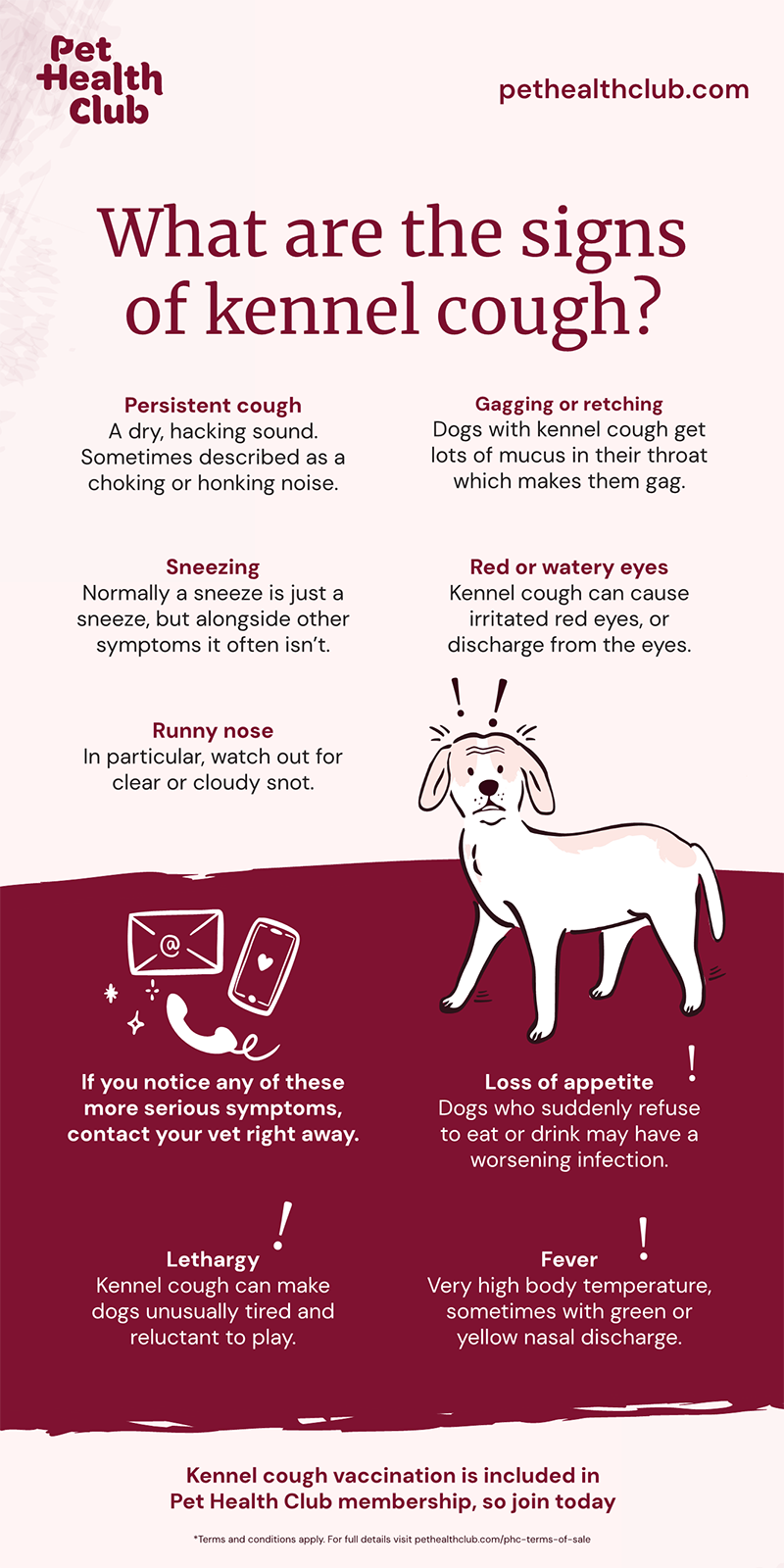
Image Source: images.ctfassets.net
Fathoming the Causes of a Dog’s Persistent Dry Cough
There are many causes of dog’s persistent dry cough. Some are mild and temporary. Others need prompt medical care. Knowing the source helps determine the right action plan.
Infectious Causes: The Role of Bacteria and Viruses
Infections are a frequent culprit behind sudden or short-term dry coughing.
Canine Infectious Tracheobronchitis (Kennel Cough)
This is one of the most common reasons for a harsh, dry cough. Dog kennel cough symptoms often start abruptly. The cough is typically described as a “honking” sound, like something is stuck in the dog’s throat.
- Cause: It is highly contagious. It usually involves the bacteria Bordetella bronchiseptica or various viruses like parainfluenza.
- When it occurs: Often worse after excitement, exercise, or pulling on a leash.
- Other signs: Sometimes dogs may gag or retch afterward.
Other Respiratory Infections
Other viruses or bacteria can also inflame the airways, leading to a dry cough until the infection clears up.
Airway Structure Issues
Problems with the physical structure of your dog’s windpipe or throat can cause chronic irritation and coughing.
Tracheal Collapse
This condition is common in small breeds, like Yorkshire Terriers or Pomeranians. The rings supporting the trachea (windpipe) weaken and flatten. This causes the airway to narrow, especially when the dog breathes in hard or exerts itself.
- Sound: The cough often sounds like a goose honk.
- Triggers: Excitement, drinking water, or leash pressure often sets it off.
- Progression: It is a progressive disease, meaning it usually gets worse over time.
Laryngeal Paralysis
This condition affects the nerves controlling the voice box (larynx). If the muscles don’t work well, the airway doesn’t open fully when breathing. This can lead to noisy breathing and coughing fits.
Environmental Irritants and Allergies
Sometimes the problem is not inside the dog but in the air around them. This irritation leads to a dog airway irritation cough.
- Smoke and Fumes: Exposure to cigarette smoke, strong cleaning chemicals, or air pollution can inflame the delicate lining of the throat.
- Dust and Mold: Allergens like dust mites, pollen, or mold spores can trigger allergic reactions in the airways, resulting in chronic dry coughing.
- Perfumes and Scents: Strong air fresheners or perfumes can be severe irritants for sensitive dogs.
Heart Conditions
When the heart isn’t pumping blood as strongly as it should, fluid can back up into the lungs. While this often leads to a wet, productive cough later on, early or specific heart issues can present as a dry cough.
- Congestive Heart Failure (CHF): While typically wet, early signs might be mistaken for a dry cough, especially when the dog lies down. The cough may worsen at night.
Foreign Objects or Masses
If your dog suddenly starts coughing severely, they might have inhaled something small, like a piece of grass, a seed, or a small toy fragment. This can cause immediate distress and intense coughing as the dog tries to clear the blockage.
Tumors in the chest or throat area can also press on the airway, triggering a persistent dry cough.
Other Less Common Causes
- Aspiration Pneumonia (Early Stage): If fluid or food goes down the “wrong pipe” (trachea instead of the esophagus), it can cause irritation and dry coughing before full infection sets in.
- Heartworm Disease: While often presenting with other signs, inflammation caused by heartworms in the pulmonary arteries can lead to coughing.
Recognizing the Symptoms: More Than Just a Cough
To help your vet diagnose the issue, look closely at the specifics of the cough and any other behaviors. When your dog won’t stop coughing, you need more clues.
Describing the Cough Sound
The quality of the cough tells a big story. A dry cough is often non-productive, meaning no mucus or phlegm comes up.
| Cough Type | Description | Potential Cause |
|---|---|---|
| Honking/Goose-like | Loud, harsh sound, often followed by a gag. | Tracheal Collapse, Kennel Cough |
| Dry Hacking | Repetitive, short, forceful bursts. | Mild Irritation, Early Kennel Cough |
| Bark-like | Sudden, sharp, single or short bursts. | Laryngeal irritation |
| Retching/Gagging | Sounds like they are trying to bring something up but fail. | Post-tussive gagging, Foreign Body |
Observing When the Cough Happens
Timing is key in determining the causes of dog’s persistent dry cough.
- Coughing when excited or pulling: Strongly suggests tracheal or laryngeal issues exacerbated by neck pressure or high exertion.
- Coughing when lying down or sleeping: This is a major warning sign, often pointing toward heart disease or fluid accumulation that worsens when the chest is flat.
- Coughing after drinking water: Could indicate laryngeal weakness or aspiration problems.
Distinguishing Coughing from Reverse Sneezing
It is vital to know the difference between a cough and a reverse sneeze. If your dog sounds like choking, it might be a reverse sneeze rather than a true cough.
| Feature | Coughing | Reverse Sneezing (Pharyngeal Gag Reflex) |
|---|---|---|
| Sound | Forced expulsion of air, deep or harsh. | Snorting, gasping, loud inhales. |
| Movement | Abdominal thrusts, body usually still. | Neck extended forward, body often rigid. |
| Purpose | Clear throat/airway of irritant/mucus. | Clear the back of the throat (nasopharynx). |
| Duration | Can last for seconds or multiple bouts. | Usually lasts 10–30 seconds, then stops suddenly. |
If your dog is dog wheezing and coughing, it suggests that air is struggling to move through narrowed lower airways (bronchial tubes), which is different from the upper airway irritation causing a simple dry cough.
Associated Symptoms
Look for any other signs accompanying the cough:
- Lethargy or reduced appetite: Suggests the dog feels unwell, possibly due to infection or pain.
- Nasal discharge: More common with infectious causes like kennel cough.
- Difficulty breathing (Dyspnea): If your dog is struggling to catch their breath, seek emergency care immediately.
- Blue tinge to gums (Cyanosis): A critical emergency indicating low oxygen levels.
Seeking Professional Help: When to Contact Your Veterinarian
You should always consult your vet if the cough lasts more than a few days, is severe, or is accompanied by other worrying signs. Prompt veterinarian advice dog coughing is essential for accurate diagnosis.
When is it an Emergency?
If you observe any of the following, go to an emergency vet right away:
- Gums turning blue or pale.
- Extreme difficulty breathing—gasping for air.
- Coughing fits so severe the dog collapses.
- If the cough started suddenly after eating or playing outdoors (possible foreign body).
Diagnostic Tools Vets Use
Your vet will perform a thorough physical exam. They will listen carefully to your dog’s heart and lungs. Depending on their initial findings, they might suggest further testing to pinpoint the causes of dog’s persistent dry cough:
- Chest X-rays (Radiographs): These look at the size of the heart and check the lungs for signs of pneumonia, fluid build-up, or masses.
- Blood Tests: These can check for signs of infection or inflammation.
- Laryngoscopy/Tracheoscopy: For chronic cases, the vet might use a scope to look directly at the larynx and trachea to check for collapse, paralysis, or foreign objects.
- Heartworm Test: Necessary if the geography or lifestyle suggests exposure risk.
Treatment Options for Dog Coughs
The treatment for dog’s dry cough depends entirely on the confirmed cause. Treating kennel cough is different from managing tracheal collapse.
Treating Infectious Causes (Kennel Cough)
If an infection is diagnosed, treatment focuses on managing symptoms and clearing the pathogen.
- Antibiotics: Often prescribed, especially if the cough is severe or the dog is vulnerable, to clear up secondary bacterial infections or treat Bordetella.
- Cough Suppressants: Medications like Dextromethorphan or Benzonatate can help calm the cough reflex, especially if the dog is losing sleep or becoming exhausted from coughing.
- Rest and Isolation: Keeping the dog quiet and away from other dogs is crucial to prevent spreading the illness.
Managing Airway Structural Issues
For conditions like tracheal collapse or laryngeal paralysis, management often involves long-term supportive care rather than a “cure.”
- Tracheal Collapse Management:
- Weight Control: Keeping the dog lean reduces strain on the airways.
- Harnesses Only: Switching from collars to harnesses completely removes pressure from the neck.
- Medications: Cough suppressants, anti-inflammatories, and sometimes bronchodilators (to open the airways) may be used.
- Surgery: In severe, unresponsive cases, surgical rings or stents can sometimes be placed to support the trachea.
- Laryngeal Paralysis Management:
- Airway Procedures: Surgery to tie back the paralyzed laryngeal folds can open the airway, making breathing and swallowing easier.
Addressing Environmental Irritation
If the cause is an external irritant, the treatment is straightforward: removal of the trigger.
- Switch to unscented, dust-free cat litter (if applicable).
- Stop using harsh chemical cleaners.
- Use HEPA air filters indoors.
- For allergies, the vet might prescribe antihistamines or steroids to calm the dog airway irritation cough.
Treating Coughs Related to Heart Disease
If heart disease is the underlying issue, treatment focuses on managing the heart condition.
- Diuretics: Medications to remove excess fluid from the lungs.
- ACE Inhibitors and Positive Inotropes: Drugs to help the heart pump more efficiently.
- Cough Suppressants: Used cautiously alongside heart medications if the cough is disruptive.
Supportive Care at Home
Even while seeking veterinarian advice dog coughing, you can provide supportive care to make your dog more comfortable.
Humidification and Steam Therapy
Dry air makes dry coughs worse. Increasing moisture in the air can soothe the irritated throat lining.
- Run a hot shower and let the bathroom steam up (do not put the dog in the shower). Sit with your dog in the steamy room for 10–15 minutes, two to three times a day.
- Use a cool-mist humidifier near your dog’s resting area, especially at night.
Diet and Hydration Adjustments
Ensure your dog is drinking plenty of fresh water. Dehydration can thicken any residual mucus or make throat dryness worse.
If your dog coughs right after eating or drinking, try:
- Slightly warming the food: This may make it easier to swallow.
- Adding water or low-sodium broth: Moistening dry kibble prevents throat irritation during swallowing.
- Elevated Bowls: Using raised feeding bowls can sometimes help dogs with structural neck or throat issues swallow more comfortably.
Leash Etiquette
If you suspect a collar is triggering the cough (common with tracheal collapse), immediate changes are necessary.
- Use a well-fitted harness: Ensure the straps do not put any pressure near the throat area.
- Avoid pulling: Keep walks calm and short, especially during the initial coughing period.
Frequently Asked Questions (FAQ)
How long does a dry cough last in dogs?
If the dry cough is due to a mild irritation or the beginning stages of kennel cough, it might resolve on its own within 7 to 10 days. However, if it persists beyond two weeks, or if it is a recurring issue, it suggests a chronic problem like tracheal collapse or allergies, requiring ongoing management.
Can I give my dog human cough syrup for a dry cough?
No, you should never give your dog human cough medicine without explicit instruction from your veterinarian. Many human cold and cough medicines contain ingredients like Acetaminophen (Tylenol) or ingredients that are toxic to dogs, or the dosage required for humans is dangerous for dogs. Always seek veterinarian advice dog coughing before administering any medication.
Why does my dog sound like choking but it’s not a cough?
If your dog sounds like choking but the sound is a rapid, repeated snorting sound with the neck extended, it is likely a reverse sneeze. This reflex is usually harmless, though it can be frightening to witness. If the dog actually cannot breathe (struggling to inhale), it is a true emergency.
What is the best treatment for dog wheezing and coughing?
If your dog is dog wheezing and coughing, this suggests lower airway involvement, possibly asthma, heart issues, or severe inflammation. Treatment will require veterinary diagnosis, likely involving chest X-rays. It often involves anti-inflammatory medications (like steroids) or bronchodilators to open the small airways.
Are antibiotics always needed for a dog dry hacking cough?
Not always. If the cause is viral (like early kennel cough) or non-infectious (like tracheal collapse), antibiotics are ineffective and unnecessary. Antibiotics are reserved for confirmed bacterial infections or to prevent secondary infections in dogs with compromised respiratory systems.
Can stress cause a dog to start coughing?
Yes. Stress, excitement, or sudden bursts of activity can certainly trigger coughing fits, especially in dogs with underlying structural issues like tracheal collapse, as excitement often leads to rapid, deep breaths which exacerbate the condition. This is a form of dog airway irritation cough brought on by exertion.