
Yes, your dog panting for no apparent reason at night can be worrying, but it often stems from manageable issues like a warm room or mild anxiety, though sometimes it signals a serious medical problem needing immediate attention.
Many dog owners wake up to the sound of their dog panting heavily. This sound can be alarming, especially when the room feels cool and your dog seems otherwise fine. Nocturnal dog panting causes range from simple environmental factors to more complex health issues. It is crucial to figure out what is driving this behavior so you can help your furry friend rest easy.
This guide will help you explore the common and serious reasons for excessive dog panting at night. We will look at simple fixes and when it’s time to call the vet.
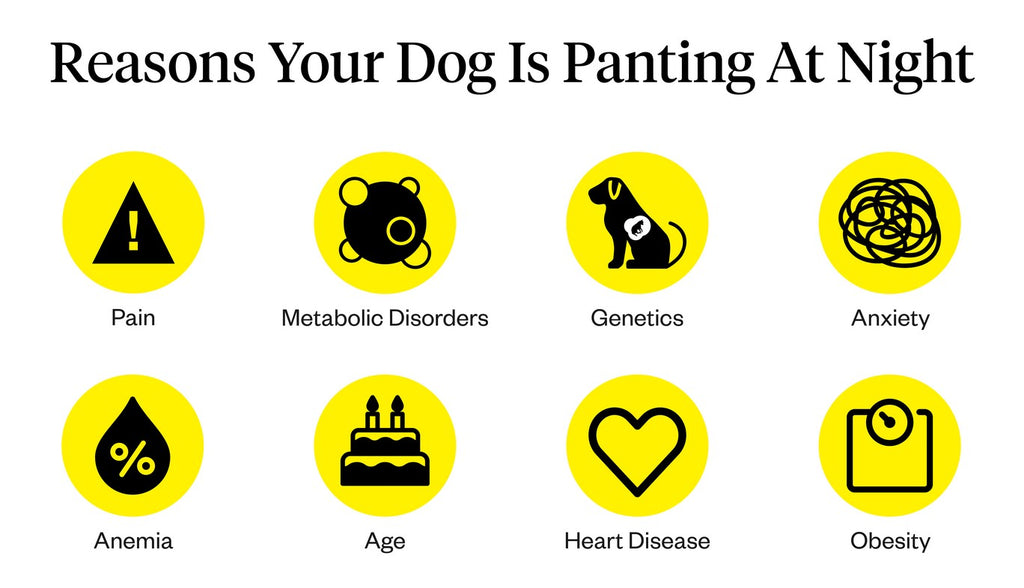
Image Source: cdn.shopify.com
Gauging Normal vs. Concerning Panting
First, we need to separate normal panting from panting that signals trouble. Dogs pant to cool down. If your dog has been active or the room is hot, panting is normal cooling behavior. However, restless dog panting for no reason when resting in a cool space is what concerns us.
Signs of Normal Nighttime Panting
- Brief duration: It stops once the dog settles or the temperature drops.
- Calm demeanor: The dog is lying down, not pacing or showing distress.
- Normal moisture: The tongue is slightly moist, not overly dry or bright red.
Signs Pointing to Trouble
- Persistent: It lasts for a long time without stopping.
- Accompanying signs: You notice dog panting and pacing at night.
- Breathing changes: The panting sounds very labored, or the dog heavy breathing at night is very shallow or fast.
- Other symptoms: Your dog seems restless, whines, or cannot get comfortable.
Simple Factors Driving Nighttime Panting
Often, the issue is not a disease but something easy to adjust in your dog’s environment or daily routine. These are the most common, non-medical underlying causes of night panting in dogs.
Temperature and Environment
Dogs regulate heat poorly compared to humans. A room that feels cool to you might be too warm for your dog, especially brachycephalic breeds (short-nosed dogs like Pugs or Bulldogs).
- Too Warm: Check the thermostat. Dogs sleep better when it’s slightly cooler than we might think.
- Bedding: Thick, heavy bedding can trap heat. Try a cooling mat or lighter bedding during warmer months.
- Humidity: High humidity makes it harder for dogs to cool down through panting, increasing their effort even at night.
Recent Activity Level
Did your dog have a very exciting evening? A long walk, intense play session, or even a stimulating training session can raise their internal body temperature and heart rate, leading to panting that lasts well into the night as they cool down.
Medication Side Effects
Some medicines can cause increased thirst or restlessness, which leads to panting. If you recently started a new medication, note this down to discuss with your vet. Common culprits include certain pain relievers or steroids.
Exploring Emotional and Behavioral Causes
When physical factors seem ruled out, dog panting anxiety at night often becomes the main suspect. Dogs process stress and changes differently than we do.
Separation Anxiety
If your dog sleeps alone, or if your routine has recently changed (you started working later, or they are sleeping in a new spot), they might feel anxious.
- Symptoms: Pacing, whining, destructive behavior when left alone, and heavy panting.
- What to do: Ensure their sleeping area feels safe. Use familiar blankets or a crate covered with a sheet to create a den-like space.
Noise Sensitivity and External Stressors
Nighttime can bring new sounds—traffic, distant sirens, or even neighborhood wildlife. Dogs with keen hearing can become stressed by these subtle noises, leading to dog panting and pacing at night.
- Solution: A white noise machine can mask sudden external sounds, providing a more consistent, calming soundscape for your dog.
Cognitive Decline (Canine Cognitive Dysfunction – CCD)
Older dogs can develop CCD, similar to dementia in people. One key symptom is disorientation, especially at night, often called “sundowning.”
- Signs in CCD: The dog may wake up confused, pant heavily, stare blankly, or pace aimlessly.
- Management: Keeping a consistent routine is vital. Discuss potential supplements or medications with your veterinarian to help manage symptoms.
Medical Reasons for Sudden Nighttime Panting
This is the most critical area to explore, especially if the panting is sudden dog panting at night and occurs without an obvious trigger. Underlying causes of night panting in dogs are often linked to internal distress or pain.
Pain and Discomfort
Dogs hide pain very well. Panting, restlessness, and reluctance to lie down comfortably are often the only visible signs that something hurts internally or externally.
- Examples: Arthritis, hip dysplasia, back pain, or even a toothache can cause discomfort that worsens when trying to settle for sleep.
Respiratory Issues
Any difficulty moving air will result in heavy breathing or panting as the dog tries to compensate.
- Laryngeal Paralysis: More common in older, large breeds. The voice box doesn’t open properly, leading to noisy, strenuous breathing, often worse when excited or hot.
- Tracheal Collapse: A cough often accompanies the panting, especially when the dog is excited or pulling on a collar.
- Respiratory Infections: Coughing or heavy breathing at night can signal pneumonia or bronchitis.
Heart Conditions
Heart disease is a common, serious cause of dog heavy breathing at night. When the heart struggles to pump blood efficiently, fluid can build up in the lungs (pulmonary edema).
- Symptoms: The dog might pant more while lying down because gravity isn’t helping the fluid clear from the lungs as easily as when standing. You may also hear a wet cough.
Cushing’s Disease (Hyperadrenocorticism)
This condition involves the body producing too much cortisol. It often leads to excessive thirst, increased appetite, and significant panting, regardless of temperature. Nighttime panting can be pronounced as the body struggles to regulate normal functions.
Thyroid Imbalances (Hypothyroidism)
While often linked to lethargy, an imbalance can affect overall energy and temperature regulation, sometimes leading to restlessness and panting.
Internal Illnesses and Fever
Any illness causing a fever—such as an infection, inflammation, or even dehydration—will cause your dog to pant to try and manage the elevated body temperature.
Deciphering Panting: Distinguishing from Other Noises
Sometimes, what sounds like panting isn’t panting at all. It’s important to know the difference, especially between panting and reverse sneezing.
Reverse Sneezing vs. Panting at Night
Reverse sneezing vs panting at night is a common point of confusion. A reverse sneeze is a sudden, rapid inhalation of air through the nose, sounding like a snorting or gasping fit. It usually lasts only a few seconds.
| Feature | Panting | Reverse Sneeze |
|---|---|---|
| Sound | Audible, rhythmic exhalation of breath. | Snorting, honking, or choking sound. |
| Mouth | Often open, tongue slightly out. | Mouth may be closed or slightly open. |
| Duration | Can last minutes to hours. | Usually brief, seconds long. |
| Cause | Heat, pain, anxiety, illness. | Irritation in the throat or nose. |
If your dog is having repeated, short, loud snorting fits, it’s likely a reverse sneeze. If the breath pattern is long and steady, it’s panting.
When to Worry About Dog Panting at Night
Knowing when to worry about dog panting at night is vital for timely veterinary care. If you observe any of the following, do not wait for morning—seek emergency care.
Immediate Veterinary Concern Signs
- Gums Change Color: Gums that look pale, blue, or bright brick red are emergencies. Healthy gums are bubblegum pink.
- Extreme Restlessness: The dog cannot settle for even a moment, pacing frantically.
- Gagging or Vomiting: Panting accompanied by retching or difficulty breathing could signal bloat (Gastric Dilatation-Volvulus, GDV), which is life-threatening.
- Extreme Lethargy: If the dog is panting heavily but seems too weak to move when you call them.
- Labored Breathing: You see the ribs pulling in sharply with each breath, or the stomach moves excessively.
If the panting is new, persistent (more than an hour or two), and you have ruled out simple warmth or anxiety, schedule a check-up quickly.
Investigating Behavioral Panting: Anxiety Management
If your initial checks point toward dog panting anxiety at night, behavioral changes are your first line of defense.
Establishing a Consistent Wind-Down Routine
Dogs thrive on predictability. A routine signals that sleep time is approaching, reducing evening anxiety.
- Timing: Stop intense activity at least two hours before bedtime.
- Calming Activity: Replace play with a gentle massage, low-key cuddling, or chewing on a safe, long-lasting chew toy (like a frozen Kong filled with peanut butter).
- Potty Break: Ensure a final, thorough potty break shortly before settling in.
Creating a Safe Sleep Sanctuary
Where your dog sleeps matters greatly to their sense of security.
- Location: If your dog sleeps alone, try moving their bed closer to your room temporarily. Proximity often reduces anxiety for many dogs.
- Comfort Items: Introduce pheromone diffusers (like Adaptil) which release calming dog-appeasing pheromones. Use familiar, slightly worn blankets that smell like you.
Consulting Professionals for Severe Anxiety
If environmental changes do not help the dog panting anxiety at night, professional help is necessary.
- A veterinary behaviorist can diagnose specific anxiety disorders.
- They may recommend prescription medications alongside behavioral modification to help your dog relax enough to learn new habits.
Medical Investigations: What the Vet Will Check
When you visit the clinic for excessive dog panting at night, your veterinarian will likely follow a systematic approach to pinpoint the underlying causes of night panting in dogs.
Initial Physical Examination
The vet will first check vital signs: temperature, heart rate, and respiratory rate. They will palpate (gently feel) the abdomen and limbs for signs of pain or masses.
Diagnostic Tools
Depending on the initial findings, the vet may recommend several tests:
- Bloodwork: Full blood panels (CBC and Chemistry) check for infection, anemia, kidney/liver function, and signs of hormonal issues like Cushing’s disease.
- Chest X-rays (Radiographs): These are crucial for examining the lungs and heart size. X-rays can reveal fluid buildup (pulmonary edema), tumors, or changes in the windpipe structure.
- Urinalysis: Checks for kidney issues or diabetes, which can cause excessive drinking and subsequent restlessness.
- Echocardiogram (Heart Ultrasound): If the X-rays suggest heart enlargement, this test provides detailed images of the heart’s structure and function, confirming heart disease.
This thorough workup helps rule out serious issues like heart failure or internal disease that cause the dog heavy breathing at night.
Lifestyle Adjustments for Better Sleep
Sometimes, minor adjustments to daily life can resolve sudden dog panting at night that isn’t related to chronic illness.
Hydration Management
While dogs need constant access to water, timing intake can help with nighttime panting.
- Limit large amounts of water about two hours before bedtime. This reduces the need for middle-of-the-night potty breaks, which can stimulate anxiety or over-excitement, leading to more panting.
Diet and Weight Control
Obesity places significant strain on a dog’s entire system, especially the heart and lungs. Even a few extra pounds can cause excessive dog panting at night because the excess fat presses on the chest cavity, restricting full lung expansion.
- Work with your vet to establish a safe weight loss plan if your dog is overweight.
Utilizing Cooling Aids
For dogs prone to overheating, especially in the summer:
- Ensure access to tile or hardwood floors overnight where they can stretch out and cool their bellies.
- Use a kennel fan directed toward their sleeping area, even if the ambient temperature seems fine.
Comprehending Aging Dogs and Night Panting
As dogs age, several factors increase the likelihood of nighttime panting.
Increased Sensitivity
Older dogs may have lower pain tolerance or be more sensitive to slight environmental changes. A draft that didn’t bother them at age five might cause shivering and subsequent panting at age twelve.
Medication Interactions
Senior dogs are more likely to be on multiple medications, increasing the chance that one drug might be contributing to restlessness or increased body temperature. Always keep a current list of all medications (including supplements) for your vet.
Worsening Chronic Conditions
Conditions like arthritis or early-stage heart disease often worsen slowly. What was mild panting months ago might become dog heavy breathing at night as the disease progresses. Regular senior wellness checks are essential for catching these declines early.
Frequently Asked Questions (FAQ)
Why does my older dog pant heavily only after dark?
Older dogs often pant more at night because pain from conditions like arthritis is less manageable when they are lying still in one position for a long time. Also, disorientation from Canine Cognitive Dysfunction (CCD) often manifests strongly after sunset.
Can dogs pant due to dreaming?
Yes, dogs do dream. If you notice slight twitching or very soft noises along with light panting, your dog is likely just having an active dream. This is normal and brief. It becomes a concern only if the panting is loud, sustained, and wakes the dog up.
How long should I wait before contacting a vet about night panting?
If the panting is unusual, lasts longer than 30–60 minutes, and you cannot immediately identify a cause like extreme heat or recent exercise, call your vet the next morning for advice. If the dog shows any emergency signs (color change, choking, extreme distress), go to an emergency clinic immediately.
Is panting always linked to being hot?
No. While cooling is the primary function of panting, dogs also pant heavily due to pain, stress, anxiety, certain medications, heart problems, or respiratory distress. If the environment is cool, the cause is usually internal or emotional.