
IGP dog training, also formerly known as IPO dog training, is a highly structured international dog sport that tests a dog’s ability, training, and handler’s skill across three distinct phases: tracking, obedience, and protection. This sport is often seen as the pinnacle of advanced dog training, requiring immense dedication, time, and a strong partnership between the human and the dog.
IGP is more than just a sport; it is a rigorous test of a dog’s temperament, trainability, and utility. It assesses how well a dog can work under pressure and follow commands in varied and distracting environments. If you are looking into serious canine competition or developing a reliable working dog, learning about IGP dog training is essential.
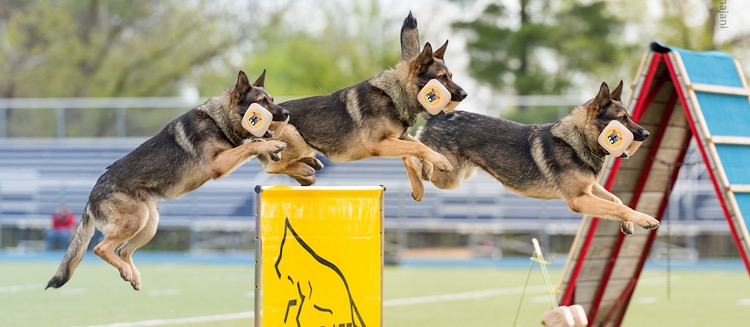
Image Source: davekroyer.com
The History and Evolution of IGP Dog Training
The roots of IGP dog training are deep. It began in Germany as a test for working dogs, mainly German Shepherds, to ensure they had the stable temperament and drive necessary for police and military work. The original name was Schutzhund, which translates to “protection dog sport.”
From Schutzhund to IPO to IGP
The sport has changed names over the years, which can confuse newcomers.
- Schutzhund Training (Original Term): This term is still very popular, especially in the United States. It emphasizes the protection aspect.
- IPO (International Utility Dog): This was the name used for a period when the sport was governed by the Fédération Cynologique Internationale (FCI).
- IGP (Internationale Gebrauchshunde Prüfungsordnung): This is the current official name, meaning International Utility Dog Working Trials. This change aimed to broaden the sport’s appeal beyond just protection work.
Despite the name changes, the core structure and goals remain the same: to evaluate a dog’s ability in tracking, obedience, and defense.
Deciphering the Three Phases of IGP
IGP is broken down into three distinct phases. A dog must pass all three phases in a trial to earn the official IGP title (like IGP 1, IGP 2, or IGP 3, with 3 being the highest level). This structure ensures a truly well-rounded canine partner.
Phase 1: Tracking (Tracking for IGP Dogs)
This phase tests the dog’s nose power and focus. It is entirely non-competitive with the handler during the exercise.
What the Dog Does
The dog must follow a specific track laid out by a person (the track layer) on the ground. This track is always a “blind” track, meaning the dog has never walked on it before.
- Track Length and Age: The length and complexity of the track increase with the title level. For the IGP 1, the track is shorter and newer. For IGP 3, it is long, winding, and several hours old.
- Finding Articles: The dog must find specific objects (articles) that the track layer dropped along the path. The dog indicates finding these articles by stopping and pointing or sitting next to them.
- Handler Influence: The handler must stay back and let the dog work independently. Too much direction from the handler results in point loss. This phase shows incredible focus.
Importance for Working Dogs
Strong tracking skills are vital for real-world utility. It shows the dog can concentrate despite distractions and use its natural instinct in a controlled manner. This builds confidence for the dog.
Phase 2: Obedience Training for IGP (The Mid-Level Test)
Obedience in IGP is far more demanding than standard basic obedience. It tests precise execution under high distraction. This is obedience training for IGP at its highest level.
Key Exercises in Obedience
The exercises require perfect communication between the handler and the dog.
- Heelwork on Flat and Through Group: The dog must walk perfectly beside the handler (heel) in a straight line, sharp turns, and around a group of people without heeling incorrectly.
- Stand, Down, Sit from a Moving Heel: The handler commands the dog to stop and assume a position (stand, sit, or down) while the handler walks away, sometimes a significant distance. The dog must hold the position until called.
- Recall with Recall and Send-Away: The dog sprints away from the handler, turns in the direction the handler points, and then comes rushing back to the handler’s side instantly upon the recall command.
- Retrieving: This includes retrieving a dumbbell on flat ground and retrieving over a 12-obstacle jump (hurdle or wall).
This phase requires countless hours of practice to ensure reliability. The dog must perform these tasks perfectly even when nervous or excited.
Phase 3: Protection Work (Dog Protection Training)
This is often the most controversial part of the sport, but it is crucial for evaluating temperament and control in dog protection work. The goal is to test the dog’s courage, obedience under pressure, and the handler’s ability to control intense drive.
The Role of the Decoy
The helper, often called a “decoy,” wears a protective bite suit. The decoy acts as a mock aggressor or threat. The decoy’s job is vital—they must present a realistic scenario without actually harming the dog or handler.
Protection Exercises
- Searching the Blind: The dog must enter small blinds (hiding places) one by one and search for the decoy. If the decoy is present, the dog must clearly alert by barking (bark alert) until the handler arrives.
- Face Threat: The decoy confronts the handler and dog. The dog must immediately move between the handler and the decoy, barking strongly to drive the threat away.
- Hold and Bark: This is the core test of defense. The dog engages the decoy, grips the suit sleeve firmly, and holds the decoy until the handler commands “Out.”
- The “Out” Command: This is the most critical command in protection. The dog must immediately release the sleeve upon command, even if the decoy is struggling or offering resistance. Failure to release results in immediate disqualification.
- Escort: The dog must escort the decoy (who is being held by the handler) under control without gripping or threatening him unnecessarily.
Protection dog training must always prioritize safety and absolute control. A dog that cannot “out” on command is unsafe and cannot pass IGP.
Achieving Excellence in IGP Dog Training
IGP dog training requires specific methods. It blends positive reinforcement for obedience and tracking with controlled drive building for the protection work. This is considered advanced dog training.
Specialized Training Techniques
You cannot use basic puppy methods for IGP success. Advanced techniques are necessary to manage the high drives these dogs often possess.
Building Drive and Focus
Dogs entering IGP are typically high-drive breeds, like Malinois or German Shepherds. Training focuses on channeling that energy.
- Drive Piling: For protection work, trainers often use “drive piling”—building the dog’s excitement for the “game” (the bite work) in a controlled way.
- Shaping Behavior: Especially in obedience, complex actions are broken down into tiny steps. The dog is rewarded for each small step toward the final goal.
The Importance of the Environment
IGP trial preparation heavily involves desensitization. The dog must perform perfectly regardless of noise, strange surfaces, or people watching.
- Distraction Proofing: Trainers take the dog to busy parks, construction sites, or busy trial grounds just for practice—not to compete, but to get used to the chaos.
- Surface Work: Since trials happen on grass, dirt, and sometimes gravel, the dog practices on all surfaces.
The Handler’s Role in IGP Dog Sport Training
The handler is just as important as the dog. The sport judges the team.
| Handler Skill | Description | Why It Matters in IGP |
|---|---|---|
| Timing | Knowing exactly when to reward or correct. | A slight delay in the “Out” command in protection leads to failure. |
| Consistency | Giving the same command the same way every time. | Ensures the dog never gets confused about what is expected. |
| Reading the Dog | Knowing when the dog is tired, overwhelmed, or over-excited. | Prevents burnout and injury; crucial for long-term training. |
| Communication | Using clear, non-verbal signals as well as voice commands. | The dog must perform complex tasks with minimal handler input. |
Tools of the Trade in IGP Training
Specific equipment is used to ensure safety and effectiveness during dog sport training.
For Tracking
- Long Line: A very long lead (usually 10-15 meters) allows the dog freedom to work the track while keeping the handler safe and ensuring the dog does not go too far off course.
- Tracking Harness: A comfortable harness that allows the dog to use its neck and shoulders effectively for tracking without restricting breathing.
For Obedience and Protection
- Flat Collar: Used for everyday heeling exercises where precise collar pressure is needed.
- Prong Collar (Pinch Collar): Used responsibly by experienced trainers for clear, immediate communication during off-leash obedience and certain heeling exercises. It delivers a sharp, corrective action that mimics a quick correction from a dog’s littermates.
- Bite Sleeve and Suit: Essential for the protection phase. These must be padded correctly to allow the dog to grip deeply and safely.
Is IGP Dog Training Right for My Dog?
Not every dog excels at IGP dog training. The sport requires a specific temperament profile.
Temperament Requirements
IGP tests courage, nerve strength, and desire (drive). A dog that is overly fearful, aggressive without provocation, or too soft (easily discouraged) will struggle greatly.
- Nerve Strength: The dog must not shy away from loud noises, sudden movements, or confrontation with the decoy.
- Bite Drive: The dog needs a strong, inherent desire to bite and hold—this is natural prey/defense drive that must be channeled correctly.
- Trainability: The dog must genuinely enjoy working with its handler and possess a strong desire to please.
Breed Selection
While the sport started with German Shepherds, many breeds compete successfully today.
| Breed Group | Common IGP Competitors | Notes on Suitability |
|---|---|---|
| Herding Group | German Shepherd Dog, Belgian Malinois, Dutch Shepherd | Often possess the highest drive and natural aptitude for all three phases. |
| Working Group | Rottweiler, Doberman Pinscher | Excellent protection drive, but may sometimes require more patient obedience training for IGP than herding breeds. |
Preparing for an IGP Trial
A trial is the culmination of years of dedicated work. IGP trial preparation must be meticulous.
The Judge’s Perspective
IGP judges are highly trained and impartial. They are looking for fluidity, precision, and, above all, control. They score based on established rules (the Prüfungsordnung).
- Precision: Did the dog execute the move exactly as required?
- Enthusiasm: Was the dog eager and happy to work?
- Control: Did the dog maintain perfect control, especially when releasing the sleeve or stopping work?
If a dog shows fear, bites the handler, refuses commands, or fails to release the sleeve, the team is disqualified immediately.
The Importance of Practice Environments
Practicing in an imperfect environment builds a stronger team. If you only practice in a perfectly quiet ring, the dog will associate perfect performance only with that quiet space. Trial environments are loud, busy, and often stressful.
Advanced dog training means training the dog to succeed when things are not perfect. This builds reliability that lasts a lifetime.
Safety and Ethics in IGP Dog Protection Work
Because dog protection work is involved, ethics and safety are paramount in the IGP community. Responsible clubs and trainers strictly adhere to welfare standards.
Ethical Decoy Work
The decoy’s role is to test the dog, not to injure it. Good decoys know how to read the dog’s grip and will stop pressure the moment the dog engages correctly or if the dog shows signs of stress.
- Controlled Engagement: The dog is taught to bite only the designated sleeve area and to release immediately on command.
- Temperament Testing: If a dog bites the handler, fights the decoy unfairly, or shows unprovoked aggression outside the designated exercise, the dog fails the temperament check and is removed from the sport. IGP is designed to screen out unstable dogs.
Handler Responsibility
The handler carries the ultimate responsibility. A dog trained for IGP is an incredible working partner, but it must be managed carefully in public. The rigorous obedience training for IGP ensures that the dog will default to handler commands, even when highly aroused.
Frequently Asked Questions About IGP Dog Training
Is IGP Dog Training Dangerous for the Dog?
When conducted by experienced, ethical trainers following the established rules of organizations like the USCA (United States of America Doberman Club) or local FCI affiliates, IGP dog training is very safe. The equipment is designed to absorb impact, and the decoys are professionals who prioritize the dog’s welfare. Danger arises only from inexperienced handlers using improper techniques or training outside of established rules.
Can I Start IGP Dog Training with an Older Dog?
It is highly unlikely you can achieve a title with an older dog unless it was trained in a similar discipline earlier. IGP dog training usually starts when the dog is a puppy, with protection work beginning around 16 to 18 months old, once physical maturity is reached. The sport demands peak physical conditioning.
What is the Difference Between IGP Dog Training and Ring Sport?
While both involve tracking, obedience, and protection, they are different organizations with different rule sets. IGP dog training is governed by the FCI (international rules). Ring Sport (like French Ring or Mondioring) often involves more complex obstacles, different scoring methods, and sometimes higher levels of perceived aggression in the protection phase, though both require high levels of control.
Do I Need a Specific Breed to Compete in IGP?
No, you do not need a German Shepherd or Malinois. Many breeds compete, including Giant Schnauzers, Rottweilers, and even certain mixed breeds, provided they have the drive and temperament. However, dogs bred specifically for protection work often adapt more quickly to the demands of dog protection work.
How Long Does It Take to Achieve the IGP 1 Title?
For a dedicated team working several times a week, achieving the IGP 1 title typically takes a minimum of two to three years of consistent, specialized training. Reaching the IGP 3 level can take five years or more. IGP trial preparation is a marathon, not a sprint.